More from Vशुद्धि




More from History


Thank you so much to the incredible @gregjenner and his team for having me on "You're Dead to Me" and to @kaekurd for being so hilarious and bringing Gilgamesh the restaurant into my life!
Here’s a thread of some of the stuff referenced in the podcast for those interested
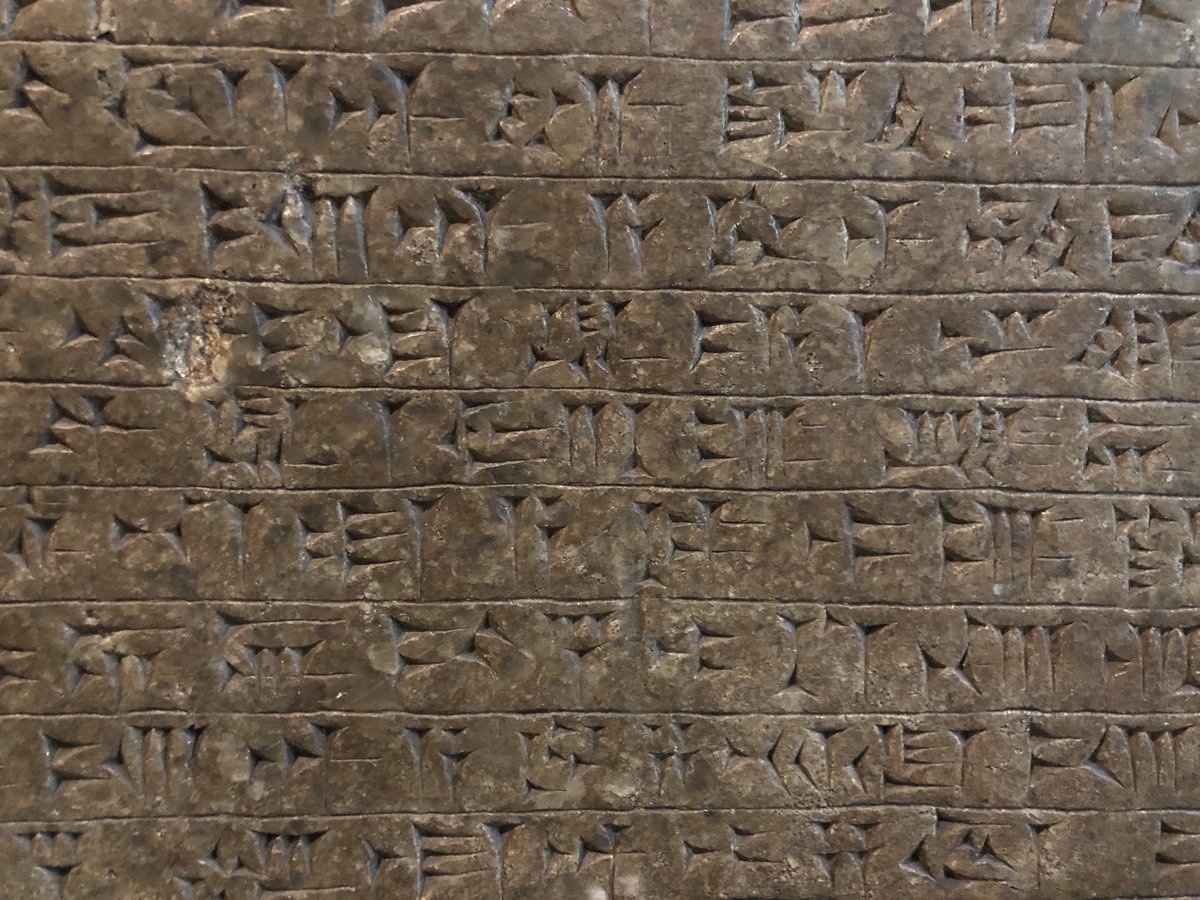
First of all, what even is cuneiform?
It’s a writing system from the ancient Middle East, used to write several languages like Sumerian and Akkadian. Cuneiform signs can stand for whole words or syllables. Here’s a little primer of its evolution https://t.co/7CVjLCHwkS
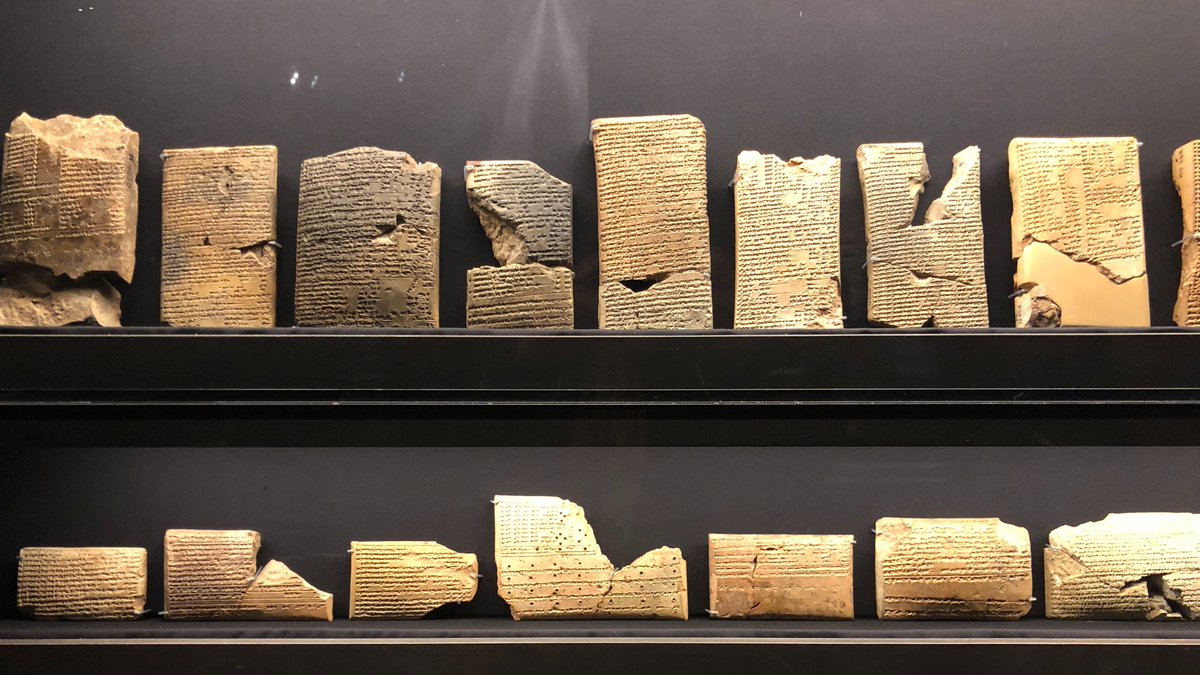
What kinds of texts was cuneiform used to write?
Initially, accounting records and lists.
Eventually, literature, astronomy, medicine, maps, architectural plans, omens, letters, contracts, law collections, and more.
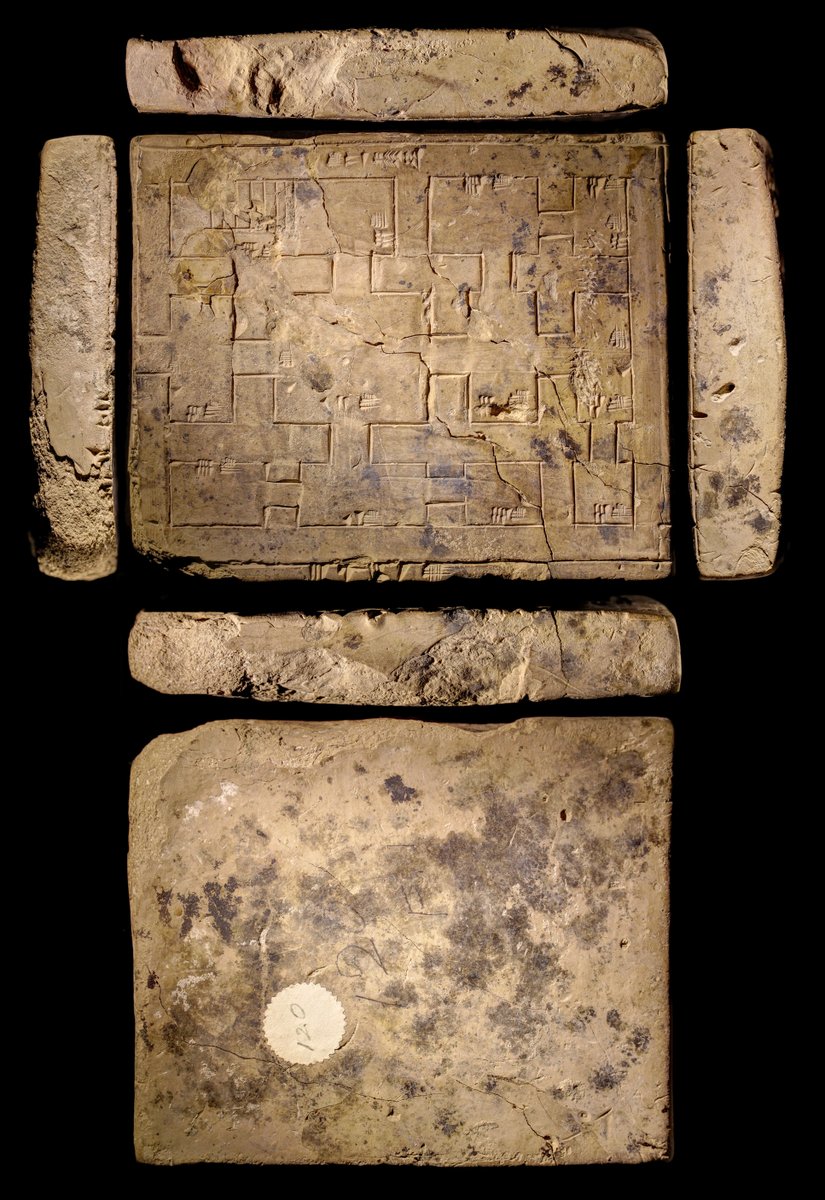
Texts from the Library of Ashurbanipal, who ruled the ancient Assyrian empire when it was at its largest in the 7th century BCE, represent many of the genres of cuneiform texts and scholarship.
Here’s a short intro to the library via @opencuneiform https://t.co/wjnaxpMRrC
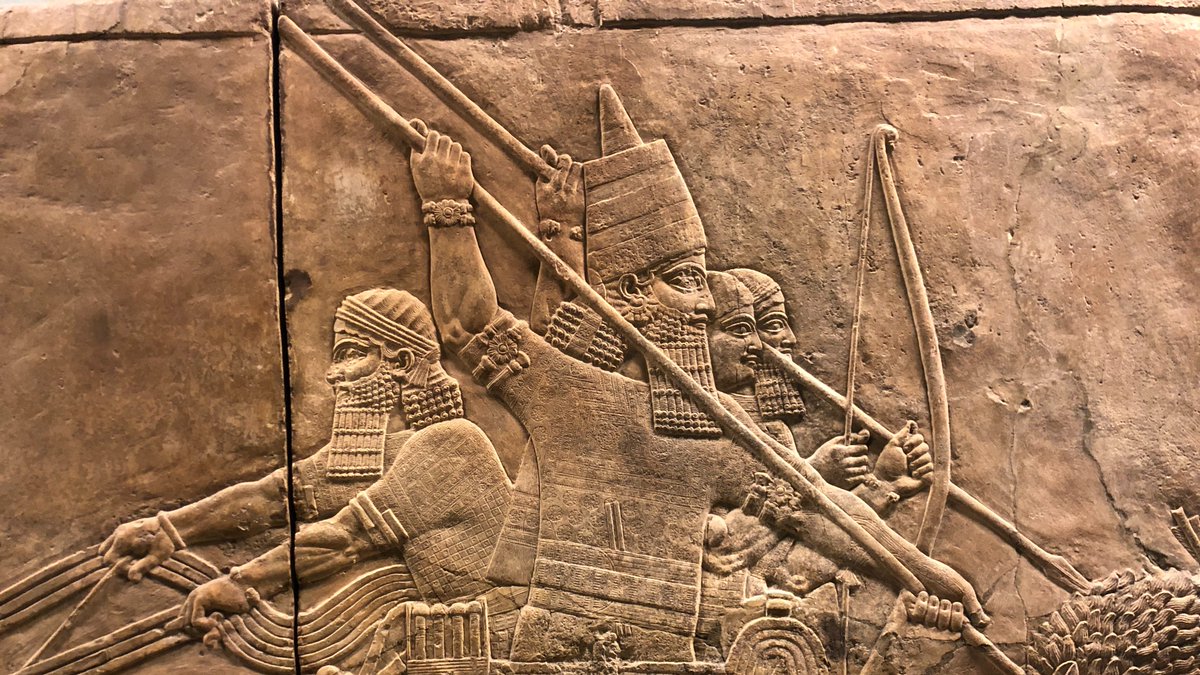
The Library of Ashurbanipal has a complicated modern and ancient history, which you can read about in this brilliant (and open access) book by Prof @Eleanor_Robson
Here’s a thread of some of the stuff referenced in the podcast for those interested
First of all, what even is cuneiform?
It’s a writing system from the ancient Middle East, used to write several languages like Sumerian and Akkadian. Cuneiform signs can stand for whole words or syllables. Here’s a little primer of its evolution https://t.co/7CVjLCHwkS
What kinds of texts was cuneiform used to write?
Initially, accounting records and lists.
Eventually, literature, astronomy, medicine, maps, architectural plans, omens, letters, contracts, law collections, and more.
Texts from the Library of Ashurbanipal, who ruled the ancient Assyrian empire when it was at its largest in the 7th century BCE, represent many of the genres of cuneiform texts and scholarship.
Here’s a short intro to the library via @opencuneiform https://t.co/wjnaxpMRrC
The Library of Ashurbanipal has a complicated modern and ancient history, which you can read about in this brilliant (and open access) book by Prof @Eleanor_Robson