This is the story of an ordinary seaside town and the global powers that tried to hide it from the world.

In 1983 a little-known filmmaker made a television documentary about an obscure working-class town in the English county of Essex. That filmmaker’s name was Adam Curtis.

He aimed to show that ordinary people could find fulfilment away from the ever-growing influence of global capitalism.

His film was broadcast by the BBC on Tuesday 19th April 1983, only one day after 33 people were killed when terrorists bombed the US Embassy in Beirut.
This documentary was “Just Another Day: The Seaside” and it depicted the small coastal town of Walton-on-the-Naze, where innocent holiday-makers found pleasure in a technology-free utopia.
The same day this film was shown, Polish author Jerzy Andrzejewski, whose books explored topics such as betrayal and the final days of World War II, died in Warsaw of a heart attack.
Curtis was convinced that if the ancient pastimes of these Essex pleasure seekers – such as Punch and Judy shows, and Wild West re-enactments – were captured on film then people around the world might realise something.

But this was a fantasy.
As the years passed the memories of this innocent utopia faded while the disturbing influences Curtis had opposed grew ever stronger.

But then something strange happened.

The very powers the filmmaker was fighting against gave him another chance.
In 2005 three young men created a video-sharing service on the World Wide Web in the hope of collecting videos of attractive women, offering them $100 for each video.

But they had unleashed forces they could not comprehend and soon You Tube was out of control.
Soon, hundreds of hours of video were being uploaded to the service every minute and one of those was Curtis’s film that, until that moment, had been unseen for more than two decades.

Maybe now, available to the entire world, Curtis's dream could become a reality.
But then, another strange thing happened.
As surprisingly as it had appeared, the video vanished, made private, hidden by the forces of techno-capitalism, ever-larger media conglomerates, and runaway artificial intelligences.

Once again, the hopes of Curtis and his followers were dashed.

https://t.co/9LsLAfu6HP
But what of the BBC?

All that remains of “Just Another Day: The Seaside” and its utopian vision is a sketchy outline, a handful of bytes of data stored on a hard disk somewhere in an anonymous data centre.

https://t.co/dZGRmGIP53
And yet, surprisingly, the BBC controls its own public service video streaming service.

However, torn apart by the egos of power-hungry men, terrorised by out of touch politicians, and hounded by press barons, the corporation has yet to show this film on its i-Player.
For now, Walton-on-the-Naze will remain a hidden and largely unknown utopia.

And Adam Curtis’s dream, of showing the people of the world how to live, as if they were always on holiday at the seaside, must remain a dream.
[ This thread is also available in traditional blog post format at https://t.co/R4WnHA5brT ]

More from History

Thank you so much to the incredible @gregjenner and his team for having me on "You're Dead to Me" and to @kaekurd for being so hilarious and bringing Gilgamesh the restaurant into my life!

Here’s a thread of some of the stuff referenced in the podcast for those interested


First of all, what even is cuneiform?

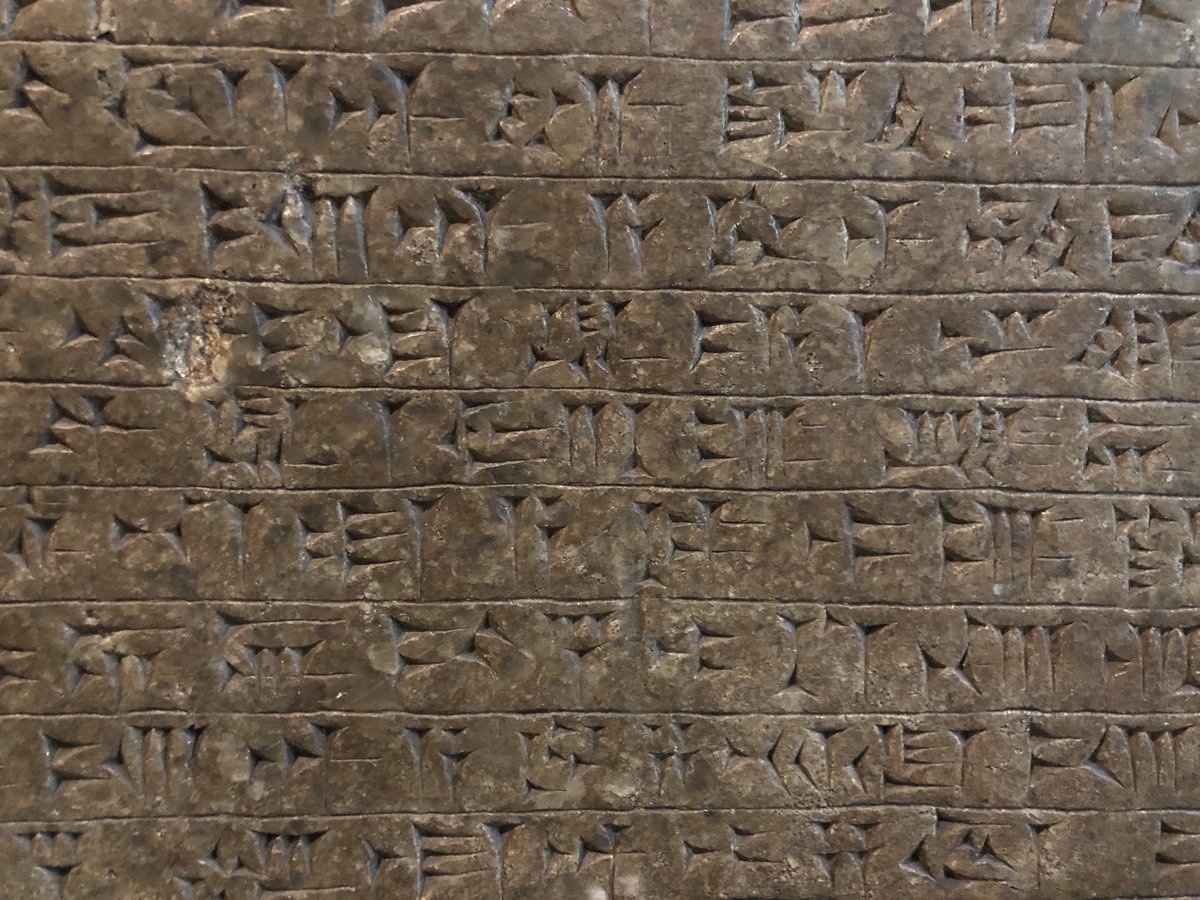
It’s a writing system from the ancient Middle East, used to write several languages like Sumerian and Akkadian. Cuneiform signs can stand for whole words or syllables. Here’s a little primer of its evolution
https://t.co/7CVjLCHwkS


What kinds of texts was cuneiform used to write?

Initially, accounting records and lists.

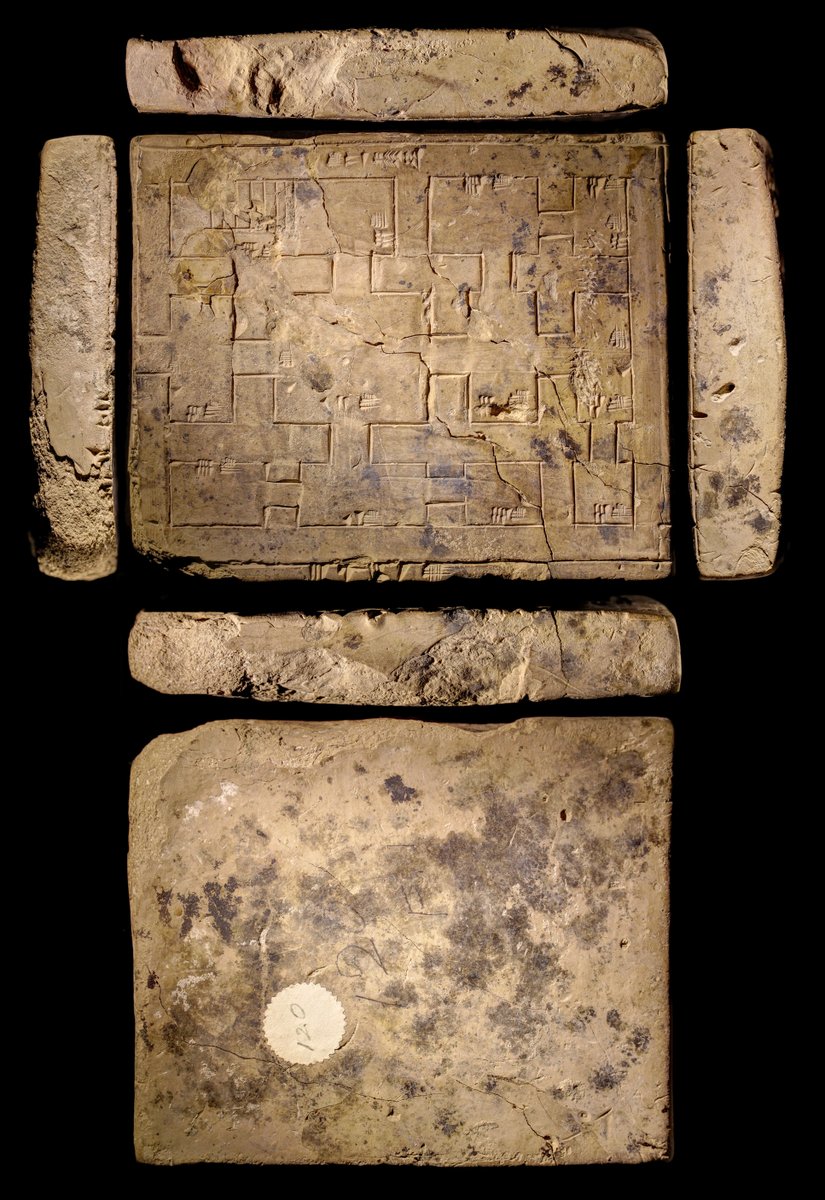
Eventually, literature, astronomy, medicine, maps, architectural plans, omens, letters, contracts, law collections, and more.


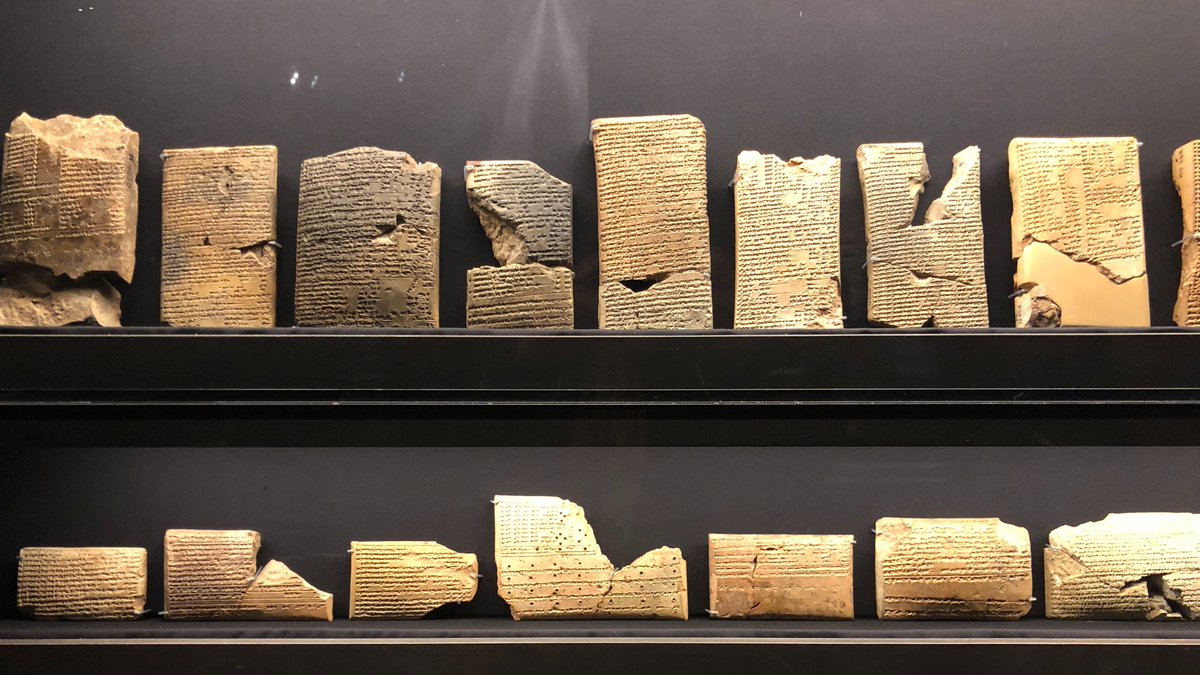
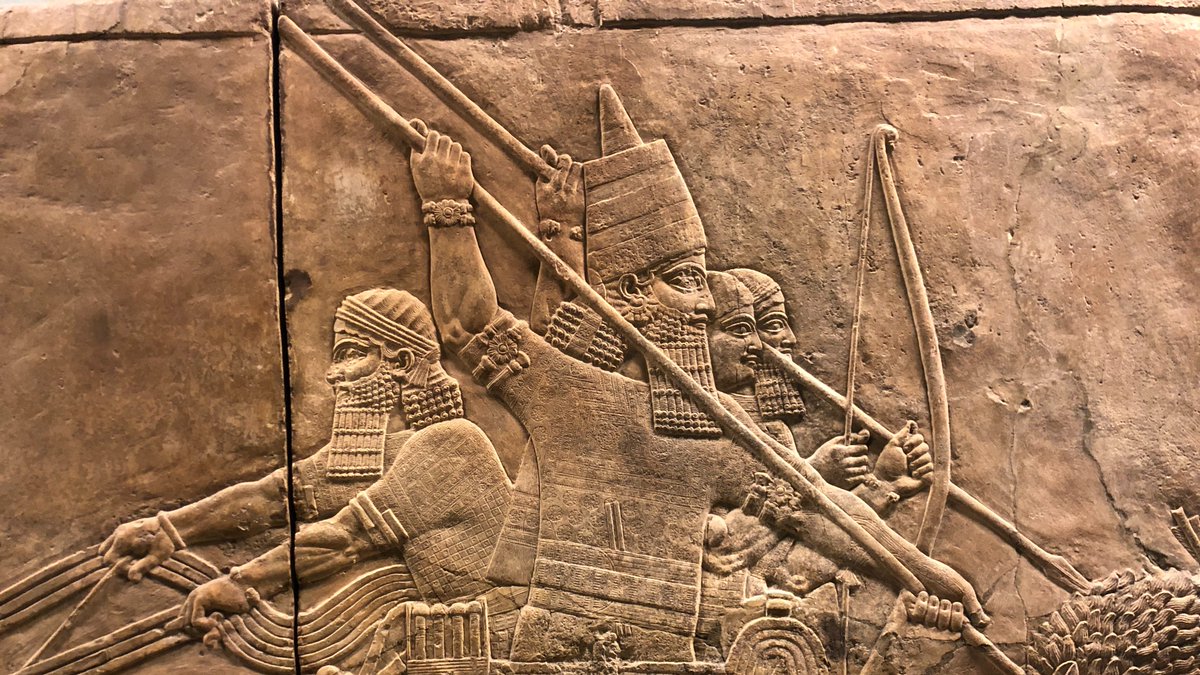
Texts from the Library of Ashurbanipal, who ruled the ancient Assyrian empire when it was at its largest in the 7th century BCE, represent many of the genres of cuneiform texts and scholarship.

Here’s a short intro to the library via @opencuneiform https://t.co/wjnaxpMRrC


The Library of Ashurbanipal has a complicated modern and ancient history, which you can read about in this brilliant (and open access) book by Prof @Eleanor_Robson

You May Also Like

#ज्योतिष_विज्ञान #मंत्र_विज्ञान

ज्योतिषाचार्य अक्सर ग्रहों के दुष्प्रभाव के समाधान के लिए मंत्र जप, अनुष्ठान इत्यादि बताते हैं।

व्यक्ति के जन्म के समय ग्रहों की स्थिति ही उसकी कुंडली बन जाती है जैसे कि फ़ोटो खींच लिया हो और एडिट करना सम्भव नही है। इसे ही "लग्न" कुंडली कहते हैं।


लग्न के समय ग्रहों की इस स्थिति से ही जीवन भर आपको किस ग्रह की ऊर्जा कैसे प्रभावित करेगी का निर्धारिण होता है। साथ साथ दशाएँ, गोचर इत्यादि चलते हैं पर लग्न कुंडली का रोल सबसे महत्वपूर्ण है।


पृथ्वी से अरबों खरबों दूर ये ग्रह अपनी ऊर्जा से पृथ्वी/व्यक्ति को प्रभावित करते हैं जैसे हमारे सबसे निकट ग्रह चंद्रमा जोकि जल का कारक है पृथ्वी और शरीर के जलतत्व पर पूर्ण प्रभाव रखता है।
पूर्णिमा में उछाल मारता समुद्र का जल इसकी ऊर्जा के प्रभाव को दिखाता है।


अमावस्या में ऊर्जा का स्तर कम होने पर वही समुद्र शांत होकर पीछे चला जाता है। जिसे ज्वार-भाटा कहते हैं। इसी तरह अन्य ग्रहों की ऊर्जा के प्रभाव होते हैं जिन्हें यहां समझाना संभव नहीं।
चंद्रमा की ये ऊर्जा शरीर को (अगर खराब है) water retention, बैचेनी, नींद न आना आदि लक्षण दिखाती है


मंत्र क्या हैं-
मंत्र इन ऊर्जाओं के सटीक प्रयोग करने के पासवर्ड हैं। जिनके जप से संबंधित ग्रह की ऊर्जा को जातक की ऊर्जा से कनेक्ट करके उन ग्रहों के दुष्प्रभाव को कम किया और शुभ प्रभाव को बढ़ाया जाता है।
This is a pretty valiant attempt to defend the "Feminist Glaciology" article, which says conventional wisdom is wrong, and this is a solid piece of scholarship. I'll beg to differ, because I think Jeffery, here, is confusing scholarship with "saying things that seem right".


The article is, at heart, deeply weird, even essentialist. Here, for example, is the claim that proposing climate engineering is a "man" thing. Also a "man" thing: attempting to get distance from a topic, approaching it in a disinterested fashion.


Also a "man" thing—physical courage. (I guess, not quite: physical courage "co-constitutes" masculinist glaciology along with nationalism and colonialism.)


There's criticism of a New York Times article that talks about glaciology adventures, which makes a similar point.


At the heart of this chunk is the claim that glaciology excludes women because of a narrative of scientific objectivity and physical adventure. This is a strong claim! It's not enough to say, hey, sure, sounds good. Is it true?