During a normal pregnancy, oxidative stress enhances antioxidant mechanisms that are capable of reacting by way of enzyme activity and non-enzyme free radical deactivators. However, pregnancy is also a state in which this adaptation and balance may be easily disrupted.
as the sen-sitivity and specificity of various oxidative stress markers is unknown.. .
More from NotTheMacAnon
Localized Surface Plasmon Resonance - an overview | ScienceDirect Topics
https://t.co/mzS7vVSREJ
https://t.co/353PdAX2fa
https://t.co/3yBImjOdd4
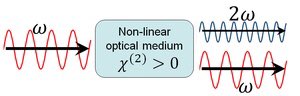
In some cases, almost 100% of the light energy can be converted to the second harmonic frequency. These cases typically involve intense pulsed laser beams passing through large crystals, and careful alignment to obtain phase matching.
https://t.co/mzS7vVSREJ
https://t.co/353PdAX2fa
https://t.co/3yBImjOdd4
In some cases, almost 100% of the light energy can be converted to the second harmonic frequency. These cases typically involve intense pulsed laser beams passing through large crystals, and careful alignment to obtain phase matching.

More from Health


1/16
Why do B12 and folate deficiencies lead to HUGE red blood cells?
And, if the issue is DNA synthesis, why are red blood cells (which don't have DNA) the key cell line affected?
For answers, we'll have to go back a few billion years.
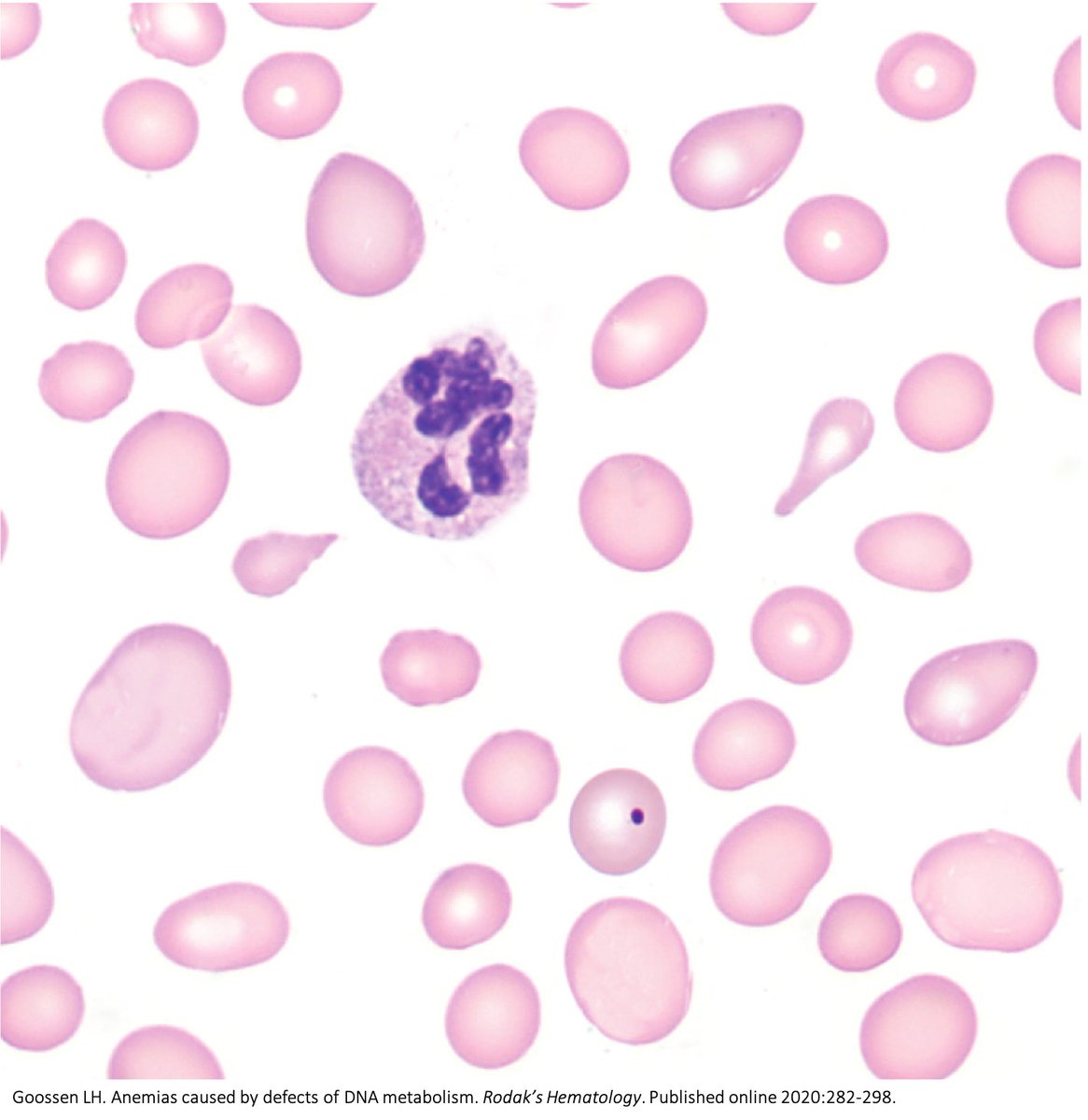
2/
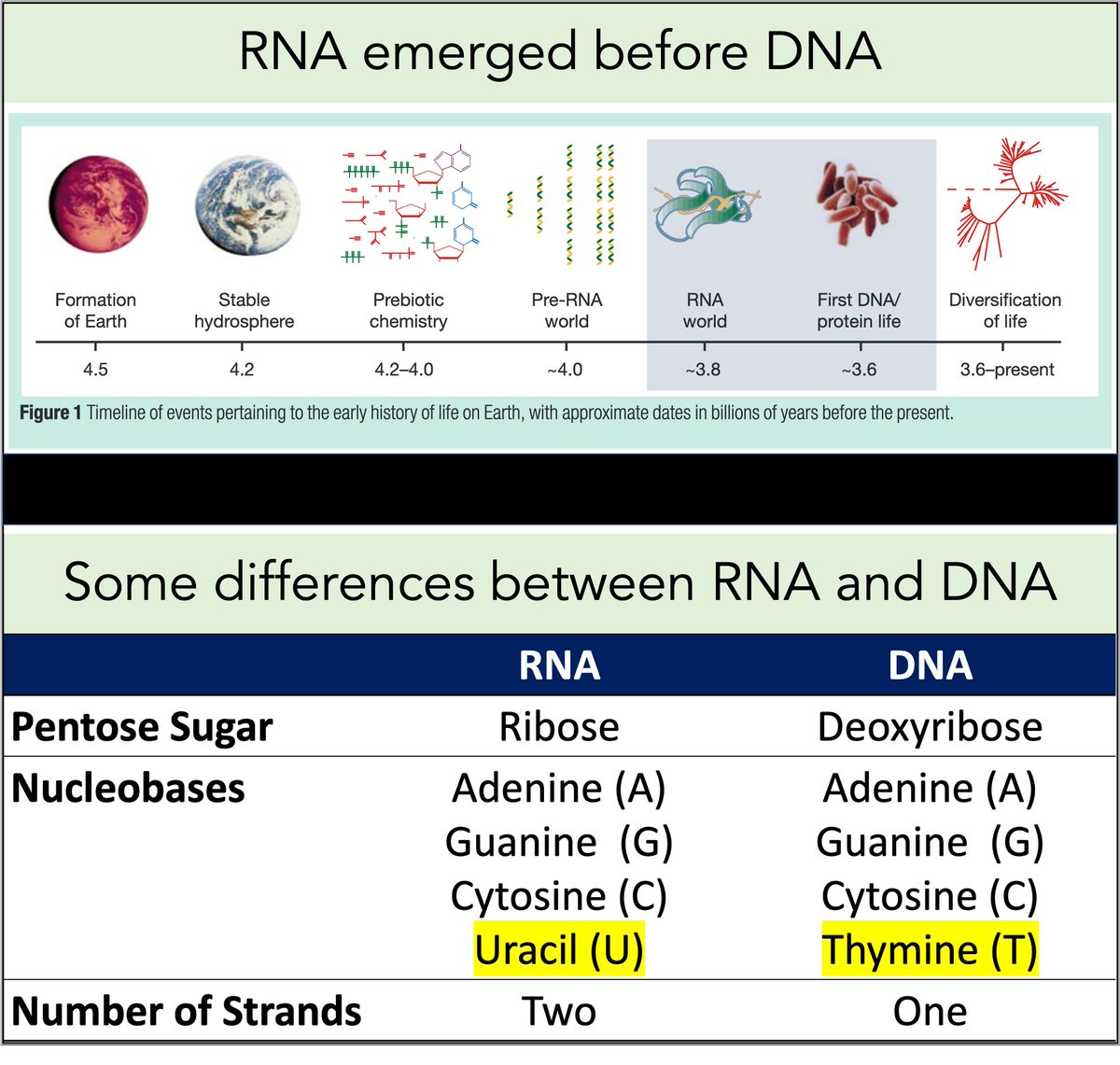
RNA came first. Then, ~3-4 billion years ago, DNA emerged.
Among their differences:
🔹RNA contains uracil
🔹DNA contains thymine
But why does DNA contains thymine (T) instead of uracil (U)?
https://t.co/XlxT6cLLXg
3/
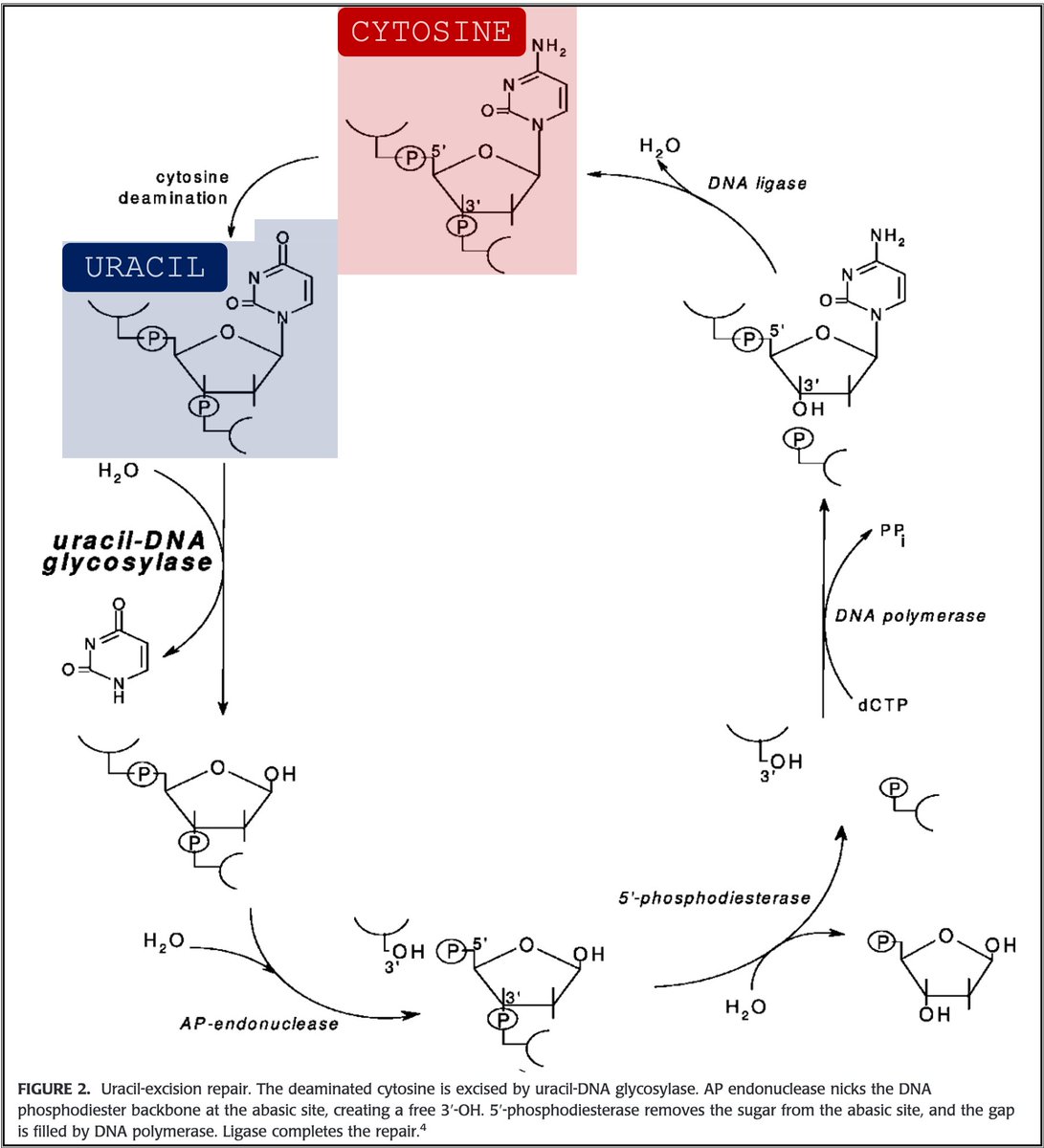
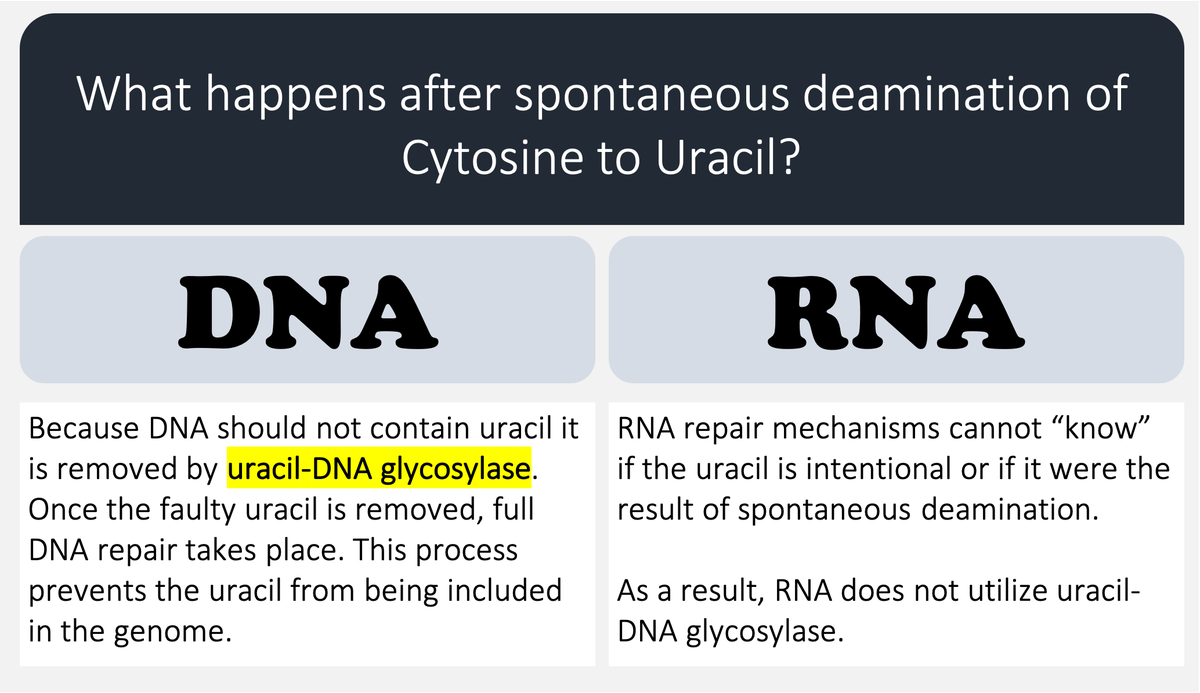
🔑Cytosine (C) can undergo spontaneous deamination to uracil (U).
In the RNA world, this meant that U could appear intensionally or unintentionally. This is clearly problematic. How can you repair RNA when you can't tell if something is an error?
https://t.co/bIZGviHBUc
4/
DNA's use of T instead of U means that spontaneous C → U deamination can be corrected without worry that an intentional U is being removed.
DNA requires greater stability than RNA so the transition to a thymine-based structure was beneficial.
https://t.co/bIZGviHBUc
5/
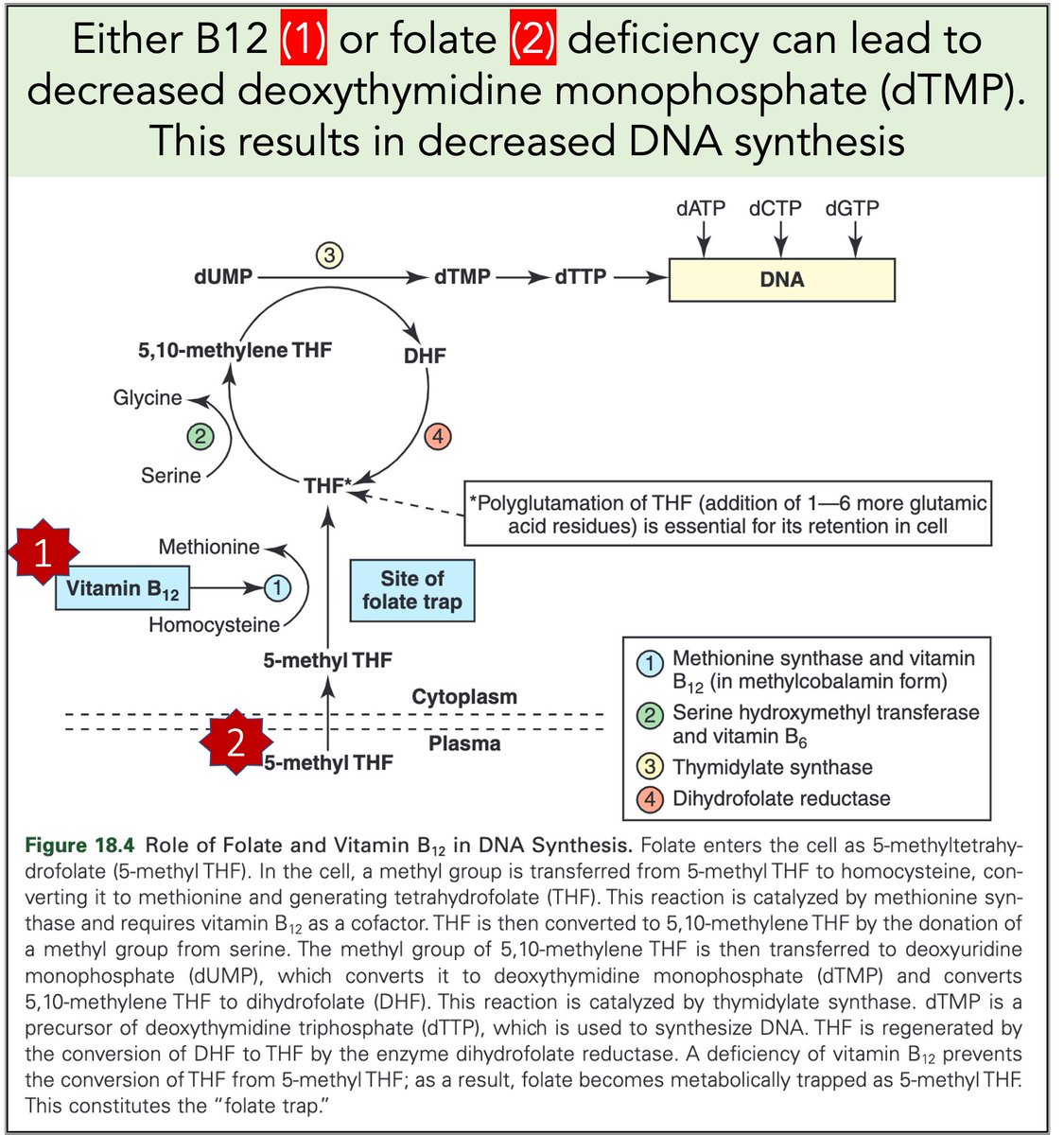
Let's return to megaloblastic anemia secondary to B12 or folate deficiency.
When either is severely deficient deoxythymidine monophosphate (dTMP*) production is hindered. With less dTMP, DNA synthesis is abnormal.
[*Note: thymine is the base in dTMP]
https://t.co/AnDUtKkbZh
Why do B12 and folate deficiencies lead to HUGE red blood cells?
And, if the issue is DNA synthesis, why are red blood cells (which don't have DNA) the key cell line affected?
For answers, we'll have to go back a few billion years.
2/
RNA came first. Then, ~3-4 billion years ago, DNA emerged.
Among their differences:
🔹RNA contains uracil
🔹DNA contains thymine
But why does DNA contains thymine (T) instead of uracil (U)?
https://t.co/XlxT6cLLXg
3/
🔑Cytosine (C) can undergo spontaneous deamination to uracil (U).
In the RNA world, this meant that U could appear intensionally or unintentionally. This is clearly problematic. How can you repair RNA when you can't tell if something is an error?
https://t.co/bIZGviHBUc
4/
DNA's use of T instead of U means that spontaneous C → U deamination can be corrected without worry that an intentional U is being removed.
DNA requires greater stability than RNA so the transition to a thymine-based structure was beneficial.
https://t.co/bIZGviHBUc
5/
Let's return to megaloblastic anemia secondary to B12 or folate deficiency.
When either is severely deficient deoxythymidine monophosphate (dTMP*) production is hindered. With less dTMP, DNA synthesis is abnormal.
[*Note: thymine is the base in dTMP]
https://t.co/AnDUtKkbZh


@SMILEWithmeNGO Hello @SMILEWithmeNGO I am glad to be here. Thank you for having me.
A very big welcome to everyone joining today’s conversation. Our guest today needs no introduction especially in the sphere of cancer control and advocacy. Welcome @runciecwc
#CheatCervicalCancer
@runciecwc Q1: So Runcie @runciecwc, we see all the amazing work you do as an advocate.
Can you share with us some of the work that you have been doing in cancer control in Nigeria?
#CheatCervicalCancer
@runciecwc That’s amazing. Your work speaks for you. Thanks for all you do.
Q2: What is this @WHO Global Strategy to accelerate the Elimination of CervicalCancer? Can you elaborate on it?
#CheatCervicalCancer
@runciecwc @WHO Q3: In your experience, so far what are the greatest challenges you have identified with cancer control in Nigeria?
#CheatCervicalCancer.
@runciecwc @WHO Q4: Interestingly, we have seen that your organization is part of the Coalition of CSOs against Cervical Cancer in Nigeria, @CervicalCancerN, what is the goal of this Coalition? #CheatCervicalCancer
A very big welcome to everyone joining today’s conversation. Our guest today needs no introduction especially in the sphere of cancer control and advocacy. Welcome @runciecwc
#CheatCervicalCancer
Our First guest is Runcie Chidebe @runciecwc.
— Smile With Me (#CheatCervicalCancer) (@SMILEWithmeNGO) January 31, 2021
He is a patient advocate and global health expert. He is the ED of @projectpinkblue, a cancer nonprofit focused on cancer control in Nigeria. He is engaged in supporting people battling with cancer, fundraising for indigent patients, pic.twitter.com/6tKYkq4h4F
@runciecwc Q1: So Runcie @runciecwc, we see all the amazing work you do as an advocate.
Can you share with us some of the work that you have been doing in cancer control in Nigeria?
#CheatCervicalCancer
@runciecwc That’s amazing. Your work speaks for you. Thanks for all you do.
Q2: What is this @WHO Global Strategy to accelerate the Elimination of CervicalCancer? Can you elaborate on it?
#CheatCervicalCancer
@runciecwc @WHO Q3: In your experience, so far what are the greatest challenges you have identified with cancer control in Nigeria?
#CheatCervicalCancer.
@runciecwc @WHO Q4: Interestingly, we have seen that your organization is part of the Coalition of CSOs against Cervical Cancer in Nigeria, @CervicalCancerN, what is the goal of this Coalition? #CheatCervicalCancer

Let's talk honestly about "informed consent."
Someone with decades of training gives someone with none advice usually packed into 1-3 mins. Huge amount is based on trust. Huge potential for bias built in. But also there is no obligation to provide real alternative options.
I am classified as 'gifted' (obnoxious and ableist term). I mention because of what I am about to say. You all know that I was an ambulatory wheelchair user previously - could stand - but contractures have ended that. When I pleaded for physio, turned down. But did you know...
I recently was chatting with a doctor I know and explaining what happened and the day the physiatrist told me it was too late and nothing could be done. The doctor asked if I'd like one of her friends/colleagues to give second opinion. I said yes please! So...
She said can you send me MRI and other imaging they did to determine it wasn't possible to address your contractures.
Me: What?
Dr.: They did a MRI first before deciding right?
Me: No
Dr: What did they do??!
Me: Examined me for 2 minutes.
Dr: I am very angry rn. Can't talk.
My point is you don't even know if you are making "informed" decisions because the only source of information you have is the person who has already decided what they think you should do. And may I remind you of a word called 'compliance.'
Someone with decades of training gives someone with none advice usually packed into 1-3 mins. Huge amount is based on trust. Huge potential for bias built in. But also there is no obligation to provide real alternative options.
MAiD isn't eugenics. The task for the medical profession is to ensure informed consent. Failures on that front should result in enforcement of the law. But Bill C-7 is the result of the existing regime imposing unnecessary, unconstitutional harms by blocked access to MAiD.
— Emmett Macfarlane (@EmmMacfarlane) February 13, 2021
I am classified as 'gifted' (obnoxious and ableist term). I mention because of what I am about to say. You all know that I was an ambulatory wheelchair user previously - could stand - but contractures have ended that. When I pleaded for physio, turned down. But did you know...
I recently was chatting with a doctor I know and explaining what happened and the day the physiatrist told me it was too late and nothing could be done. The doctor asked if I'd like one of her friends/colleagues to give second opinion. I said yes please! So...
She said can you send me MRI and other imaging they did to determine it wasn't possible to address your contractures.
Me: What?
Dr.: They did a MRI first before deciding right?
Me: No
Dr: What did they do??!
Me: Examined me for 2 minutes.
Dr: I am very angry rn. Can't talk.
My point is you don't even know if you are making "informed" decisions because the only source of information you have is the person who has already decided what they think you should do. And may I remind you of a word called 'compliance.'