
[THREAD] memory loss and mental health. It is something that we don’t often put together. However, it is a very common issue for many individuals whose mental health is not doing well. So why do we get that memory loss? Is it permanent? Are there ways to cope with that?
More from Omar Bazza
More from Health


this simple, counter narrative fact keeps cropping up all over the world.
hospital and ICU utilization has been and remains low this year.
it's terribly curious that so few of these monitoring tools provide historical baselines.
getting them is like pulling teeth.
we might think of this as an oversight until you see stuff like this:
this woman was arrested for filming and sharing the fact that their are empty hospitals in the UK.
that's full blown soviet. what possible honest purpose does that
this is the action of a police state and a propaganda ministry, not a well intentioned government and a public heath agency.
"we cannot let people see the truth for fear they might base their actions on real facts" is not much of a mantra for just governance.

90% full ICU sounds scary until you realize that 90-100% full is normal in flu season.
staffed ICU beds are expensive to leave empty. it's like flying with 15% of the plane empty. hospitals don't do that.
and all US hospitals are mandated to be able to flex to 120% ICU.
the US is currently at historically low ICU utilization for this time of year.
61% is "you're all going to go out of business" territory as is 66% full hospital use.
can you blame them for mining CARES act money? they'll die without it.
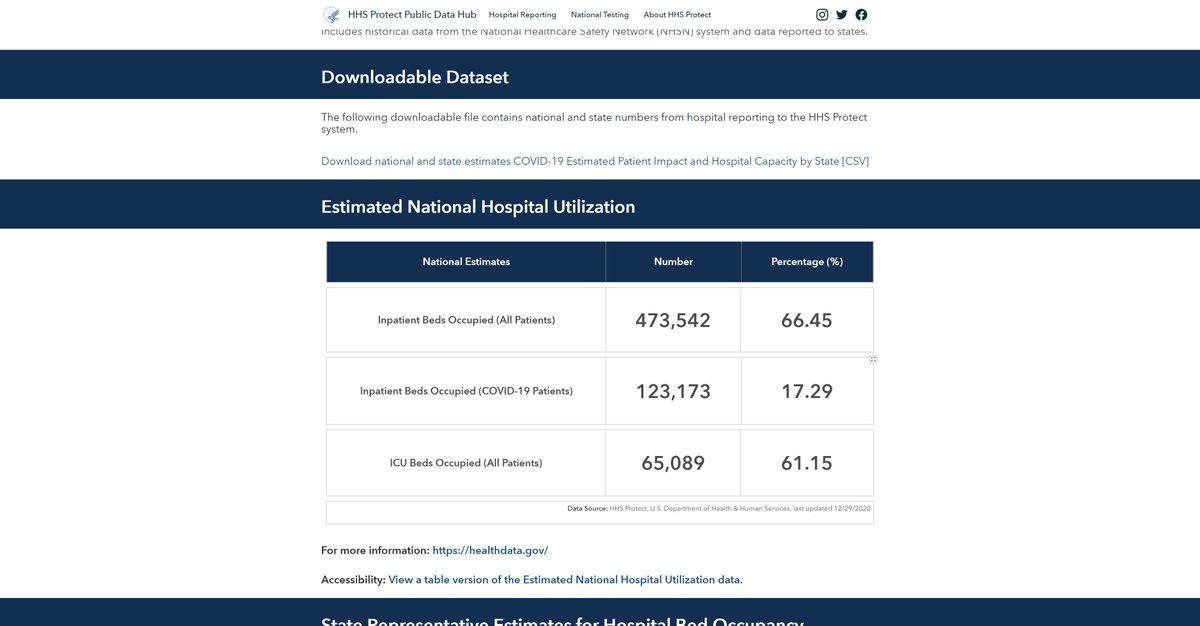
hospital and ICU utilization has been and remains low this year.
it's terribly curious that so few of these monitoring tools provide historical baselines.
getting them is like pulling teeth.
It took a Freedom of Information request but @Covid19DataUK acquired 2017-2019 averages for England hospitalizations.
— Yinon Weiss (@yinonw) December 31, 2020
2020 had 18% fewer hospitalizations than prior years.
All around the world, using hospital data without context of prior years is just a fear generating lie. pic.twitter.com/DJDpqhIQuw
we might think of this as an oversight until you see stuff like this:
this woman was arrested for filming and sharing the fact that their are empty hospitals in the UK.
that's full blown soviet. what possible honest purpose does that
this is the action of a police state and a propaganda ministry, not a well intentioned government and a public heath agency.
"we cannot let people see the truth for fear they might base their actions on real facts" is not much of a mantra for just governance.
90% full ICU sounds scary until you realize that 90-100% full is normal in flu season.
staffed ICU beds are expensive to leave empty. it's like flying with 15% of the plane empty. hospitals don't do that.
and all US hospitals are mandated to be able to flex to 120% ICU.
the US is currently at historically low ICU utilization for this time of year.
61% is "you're all going to go out of business" territory as is 66% full hospital use.
can you blame them for mining CARES act money? they'll die without it.

Sarcomeres in cardiac myocytes (heart muscle cells) are mechanically coupled to focal adhesions through dorsal stress fiber-like structures. #cardiotwitter #CellBiology
1/13
A thread based on Figure 1
A mature adult cardiac myocyte is packed with sarcomeres, whose contractile forces are coupled to the extracellular environment. With sarcomeres so close to the plasma membrane, how can we study the nature of this coupling?
2/13
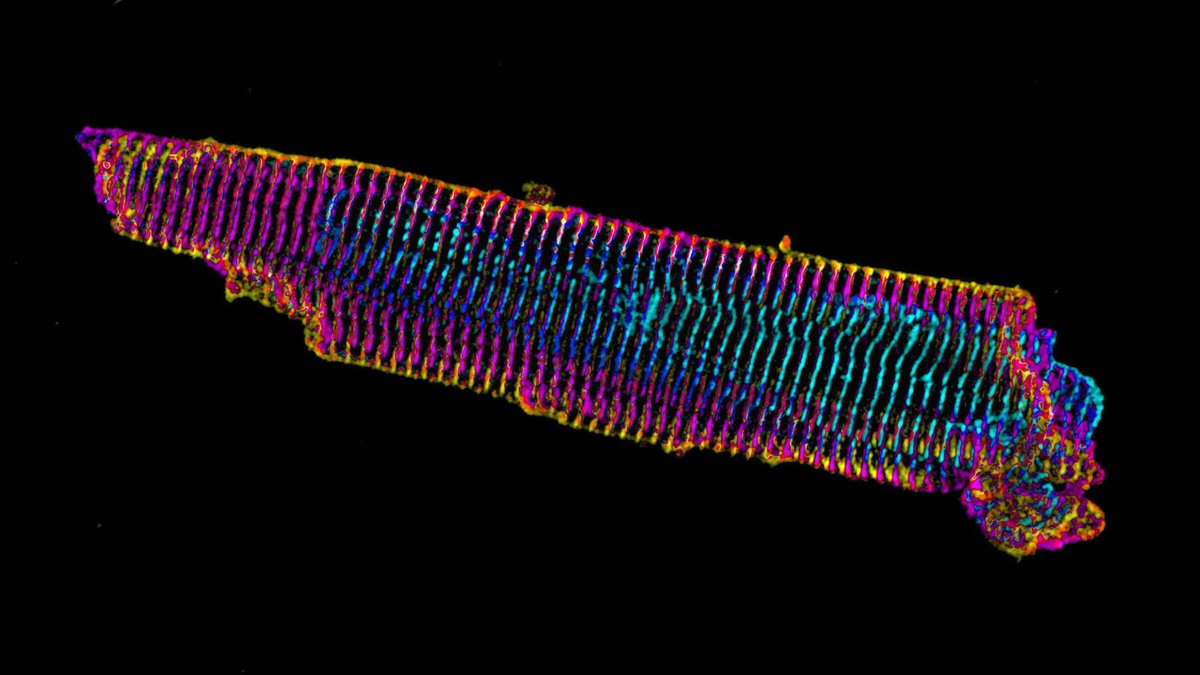
Short answer: find a model system where the sarcomeres are not so close to what the cardiac myocyte is attached to. Enter, iPS cell-derived cardiac myocytes. These are “immature” in culture as they resemble fetal or neonatal cardiac myocytes.
3/13
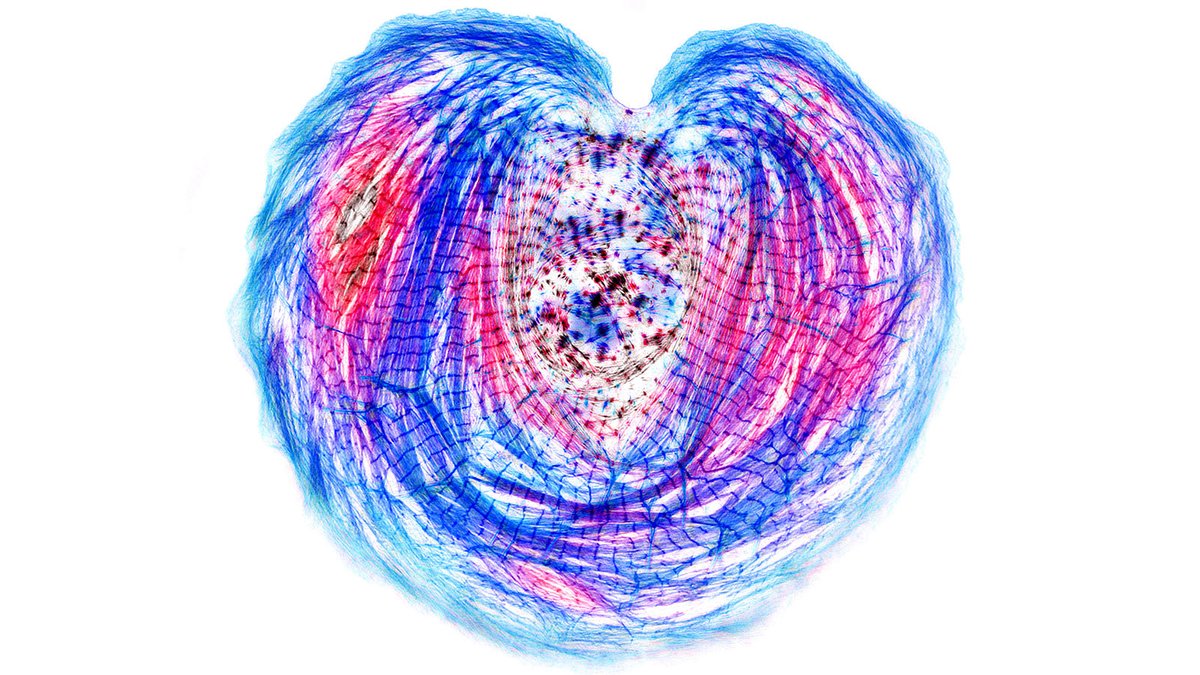
Our previous work on iPS cardiac myocytes reported that sarcomere containing myofibrils assembled on the top surface of the myocyte.
https://t.co/xIBCu3hG1W
4/13
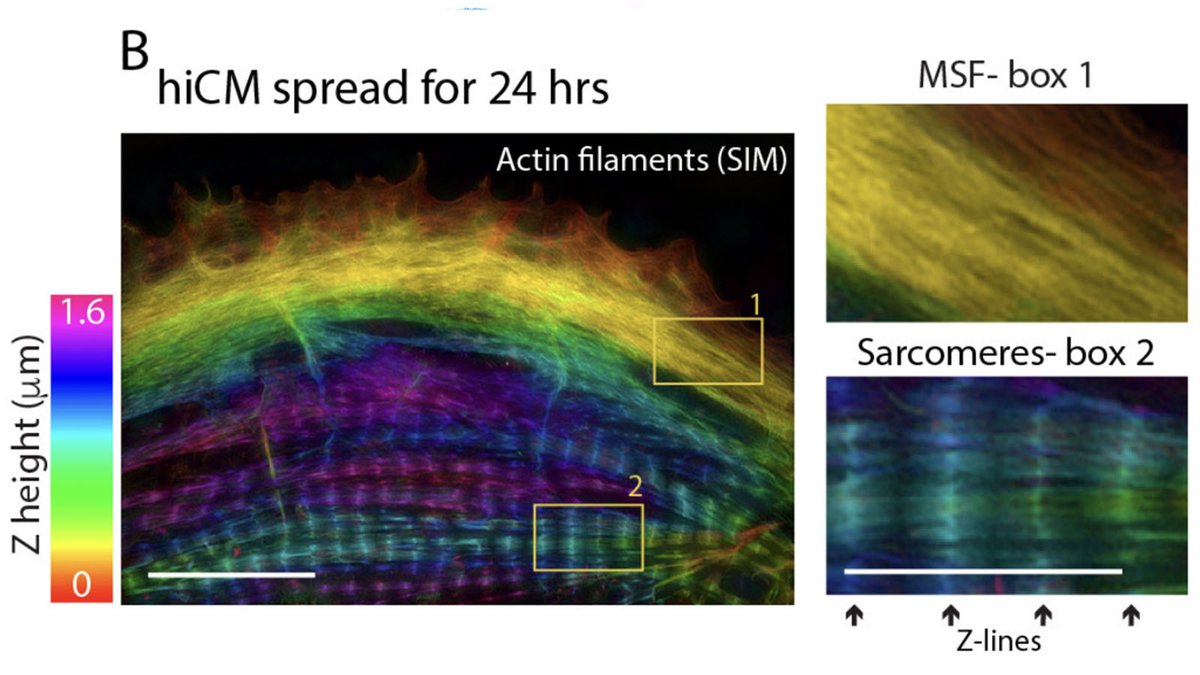
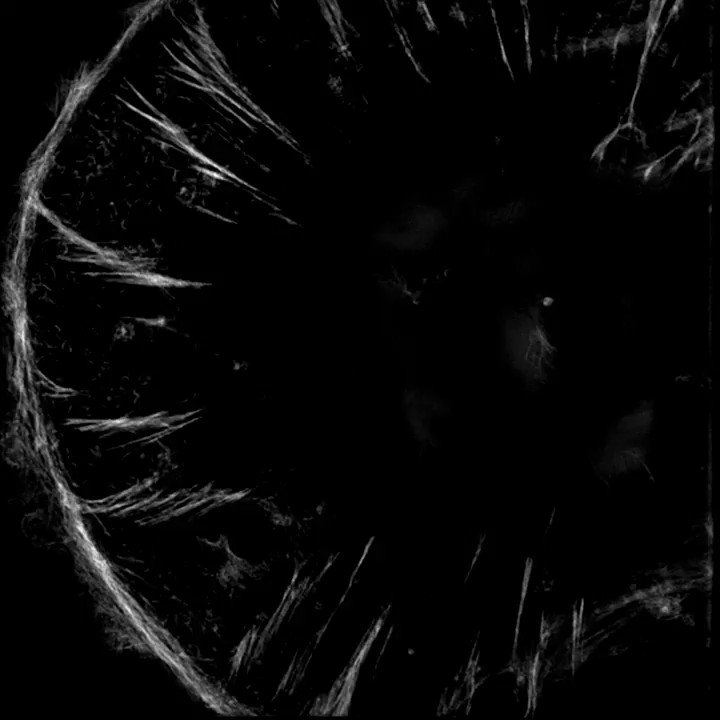
The sarcomeres seemed to be connected to focal adhesions on the bottom of the cell by thin actin bundles that resembled the dorsal stress fibers (DSF) commonly found in non-muscle cells. This movie steps through a Z stack of a myocyte starting at the bottom of the cell.
5/13
1/13
A thread based on Figure 1
A mature adult cardiac myocyte is packed with sarcomeres, whose contractile forces are coupled to the extracellular environment. With sarcomeres so close to the plasma membrane, how can we study the nature of this coupling?
2/13
Short answer: find a model system where the sarcomeres are not so close to what the cardiac myocyte is attached to. Enter, iPS cell-derived cardiac myocytes. These are “immature” in culture as they resemble fetal or neonatal cardiac myocytes.
3/13
Our previous work on iPS cardiac myocytes reported that sarcomere containing myofibrils assembled on the top surface of the myocyte.
https://t.co/xIBCu3hG1W
4/13
The sarcomeres seemed to be connected to focal adhesions on the bottom of the cell by thin actin bundles that resembled the dorsal stress fibers (DSF) commonly found in non-muscle cells. This movie steps through a Z stack of a myocyte starting at the bottom of the cell.
5/13

You May Also Like




H was always unseen in S2NL :)
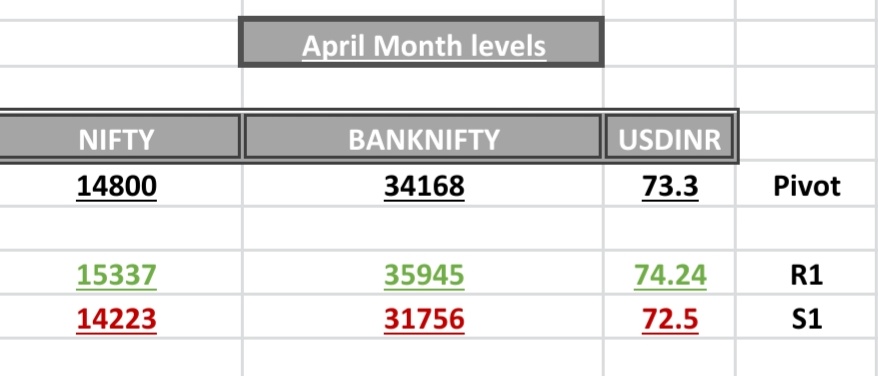
Those who exited at 1500 needed money. They can always come back near 969. Those who exited at 230 also needed money. They can come back near 95.
Those who sold L @ 660 can always come back at 360. Those who sold S last week can be back @ 301
Those who exited at 1500 needed money. They can always come back near 969. Those who exited at 230 also needed money. They can come back near 95.
Those who sold L @ 660 can always come back at 360. Those who sold S last week can be back @ 301
Sir, Log yahan.. 13 days patience nhi rakh sakte aur aap 2013 ki baat kar rahe ho. Even Aap Ready made portfolio banakar bhi de do to bhi wo 1 month me hi EXIT kar denge \U0001f602
— BhavinKhengarSuratGujarat (@IntradayWithBRK) September 19, 2021
Neuland 2700 se 1500 & Sequent 330 to 230 kya huwa.. 99% retailers/investors twitter par charcha n EXIT\U0001f602



Great article from @AsheSchow. I lived thru the 'Satanic Panic' of the 1980's/early 1990's asking myself "Has eveyrbody lost their GODDAMN MINDS?!"
The 3 big things that made the 1980's/early 1990's surreal for me.
1) Satanic Panic - satanism in the day cares ahhhh!
2) "Repressed memory" syndrome
3) Facilitated Communication [FC]
All 3 led to massive abuse.
"Therapists" -and I use the term to describe these quacks loosely - would hypnotize people & convince they they were 'reliving' past memories of Mom & Dad killing babies in Satanic rituals in the basement while they were growing up.
Other 'therapists' would badger kids until they invented stories about watching alligators eat babies dropped into a lake from a hot air balloon. Kids would deny anything happened for hours until the therapist 'broke through' and 'found' the 'truth'.
FC was a movement that started with the claim severely handicapped individuals were able to 'type' legible sentences & communicate if a 'helper' guided their hands over a keyboard.
For three years I have wanted to write an article on moral panics. I have collected anecdotes and similarities between today\u2019s moral panic and those of the past - particularly the Satanic Panic of the 80s.
— Ashe Schow (@AsheSchow) September 29, 2018
This is my finished product: https://t.co/otcM1uuUDk
The 3 big things that made the 1980's/early 1990's surreal for me.
1) Satanic Panic - satanism in the day cares ahhhh!
2) "Repressed memory" syndrome
3) Facilitated Communication [FC]
All 3 led to massive abuse.
"Therapists" -and I use the term to describe these quacks loosely - would hypnotize people & convince they they were 'reliving' past memories of Mom & Dad killing babies in Satanic rituals in the basement while they were growing up.
Other 'therapists' would badger kids until they invented stories about watching alligators eat babies dropped into a lake from a hot air balloon. Kids would deny anything happened for hours until the therapist 'broke through' and 'found' the 'truth'.
FC was a movement that started with the claim severely handicapped individuals were able to 'type' legible sentences & communicate if a 'helper' guided their hands over a keyboard.