1. Red Meat

Red meat is an excellent source of protein that aids in weight gain and muscular development.

It has leucine and creatine, which are substances important for increasing muscle building.

Protein and fat found in steak and other red meats contribute to weight gain.
2. Starchy Foods

Potatoes, sweet potatoes, corn, whole grain bread, oatmeal, whole wheat pasta, and brown rice are high-carbohydrate foods.

Carbohydrates, which have a protein-sparing effect, are essential for muscle growth along with proteins.
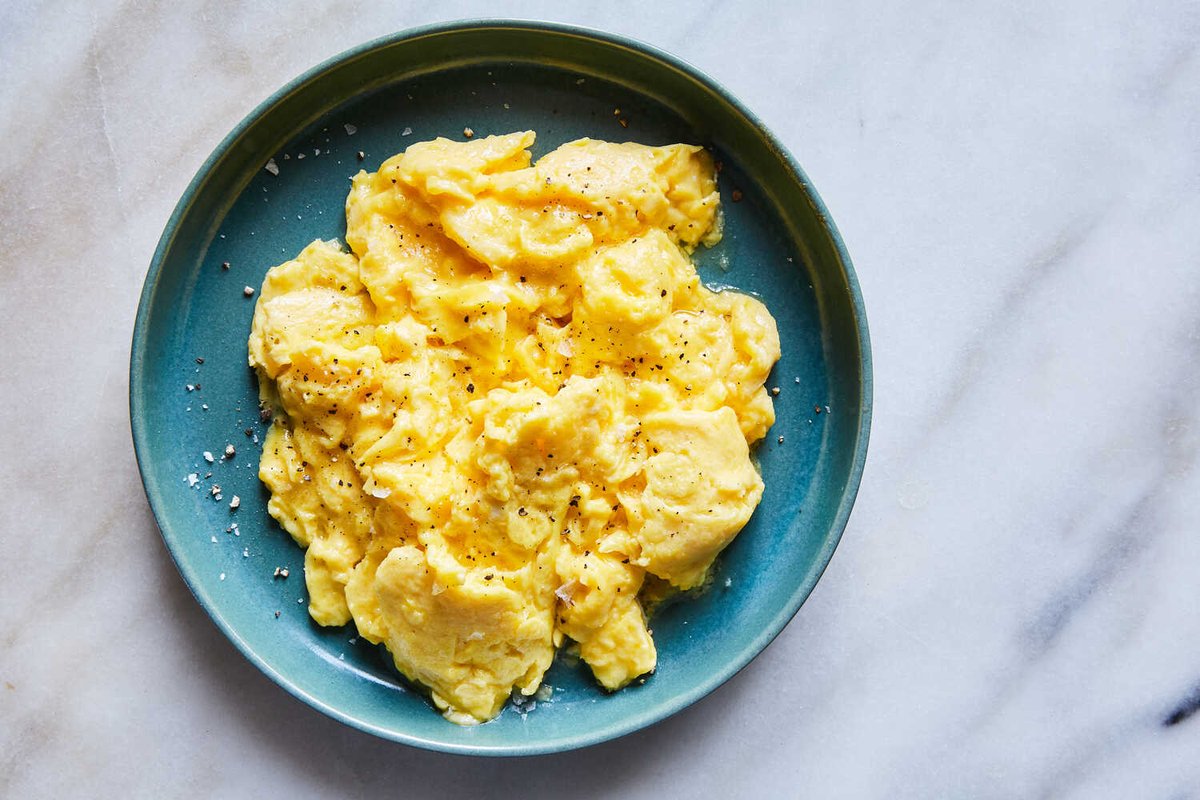
3. Eggs

Eggs are a powerhouse of protein, zinc, vitamins A, D, B 12, phosphorus, and folate.

Egg protein has a high biological value, which makes it the ideal post-workout snack.

There are 90 calories, 6.7 grams of fat, and 6.1 grams of protein in one large scrambled egg.
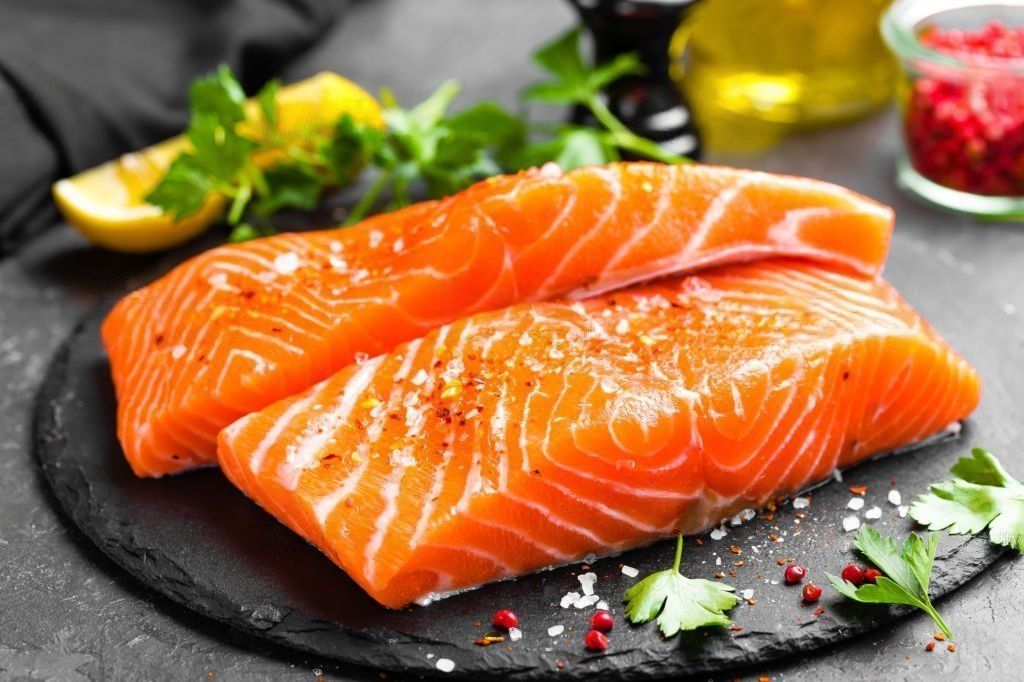
4. Fatty Fish

Essential fatty acids and proteins are abundant in fatty fish like salmon.

They aid in weight gain and immune boosting.

The finest source of omega-3 which is important for weight gain is found in these fish.
5. Dark Chocolate

Dark chocolate boosts cardiovascular health by enhancing blood flow,

preventing the formation of blood clots, and maintaining a healthy lipid profile.

Phenylethylamine, a substance found in dark chocolate, is good for mood and cognitive function.
6. Dried Fruits

Consuming dried fruit can help you gain weight.

This superfood is packed with vitamins, proteins, and several antioxidants.

Dried fruit of every kind has a high sugar content that makes it ideal for weight gain.
7. Avocados

Avocados are a great source of fiber, vitamins, antioxidants, and lipids.

Avocados are a great addition to sandwiches and other meals that are necessary for gaining weight.
8. Milk

Due to its abundance of all nutrients, our bodies require, milk is a complete food.

It contains a lot of vitamins, minerals, proteins, calcium, carbohydrates, and lipids.

Casein and whey proteins, it is a first-rate source of protein.
Summary:

Eating regularly more calories than you burn off through activity is the key to weight gain.

The increased calories from foods and high-calorie snacks should be used to create muscle rather than just fat,

thus lifting weights is crucial as well.
If you are struggling with discipline,

Get "Iron Clad Discipline":

- Get in incredible shape
- Quit smoking effortlessly
- Score a stunning girlfriend
- Spend less time in front of screens
- Become A High-Value Man
- Take Control Of Your Life

Grab it:
https://t.co/SSzluhUXIU
Consider joining my free Telegram channel:
https://t.co/v3D2dhtNkp
If this thread was able to add 1% value to your life:

- Please follow @theconquermm &
- Retweet the first tweet of this thread

I created this account to help you:

• Become your best self
• Conquer your mind
• Build a legacy

Thanks for reading :)
https://t.co/X3NxclPs3v

More from Health

Public Health Scholarships

This may help for those considering MS/PhD in Public Health

1. The Erasmus Mundus Joint Master Degree in Public Health in Disasters
https://t.co/1Z5qpstsSu

2. Afya Bora Global Health

3. Carl Duisberg Scholarships

https://t.co/HnNXdbWBxy

4. Commonwealth Scholarships for Developing Countries

https://t.co/3fWGf5b2OH

5. Fellowships in Public Health & Tropical

6. Fellowships to Promote Mental Health Journalism

https://t.co/MVV9PFsBJ1

7. 2021-22 Jeroen Ensink Memorial Fund

8. Paul S. Lietman Global Travel Grant for Residents & Fellows

https://t.co/qK76R495QT

9. Global Health Internships and Funding

https://t.co/FD9Gh2wXvO

10. Kofi Annan Global Health Leadership

11. MA in European Public Health

https://t.co/5x0Vr7b1j8

12. MSc in Public Health Scholarships - Maastricht University,
I applaud the #EUCancerPlan *BUT* caution: putting #meat 🥩 (a nourishing, evolutionary food) in the same box as 🚬 to solve a contemporary health challenge, would be basing policy on assumptions rather than robust data.

#FollowTheScience yes, but not just part of it!
THREAD👇


1/ Granted, some studies have pointed to ASSOCIATIONS of HIGH intake of red & processed meats with (slightly!) increased colorectal cancer incidence. Also, @WHO/IARC is often mentioned in support (usually hyperbolically so).

But, let’s have a closer look at all this! 🔍


2/ First, meat being “associated” with cancer is very different from stating that meat CAUSES cancer.

Unwarranted use of causal language is widespread in nutritional sciences, posing a systemic problem & undermining credibility.

3/ That’s because observational data are CONFOUNDED (even after statistical adjustment).

Healthy user bias is a major problem. Healthy middle classes are TOLD to eat less red meat (due to historical rather than rational reasons, cf link). So, they

4/ What’s captured here is sociology, not physiology.

Health-focused Westerners eat less red meat, whereas those who don’t adhere to dietary advice tend to have unhealthier lifestyles.

That tells us very little about meat AS SUCH being responsible for disease.

You May Also Like

https://t.co/6cRR2B3jBE
Viruses and other pathogens are often studied as stand-alone entities, despite that, in nature, they mostly live in multispecies associations called biofilms—both externally and within the host.

https://t.co/FBfXhUrH5d


Microorganisms in biofilms are enclosed by an extracellular matrix that confers protection and improves survival. Previous studies have shown that viruses can secondarily colonize preexisting biofilms, and viral biofilms have also been described.


...we raise the perspective that CoVs can persistently infect bats due to their association with biofilm structures. This phenomenon potentially provides an optimal environment for nonpathogenic & well-adapted viruses to interact with the host, as well as for viral recombination.


Biofilms can also enhance virion viability in extracellular environments, such as on fomites and in aquatic sediments, allowing viral persistence and dissemination.