@allthecitizens examined the NHS contracts Palantir won under Covid19, trying to find out what aspects of our health data this private company has been given access to. But we couldn’t find out - key parts of the contracts are redacted.
At least £25.4m in contracts have been awarded to Palantir from UK Health Services. Their latest (Dec 2020) was worth up to £23m for them to continue deploying their Foundry data management platform within the NHS until 2022.
https://t.co/BsdutBO4oZ
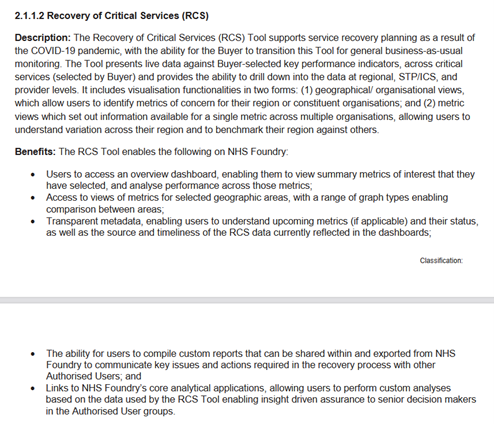
Foundry claims it can ‘source, connect, and transform’ data to ‘make operations analytical and analytics operational.’ It’s a big-data system that, in an NHS context, analyses patient data. More specifically, your data.
https://t.co/4hdjhRdyQI
Palantir won their first NHS contract for just £1, supporting the COVID-19 datastore (Mar-June 2020); then a £1m, 4 month extension for the same work; then £908k for aiding the Test & Trace system (June-Sep 2020).
https://t.co/z4cgp0nY4w
The £1 contract was awarded under the emergency procurement legislation brought in under Covid, circumventing the tender process. Palantir provided 45 engineers, costing c.£88,000. Initially it was meant to be a short term agreement.
https://t.co/zt5sV9TQLW
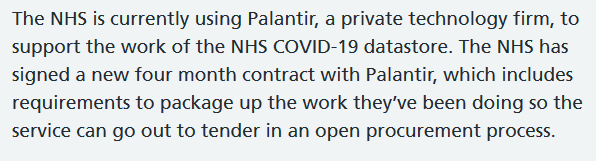
The £1m extension was also not tendered. NHSX even released a statement Palantir would be required to “package up the work they’ve been doing so the service can go out to tender”. That never happened.
https://t.co/9e5V6kqQ8a
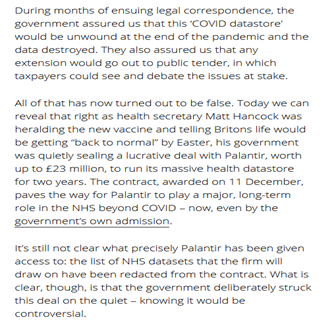
The £23m contract wasn’t tendered either, and despite early assurances Palantir’s involvement with the NHS was only an “emergency” response, it seems a much longer-term relationship between Palantir and UK Health Services is now on the cards.
https://t.co/dtjbxvx5MQ
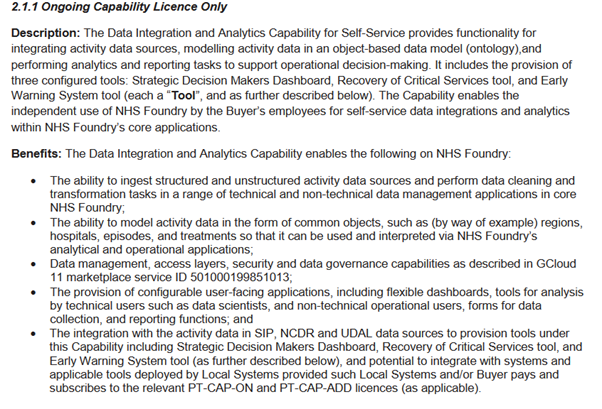
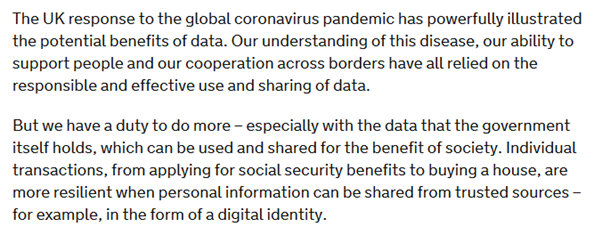
The new contract stipulates the health data gathered by Palantir will extend to Cabinet Office,UK Gov branches, GPs, and local councils - “integrated or collaborating formally with a Local System”. It’s big data across government.
Also, it says some data processes will become “general business-as-usual monitoring” post-pandemic, raising concerns Covid19 is being used as a cover for major data handling changes in government.
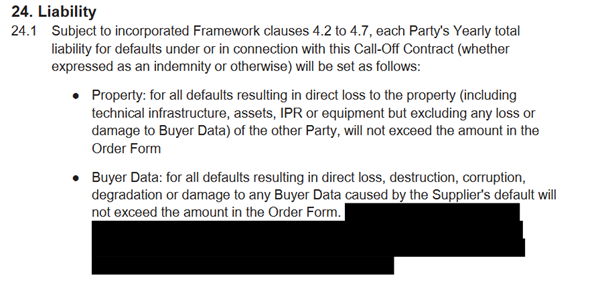
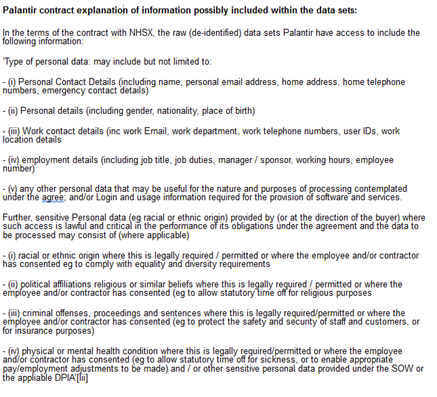
So what health data will Palantir have access to? Well, we don’t know. The details of what data sets Palantir can view were redacted on the contract.
Older contracts issued under emergency procurement rules showed Palantir were given access to patient genders, nationalities, work IDs, religious/political beliefs, physical & mental health conditions and past criminal offences.
Why a private company needs access to patient religious or political beliefs, or past criminal offences, is uncertain. Concerns are that Covid19 provides private companies a chance for major public data grabs - and what then happens to that data is not clear.
Also - is there a danger that, as with the initial £1 NHS deal, Palantir gets entry into the NHS via a ‘loss leader’ of discounted software, before becoming enmeshed deep within the NHS’s patient data systems - indispensable and immovable?
In the US, Palantir primarily works with public bodies.
@wired reported police forces there who bought them in encountered “spiralling prices, hard-to-use software, opaque terms of service, and “failure to deliver products”
https://t.co/Bzs2BPlmUw
Given No.10’s recent plans to introduce a “radical shake-up” of the NHS, should we be concerned about all these medical contracts that have gone to Palantir? After all it is your data that is at stake here.
https://t.co/WLmqacr3EO
UK Government is required under the NHS Act to consult with the public before making major structural changes to the NHS. They have not done so in this case, despite Westminster moving towards mass-data sharing initiatives across government.
https://t.co/HczYNPjPdl
We don’t know what role Palantir software will play in this, or how the privacy of your medical data will be impacted by this new drive for data-lead “innovation” in government. But if contracts are issued in the dark, delayed, or redacted, how are we even to know?