A THREAD: Groups claiming to be “pro-family” (but really supported by billionaires) are mobilizing against Biden’s proposal of $300 monthly checks to children under 6, and $250 checks to older children.#1
Conservative policy-world beginning to mobilize against Biden's proposed expansion of child benefits@AngelaRachidi warns "extending cash benefits to nonworking parents through the tax code has no precedent in our nation," calls for cutting taxes insteadhttps://t.co/YCargBOEsj
— Jeff Stein (@JStein_WaPo) January 28, 2021
More from Finance


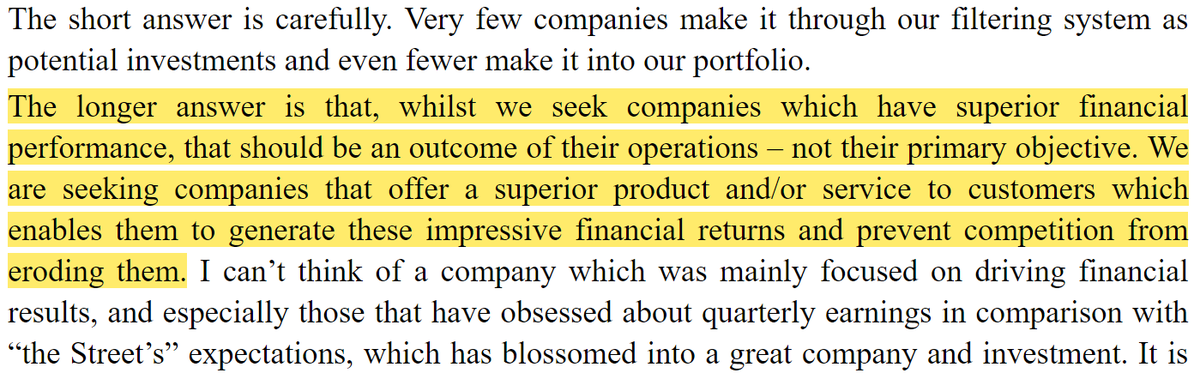



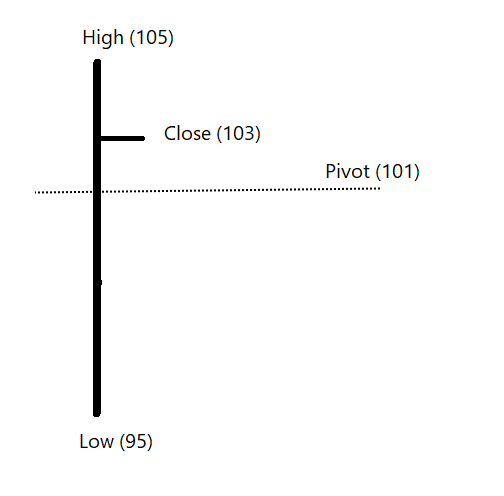
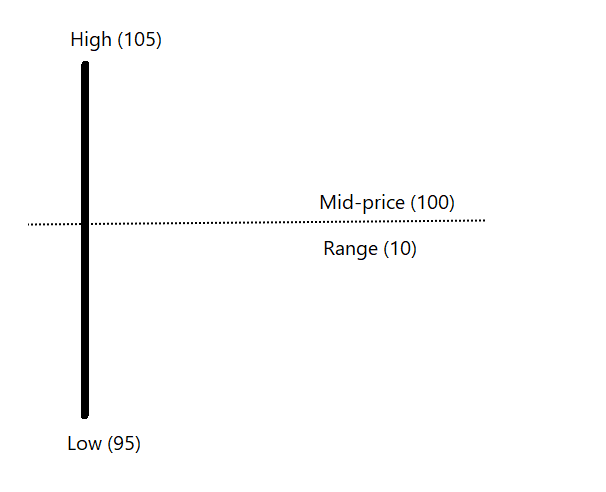
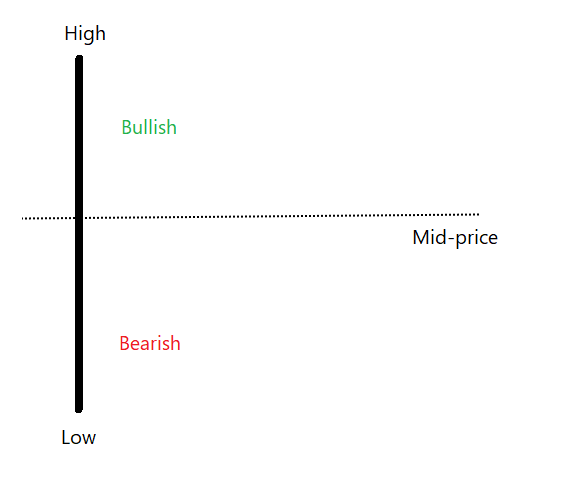
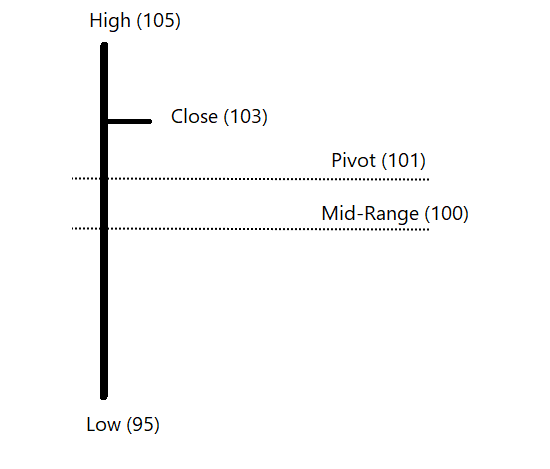


Two year back thread on MFI, someone liked this so came up in notifications . Rather than running around 100s of indicators, I have made this my go to indicator under any circumstances and have been using this for years
This thread actually had some great answers , one can learn a lot about the thought processes of different traders from the answers. Please go thru them
What do you think/use as the most robust leading indicator if following technical analysis ? Please answer with reason , I will provide my answer after 2 hours
— Subhadip Nandy (@SubhadipNandy16) August 12, 2019
( At Delhi airport , bored as hell )
This thread actually had some great answers , one can learn a lot about the thought processes of different traders from the answers. Please go thru them