Right - your three-minute warning. Just enough time to grab a cuppa' and get comfortable before @GavinWilliamson makes his announcement on replacing GCSE and A-level exams this year
We're all ready for @GavinWilliamson's statement (due at 1pm but the PM is running late a little bit). We'll be tweeting updates. Here's a taster of what's potentially on the menu ... https://t.co/Et78NTDQGq
— Schools Week (@SchoolsWeek) January 6, 2021
Ofsted will inspect schools where it has concerns
However details will need to be 'fine tuned'.
Williamson adds: 'Testing is going to be the centre of our plan to return schools back to the classroom as soon as possible'
And that's that (well, on to Qs now)
She says she wanted exams to go ahead, but said a Plan B had to be in place.
Also 'failed to show leadership' on BTECs - leaving it up to schools
Ofqual will launch a "detailed" consultation on the plans next week. It will run for two weeks.
More from Education

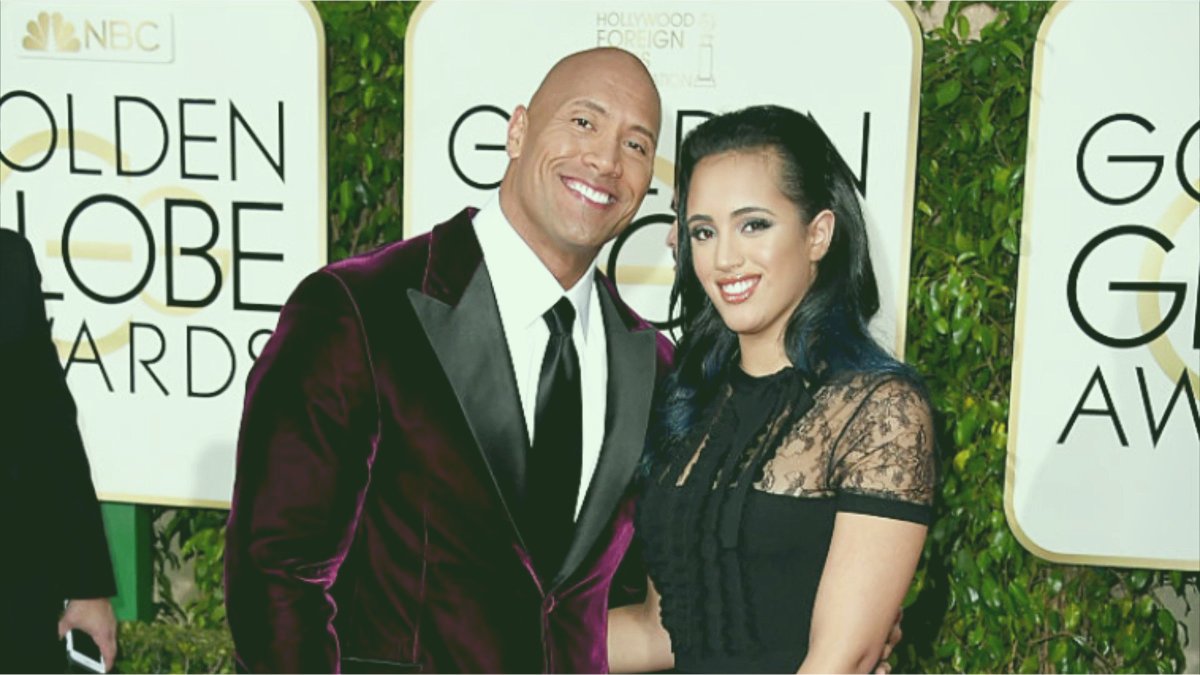
Trending news of The Rock's daughter Simone Johnson's announcing her new Stage Name is breaking our Versus tool because "Wrestling Name" isn't in our database!
Here's the most useful #Factualist comparison pages #Thread 🧵
What is the difference between “pseudonym” and “stage name?”
Pseudonym means “a fictitious name (more literally, a false name), as those used by writers and movie stars,” while stage name is “the pseudonym of an entertainer.”
https://t.co/hT5XPkTepy #english #wiki #wikidiff
People also found this comparison helpful:
Alias #versus Stage Name: What’s the difference?
Alias means “another name; an assumed name,” while stage name means “the pseudonym of an entertainer.”
https://t.co/Kf7uVKekMd #Etymology #words
Another common #question:
What is the difference between “alias” and “pseudonym?”
As nouns alias means “another name; an assumed name,” while pseudonym means “a fictitious name (more literally, a false name), as those used by writers and movie
Here is a very basic #comparison: "Name versus Stage Name"
As #nouns, the difference is that name means “any nounal word or phrase which indicates a particular person, place, class, or thing,” but stage name means “the pseudonym of an
Here's the most useful #Factualist comparison pages #Thread 🧵
What is the difference between “pseudonym” and “stage name?”
Pseudonym means “a fictitious name (more literally, a false name), as those used by writers and movie stars,” while stage name is “the pseudonym of an entertainer.”
https://t.co/hT5XPkTepy #english #wiki #wikidiff
People also found this comparison helpful:
Alias #versus Stage Name: What’s the difference?
Alias means “another name; an assumed name,” while stage name means “the pseudonym of an entertainer.”
https://t.co/Kf7uVKekMd #Etymology #words
Another common #question:
What is the difference between “alias” and “pseudonym?”
As nouns alias means “another name; an assumed name,” while pseudonym means “a fictitious name (more literally, a false name), as those used by writers and movie
Here is a very basic #comparison: "Name versus Stage Name"
As #nouns, the difference is that name means “any nounal word or phrase which indicates a particular person, place, class, or thing,” but stage name means “the pseudonym of an

Our top 15 tweets
A #prodmgmt thread 👇
https://t.co/Yv854Sd3P3
https://t.co/sXaMH1bZ9m
https://t.co/5X7bOTsS7m
https://t.co/w1y6LTtPS2
A #prodmgmt thread 👇
https://t.co/Yv854Sd3P3
Sum up Product Management in 4 words or less. \U0001f609
— Product School (@productschool) April 10, 2020
https://t.co/sXaMH1bZ9m
\u201cWithout data, you\u2019re just another person with an opinion.\u201d
— Product School (@productschool) July 22, 2020
-W. Edwards Deming
https://t.co/5X7bOTsS7m
MVP (Minimum Viable Product) or MLP (Minimum Lovable Product)? \u2764\ufe0f
— Product School (@productschool) July 6, 2020
https://t.co/w1y6LTtPS2
UI/UX are not just add-ons for a product. They\u2019re critical elements that need care, research, and a Product Manager\u2019s full attention.
— Product School (@productschool) July 12, 2020

OK I am going to be tackling this as surveillance/open source intel gathering exercise, because that is my background. I blew away 3 years of my life doing site acquisition/reconnaissance for a certain industry that shall remain unnamed and believe there is significant carryover.
This is NOT going to be zillow "here is how to google school districts and find walmart" we are not concerned with this malarkey, we are homeschooling and planting victory gardens and having gigantic happy families.
With that said, for my frog and frog-adjacent bros and sisters:
CHOICE SITES:
Zillow is obvious one, but there are many good sites like Billy Land, Classic Country Land, Landwatch, etc. and many of these specialize in owner financing (more on that later.) Do NOT treat these as authoritative sources - trust plat maps and parcel viewers.
TARGET IDENTIFICATION AND EVALUATION:
Okay, everyone knows how to google "raw land in x state" but there are other resources out there, including state Departments of Natural Resources, foreclosure auctions, etc. Finding the land you like is the easy part. Let's do a case study.
I'm going to target using an "off-grid but not" algorithm. This is a good piece in my book - middle of nowhere but still trekkable to civilization.
Note: visible power, power/fiber pedestal, utility corridor, nearby commercial enterprise(s), and utility pole shadows visible.
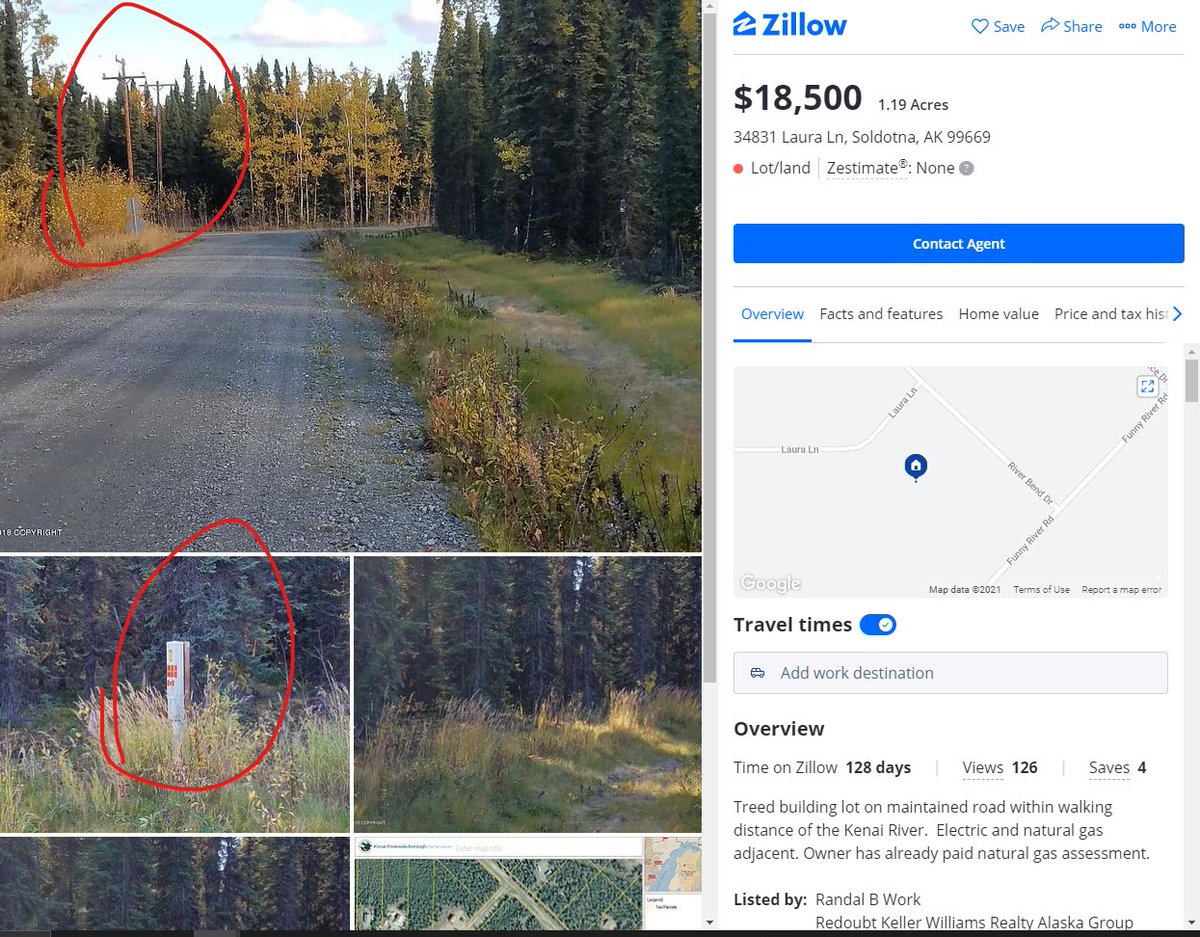
If I did thred on finding/acquiring decent raw land would that be something pepo are interested in
— Ovcharka (@ouroboros_outis) January 18, 2021
I think I know a bunch of weird tips/tricks for selection at this point that it might help u guys, lemme know
This is NOT going to be zillow "here is how to google school districts and find walmart" we are not concerned with this malarkey, we are homeschooling and planting victory gardens and having gigantic happy families.
With that said, for my frog and frog-adjacent bros and sisters:
CHOICE SITES:
Zillow is obvious one, but there are many good sites like Billy Land, Classic Country Land, Landwatch, etc. and many of these specialize in owner financing (more on that later.) Do NOT treat these as authoritative sources - trust plat maps and parcel viewers.
TARGET IDENTIFICATION AND EVALUATION:
Okay, everyone knows how to google "raw land in x state" but there are other resources out there, including state Departments of Natural Resources, foreclosure auctions, etc. Finding the land you like is the easy part. Let's do a case study.
I'm going to target using an "off-grid but not" algorithm. This is a good piece in my book - middle of nowhere but still trekkable to civilization.
Note: visible power, power/fiber pedestal, utility corridor, nearby commercial enterprise(s), and utility pole shadows visible.