
So, I know it's the weekend but if I don't say all this I may burst.
A thread for those who think school days should be extended and holidays shortened to make up for 'lost learning'.
More from Education


Normally I enjoy the high standards of journalism in @guardian . Not today as disappointed with misleading headline that suggest infections are spreading fastest in children. It'll worry parents/teachers & I doubt most readers will unpick the
The latest REACT1 report shows prevalence of infection in ALL age groups has fallen, including children aged 5-12 from 1.59% in Round 8 to 0.86% in Round 9a. The authors of REACT1 report also (wisely) didn't try to interpret the prevalence figures.
If this were a research trial you wouldn't place much weight on the age differences in % prevalence because of the wide confidence intervals, i.e. differences weren't statistically significant.
3/
I've previously tweeted on the challenges (& dangers) of interpreting surveillance data. One would need lots more contextual info to make sense of it & arrive at sound
Undoubtedly some will extrapolate from the prevalence of infection figures in children to other settings i.e. schools based on the headline. I'd advise caution as there is a real risk of over-interpretation through extrapolation of limited data. Association is not causation.
5/
The latest REACT1 report shows prevalence of infection in ALL age groups has fallen, including children aged 5-12 from 1.59% in Round 8 to 0.86% in Round 9a. The authors of REACT1 report also (wisely) didn't try to interpret the prevalence figures.
If this were a research trial you wouldn't place much weight on the age differences in % prevalence because of the wide confidence intervals, i.e. differences weren't statistically significant.
3/
I've previously tweeted on the challenges (& dangers) of interpreting surveillance data. One would need lots more contextual info to make sense of it & arrive at sound
Misinterpretation of surveillance data is a serious issue. Surveillance data needs to come with a warning label - Open to biases - interpret with caution! Some may not realize that surveillance often does not measure all infection, it's a proxy for actual disease incidence.
— Andrew Lee (@andrewleedr) February 14, 2021
1/
Undoubtedly some will extrapolate from the prevalence of infection figures in children to other settings i.e. schools based on the headline. I'd advise caution as there is a real risk of over-interpretation through extrapolation of limited data. Association is not causation.
5/

Admission and Scholarship in Germany (Part A)
As promised, let's start the year by discussing Germany.
Tag your friends, take fruit juice and unwind this thread🧵:
In Part A, I will discuss what you need to know about Admission and Scholarship in Germany, In Part B, I will show you how to practically apply and get funding.
Read the following general facts about Germany:
1. About 80-90% of the Universities are tuition-free.
However, in some states, you may be asked to pay about 1000-3000 Euros/semester, which covers student union fees and travel tickets around the state for a semester.
2. Most Msc students don't search for scholarships. Instead, they look for a block account of about 10, 000
Euros.
Read: https://t.co/sg9sZomuxA.
3. From the block account, the Govt pays you about 850 Euros monthly for Living expenses.
Check:
4. If you can find a way to get the block account, you have the chance of recouping your money back and much more because student job is around 1000 Euros/month, and it's about 20-40hrs /week.
Read:
As promised, let's start the year by discussing Germany.
Tag your friends, take fruit juice and unwind this thread🧵:
In Part A, I will discuss what you need to know about Admission and Scholarship in Germany, In Part B, I will show you how to practically apply and get funding.
Read the following general facts about Germany:
1. About 80-90% of the Universities are tuition-free.
However, in some states, you may be asked to pay about 1000-3000 Euros/semester, which covers student union fees and travel tickets around the state for a semester.
2. Most Msc students don't search for scholarships. Instead, they look for a block account of about 10, 000
Euros.
Read: https://t.co/sg9sZomuxA.
3. From the block account, the Govt pays you about 850 Euros monthly for Living expenses.
Check:
4. If you can find a way to get the block account, you have the chance of recouping your money back and much more because student job is around 1000 Euros/month, and it's about 20-40hrs /week.
Read:


You May Also Like











Tip from the Monkey
Pangolins, September 2019 and PLA are the key to this mystery
Stay Tuned!
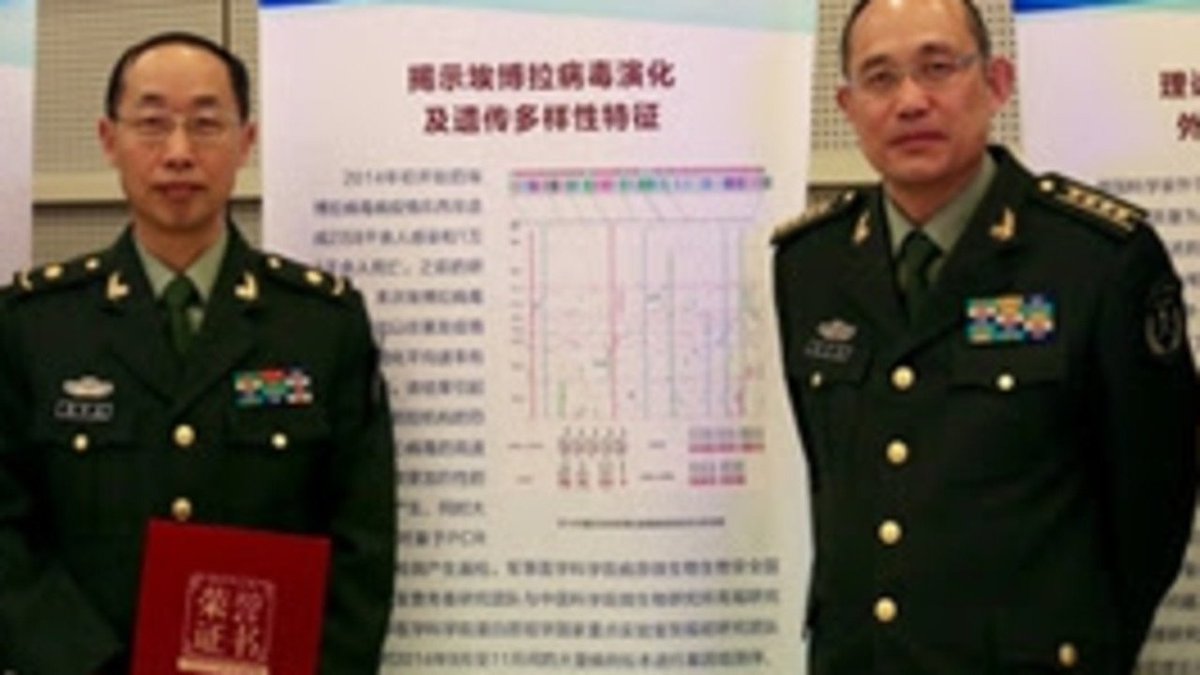
1. Yang
2. A jacobin capuchin dangling a flagellin pangolin on a javelin while playing a mandolin and strangling a mannequin on a paladin's palanquin, said Saladin
More to come tomorrow!

3. Yigang Tong
https://t.co/CYtqYorhzH
Archived: https://t.co/ncz5ruwE2W
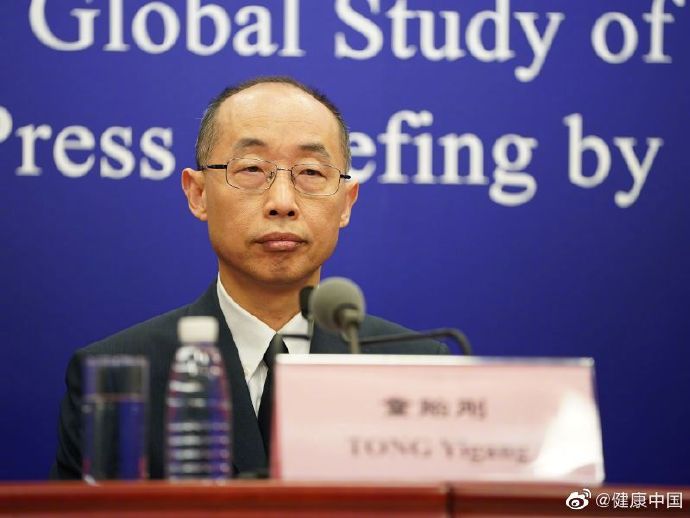
4. YT Interview
Some bats & pangolins carry viruses related with SARS-CoV-2, found in SE Asia and in Yunnan, & the pangolins carrying SARS-CoV-2 related viruses were smuggled from SE Asia, so there is a possibility that SARS-CoV-2 were coming from
Pangolins, September 2019 and PLA are the key to this mystery
Stay Tuned!
1. Yang
Meet Yang Ruifu, CCP's biological weapons expert https://t.co/JjB9TLEO95 via @Gnews202064
— Billy Bostickson \U0001f3f4\U0001f441&\U0001f441 \U0001f193 (@BillyBostickson) October 11, 2020
Interesting expose of China's top bioweapons expert who oversaw fake pangolin research
Paper 1: https://t.co/TrXESKLYmJ
Paper 2:https://t.co/9LSJTNCn3l
Pangolinhttps://t.co/2FUAzWyOcv pic.twitter.com/I2QMXgnkBJ
2. A jacobin capuchin dangling a flagellin pangolin on a javelin while playing a mandolin and strangling a mannequin on a paladin's palanquin, said Saladin
More to come tomorrow!
3. Yigang Tong
https://t.co/CYtqYorhzH
Archived: https://t.co/ncz5ruwE2W
4. YT Interview
Some bats & pangolins carry viruses related with SARS-CoV-2, found in SE Asia and in Yunnan, & the pangolins carrying SARS-CoV-2 related viruses were smuggled from SE Asia, so there is a possibility that SARS-CoV-2 were coming from