I am not an instructional designer, but I have been teaching online internationally for over 10 years (2)
A thread about online teaching and learning (T&L).
@wv012 @Passengercis @thebandb @carelstolker @BieTanjade @C4Innovation @rianneletscher @PietVdBossche @wijmenga_cisca @Pduisenberg @QMProgram #highered #edtech #teaching @threadreader unroll (1)
I am not an instructional designer, but I have been teaching online internationally for over 10 years (2)
UMGC has received numerous awards for its innovations: https://t.co/jd7JkHIK8Q and https://t.co/IPKizZwclA (3)
QM offers membership of a community of practice, numerous free resources, online training, and review/accreditation services https://t.co/ZoFVsgcBC7 (4)
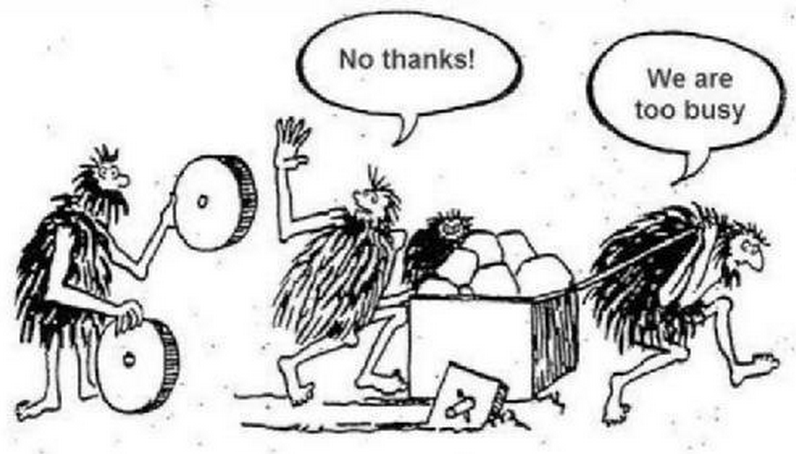
Until recently, a lecture room looked the same as 900 years ago incl. flirting and sleeping (5)

Lecturers who already use problem- or project-based teaching are at an advantage (7)
In his own words: https://t.co/7EjYs9qZ2y (8)
Lecturers can revise their conventional courses in workshops led by your friendly instructional designers. https://t.co/JkZfNW2nsV (9)
Adding classroom-replicating technology usually makes matters worse (11)
Your handful of friendly & helpful instructional designers at our universities, who were sufficient in the past, now can not possibly train faculty at scale within a short period of time (12)
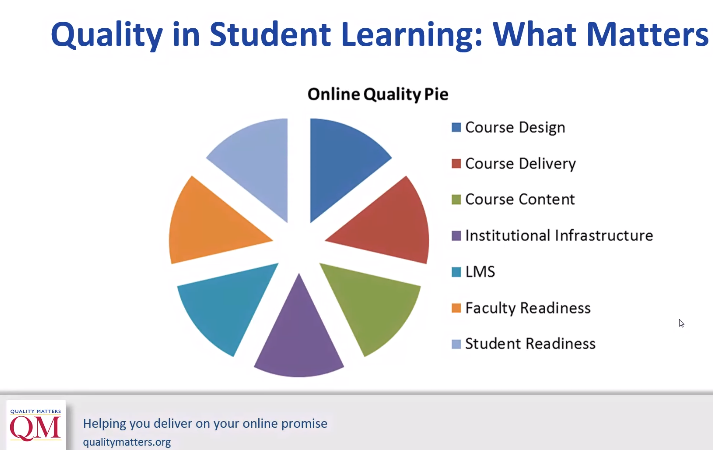
Here is a video overview of the QM standard. https://t.co/1i2s0loEuC, and here a detailed guide https://t.co/SQkVHwjBgp (13)
More from Education

New from me:
I’m launching my Forecasting For SEO course next month.
It’s everything I’ve learned, tried and tested about SEO forecasting.
The course: https://t.co/bovuIns9OZ
Following along 👇
Why forecasting?
Last year I launched https://t.co/I6osuvrGAK to provide reliable forecasts to SEO teams.
It went crazy.
I also noticed an appetite for learning more about forecasting and reached out on Twitter to gauge interest:
The interest encouraged me to make a start...
I’ve also been inspired by what others are doing: @tom_hirst, @dvassallo and @azarchick 👏👏
And their guts to be build so openly in public.
So here goes it...
In the last 2 years I’ve only written 3 blog posts on my site.
- Probabilistic thinking in SEO
- Rethinking technical SEO audits
- How to deliver better SEO strategies.
I only write when I feel like I’ve got something to say.
With forecasting, I’ve got something to say. 💭
There are mixed feelings about forecasting in the SEO industry.
Uncertainty is everywhere. Algorithm updates impacting rankings, economic challenges impacting demand.
It’s difficult. 😩
I’m launching my Forecasting For SEO course next month.
It’s everything I’ve learned, tried and tested about SEO forecasting.
The course: https://t.co/bovuIns9OZ
Following along 👇
Why forecasting?
Last year I launched https://t.co/I6osuvrGAK to provide reliable forecasts to SEO teams.
It went crazy.
I also noticed an appetite for learning more about forecasting and reached out on Twitter to gauge interest:
The interest encouraged me to make a start...
I’ve also been inspired by what others are doing: @tom_hirst, @dvassallo and @azarchick 👏👏
And their guts to be build so openly in public.
So here goes it...
In the last 2 years I’ve only written 3 blog posts on my site.
- Probabilistic thinking in SEO
- Rethinking technical SEO audits
- How to deliver better SEO strategies.
I only write when I feel like I’ve got something to say.
With forecasting, I’ve got something to say. 💭
There are mixed feelings about forecasting in the SEO industry.
Uncertainty is everywhere. Algorithm updates impacting rankings, economic challenges impacting demand.
It’s difficult. 😩


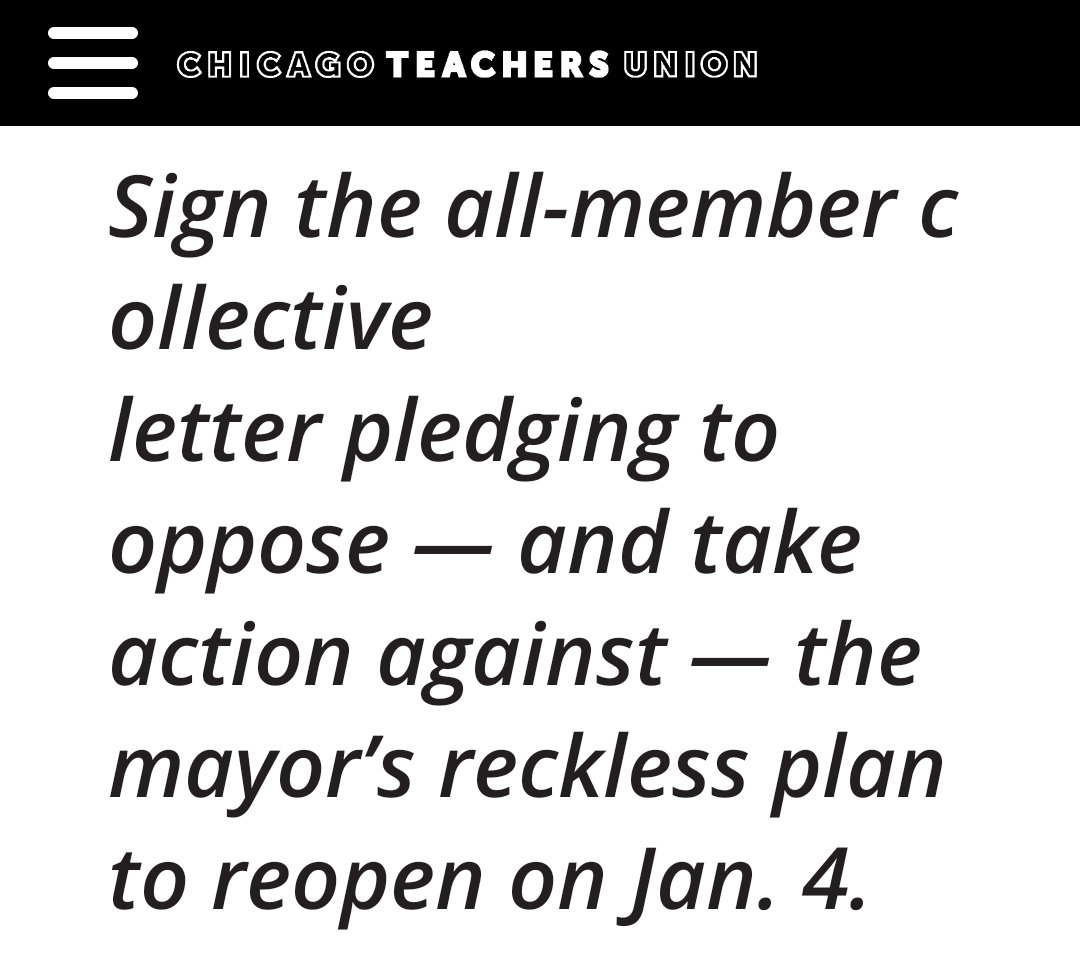
Chicago Public Schools are supposed to open for some special needs and pre-K students Monday
The Chicago Teachers Union is now threatening to refuse to return to work in person.
https://t.co/MgDgNe6REj
Meanwhile
https://t.co/FIij8J3r7z
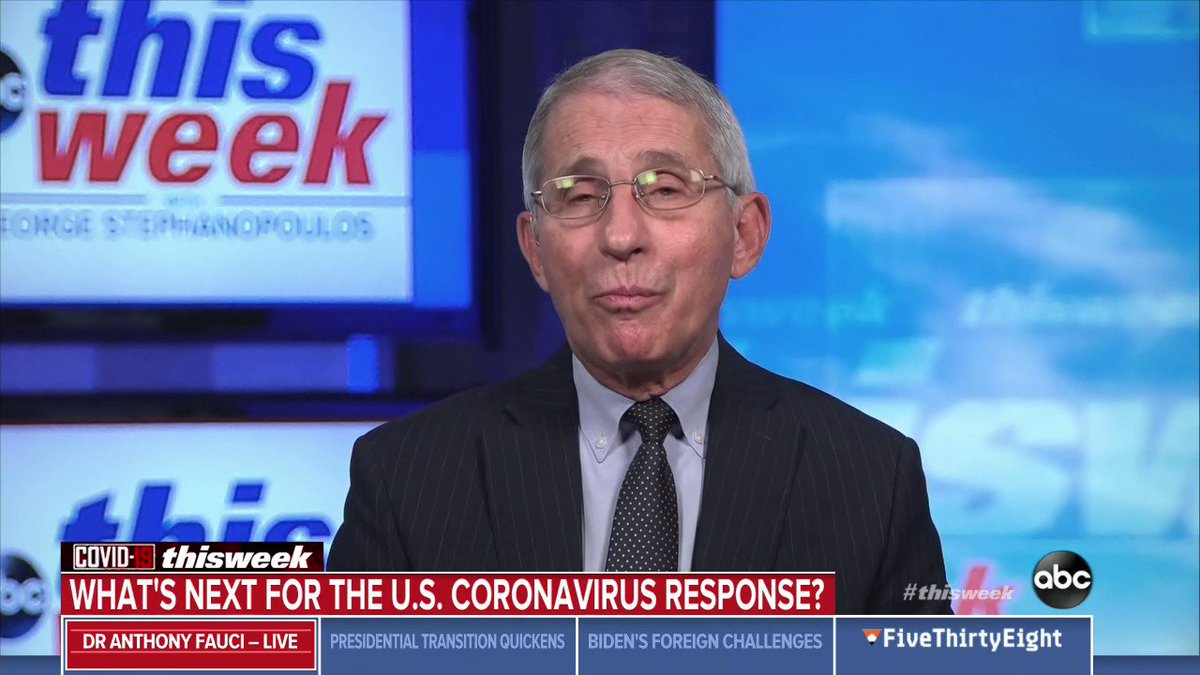
Dr. Fauci: "The default position should be to try as best as possible within reason to keep the children in school or to get them back to school [...] if you look at the data the spread among children and from children is not really big at
UNICEF: "Data from 191 countries shows no consistent link between reopening schools and increased rates of coronavirus
The Chicago Teachers Union is now threatening to refuse to return to work in person.
https://t.co/MgDgNe6REj
Meanwhile
https://t.co/FIij8J3r7z
Dr. Fauci: "The default position should be to try as best as possible within reason to keep the children in school or to get them back to school [...] if you look at the data the spread among children and from children is not really big at
UNICEF: "Data from 191 countries shows no consistent link between reopening schools and increased rates of coronavirus