
I often say to grad students: a reasonable thing to aim for in grad school is ~2-3 essentially complete and posted papers, alongside your JMP. This often looks like your JMP, plus your 2nd-yr paper, a paper from RA'ing for a faculty, or from working with classmates
You get the benefit of your junior's labor :)
Upperclassman: I wonder what a model of X would look like
You (2 days later): Wrote that and solved it, here are some CS
Upperclassman: Wonder what the effect of X on Y is
You: yo, I just pulled ACS data and ran some regressions on it, what to do next
That said I've seen it work: just my personal $0.02
More from Education

The outrage is not that she fit better. The outrage is that she stated very firmly on national television with no caveat, that there are no conditions not improved by exercise. Many people with viral sequelae have been saying for years that exercise has made them more disabled 1/
And the new draft NICE guidelines for ME/CFS which often has a viral onset specifically say that ME/CFS patients shouldn't do graded exercise. Clare is fully aware of this but still made a sweeping and very firm statement that all conditions are improved by exercise. This 2/
was an active dismissal of the lived experience of hundreds of thousands of patients with viral sequelae. Yes, exercise does help so many conditions. Yes, a very small number of people with an ME/CFS diagnosis are helped by exercise. But the vast majority of people with ME, a 3/
a quintessential post-viral condition, are made worse by exercise. Many have been left wheelchair dependent of bedbound by graded exercise therapy when they could walk before. To dismiss the lived experience of these patients with such a sweeping statement is unethical and 4/
unsafe. Clare has every right to her lived experience. But she can't, and you can't justifiably speak out on favour of listening to lived experience but cherry pick the lived experiences you are going to listen to. Why are the lived experiences of most people with ME dismissed?
Why is it such a source of collective outrage that a person with fatigue following a viral illness gets better?https://t.co/5lcwQBPLU5
— Trisha Greenhalgh \U0001f637 #CovidIsAirborne (@trishgreenhalgh) January 30, 2021
And the new draft NICE guidelines for ME/CFS which often has a viral onset specifically say that ME/CFS patients shouldn't do graded exercise. Clare is fully aware of this but still made a sweeping and very firm statement that all conditions are improved by exercise. This 2/
was an active dismissal of the lived experience of hundreds of thousands of patients with viral sequelae. Yes, exercise does help so many conditions. Yes, a very small number of people with an ME/CFS diagnosis are helped by exercise. But the vast majority of people with ME, a 3/
a quintessential post-viral condition, are made worse by exercise. Many have been left wheelchair dependent of bedbound by graded exercise therapy when they could walk before. To dismiss the lived experience of these patients with such a sweeping statement is unethical and 4/
unsafe. Clare has every right to her lived experience. But she can't, and you can't justifiably speak out on favour of listening to lived experience but cherry pick the lived experiences you are going to listen to. Why are the lived experiences of most people with ME dismissed?



It appears to be a combination of some of these factors, along with others not mentioned here. Ibn Khaldun’s analysis appears to be a good foundation to go off. [Thread]
Ibn Khaldun makes an important distinction between what he calls العُمران الحضري and العمران البدوي, which, for convenience’s sake, I’ll translate as urban civilisation and rural/Bedouin lifestyle.
He notes that the rural world is largely nomadic, and, as such, Bedouins build character traits that assist the survivalist lifestyle — e.g. the fact that they have to kill snakes that might pop up at any time during their travels helps them build courage and bravery.
The lack of stability and a proper settlement means they don’t really have the luxury of sitting down to let their minds wonder around. They thus build a preservation mindset, which manifests itself through emphasis on memorisation and transmission.
Inhabitants of urban world, on the other hand, are largely settled and established. This means they face less attacks from snakes, lions or danger of human attack from other tribes. Thus, they don’t build the courage and bravery of the Bedouins.
I am yet to find a fully convincing account of what caused the emergence of the two contrasting schools of Ahl Al-\u1e24ad\u012bth in the \u1e24ij\u0101z and Ahl Al-Ra'\u012b in Al-K\u016bfa.
— Amir Aboguddah \u0623\u0645\u064a\u0631 \u0623\u0628\u0648\u063a\u062f\u0629 (@Amir_Aboguddah) January 20, 2021
My issue with the accounts are as follows:
Ibn Khaldun makes an important distinction between what he calls العُمران الحضري and العمران البدوي, which, for convenience’s sake, I’ll translate as urban civilisation and rural/Bedouin lifestyle.
He notes that the rural world is largely nomadic, and, as such, Bedouins build character traits that assist the survivalist lifestyle — e.g. the fact that they have to kill snakes that might pop up at any time during their travels helps them build courage and bravery.
The lack of stability and a proper settlement means they don’t really have the luxury of sitting down to let their minds wonder around. They thus build a preservation mindset, which manifests itself through emphasis on memorisation and transmission.
Inhabitants of urban world, on the other hand, are largely settled and established. This means they face less attacks from snakes, lions or danger of human attack from other tribes. Thus, they don’t build the courage and bravery of the Bedouins.

Below is a list of awesome courses that dive into all different aspects of visual communication and storytelling.
Visual storytelling is a way for people to communicate their story using visuals and digital media such as video, graphics, and photography.
Visual Storytelling appeals to the emotions of the intended audience and it can humanize the business, giving the target market a way to relate to the business and their story.
1. The Art of Storytelling
2. Visual Thinking: Drawing Data to Communicate Ideas
https://t.co/YPiexr9RYJ
3. Find what fascinates you as you explore these visual storytelling
4. Awesome and affordable online art classes for artists of all skill levels! Take your art to the next level no matter where you are. https://t.co/k7xpp4sR4r
5. Digital Storytelling
6. Visual Storytelling | For Screenwriters & Novelists
https://t.co/FsZ7EFFVzo
7. Learn about storytelling with online courses and
Visual storytelling is a way for people to communicate their story using visuals and digital media such as video, graphics, and photography.
Visual Storytelling appeals to the emotions of the intended audience and it can humanize the business, giving the target market a way to relate to the business and their story.
1. The Art of Storytelling
2. Visual Thinking: Drawing Data to Communicate Ideas
https://t.co/YPiexr9RYJ
3. Find what fascinates you as you explore these visual storytelling
4. Awesome and affordable online art classes for artists of all skill levels! Take your art to the next level no matter where you are. https://t.co/k7xpp4sR4r
5. Digital Storytelling
6. Visual Storytelling | For Screenwriters & Novelists
https://t.co/FsZ7EFFVzo
7. Learn about storytelling with online courses and
You May Also Like







fascinated by this man, mario cortellucci, and his outsized influence on ontario and GTA politics. cortellucci, who lives in vaughan and ran as a far-right candidate for the italian senate back in 2018 - is a major ford donor...
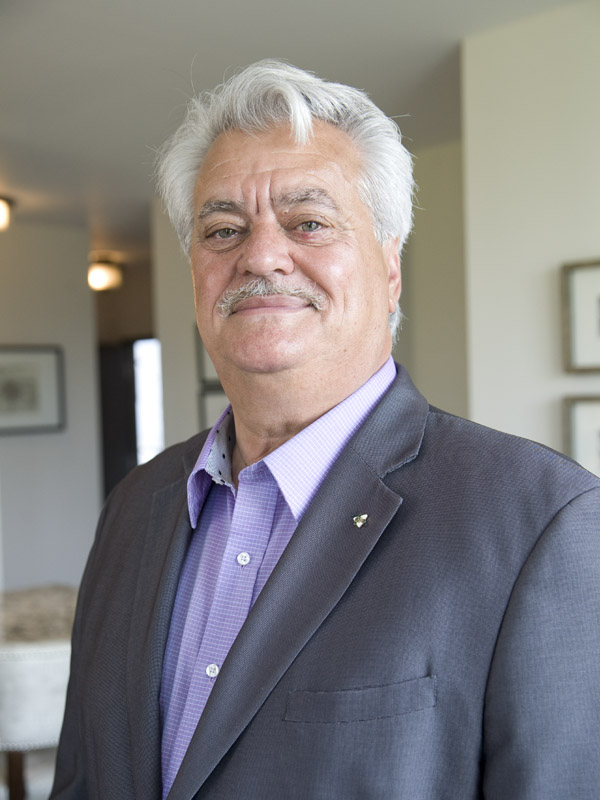
his name might sound familiar because the new cortellucci vaughan hospital at mackenzie health, the one doug ford has been touting lately as a covid-centric facility, is named after him and his family
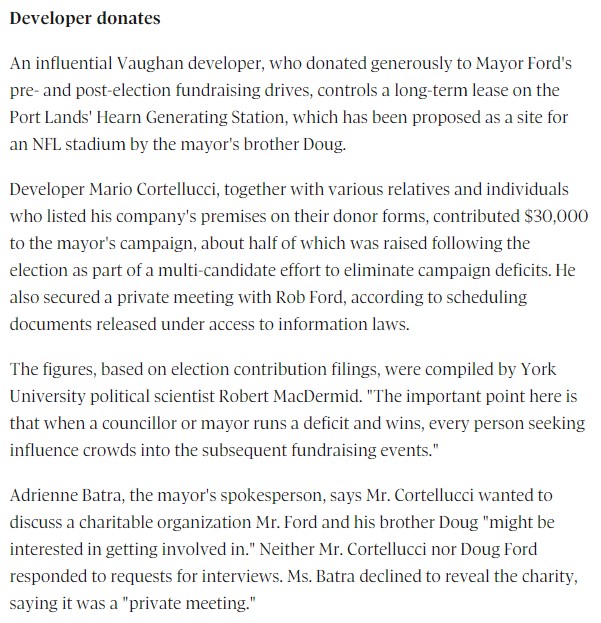
but his name also pops up in a LOT of other ford projects. for instance - he controls the long term lease on big parts of toronto's portlands... where doug ford once proposed building an nfl stadium and monorail... https://t.co/weOMJ51bVF
cortellucci, who is a developer, also owns a large chunk of the greenbelt. doug ford's desire to develop the greenbelt has been
and late last year he rolled back the mandate of conservation authorities there, prompting the resignations of several members of the greenbelt advisory
his name might sound familiar because the new cortellucci vaughan hospital at mackenzie health, the one doug ford has been touting lately as a covid-centric facility, is named after him and his family
but his name also pops up in a LOT of other ford projects. for instance - he controls the long term lease on big parts of toronto's portlands... where doug ford once proposed building an nfl stadium and monorail... https://t.co/weOMJ51bVF
cortellucci, who is a developer, also owns a large chunk of the greenbelt. doug ford's desire to develop the greenbelt has been
and late last year he rolled back the mandate of conservation authorities there, prompting the resignations of several members of the greenbelt advisory