The Copywriter’s Guide to Buyer Persona

•••THREAD•••

1. Define a Background

For this thread we will be selling Mass Gainer protein shakes to college men that want to gain weight.

Go deep and make a full profile up of one of these people.

You want to include:
> age
> job
> what they do in free time
> what they’re feeling
Example:

Brad is a junior in college (21 years old). He does work during the week and parties on the weekends.

He started going to the gym with his friends but isn’t really seeing results. He’s starting to get frustrated and wants to find a cure to his problems.
2. Define Their Goals and Challenges

When you define these things, you can use them in your copy.

Painting your ideal customer’s pain points throughout your copy is important.

You need to show them that they have a problem, and you can solve.
Example:

Brad is fairly skinny and wants to gain weight fast.

He’s tried eating more but can’t eat enough, or maybe he eats the wrong things.

Whatever it might be, it’s not working and he’s getting frustrated.
3. Quotes and Objections

Quotes you can find in the review section of most products. People talk about how they couldn’t do XYZ but can now because of this product.

Objections are what your audience can use as an excuse. There are a lot of basic objections that you can address.
Example:

“I used to not be able to gain weight until I bought {mass gainer}”
“I wasn’t getting enough calories or protein in my diet so I bought {mass gainer}”
Basic Objection List

> I don’t have time
> it’s too expensive
> does it work?
> is there a money back guarantee?
> what’s different from competitors?
> I don’t trust it
> doesn’t seem that important to me
> is it healthy?
> how much should I take?

Brad has all of these and more
4. The Application

Now you need to apply these ideas throughout your copy.

> Write a headline directed at Brad
Ex: “How College Men Are Gaining Weight Fast!”

> Handle objections throughout copy and again in FAQ section
Ex: “To gain weight you only need one protein shake a day!
> Paint their challenges throughout

Ex: “Chances are you’re trying to eat anything and everything right now and not gaining weight. You’re tired of being skinny and want to change that now.”

> Put in quotes from before and after people tried out the product
Most copywriters don’t take the time to do their research.

The content they produce shows just that.

Find their problems and present the solution.

Kill your next sale.

More from Logan | Landing Pages 📚

3.2 billion people use Chrome as their browser…

But no one knows all the best extensions Chrome has to offer.

Here are 13 extensions that you shouldn't live without…

1) ScribeHow

Scribe allows me to record a video going over something and automatically puts it into a step-by-step guide.

Saves me time when:
- teaching clients
- onboarding
- making SOPs

https://t.co/8e8ryT4boP


2) Similar Sites

• find sites that are similar to the one you’re on now
• allows you find better resources
• great for shopping, content, travel, or business and research

https://t.co/IjRvTvhVHX


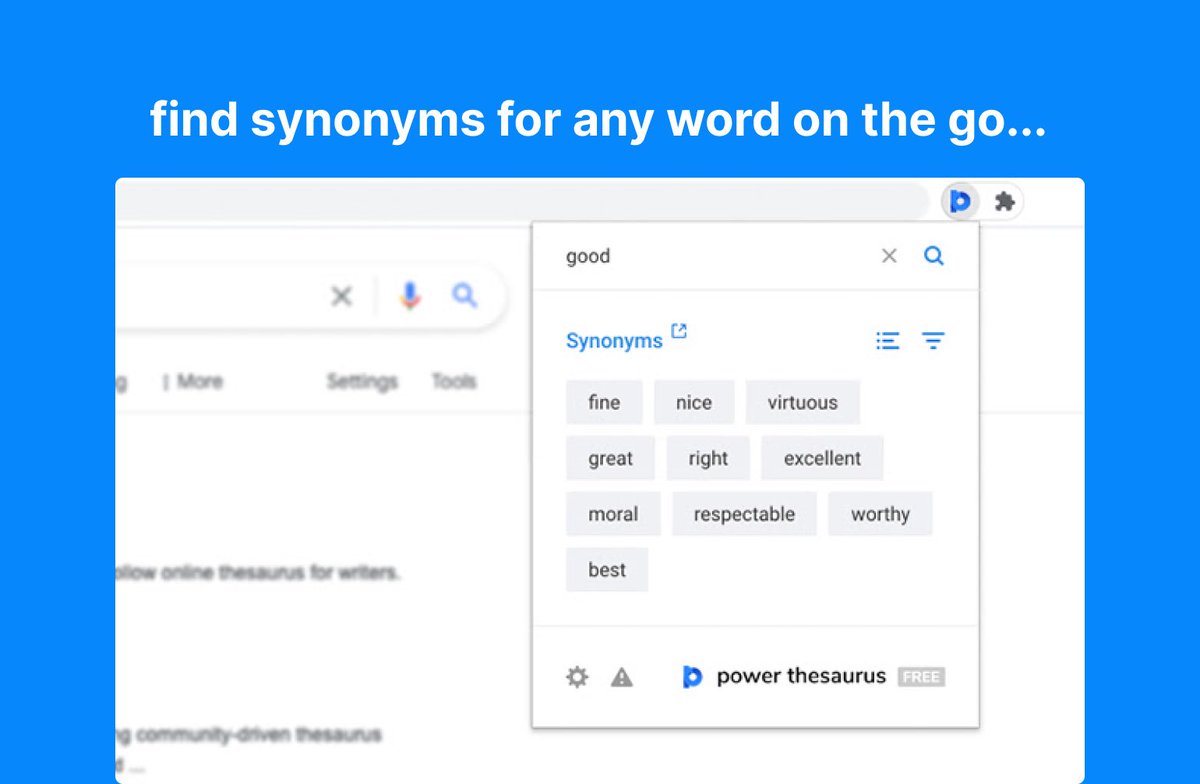
3) Power Thesaurus

• replace powerless language
• find synonyms to words in your copy or writing
• great at finding attention grabbing words for your headline

https://t.co/VAwodh791D


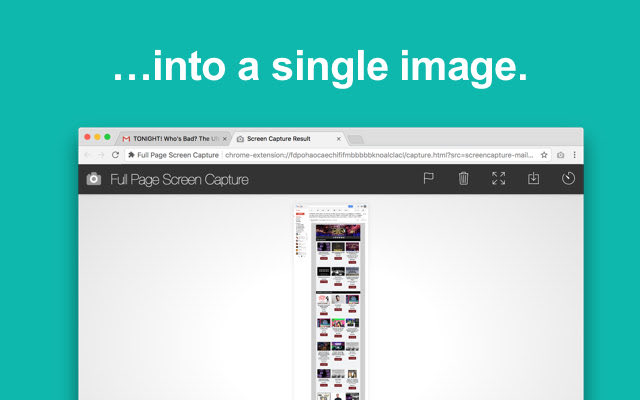
4) GoFullPage

• screenshot full web pages
• PNG, JPEG, or various PDF options to download
• fast and easy to use

https://t.co/IuxMpZqZse

More from Education

Working on a newsletter edition about deliberate practice.

Deliberate practice is crucial if you want to reach expert level in any skill, but what is it, and how can it help you learn more precisely?

A thread based on @augustbradley's conversation with the late Anders Ericsson.

You can find my complete notes from the conversation in my public Roam graph:
https://t.co/Z5bXHsg3oc

The entire conversation is on

The 10,000-hour 'rule' was based on Ericsson's research, but simple practice is not enough for mastery.

We need teachers and coaches to give us feedback on how we're doing to adjust our actions effectively. Technology can help us by providing short feedback loops.

There's purposeful and deliberate practice.

In purposeful practice, you gain breakthroughs by trying out different techniques you find on your own.

In deliberate practice, an expert tells you what to improve on and how to do it, and then you do that (while getting feedback).

It's possible to come to powerful techniques through purposeful practice, but it's always a gamble.

Deliberate practice is possible with a map of the domain and a recommended way to move through it. This makes success more likely.

You May Also Like