
THREAD: Remote Teaching
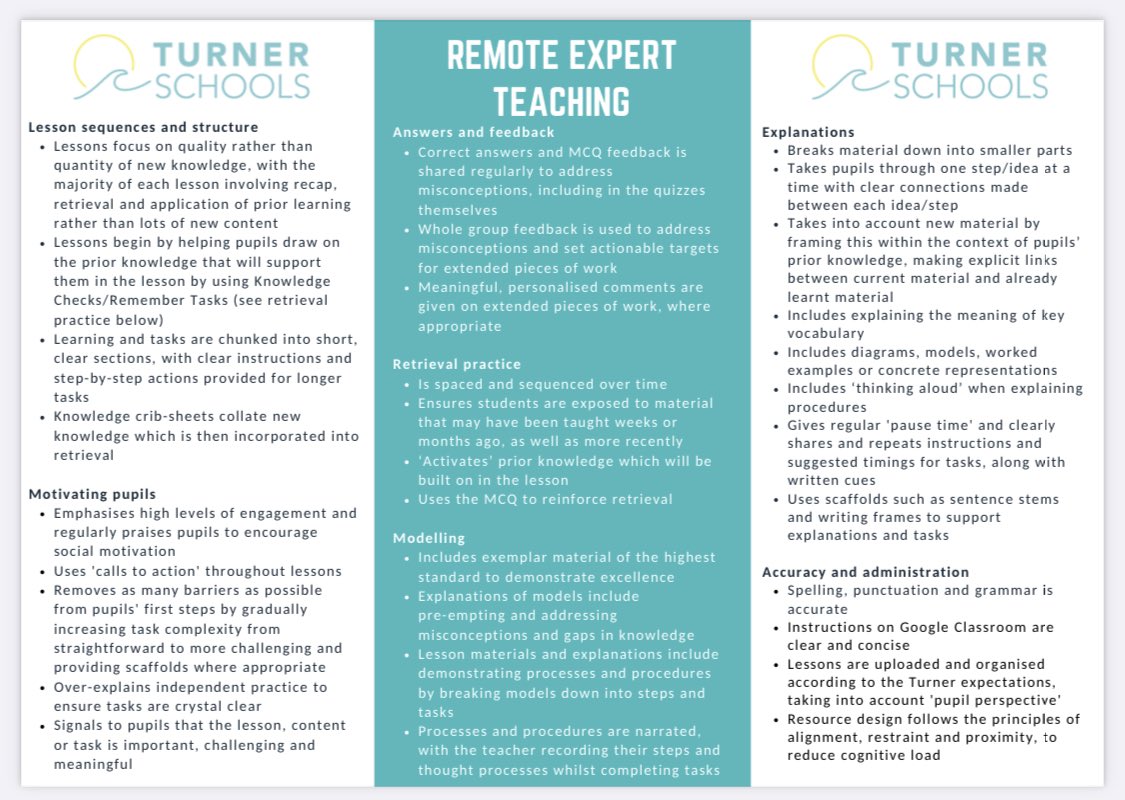
I’ve spoken to a few people recently about our remote teaching approach and thought I’d share some of our ideas here for anyone who many find them useful.
1. We use Google Classroom and post lessons which include videos, Google Forms and any other docs
CPD THREAD: I\u2019ve been talking to a couple of people about how we moved our CPD online and thought I\u2019d share in case it was useful.
— Claire Hill (@Claire_Hill_) July 18, 2020
Our aims:
- Flexible, personalised, high quality CPD
- Support new staff induction
- Complement face-to-face training
First, we built a CPD Portal
More from Education

Working on a newsletter edition about deliberate practice.
Deliberate practice is crucial if you want to reach expert level in any skill, but what is it, and how can it help you learn more precisely?
A thread based on @augustbradley's conversation with the late Anders Ericsson.
You can find my complete notes from the conversation in my public Roam graph:
https://t.co/Z5bXHsg3oc
The entire conversation is on
The 10,000-hour 'rule' was based on Ericsson's research, but simple practice is not enough for mastery.
We need teachers and coaches to give us feedback on how we're doing to adjust our actions effectively. Technology can help us by providing short feedback loops.
There's purposeful and deliberate practice.
In purposeful practice, you gain breakthroughs by trying out different techniques you find on your own.
In deliberate practice, an expert tells you what to improve on and how to do it, and then you do that (while getting feedback).
It's possible to come to powerful techniques through purposeful practice, but it's always a gamble.
Deliberate practice is possible with a map of the domain and a recommended way to move through it. This makes success more likely.
Deliberate practice is crucial if you want to reach expert level in any skill, but what is it, and how can it help you learn more precisely?
A thread based on @augustbradley's conversation with the late Anders Ericsson.
You can find my complete notes from the conversation in my public Roam graph:
https://t.co/Z5bXHsg3oc
The entire conversation is on
The 10,000-hour 'rule' was based on Ericsson's research, but simple practice is not enough for mastery.
We need teachers and coaches to give us feedback on how we're doing to adjust our actions effectively. Technology can help us by providing short feedback loops.
There's purposeful and deliberate practice.
In purposeful practice, you gain breakthroughs by trying out different techniques you find on your own.
In deliberate practice, an expert tells you what to improve on and how to do it, and then you do that (while getting feedback).
It's possible to come to powerful techniques through purposeful practice, but it's always a gamble.
Deliberate practice is possible with a map of the domain and a recommended way to move through it. This makes success more likely.




You May Also Like


1/x Fort Detrick History
Mr. Patrick, one of the chief scientists at the Army Biological Warfare Laboratories at Fort Detrick in Frederick, Md., held five classified US patents for the process of weaponizing anthrax.
2/x
Under Mr. Patrick’s direction, scientists at Fort Detrick developed a tularemia agent that, if disseminated by airplane, could cause casualties & sickness over 1000s mi². In a 10,000 mi² range, it had 90% casualty rate & 50% fatality rate
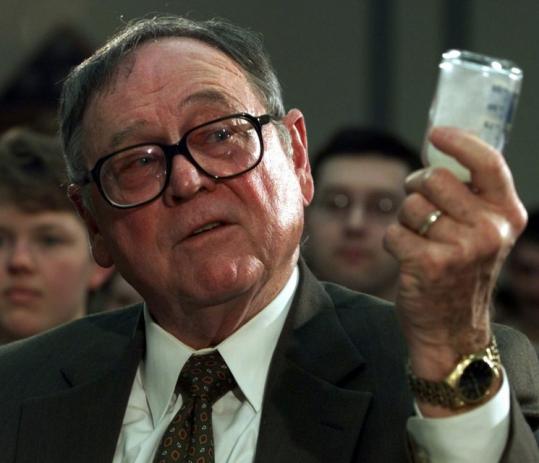
3/x His team explored Q fever, plague, & Venezuelan equine encephalitis, testing more than 20 anthrax strains to discern most lethal variety. Fort Detrick scientists used aerosol spray systems inside fountain pens, walking sticks, light bulbs, & even in 1953 Mercury exhaust pipes

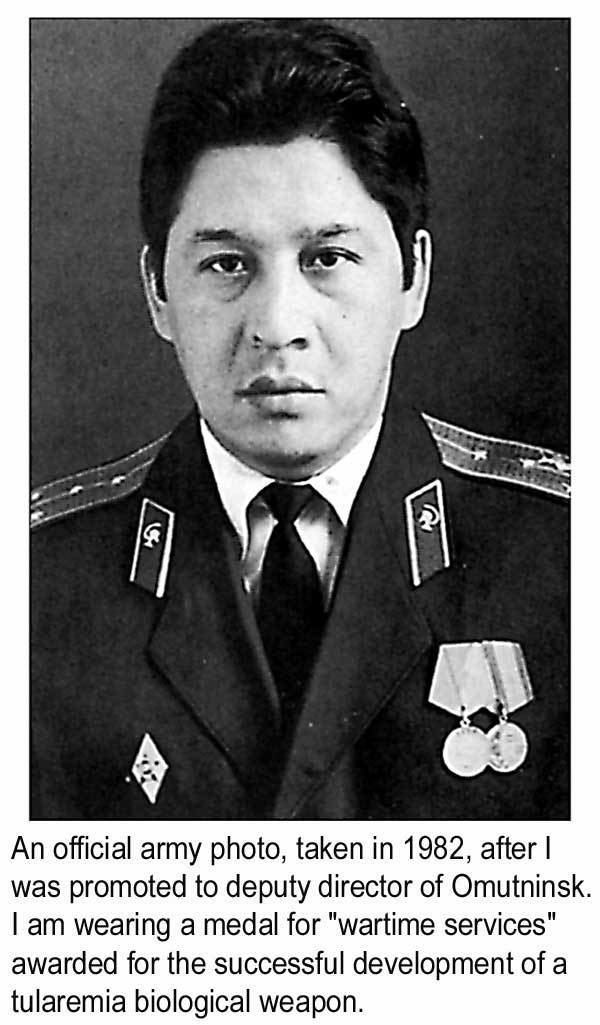
4/x After retiring in 1986, Mr. Patrick remained one of the world’s foremost specialists on biological warfare & was a consultant to the CIA, FBI, & US military. He debriefed Soviet defector Ken Alibek, the deputy chief of the Soviet biowarfare program
https://t.co/sHqSaTSqtB
5/x Back in Time
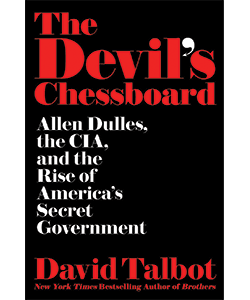
In 1949 the Army created a small team of chemists at "Camp Detrick" called Special Operations Division. Its assignment was to find military uses for toxic bacteria. The coercive use of toxins was a new field, which fascinated Allen Dulles, later head of the CIA
Mr. Patrick, one of the chief scientists at the Army Biological Warfare Laboratories at Fort Detrick in Frederick, Md., held five classified US patents for the process of weaponizing anthrax.
2/x
Under Mr. Patrick’s direction, scientists at Fort Detrick developed a tularemia agent that, if disseminated by airplane, could cause casualties & sickness over 1000s mi². In a 10,000 mi² range, it had 90% casualty rate & 50% fatality rate
3/x His team explored Q fever, plague, & Venezuelan equine encephalitis, testing more than 20 anthrax strains to discern most lethal variety. Fort Detrick scientists used aerosol spray systems inside fountain pens, walking sticks, light bulbs, & even in 1953 Mercury exhaust pipes
4/x After retiring in 1986, Mr. Patrick remained one of the world’s foremost specialists on biological warfare & was a consultant to the CIA, FBI, & US military. He debriefed Soviet defector Ken Alibek, the deputy chief of the Soviet biowarfare program
https://t.co/sHqSaTSqtB
5/x Back in Time
In 1949 the Army created a small team of chemists at "Camp Detrick" called Special Operations Division. Its assignment was to find military uses for toxic bacteria. The coercive use of toxins was a new field, which fascinated Allen Dulles, later head of the CIA


