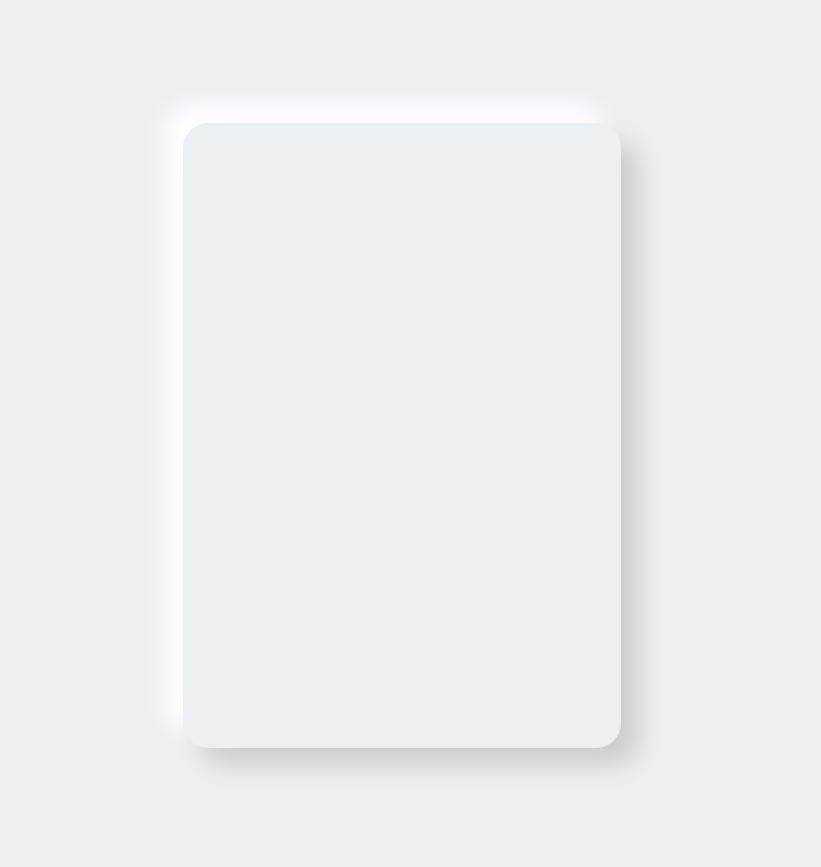
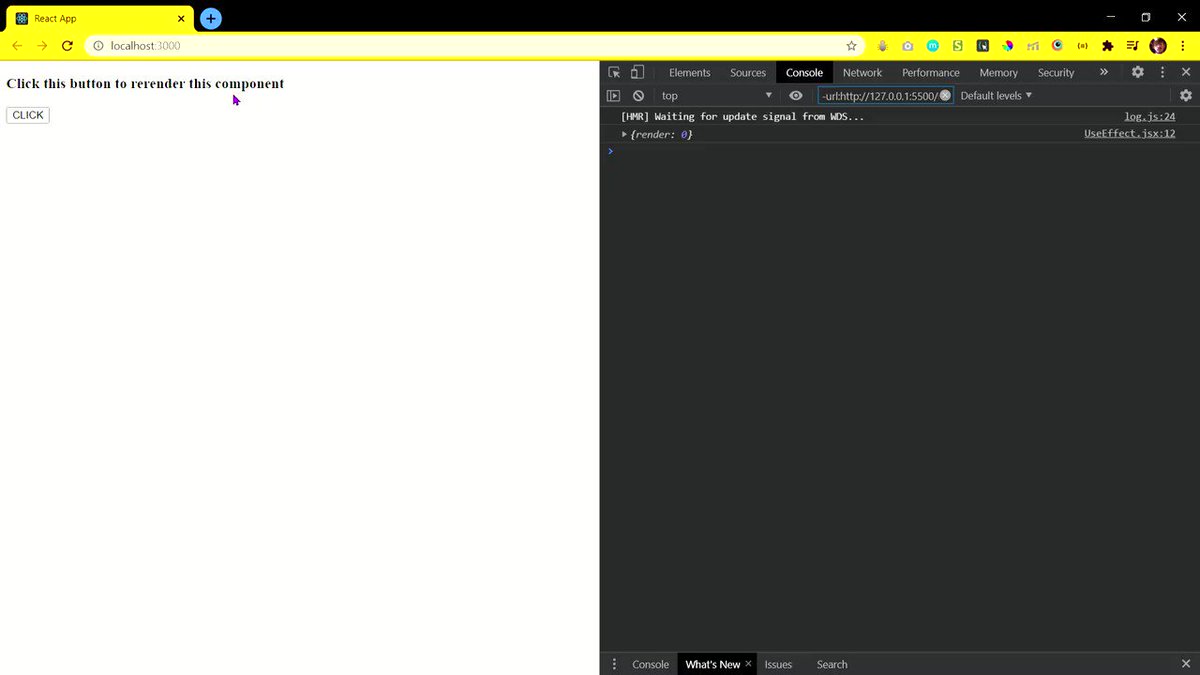
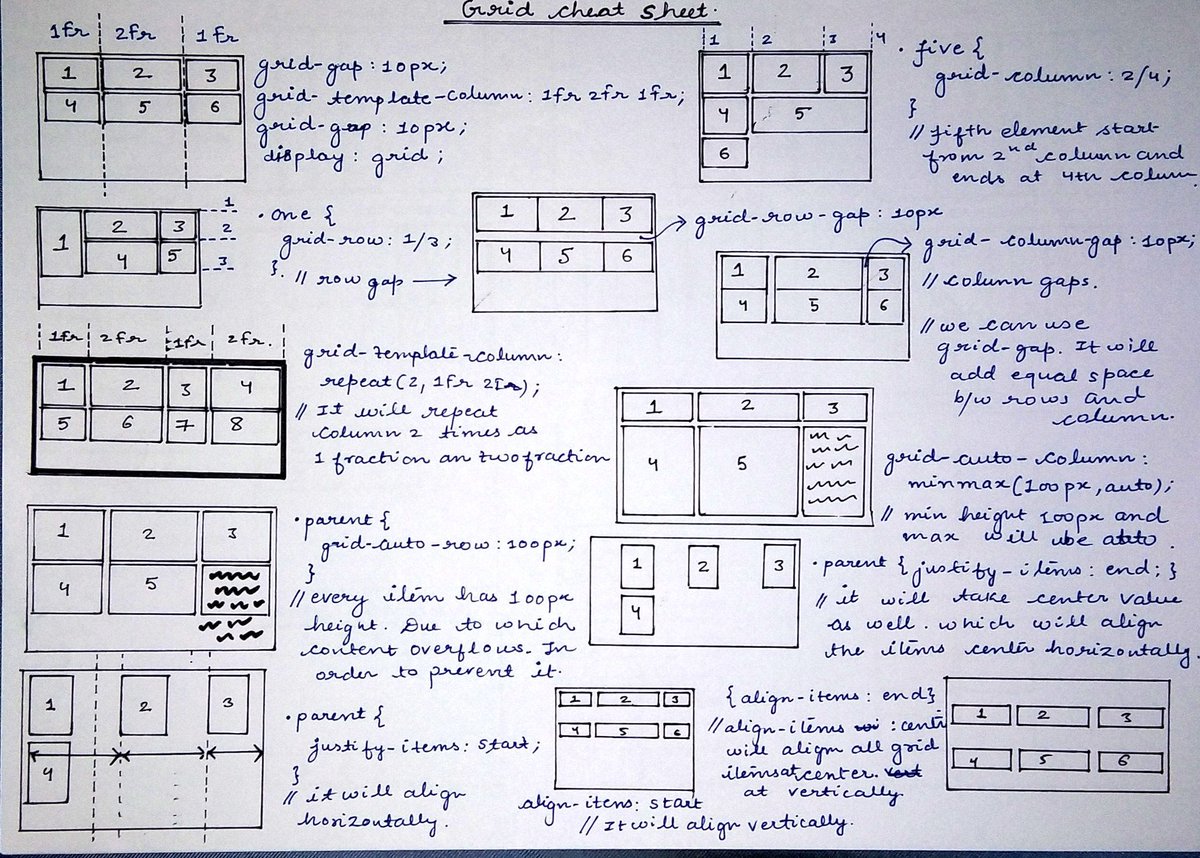
Neumorphism is a trendy UI style nowadays. So let's create a neumorphic form using few simple steps

THREAD🧵

Neumorphic design is another UI design that has become popular these days.

Making neumorphic effect is actually pretty easy using only just CSS box-shadow

We'll be creating a neumorphic form in steps👇🏼

2.
STEP 1:

Place a light source(virtually) on screen. In this example I'm considering that my light source is placed top left corner of the screen

3.
STEP 2:

Create a container div and set background color slightly darker than white. I picked #ecf0f3

* Make sure that the color of body and container should be same

CONTINUE...

4.
As we placed our light source on top-left corner, make sure left and top border of container should be brighter than right and bottom border.

This will make the element looks like it has the light source illuminating from the top left corner of the screen.

5.
STEP 3:

Create a brand logo using same technique. Since brand going to protrude from the container, use same color i.e, #ecf0f3

Add bright color shadow at the top left side and dark color shadow at the bottom right side

6.
STEP 4:

The input fields going to have a sunken effect. And to achieve this we will use inset box-shadow

CONTINUE...

7.
As light is coming from top-left corner, hence right and bottom border will be bright in this case because input fields have sunken effect.

8.
STEP 5:

Create a button preferably of same color as logo because this will give you a more fascinating look to your design

Add hover selector and apply box-shadow none when you mouse over it

9.
Wasn't it easy?

Neumorphic design is all based on box-shadow property.
You just need to remember two things👇🏼

- Protrude effect in outer element (normal box-shadow)
- Sunken effect in inner elements (Inset box-shadow)

10.
Source code: @CodePen

11.
https://t.co/HEiFRU3abH

More from Pratham 👨‍💻🚀

6 beginner friendly websites that will boost your HTML and CSS learning process 🚀

🧵👇🏻

1️⃣ Learn HTML

- The easiest way to learn HTML & CSS. Learn HTML provides an interactive tutorial that explains how to build HTML & CSS websites step by step.

🔗
https://t.co/W1XytKL1MI


2️⃣ HTML best practice

- A very well written document on HTML best practice

🔗 https://t.co/6PTcY1U5Cw


3️⃣ Learn to Code HTML & CSS

- Learn to Code HTML & CSS is a simple and comprehensive guide dedicated to helping beginners learn HTML and CSS

🔗 https://t.co/LwY9E2qUNS


4️⃣ Hex Invaders

- Hex Invaders is a fun way to learn and understand what hex codes are and how they work

🔗 https://t.co/EpQyhlN7pv

More from Design

I've been thinking about the "reframing of powerlessness as righteousness" with regards to design education, and I want to jot down some loose thoughts...


Around 2012, while on summer break from what I felt was a lackluster school year, I was kind of at a breaking point. A prominent designer was peddling this self-help program, a $6000 weeklong workshop that centered around dinner with him and his influential friends.

His response to a fan who was deeply inspired by him and wanted to be a better designer, who asked "what if I can't afford the $6000?" was "You simply don't *want* to afford it." It's not a priority for you. I remember seeing it on Facebook and getting up from my chair.

It was gross, and it felt like the latest incident in what seemed like a long generational road of manipulating impressionable young people into thinking that the only thing stopping them from having the lives of these visible figures was passion

It felt wrong. Absolutely wrong. I thought about my best friend from high school. Someone just as—if not more—talented than me in art. Both of us dreamed of going to the same art school. Only one of us did. His familial socioeconomics as his undocumented status made it impossible
You May Also Like