2/
Macarthur fellow and Hugo-award-winner @nkjemisin's 2019 book "The City We Became" is both a fantastic contemporary fantasy novel and a scorching commentary on the infantile nature of the racist dogma of HP Lovecraft and his
2/
First, the five boroughs must find one another and connect with the primary.
3/
4/
5/
6/
7/
https://t.co/TtMuSzCgSz
8/
9/
10/
In this telling, xenophobia is just the adult version of a toddler's unwillingness to eat their peas if they touch the mashed potatoes.
11/
12/
13/
14/
15/
16/
More from Cory Doctorow #BLM
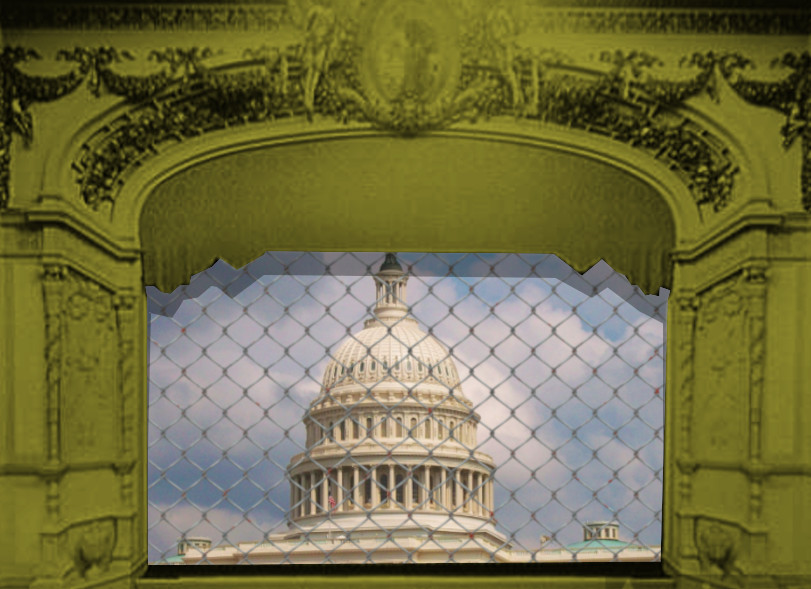
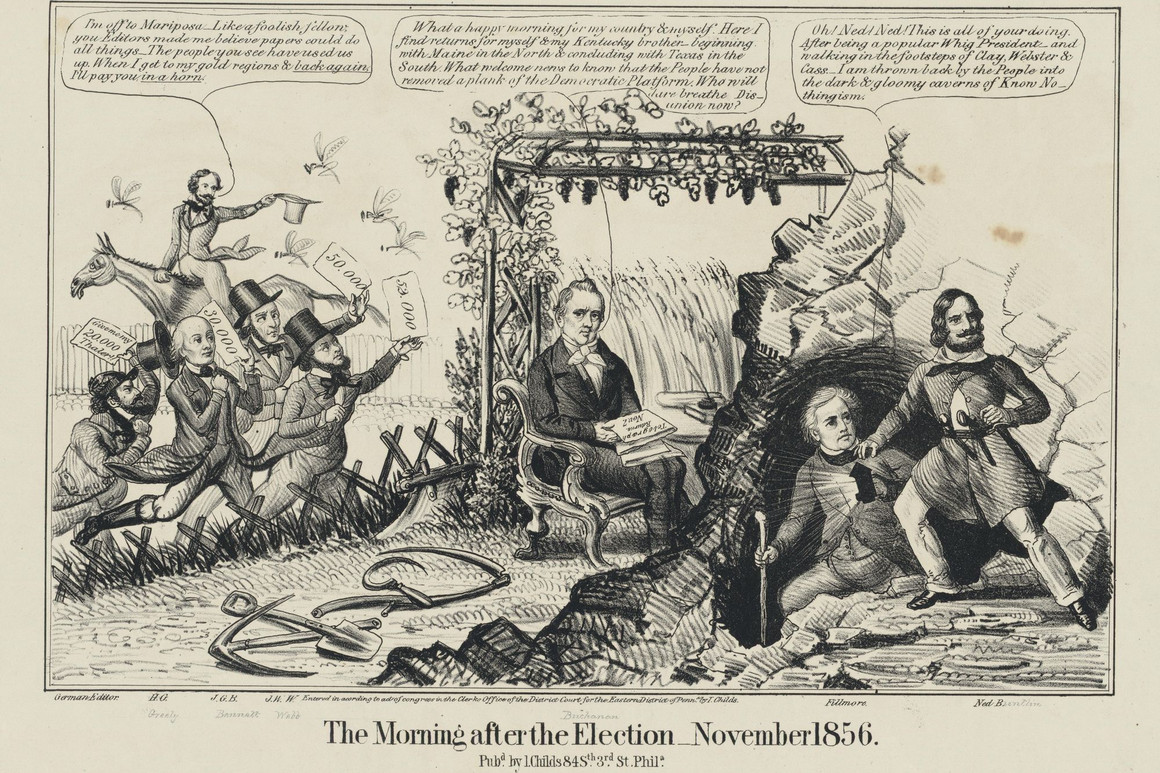
Today's Twitter threads (a Twitter thread).
Inside: Privacy Without Monopoly; Broad Band; $50T moved from America's 90% to the 1%; and more!
Archived at: https://t.co/QgK8ZMRKp7
#Pluralistic
1/
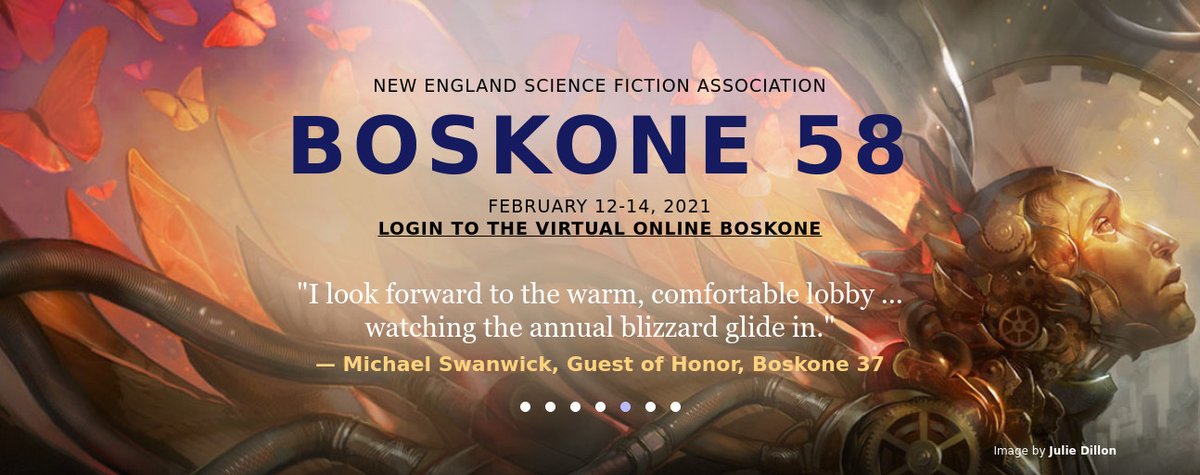
This weekend, I'm participating in Boskone 58, Boston's annual sf convention.
https://t.co/2LfFssVcZQ
Tonight, on a panel called "Tech Innovation? Does Silicon Valley Have A Mind-Control Ray, Or a Monopoly?" at 530PM Pacific.
2/
Privacy Without Monopoly: A new EFF white paper, co-authored with Bennett Cyphers.
https://t.co/TVzDXt6bz6
3/

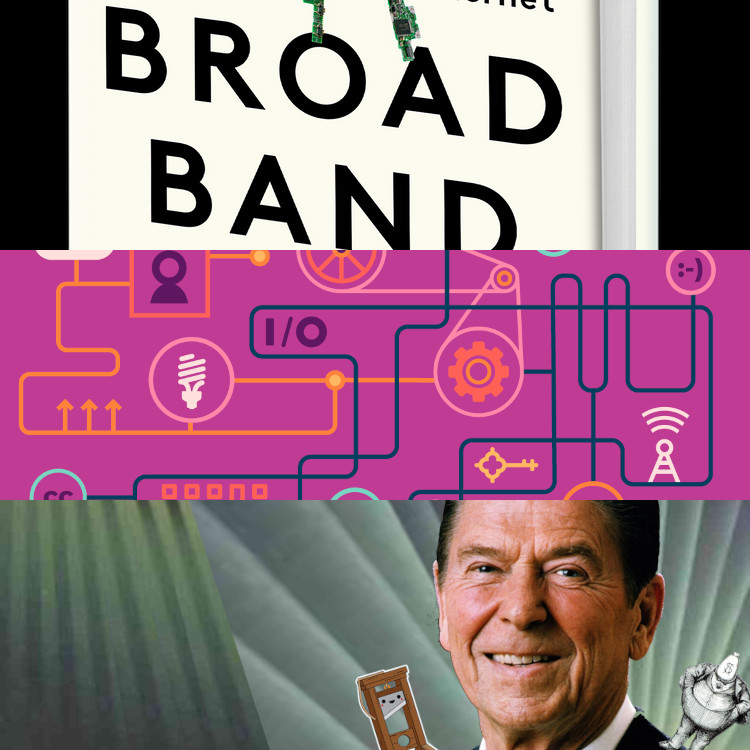
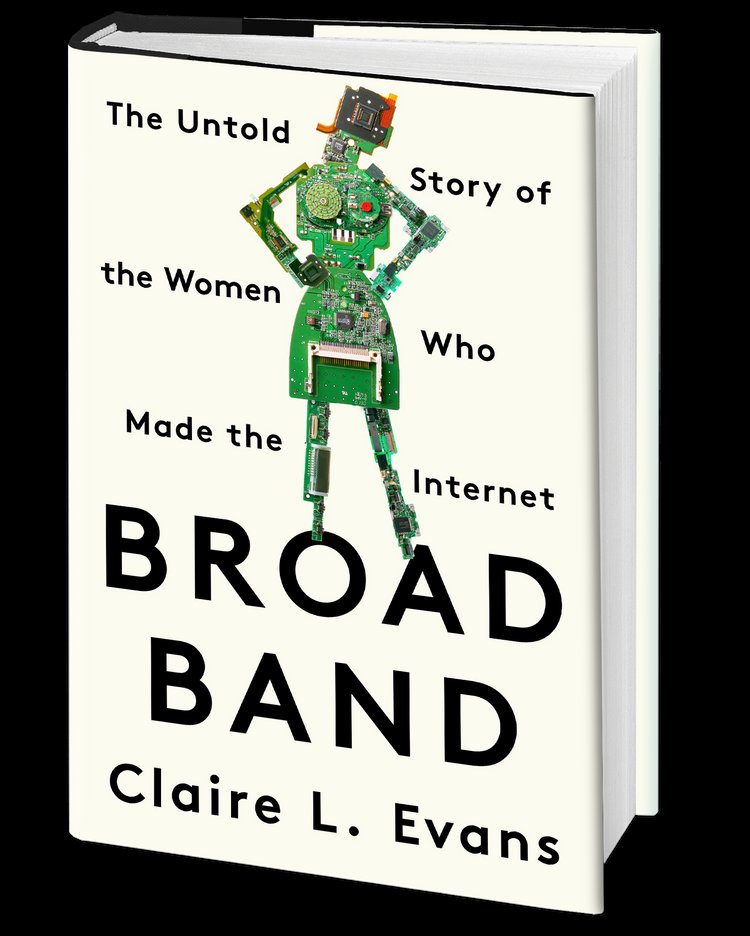
Broad Band: Claire L Evans's magesterial history of women in computing.
https://t.co/Lwrej6zVYd
4/
$50T moved from America's 90% to the 1%: The hereditary meritocracy is in crisis.
https://t.co/TquaxOmPi8
5/
Inside: Privacy Without Monopoly; Broad Band; $50T moved from America's 90% to the 1%; and more!
Archived at: https://t.co/QgK8ZMRKp7
#Pluralistic
1/
This weekend, I'm participating in Boskone 58, Boston's annual sf convention.
https://t.co/2LfFssVcZQ
Tonight, on a panel called "Tech Innovation? Does Silicon Valley Have A Mind-Control Ray, Or a Monopoly?" at 530PM Pacific.
2/
Privacy Without Monopoly: A new EFF white paper, co-authored with Bennett Cyphers.
https://t.co/TVzDXt6bz6
3/
Today, @EFF published "Privacy Without Monopoly: Data Protection and Interoperability," a major new paper by Bennett Cyphers and me. https://t.co/Ma2FE2vZ9u
— Cory Doctorow #BLM (@doctorow) February 13, 2021
1/ pic.twitter.com/RzCkQdQRxy
Broad Band: Claire L Evans's magesterial history of women in computing.
https://t.co/Lwrej6zVYd
4/
One of the most Monkey's Paw things about my life is my relationship to books. When I was a teenager, I read all the way through the school and public libraries, spent everything I had on books, and still couldn't get enough and dreamt of more.
— Cory Doctorow #BLM (@doctorow) February 13, 2021
1/ pic.twitter.com/Lgkdk5a7YA
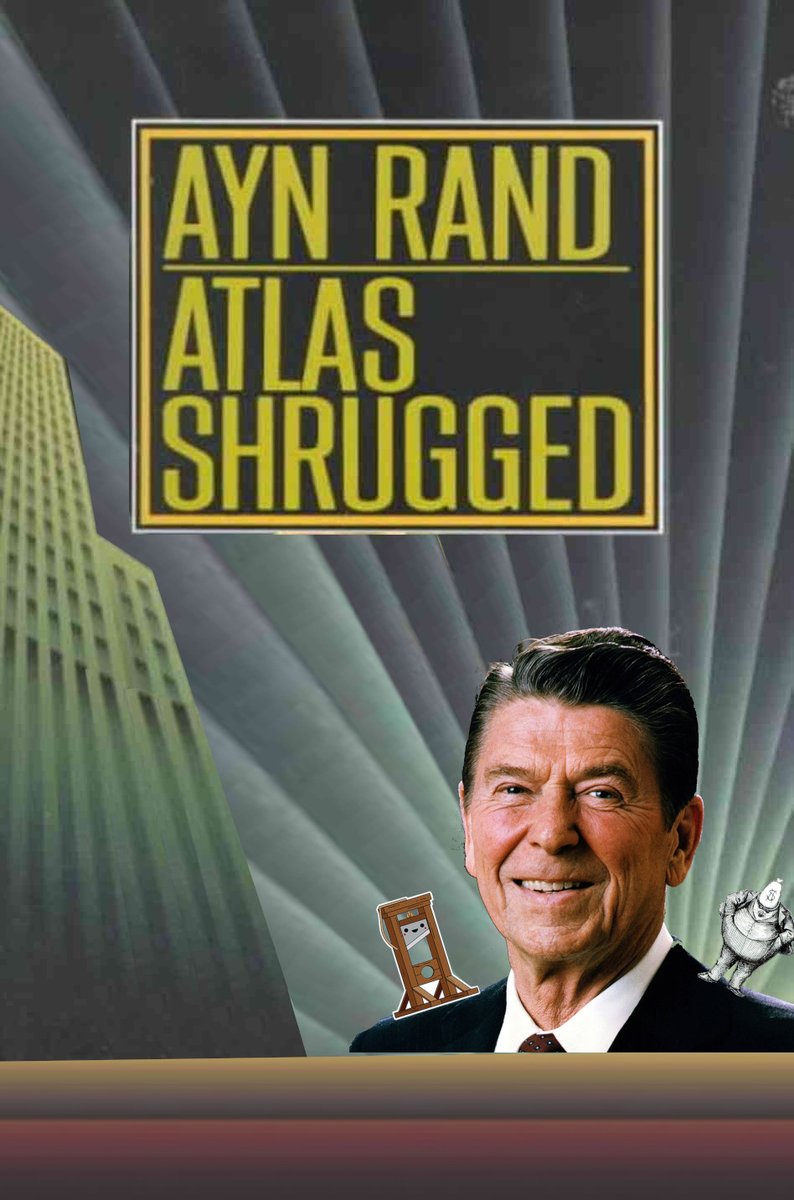
$50T moved from America's 90% to the 1%: The hereditary meritocracy is in crisis.
https://t.co/TquaxOmPi8
5/
Inequality requires narrative stabilizers. When you have too little and someone else has more than they can possibly use, simple logic dictates that you should take what they have.
— Cory Doctorow #BLM (@doctorow) February 13, 2021
1/ pic.twitter.com/BUFyq9H2n4
More from Culture


Stan Lee’s fictional superheroes lived in the real New York. Here’s where they lived, and why. https://t.co/oV1IGGN8R6
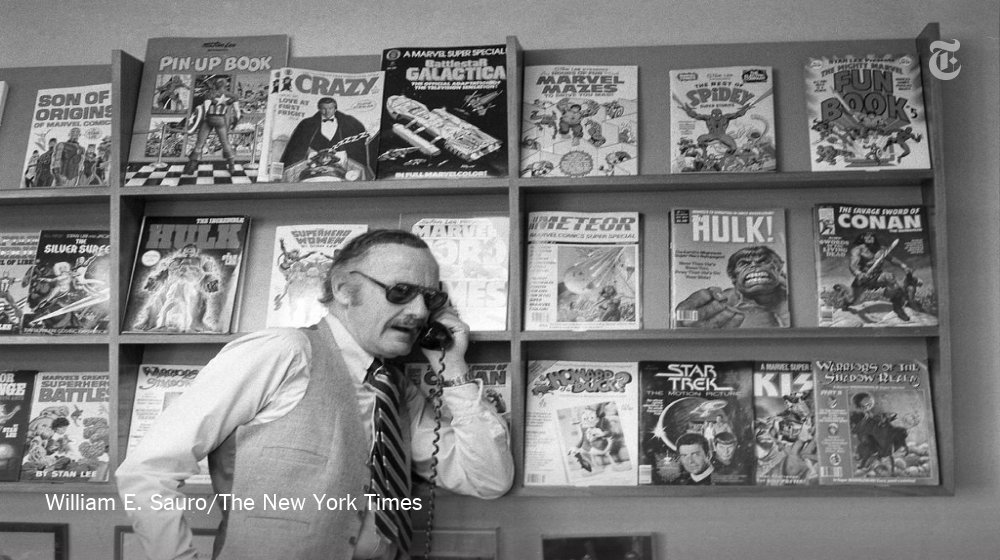
Stan Lee, who died Monday at 95, was born in Manhattan and graduated from DeWitt Clinton High School in the Bronx. His pulp-fiction heroes have come to define much of popular culture in the early 21st century.
Tying Marvel’s stable of pulp-fiction heroes to a real place — New York — served a counterbalance to the sometimes gravity-challenged action and the improbability of the stories. That was just what Stan Lee wanted. https://t.co/rDosqzpP8i
The New York universe hooked readers. And the artists drew what they were familiar with, which made the Marvel universe authentic-looking, down to the water towers atop many of the buildings. https://t.co/rDosqzpP8i
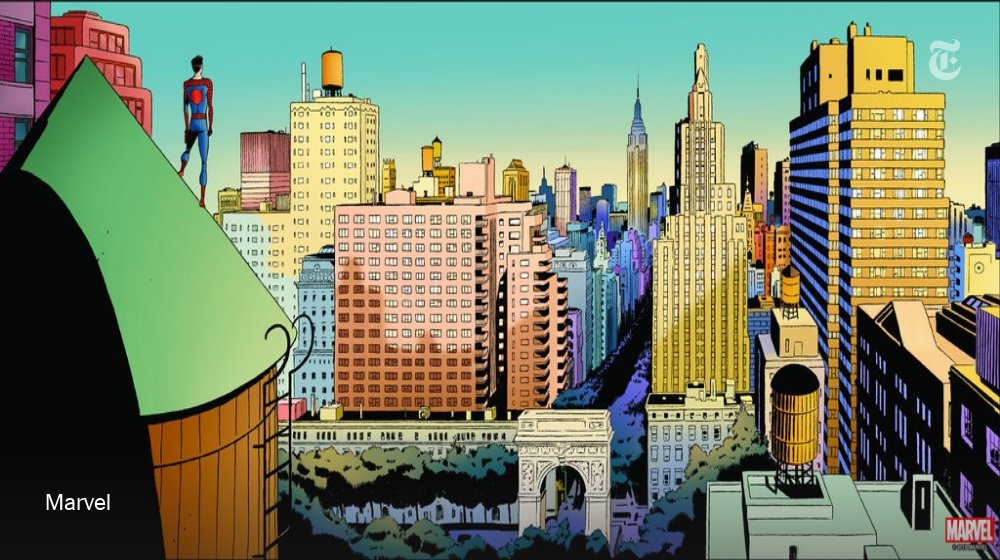
The Avengers Mansion was a Beaux-Arts palace. Fans know it as 890 Fifth Avenue. The Frick Collection, which now occupies the place, uses the address of the front door: 1 East 70th Street.
Stan Lee, who died Monday at 95, was born in Manhattan and graduated from DeWitt Clinton High School in the Bronx. His pulp-fiction heroes have come to define much of popular culture in the early 21st century.
Tying Marvel’s stable of pulp-fiction heroes to a real place — New York — served a counterbalance to the sometimes gravity-challenged action and the improbability of the stories. That was just what Stan Lee wanted. https://t.co/rDosqzpP8i
The New York universe hooked readers. And the artists drew what they were familiar with, which made the Marvel universe authentic-looking, down to the water towers atop many of the buildings. https://t.co/rDosqzpP8i
The Avengers Mansion was a Beaux-Arts palace. Fans know it as 890 Fifth Avenue. The Frick Collection, which now occupies the place, uses the address of the front door: 1 East 70th Street.




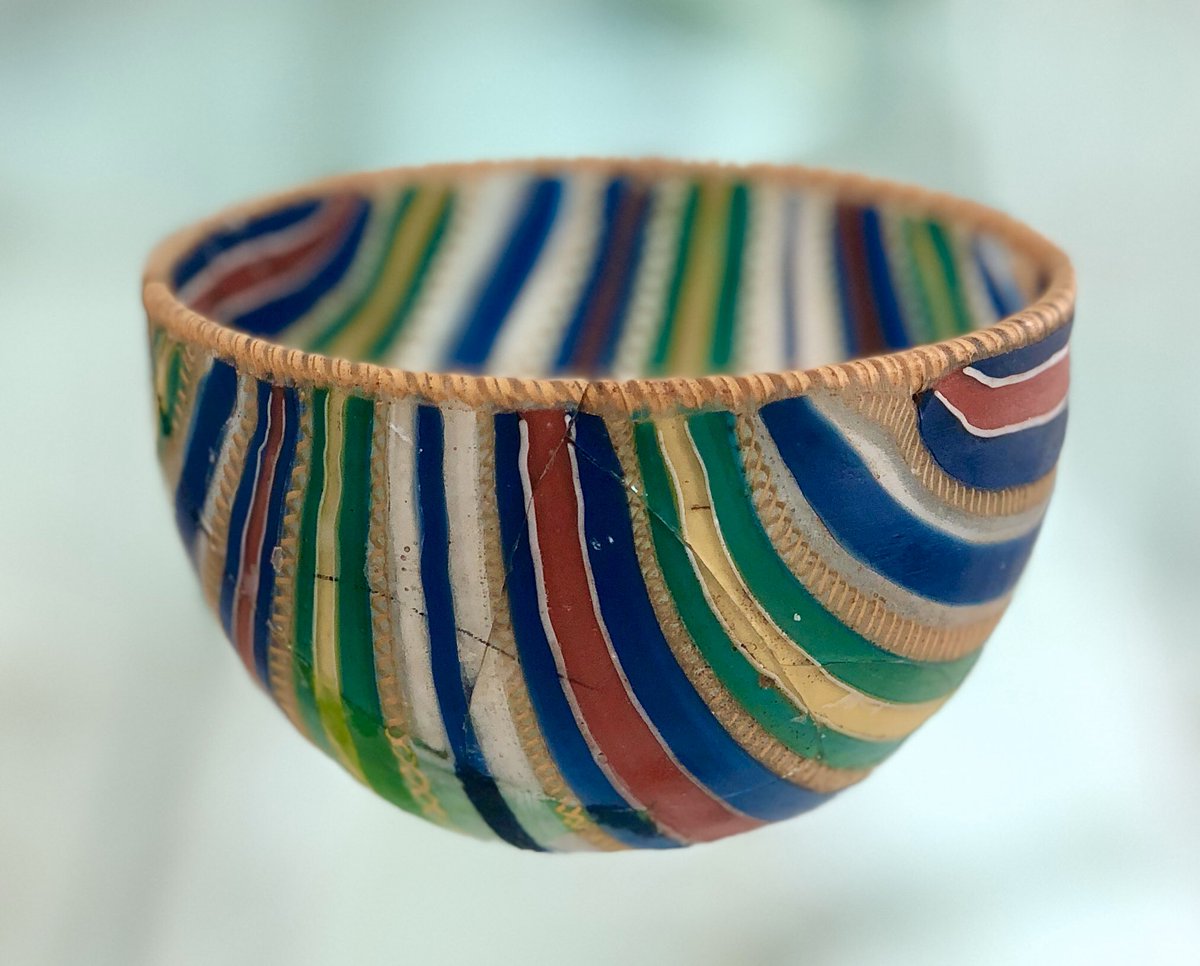
A thread of very good, wonderful, truly Super Bowls.
Translucent agate bowl with ornamental grooves and coffee-and-cream marbling. Found near Qift in southern Egypt. 300 - 1,000 BC. 📷 Getty Museum https://t.co/W1HfQZIG2V

Technicolor dreambowl, found in a grave near Zadar on Croatia's Dalmatian Coast. Made by melding and winding thin bars of glass, each adulterated with different minerals to get different colors. 1st century AD. 📷 Zadar Museum of Ancient Glass https://t.co/H9VfNrXKQK
100,000-year-old abalone shells used to mix red ocher, marrow, charcoal, and water into a colorful paste. Possibly the oldest artist's palettes ever discovered. Blombos Cave, South Africa. 📷https://t.co/0fMeYlOsXG

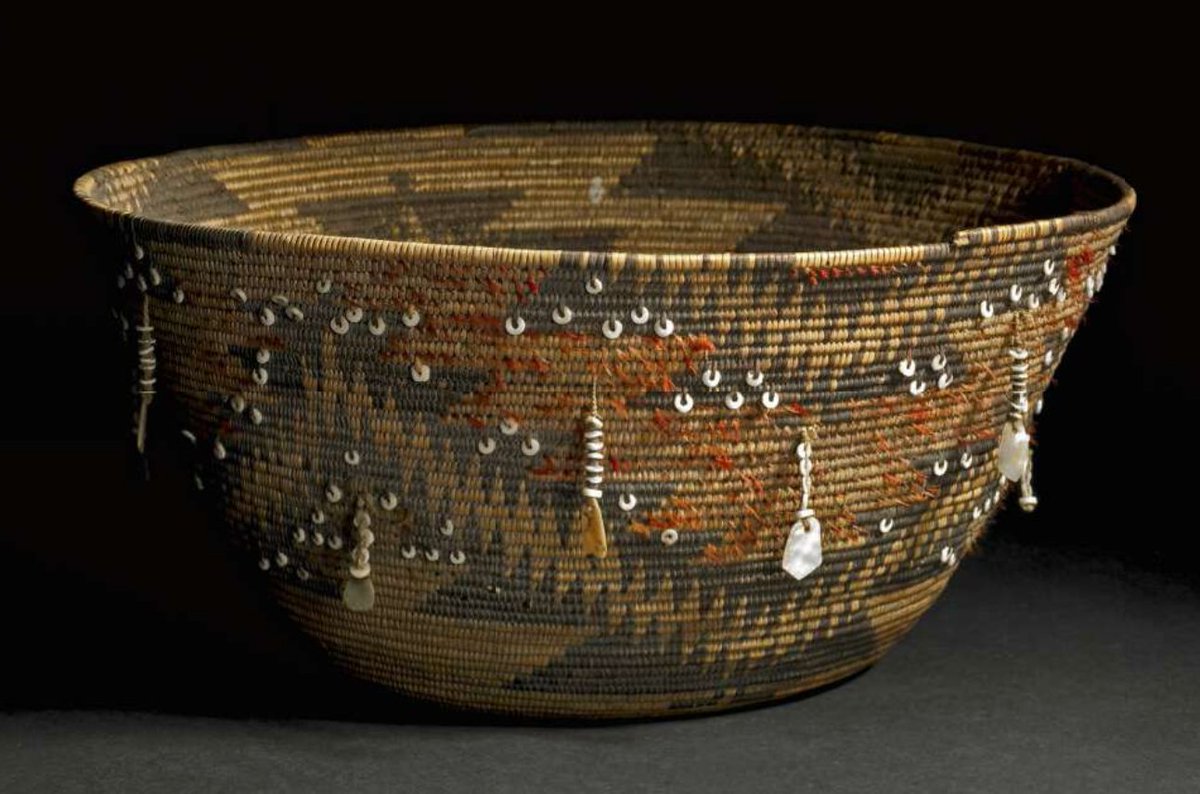
Reed basket bowl with shell and feather ornaments. Possibly from the Southern Pomo or Lake Miwok cultures. Found in Santa Barbara, CA, circa 1770. 📷 British Museum https://t.co/F4Ix0mXAu6
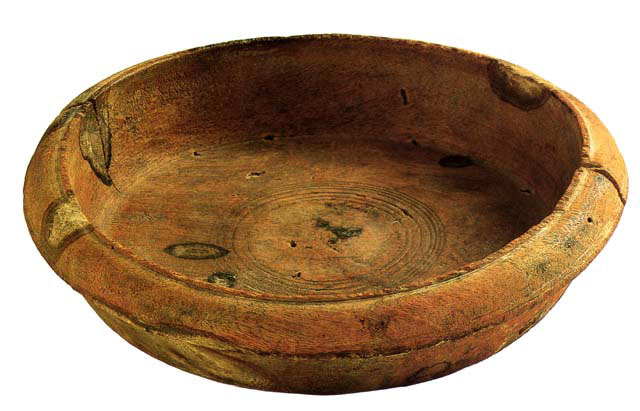
Wooden bowl with concentric circles and rounded rim, most likely made of umbrella thorn acacia (Vachellia/Acacia tortilis). Qumran. 1st Century BCE. 📷 https://t.co/XZCw67Ho03
Translucent agate bowl with ornamental grooves and coffee-and-cream marbling. Found near Qift in southern Egypt. 300 - 1,000 BC. 📷 Getty Museum https://t.co/W1HfQZIG2V
Technicolor dreambowl, found in a grave near Zadar on Croatia's Dalmatian Coast. Made by melding and winding thin bars of glass, each adulterated with different minerals to get different colors. 1st century AD. 📷 Zadar Museum of Ancient Glass https://t.co/H9VfNrXKQK
100,000-year-old abalone shells used to mix red ocher, marrow, charcoal, and water into a colorful paste. Possibly the oldest artist's palettes ever discovered. Blombos Cave, South Africa. 📷https://t.co/0fMeYlOsXG
Reed basket bowl with shell and feather ornaments. Possibly from the Southern Pomo or Lake Miwok cultures. Found in Santa Barbara, CA, circa 1770. 📷 British Museum https://t.co/F4Ix0mXAu6
Wooden bowl with concentric circles and rounded rim, most likely made of umbrella thorn acacia (Vachellia/Acacia tortilis). Qumran. 1st Century BCE. 📷 https://t.co/XZCw67Ho03
You May Also Like



1/“What would need to be true for you to….X”
Why is this the most powerful question you can ask when attempting to reach an agreement with another human being or organization?
A thread, co-written by @deanmbrody:
2/ First, “X” could be lots of things. Examples: What would need to be true for you to
- “Feel it's in our best interest for me to be CMO"
- “Feel that we’re in a good place as a company”
- “Feel that we’re on the same page”
- “Feel that we both got what we wanted from this deal
3/ Normally, we aren’t that direct. Example from startup/VC land:
Founders leave VC meetings thinking that every VC will invest, but they rarely do.
Worse over, the founders don’t know what they need to do in order to be fundable.
4/ So why should you ask the magic Q?
To get clarity.
You want to know where you stand, and what it takes to get what you want in a way that also gets them what they want.
It also holds them (mentally) accountable once the thing they need becomes true.
5/ Staying in the context of soliciting investors, the question is “what would need to be true for you to want to invest (or partner with us on this journey, etc)?”
Multiple responses to this question are likely to deliver a positive result.
Why is this the most powerful question you can ask when attempting to reach an agreement with another human being or organization?
A thread, co-written by @deanmbrody:
Next level tactic when closing a sale, candidate, or investment:
— Erik Torenberg (@eriktorenberg) February 27, 2018
Ask: \u201cWhat needs to be true for you to be all in?\u201d
You'll usually get an explicit answer that you might not get otherwise. It also holds them accountable once the thing they need becomes true.
2/ First, “X” could be lots of things. Examples: What would need to be true for you to
- “Feel it's in our best interest for me to be CMO"
- “Feel that we’re in a good place as a company”
- “Feel that we’re on the same page”
- “Feel that we both got what we wanted from this deal
3/ Normally, we aren’t that direct. Example from startup/VC land:
Founders leave VC meetings thinking that every VC will invest, but they rarely do.
Worse over, the founders don’t know what they need to do in order to be fundable.
4/ So why should you ask the magic Q?
To get clarity.
You want to know where you stand, and what it takes to get what you want in a way that also gets them what they want.
It also holds them (mentally) accountable once the thing they need becomes true.
5/ Staying in the context of soliciting investors, the question is “what would need to be true for you to want to invest (or partner with us on this journey, etc)?”
Multiple responses to this question are likely to deliver a positive result.
1/ Here’s a list of conversational frameworks I’ve picked up that have been helpful.
Please add your own.
2/ The Magic Question: "What would need to be true for you
3/ On evaluating where someone’s head is at regarding a topic they are being wishy-washy about or delaying.
“Gun to the head—what would you decide now?”
“Fast forward 6 months after your sabbatical--how would you decide: what criteria is most important to you?”
4/ Other Q’s re: decisions:
“Putting aside a list of pros/cons, what’s the *one* reason you’re doing this?” “Why is that the most important reason?”
“What’s end-game here?”
“What does success look like in a world where you pick that path?”
5/ When listening, after empathizing, and wanting to help them make their own decisions without imposing your world view:
“What would the best version of yourself do”?
Please add your own.
2/ The Magic Question: "What would need to be true for you
1/\u201cWhat would need to be true for you to\u2026.X\u201d
— Erik Torenberg (@eriktorenberg) December 4, 2018
Why is this the most powerful question you can ask when attempting to reach an agreement with another human being or organization?
A thread, co-written by @deanmbrody: https://t.co/Yo6jHbSit9
3/ On evaluating where someone’s head is at regarding a topic they are being wishy-washy about or delaying.
“Gun to the head—what would you decide now?”
“Fast forward 6 months after your sabbatical--how would you decide: what criteria is most important to you?”
4/ Other Q’s re: decisions:
“Putting aside a list of pros/cons, what’s the *one* reason you’re doing this?” “Why is that the most important reason?”
“What’s end-game here?”
“What does success look like in a world where you pick that path?”
5/ When listening, after empathizing, and wanting to help them make their own decisions without imposing your world view:
“What would the best version of yourself do”?