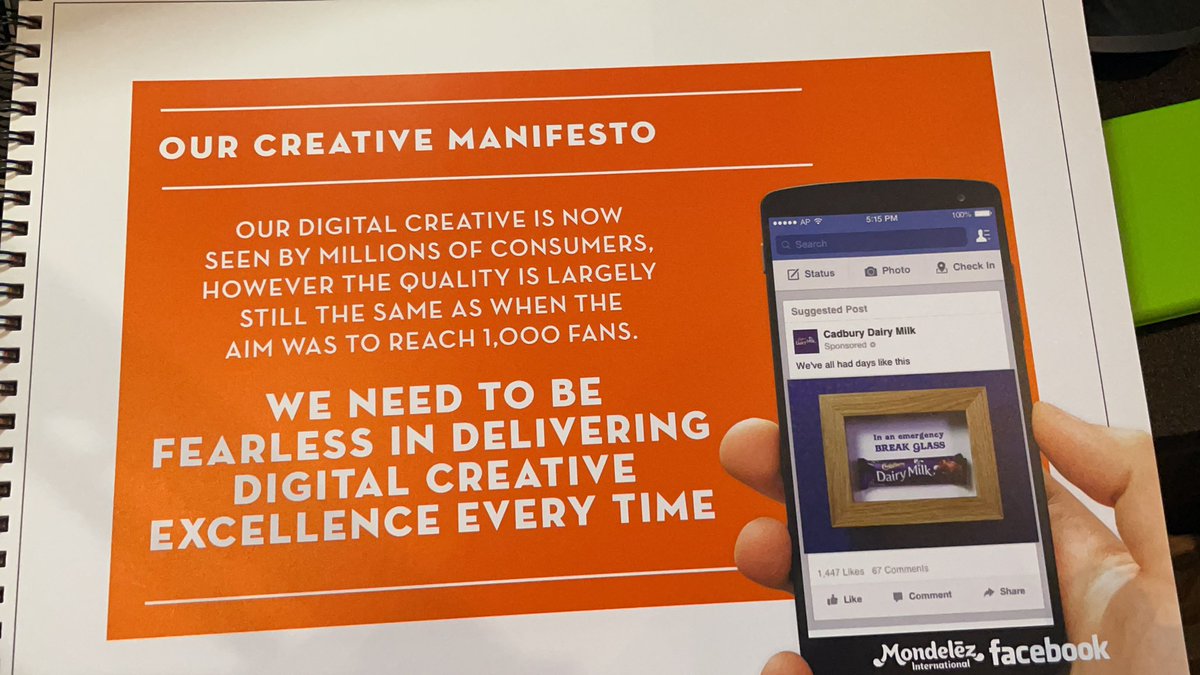
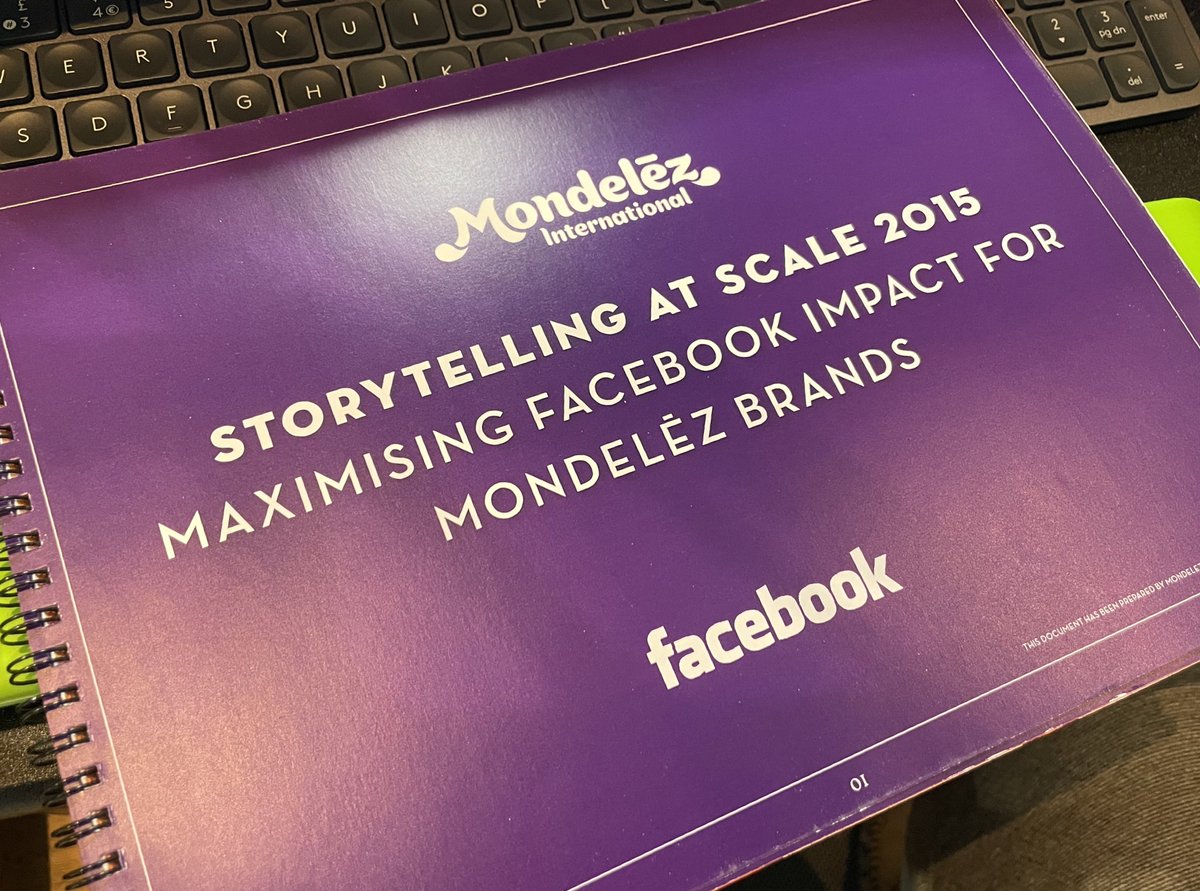
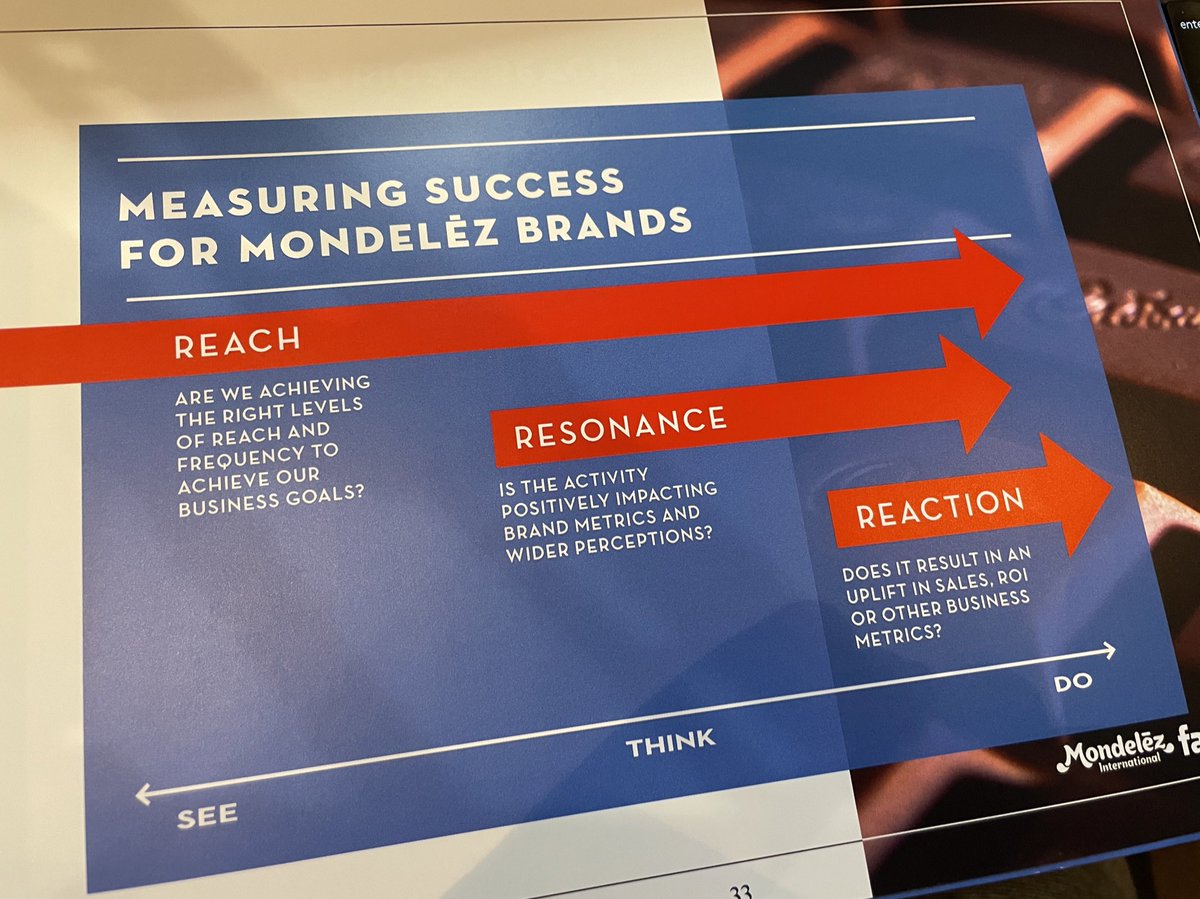
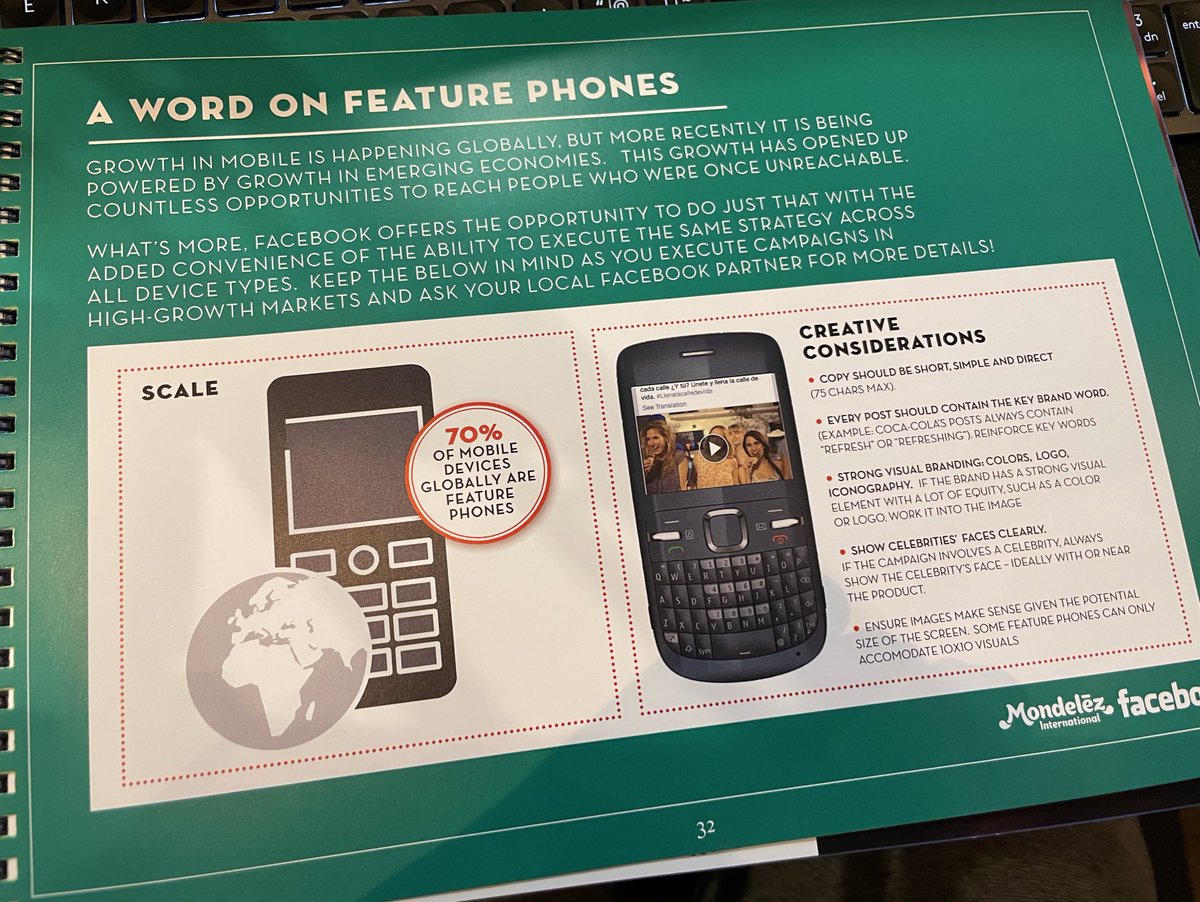
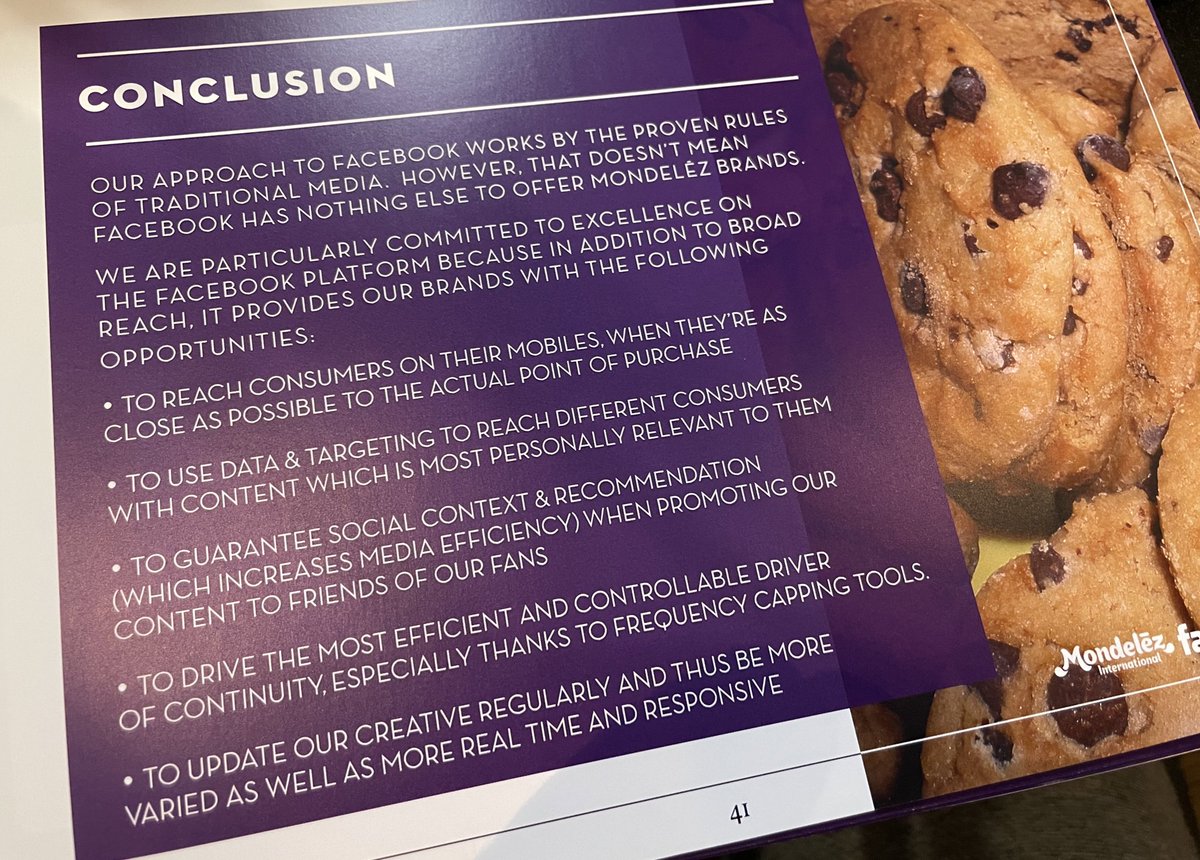
Time to lift the lid? Can you ‘live tweet’ reading a 6 year old playbook you co-wrote and it not be the be the most boring thing ever? How could something written about social media 6 years ago possibly even be relevant eh?! #StorytellingAtScale





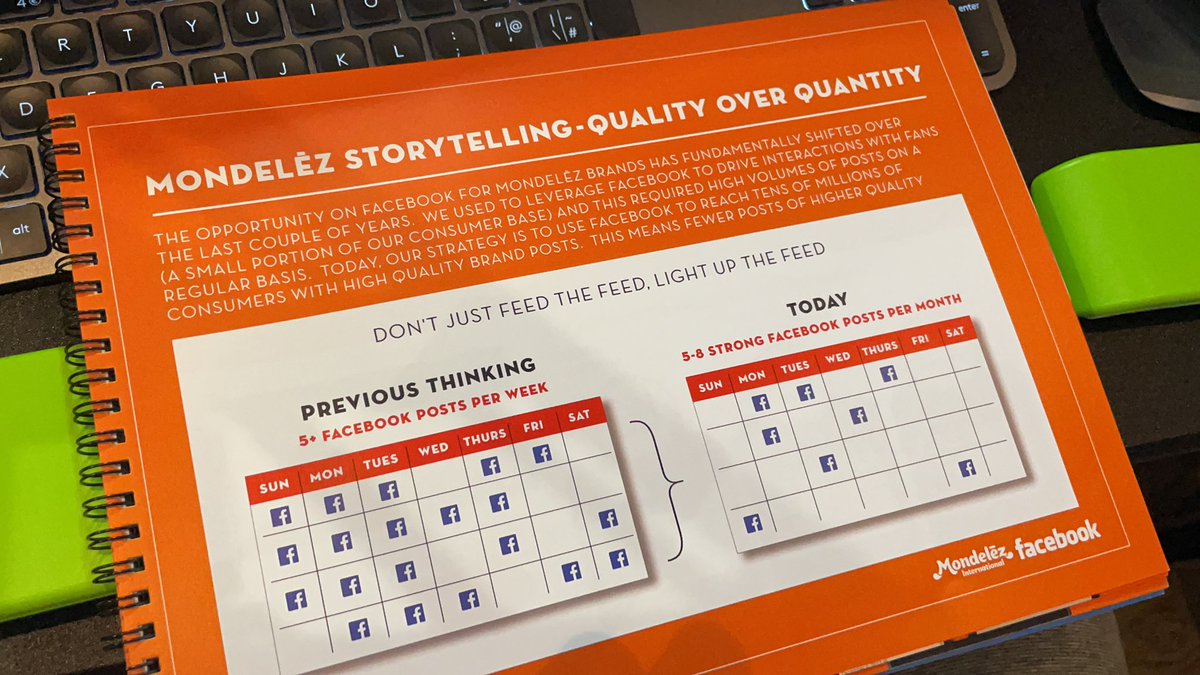
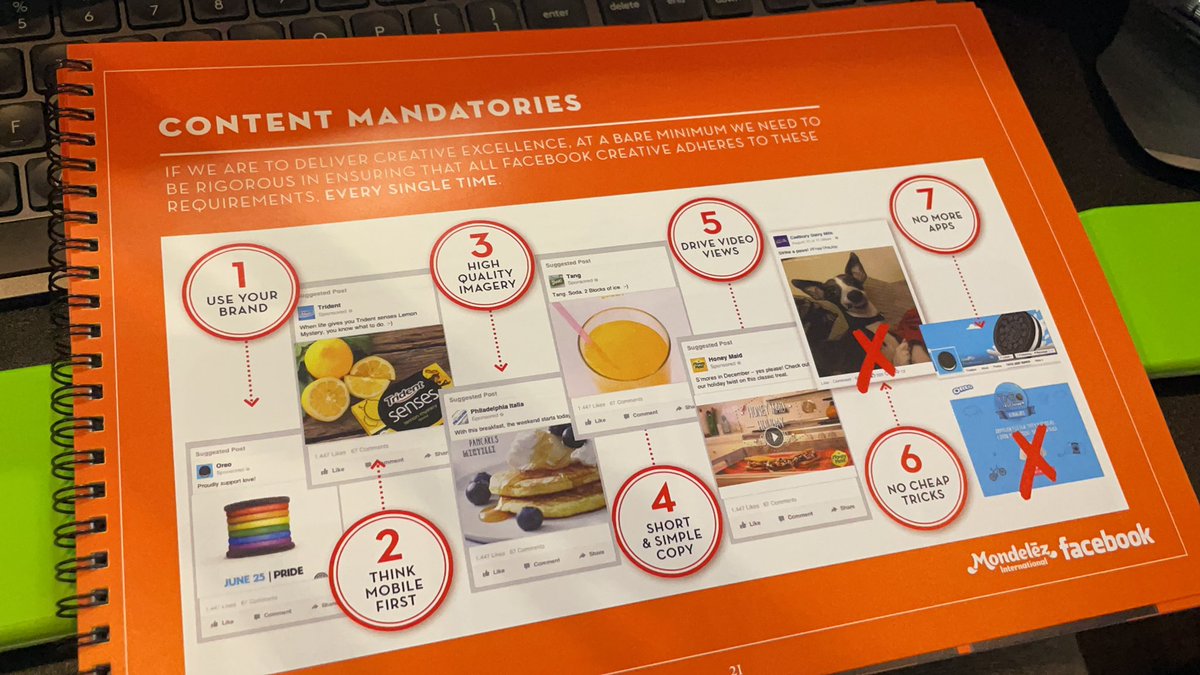
Cute animals ✅
Desperate plea for engagement ✅
Forced engagement competitions ✅
#StorytellingAtScale
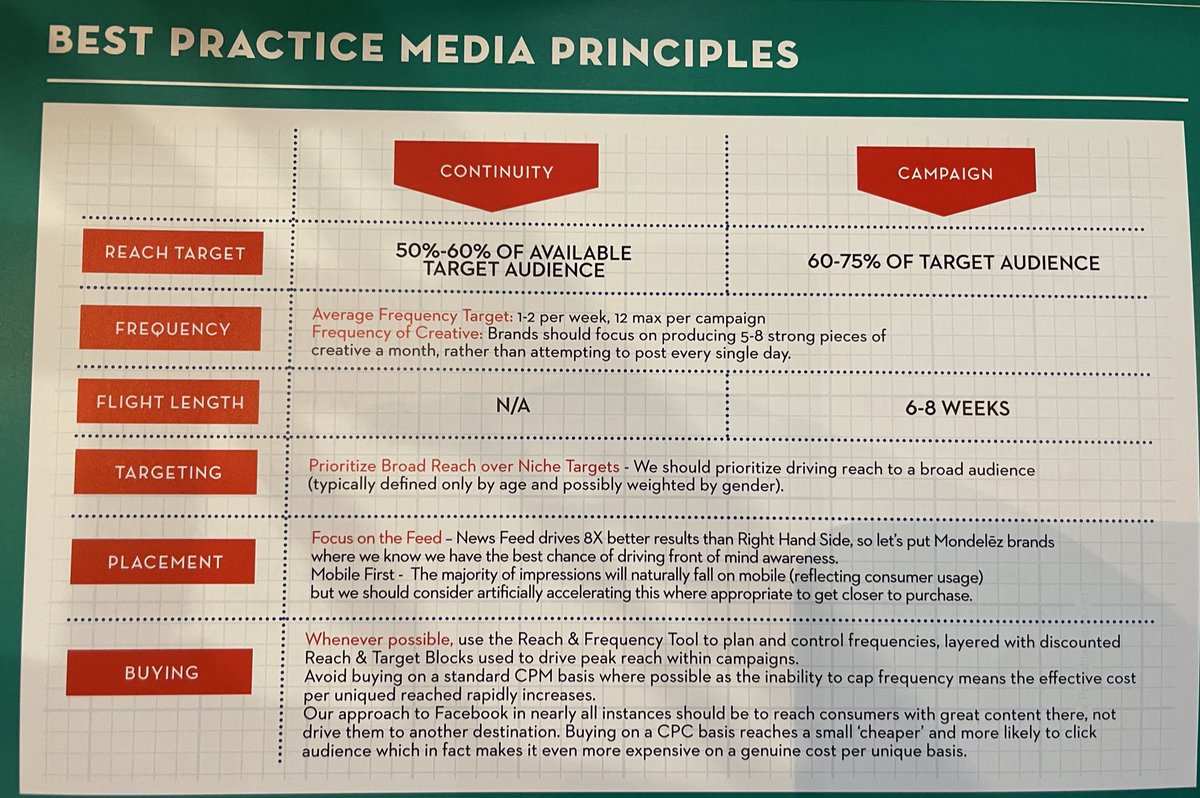
[This Slide Image Is Redacted 🤐]



More from Culture






OK. Chapter 7 of Book 4 of #WealthOfNations is tough going. It's long. It's serious. It's all about colonies.
We can take comfort, though, in knowing that the chapter #AdamSmith says is about colonies is, in fact, about colonies. (IV.vii) #WealthOfTweets #SmithTweets

Colonies were a vexed subject when #AdamSmith was writing, and they’re even more complicated now. So, before we even get to the tweeting, here’s a link to that thread on Smith and “savage nations.” (IV.vii) #WealthOfTweets
The reason for the ancient Greeks and Romans to settle colonies was straightforward: they didn’t have enough space for their growing populations. Their colonies were treated as “emancipated children”—connected but independent. (IV.vii.a.2) #WealthOfTweets #SmithTweets
(Both these things are in contrast to the European colonies, as we'll see.) (IV.vii.a.2) #WealthOfTweets #SmithTweets
Ancient Greeks and Romans needed more space because the land was owned by an increasingly small number of citizens and farming and nearly all trades and arts were performed by slaves. It was hard for a poor freeman to improve his life. (IV.vii.a.3) #WealthOfTweets #SmithTweets
We can take comfort, though, in knowing that the chapter #AdamSmith says is about colonies is, in fact, about colonies. (IV.vii) #WealthOfTweets #SmithTweets
Colonies were a vexed subject when #AdamSmith was writing, and they’re even more complicated now. So, before we even get to the tweeting, here’s a link to that thread on Smith and “savage nations.” (IV.vii) #WealthOfTweets
We have to pause now, because we have to have a whole new tweet thread on #AdamSmith and \u201csavage nations,\u201d because he\u2019s going to keep using this kind of phrase, so we need to talk about it. #WealthOfTweets #SmithTweets
— @AdamSmithWorks (@adamsmithworks) January 4, 2021
The reason for the ancient Greeks and Romans to settle colonies was straightforward: they didn’t have enough space for their growing populations. Their colonies were treated as “emancipated children”—connected but independent. (IV.vii.a.2) #WealthOfTweets #SmithTweets
(Both these things are in contrast to the European colonies, as we'll see.) (IV.vii.a.2) #WealthOfTweets #SmithTweets
Ancient Greeks and Romans needed more space because the land was owned by an increasingly small number of citizens and farming and nearly all trades and arts were performed by slaves. It was hard for a poor freeman to improve his life. (IV.vii.a.3) #WealthOfTweets #SmithTweets
You May Also Like

First thread of the year because I have time during MCO. As requested, a thread on the gods and spirits of Malay folk religion. Some are indigenous, some are of Indian origin, some have Islamic
Before I begin, it might be worth explaining the Malay conception of the spirit world. At its deepest level, Malay religious belief is animist. All living beings and even certain objects are said to have a soul. Natural phenomena are either controlled by or personified as spirits
Although these beings had to be respected, not all of them were powerful enough to be considered gods. Offerings would be made to the spirits that had greater influence on human life. Spells and incantations would invoke their
Two known examples of such elemental spirits that had god-like status are Raja Angin (king of the wind) and Mambang Tali Arus (spirit of river currents). There were undoubtedly many more which have been lost to time
Contact with ancient India brought the influence of Hinduism and Buddhism to SEA. What we now call Hinduism similarly developed in India out of native animism and the more formal Vedic tradition. This can be seen in the multitude of sacred animals and location-specific Hindu gods
i wonder if you can make a thread bout witchcraft in malaysia.. or list of our own local gods/deites..
— r a y a \U0001f319 (@lcvelylilith) February 20, 2020
Before I begin, it might be worth explaining the Malay conception of the spirit world. At its deepest level, Malay religious belief is animist. All living beings and even certain objects are said to have a soul. Natural phenomena are either controlled by or personified as spirits
Although these beings had to be respected, not all of them were powerful enough to be considered gods. Offerings would be made to the spirits that had greater influence on human life. Spells and incantations would invoke their
Animist ceremonies of a religious or magical nature were normally held for the purpose of divination or making a request. This would either be done at a keramat or at a shrine similar to the Thai spirit houses or Chinese roadside shrines pic.twitter.com/I1hliyi0x3
— \u2745\u1710\u170b\u1713\u170e (@uglyluhan) June 16, 2019
Two known examples of such elemental spirits that had god-like status are Raja Angin (king of the wind) and Mambang Tali Arus (spirit of river currents). There were undoubtedly many more which have been lost to time
Contact with ancient India brought the influence of Hinduism and Buddhism to SEA. What we now call Hinduism similarly developed in India out of native animism and the more formal Vedic tradition. This can be seen in the multitude of sacred animals and location-specific Hindu gods