https://t.co/ObBUHIijl6
Thread on best books + readers to learn Sanskrit. I will list only books I have read & their pros and cons.
1. Samskrita Bharati (4 Part Series)
This is by far the best structured english course to learn to read, speak & write Sanskrit. The material is well-structured.

https://t.co/ObBUHIijl6
This is the second best immersive-learning series. There are 2 parts and progression is gradual. The advantage is it is entirely in Hindi, so the 1:1 syntax + vocab connect for native speakers is instant, Hindi being a daughter of Sanskrit.

https://t.co/YphIWzXpNX
This is an amazing course. The best to learn Sanskrit for Americans/Europeans & an excellent one for Indians to use to learn the western grammar terminology. Best part about it? It is extremley long & has at least 100 pages of Sanskrit.

This is a recent book, so very updated with amazing font + brevity. The grammar is explained beautifully, but in much more detail than Deshpande's book (down below). Disadvantage? Just not enough Sanskrit reading.
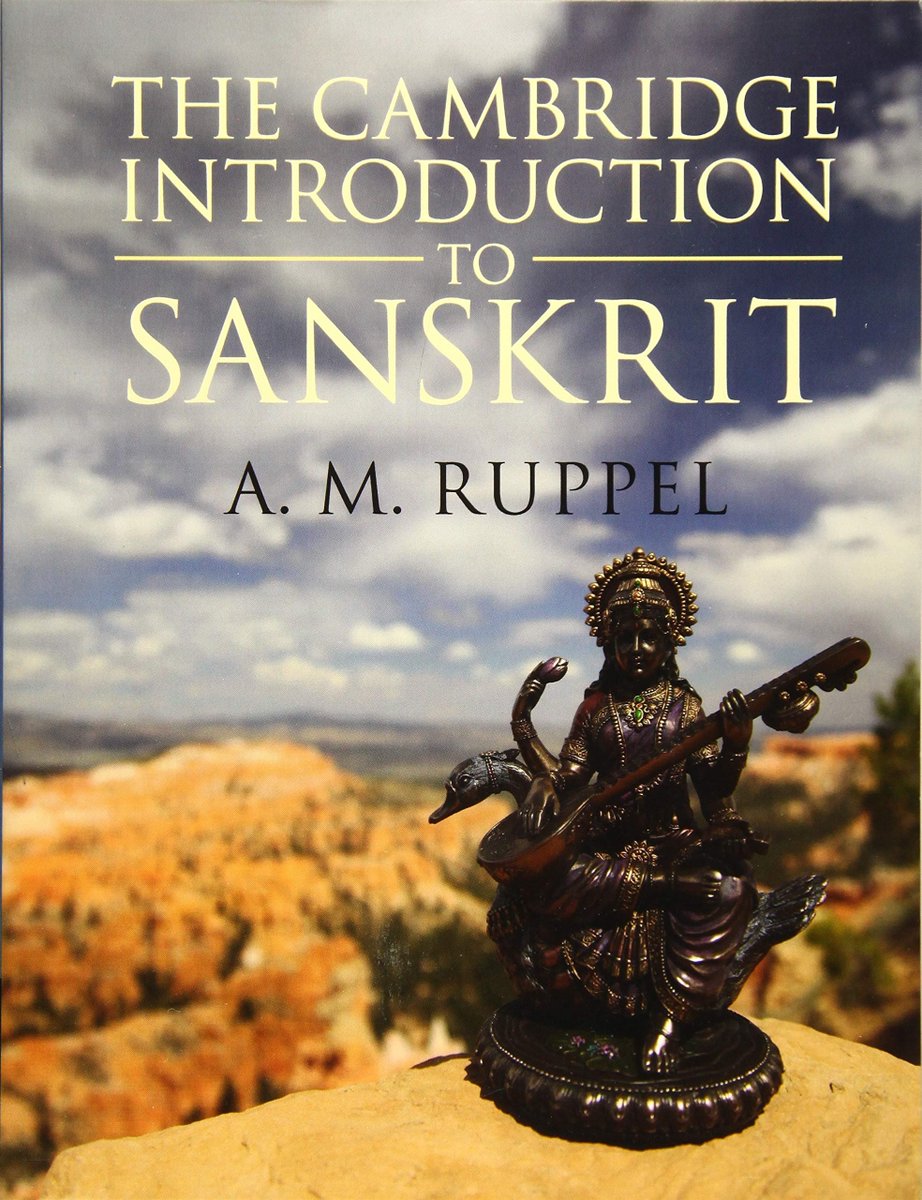
Website: https://t.co/tRcyVG8fTq
Video Series: https://t.co/zifnEHWwVJ
This book is great for learning Sanskrit with the traditional western grammar terminology. It is conscise & grammar focused. It is like a handy reference for grammar concepts. Disadvantage? Not enough reading.
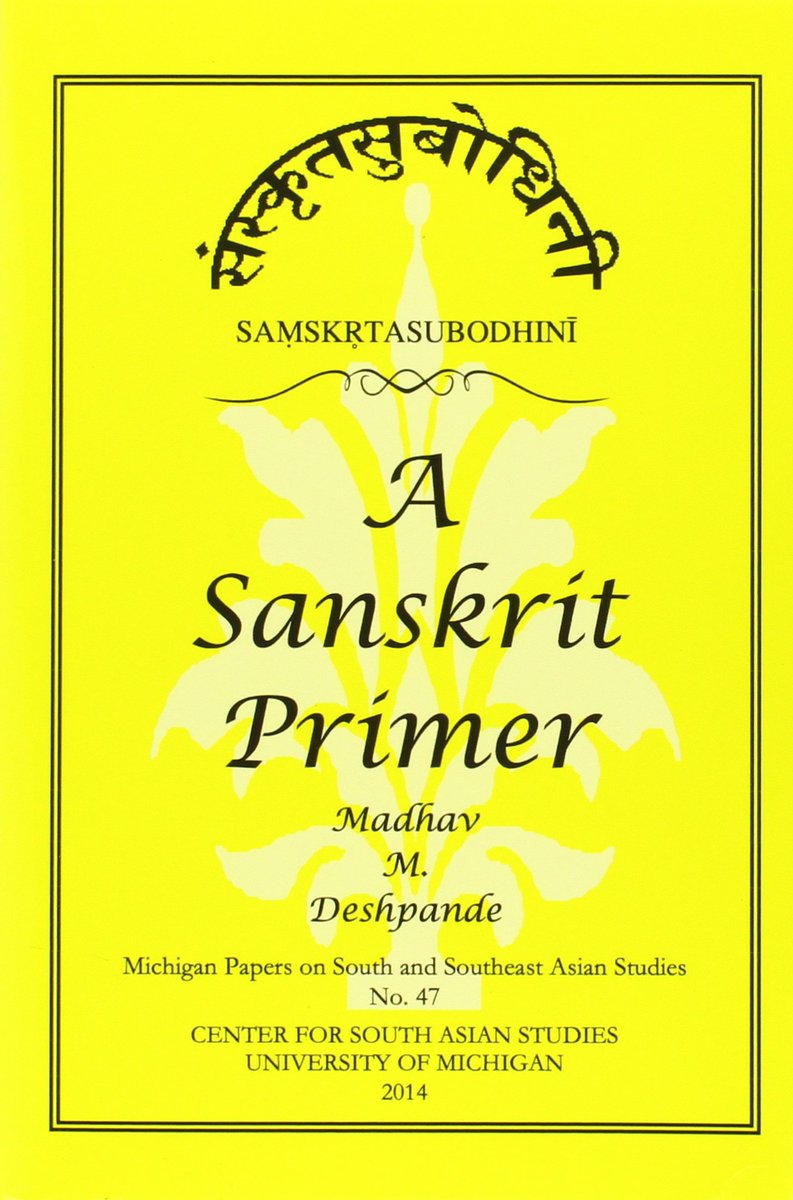
Advantage? It has an accompanying website: https://t.co/PXn11mHCG3 (not run by Prof. Deshpande)
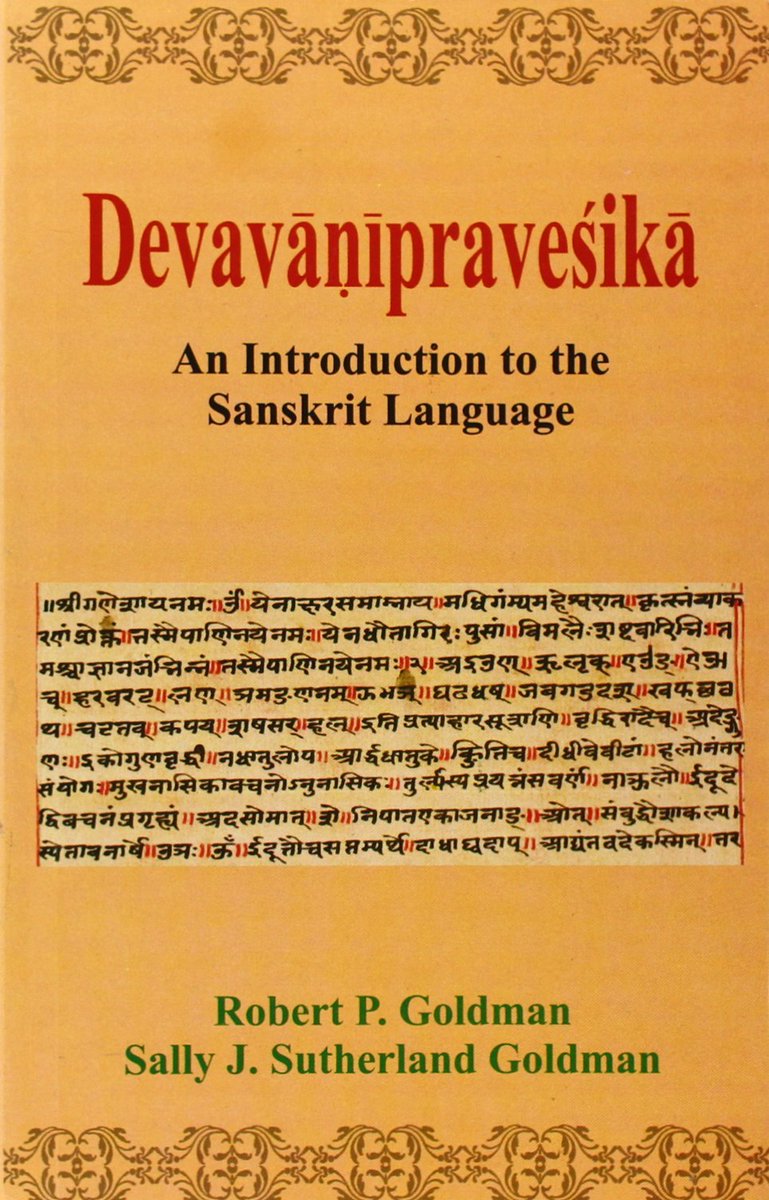
This is the best western course so far. It's biggest advantage? It explains every single grammatical concept in full depth and uses Pāṇinian AND Western terminology. It also has enough readings. (at the end too). I vouch for it.
The real answer, if you get serious about Sanskrit, you should read them all eventually.
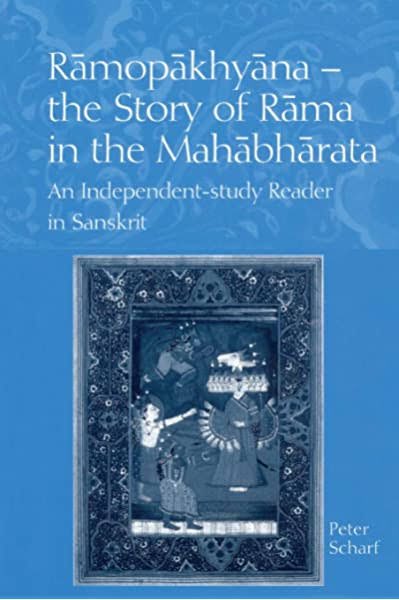
1) Rāmopākhyāna - Peter Scharff


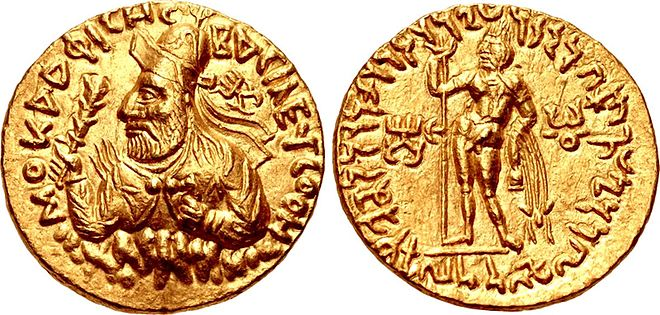
More from Indian History



More from Culture


Stan Lee’s fictional superheroes lived in the real New York. Here’s where they lived, and why. https://t.co/oV1IGGN8R6

Stan Lee, who died Monday at 95, was born in Manhattan and graduated from DeWitt Clinton High School in the Bronx. His pulp-fiction heroes have come to define much of popular culture in the early 21st century.
Tying Marvel’s stable of pulp-fiction heroes to a real place — New York — served a counterbalance to the sometimes gravity-challenged action and the improbability of the stories. That was just what Stan Lee wanted. https://t.co/rDosqzpP8i
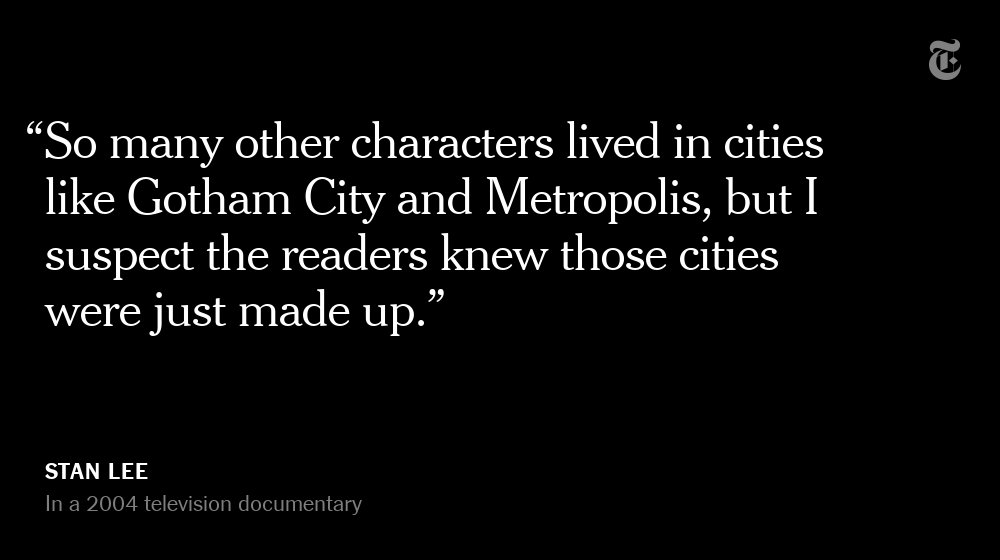
The New York universe hooked readers. And the artists drew what they were familiar with, which made the Marvel universe authentic-looking, down to the water towers atop many of the buildings. https://t.co/rDosqzpP8i

The Avengers Mansion was a Beaux-Arts palace. Fans know it as 890 Fifth Avenue. The Frick Collection, which now occupies the place, uses the address of the front door: 1 East 70th Street.
Stan Lee, who died Monday at 95, was born in Manhattan and graduated from DeWitt Clinton High School in the Bronx. His pulp-fiction heroes have come to define much of popular culture in the early 21st century.
Tying Marvel’s stable of pulp-fiction heroes to a real place — New York — served a counterbalance to the sometimes gravity-challenged action and the improbability of the stories. That was just what Stan Lee wanted. https://t.co/rDosqzpP8i
The New York universe hooked readers. And the artists drew what they were familiar with, which made the Marvel universe authentic-looking, down to the water towers atop many of the buildings. https://t.co/rDosqzpP8i
The Avengers Mansion was a Beaux-Arts palace. Fans know it as 890 Fifth Avenue. The Frick Collection, which now occupies the place, uses the address of the front door: 1 East 70th Street.

Great article from @AsheSchow. I lived thru the 'Satanic Panic' of the 1980's/early 1990's asking myself "Has eveyrbody lost their GODDAMN MINDS?!"
The 3 big things that made the 1980's/early 1990's surreal for me.
1) Satanic Panic - satanism in the day cares ahhhh!
2) "Repressed memory" syndrome
3) Facilitated Communication [FC]
All 3 led to massive abuse.
"Therapists" -and I use the term to describe these quacks loosely - would hypnotize people & convince they they were 'reliving' past memories of Mom & Dad killing babies in Satanic rituals in the basement while they were growing up.
Other 'therapists' would badger kids until they invented stories about watching alligators eat babies dropped into a lake from a hot air balloon. Kids would deny anything happened for hours until the therapist 'broke through' and 'found' the 'truth'.
FC was a movement that started with the claim severely handicapped individuals were able to 'type' legible sentences & communicate if a 'helper' guided their hands over a keyboard.
For three years I have wanted to write an article on moral panics. I have collected anecdotes and similarities between today\u2019s moral panic and those of the past - particularly the Satanic Panic of the 80s.
— Ashe Schow (@AsheSchow) September 29, 2018
This is my finished product: https://t.co/otcM1uuUDk
The 3 big things that made the 1980's/early 1990's surreal for me.
1) Satanic Panic - satanism in the day cares ahhhh!
2) "Repressed memory" syndrome
3) Facilitated Communication [FC]
All 3 led to massive abuse.
"Therapists" -and I use the term to describe these quacks loosely - would hypnotize people & convince they they were 'reliving' past memories of Mom & Dad killing babies in Satanic rituals in the basement while they were growing up.
Other 'therapists' would badger kids until they invented stories about watching alligators eat babies dropped into a lake from a hot air balloon. Kids would deny anything happened for hours until the therapist 'broke through' and 'found' the 'truth'.
FC was a movement that started with the claim severely handicapped individuals were able to 'type' legible sentences & communicate if a 'helper' guided their hands over a keyboard.

@bellingcat's attempt in their new book, published by
@BloomsburyBooks, to coverup the @OPCW #Douma controversy, promote US and UK gov. war narratives, and whitewash fraudulent conduct within the OPCW, is an exercise in deception through omission. @BloomsburyPub @Tim_Hayward_
1) 2000 words are devoted to the OPCW controversy regarding the alleged chemical weapon attack in #Douma, Syria in 2018 but critical material is omitted from the book. Reading it, one would never know the following:
2) That the controversy started when the original interim report, drafted and agreed by Douma inspection team members, was secretly modified by an unknown OPCW person who had manipulated the findings to suggest an attack had occurred. https://t.co/QtAAyH9WyX… @RobertF40396660
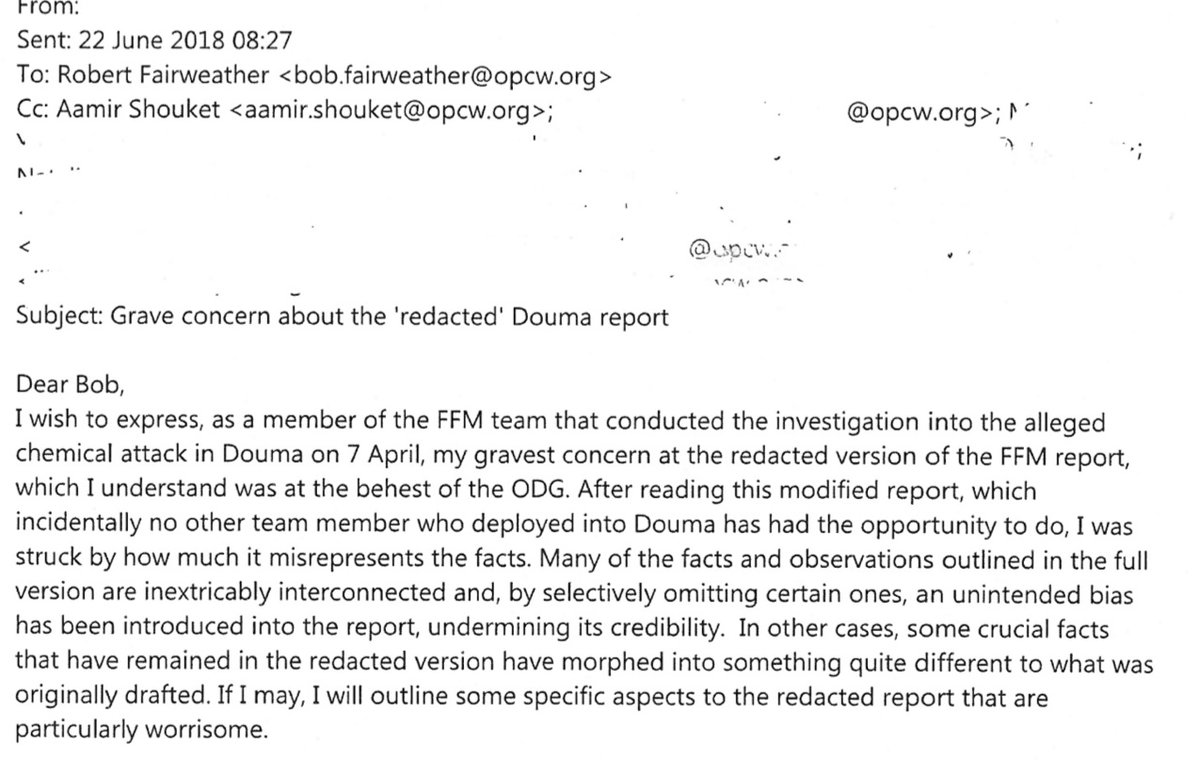
3) This act of attempted deception was only derailed because an inspector discovered the secret changes. The manipulations were reported by @ClarkeMicah
and can be readily observed in documents now available https://t.co/2BUNlD8ZUv….
4) @bellingcat's book also makes no mention of the @couragefoundation panel, attended by the @opcw's first Director General, Jose Bustani, at which an OPCW official detailed key procedural irregularities and scientific flaws with the Final Douma Report:
@BloomsburyBooks, to coverup the @OPCW #Douma controversy, promote US and UK gov. war narratives, and whitewash fraudulent conduct within the OPCW, is an exercise in deception through omission. @BloomsburyPub @Tim_Hayward_
\u201cAllegations of our involvement with the intelligence services are of course false,\u201d says Bellingcat founder @EliotHiggins https://t.co/55V7sJV9or
— UnHerd (@unherd) February 15, 2021
1) 2000 words are devoted to the OPCW controversy regarding the alleged chemical weapon attack in #Douma, Syria in 2018 but critical material is omitted from the book. Reading it, one would never know the following:
2) That the controversy started when the original interim report, drafted and agreed by Douma inspection team members, was secretly modified by an unknown OPCW person who had manipulated the findings to suggest an attack had occurred. https://t.co/QtAAyH9WyX… @RobertF40396660
3) This act of attempted deception was only derailed because an inspector discovered the secret changes. The manipulations were reported by @ClarkeMicah
and can be readily observed in documents now available https://t.co/2BUNlD8ZUv….
4) @bellingcat's book also makes no mention of the @couragefoundation panel, attended by the @opcw's first Director General, Jose Bustani, at which an OPCW official detailed key procedural irregularities and scientific flaws with the Final Douma Report:

. THREAD 1/x
David Baddiel is getting lots of coverage and feedback on his book which again focuses on so called 'left wing' antisemitism.
I will start by saying that I have seen antisemitic comments made by Labour members and some genuine cases.
However, I have huge concerns.
2/x
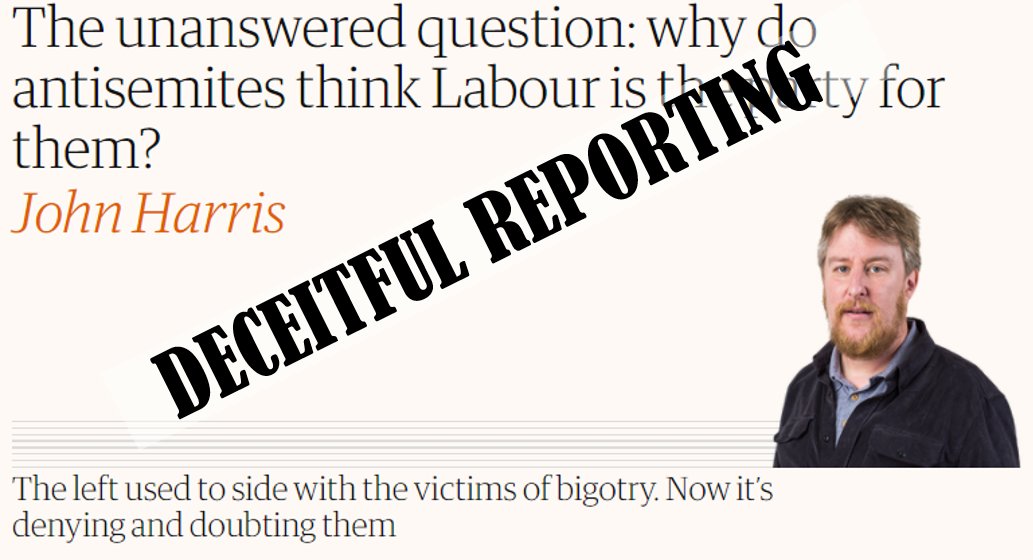
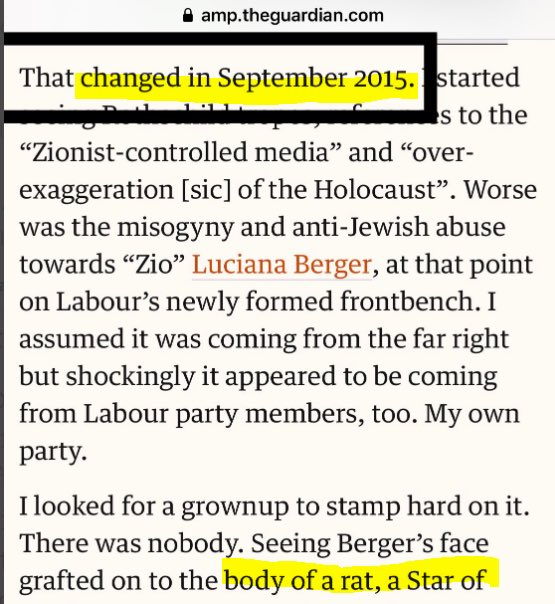
Let's look in detail at this article written in April 2019 in the @Guardian - and I will explain the concerns.
The areas highlighted guide you to believe this was all Labour - IT WASN'T.
It also occurred before 2015! Detail follows...
https://t.co/cK59FP83aG
3/x
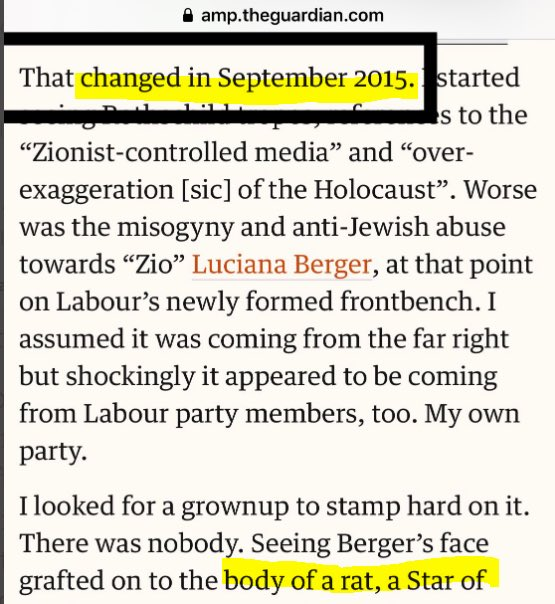
So as you see the writer of this rather deceitful piece starts with
"THAT CHANGED IN SEPTEMBER 2015" 🙄
This was done to point the timeframe as Corbyn's leadership. Yet the article goes on to describe things that are not even related to Labour, which occurred in 2014.
4/x
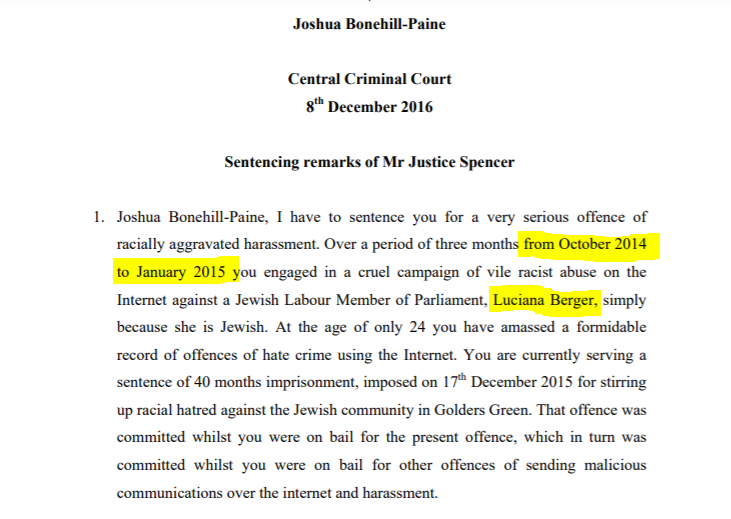
So... What in fact the @Guardian writer is discussing here is this case - where a group of Neo-Nazi's spent months inflicting abuse on Jewish MP Luciana Berger
All the detail is in the Court Notes when Bonehill-Paine was sentenced by the judge.
https://t.co/wAyo6Yro5Q
5/x
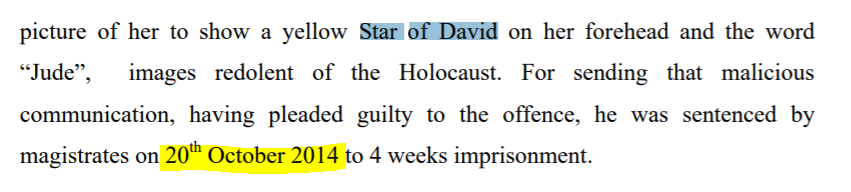
The Justice sentencing remarks to Neo-Nazi explain the previous cases too. See the date 2014.
Yet the Guardian writer refers to this NON LABOUR case to effectively make her article a lie.
"Star of David" - this was Garron Helm another neo-Nazi..
David Baddiel is getting lots of coverage and feedback on his book which again focuses on so called 'left wing' antisemitism.
I will start by saying that I have seen antisemitic comments made by Labour members and some genuine cases.
However, I have huge concerns.
2/x
Let's look in detail at this article written in April 2019 in the @Guardian - and I will explain the concerns.
The areas highlighted guide you to believe this was all Labour - IT WASN'T.
It also occurred before 2015! Detail follows...
https://t.co/cK59FP83aG
3/x
So as you see the writer of this rather deceitful piece starts with
"THAT CHANGED IN SEPTEMBER 2015" 🙄
This was done to point the timeframe as Corbyn's leadership. Yet the article goes on to describe things that are not even related to Labour, which occurred in 2014.
4/x
So... What in fact the @Guardian writer is discussing here is this case - where a group of Neo-Nazi's spent months inflicting abuse on Jewish MP Luciana Berger
All the detail is in the Court Notes when Bonehill-Paine was sentenced by the judge.
https://t.co/wAyo6Yro5Q
5/x
The Justice sentencing remarks to Neo-Nazi explain the previous cases too. See the date 2014.
Yet the Guardian writer refers to this NON LABOUR case to effectively make her article a lie.
"Star of David" - this was Garron Helm another neo-Nazi..
You May Also Like

1/ 👋 Excited to share what we’ve been building at https://t.co/GOQJ7LjQ2t + we are going to tweetstorm our progress every week!
Week 1 highlights: getting shortlisted for YC W2019🤞, acquiring a premium domain💰, meeting Substack's @hamishmckenzie and Stripe CEO @patrickc 🤩
2/ So what is Brew?
brew / bru : / to make (beer, coffee etc.) / verb: begin to develop 🌱
A place for you to enjoy premium content while supporting your favorite creators. Sort of like a ‘Consumer-facing Patreon’ cc @jackconte
(we’re still working on the pitch)
3/ So, why be so transparent? Two words: launch strategy.
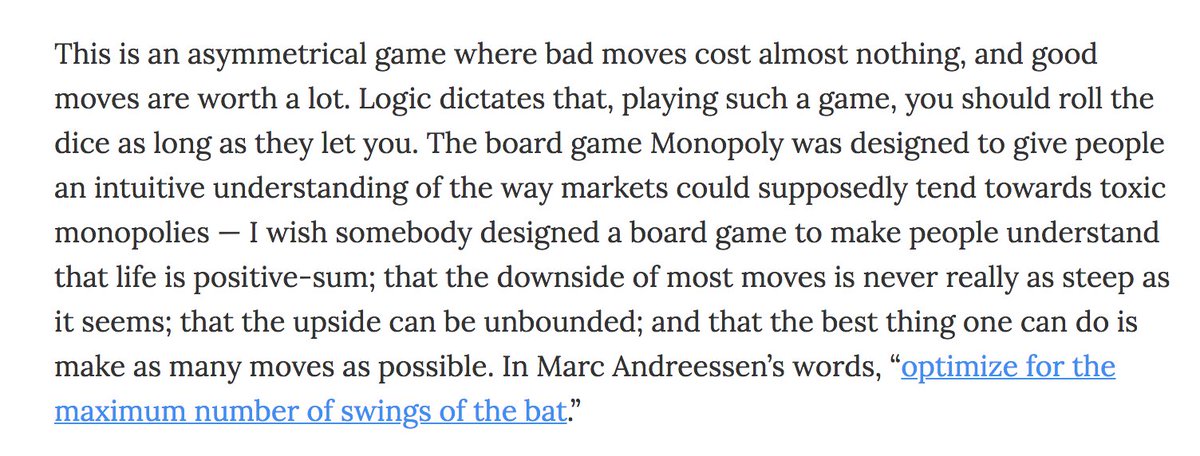
jk 😅 a) I loooove doing something consistently for a long period of time b) limited downside and infinite upside (feedback, accountability, reach).
cc @altimor, @pmarca
4/ https://t.co/GOQJ7LjQ2t domain 🍻
It started with a cold email. Guess what? He was using BuyMeACoffee on his blog, and was excited to hear about what we're building next. Within 2w, we signed the deal at @Escrowcom's SF office. You’re a pleasure to work with @MichaelCyger!
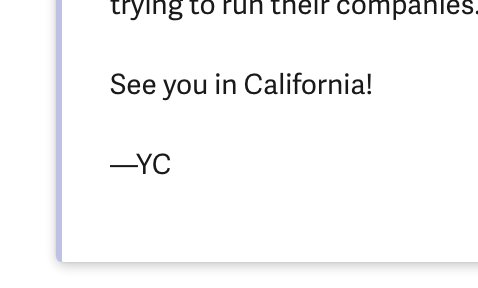
5/ @ycombinator's invite for the in-person interview arrived that evening. Quite a day!
Thanks @patio11 for the thoughtful feedback on our YC application, and @gabhubert for your directions on positioning the product — set the tone for our pitch!
Week 1 highlights: getting shortlisted for YC W2019🤞, acquiring a premium domain💰, meeting Substack's @hamishmckenzie and Stripe CEO @patrickc 🤩
2/ So what is Brew?
brew / bru : / to make (beer, coffee etc.) / verb: begin to develop 🌱
A place for you to enjoy premium content while supporting your favorite creators. Sort of like a ‘Consumer-facing Patreon’ cc @jackconte
(we’re still working on the pitch)
3/ So, why be so transparent? Two words: launch strategy.
jk 😅 a) I loooove doing something consistently for a long period of time b) limited downside and infinite upside (feedback, accountability, reach).
cc @altimor, @pmarca
4/ https://t.co/GOQJ7LjQ2t domain 🍻
It started with a cold email. Guess what? He was using BuyMeACoffee on his blog, and was excited to hear about what we're building next. Within 2w, we signed the deal at @Escrowcom's SF office. You’re a pleasure to work with @MichaelCyger!
5/ @ycombinator's invite for the in-person interview arrived that evening. Quite a day!
Thanks @patio11 for the thoughtful feedback on our YC application, and @gabhubert for your directions on positioning the product — set the tone for our pitch!