Xi Jinping's speech at Davos boiled down to: The world has no choice but to do business with China, and if you want to do business with China, you need to stop criticizing our tyranny and questioning our lies about the
More from John Hayward
When people voted to drain the swamp, they knew the alligators - the high-profile D.C. power players, special interests, and safe seat senators-for-life - would be a problem. They underestimated the vast horde of smaller critters squirming in the muck at the bottom of the swamp.
As @davereaboi pointed out, the ecosystem that feeds on the endless torrent of deficit-fueled D.C. spending is vast beyond belief, and it has tentacles that reach around the world. That ecosystem has multiple layers, and every one of them will fight to keep Big Gov money flowing.
There are entities wholly dedicated to spend money spent by entities that spend money spent by entities that spend money spent by entities that spend money from D.C. Many are invisible to taxpayers. Some are foreign operations utterly beyond the reach of American voters.
And even when an outsider comes along and dislodges a few swamp creatures, we find another massive ecosystem dedicated to breeding and replacing them. Most people in the heartland have no idea how vast is the machinery that produces manpower for the permanent bureaucracy.
Pluck out one parasite, and a swarm of fresh parasites is ready to flow in and replace it. Educational institutions and bureaucratic recruitment systems are working around the clock to embed the ideology of statism in legions of aspiring government employees and NGO staffers.
When people see budgetary line item boondoggles, they\u2019re momentarily outraged\u2014but they should think through how the money will be dispersed, and by whom. There\u2019s a massive industry for spending USG money out there, and people should know about it. https://t.co/1MBeTuaMDP
— David Reaboi (@davereaboi) December 23, 2020
As @davereaboi pointed out, the ecosystem that feeds on the endless torrent of deficit-fueled D.C. spending is vast beyond belief, and it has tentacles that reach around the world. That ecosystem has multiple layers, and every one of them will fight to keep Big Gov money flowing.
There are entities wholly dedicated to spend money spent by entities that spend money spent by entities that spend money spent by entities that spend money from D.C. Many are invisible to taxpayers. Some are foreign operations utterly beyond the reach of American voters.
And even when an outsider comes along and dislodges a few swamp creatures, we find another massive ecosystem dedicated to breeding and replacing them. Most people in the heartland have no idea how vast is the machinery that produces manpower for the permanent bureaucracy.
Pluck out one parasite, and a swarm of fresh parasites is ready to flow in and replace it. Educational institutions and bureaucratic recruitment systems are working around the clock to embed the ideology of statism in legions of aspiring government employees and NGO staffers.
More from World







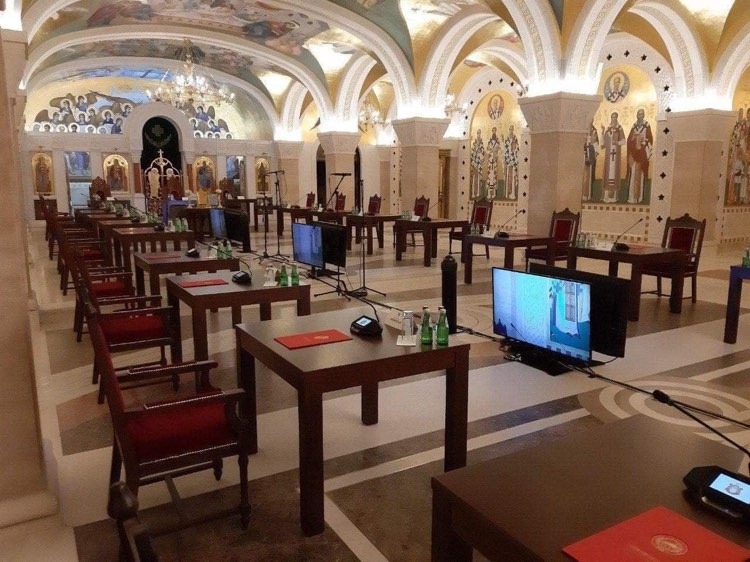

Watch the entire discussion if you have the time to do so. But if not, please make sure to watch Edhem Eldem summarizing ~150 years of democracy in Turkey in 6 minutes (starting on 57'). And if you can't watch it, fear not; I've transcribed it for you (as public service). Thread:
"Let me start by saying that I am a historian, I see dead people. But more seriously, I am constantly torn between the temptation to see patterns developing over time, and the fear of hasty generalizations and anachronistic comparisons. 1/n
"Nevertheless, the present situation forces me to explore the possible historical dimensions of the problem we're facing today. 2/n
"(...)I intend to go further back in time and widen the angle in order to focus on the confusion I believe exists between the notions of 'state', 'government', and 'public institutions' in Turkey. 3/n
"In the summer of 1876, that's a historical quote, as Midhat Pasa was trying to draft a constitution, Edhem Pasa wrote to Saffet Pasa, and I quote in Turkish, 'Bize Konstitusyon degil enstitusyon lazim' ('It is not a constitution we need but institutions'). 4/n
https://t.co/1GtPJaxi1H - Ka\xe7\u0131rmay\u0131n bu muhte\u015fem Bo\u011fazi\xe7i hocalar\u0131 ge\xe7idini !
— dilek cinar (@dlkcinar) February 16, 2021
"Let me start by saying that I am a historian, I see dead people. But more seriously, I am constantly torn between the temptation to see patterns developing over time, and the fear of hasty generalizations and anachronistic comparisons. 1/n
"Nevertheless, the present situation forces me to explore the possible historical dimensions of the problem we're facing today. 2/n
"(...)I intend to go further back in time and widen the angle in order to focus on the confusion I believe exists between the notions of 'state', 'government', and 'public institutions' in Turkey. 3/n
"In the summer of 1876, that's a historical quote, as Midhat Pasa was trying to draft a constitution, Edhem Pasa wrote to Saffet Pasa, and I quote in Turkish, 'Bize Konstitusyon degil enstitusyon lazim' ('It is not a constitution we need but institutions'). 4/n
You May Also Like

THE MEANING, SIGNIFICANCE AND HISTORY OF SWASTIK
The Swastik is a geometrical figure and an ancient religious icon. Swastik has been Sanatan Dharma’s symbol of auspiciousness – mangalya since time immemorial.

The name swastika comes from Sanskrit (Devanagari: स्वस्तिक, pronounced: swastik) &denotes “conducive to wellbeing or auspicious”.
The word Swastik has a definite etymological origin in Sanskrit. It is derived from the roots su – meaning “well or auspicious” & as meaning “being”.

"सु अस्ति येन तत स्वस्तिकं"
Swastik is de symbol through which everything auspicios occurs
Scholars believe word’s origin in Vedas,known as Swasti mantra;
"🕉स्वस्ति ना इन्द्रो वृधश्रवाहा
स्वस्ति ना पूषा विश्ववेदाहा
स्वस्तिनास्तरक्ष्यो अरिश्तनेमिही
स्वस्तिनो बृहस्पतिर्दधातु"

It translates to," O famed Indra, redeem us. O Pusha, the beholder of all knowledge, redeem us. Redeem us O Garudji, of limitless speed and O Bruhaspati, redeem us".
SWASTIK’s COSMIC ORIGIN
The Swastika represents the living creation in the whole Cosmos.

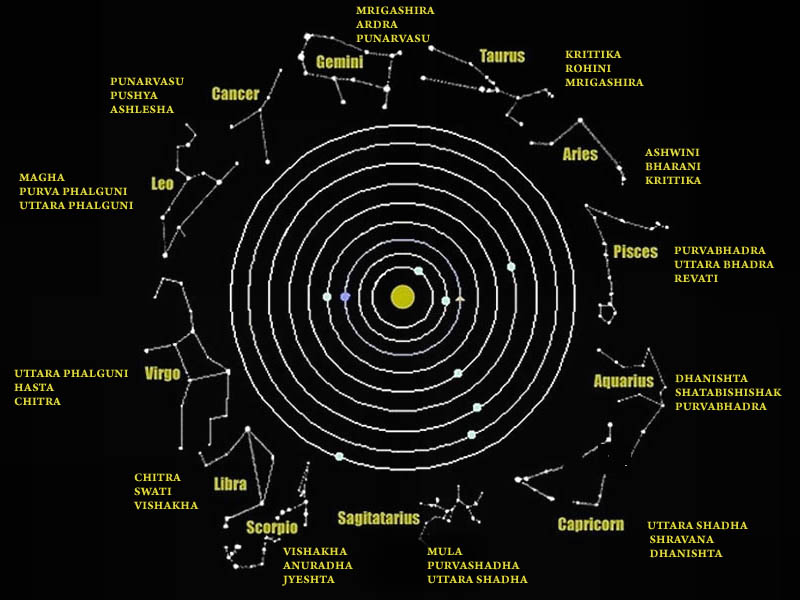
Hindu astronomers divide the ecliptic circle of cosmos in 27 divisions called https://t.co/sLeuV1R2eQ this manner a cross forms in 4 directions in the celestial sky. At centre of this cross is Dhruva(Polestar). In a line from Dhruva, the stars known as Saptarishi can be observed.
The Swastik is a geometrical figure and an ancient religious icon. Swastik has been Sanatan Dharma’s symbol of auspiciousness – mangalya since time immemorial.
The name swastika comes from Sanskrit (Devanagari: स्वस्तिक, pronounced: swastik) &denotes “conducive to wellbeing or auspicious”.
The word Swastik has a definite etymological origin in Sanskrit. It is derived from the roots su – meaning “well or auspicious” & as meaning “being”.
"सु अस्ति येन तत स्वस्तिकं"
Swastik is de symbol through which everything auspicios occurs
Scholars believe word’s origin in Vedas,known as Swasti mantra;
"🕉स्वस्ति ना इन्द्रो वृधश्रवाहा
स्वस्ति ना पूषा विश्ववेदाहा
स्वस्तिनास्तरक्ष्यो अरिश्तनेमिही
स्वस्तिनो बृहस्पतिर्दधातु"
It translates to," O famed Indra, redeem us. O Pusha, the beholder of all knowledge, redeem us. Redeem us O Garudji, of limitless speed and O Bruhaspati, redeem us".
SWASTIK’s COSMIC ORIGIN
The Swastika represents the living creation in the whole Cosmos.
Hindu astronomers divide the ecliptic circle of cosmos in 27 divisions called https://t.co/sLeuV1R2eQ this manner a cross forms in 4 directions in the celestial sky. At centre of this cross is Dhruva(Polestar). In a line from Dhruva, the stars known as Saptarishi can be observed.