One thing people on the Right could learn from the Left: stop treating elections and court cases as either total victories or final defeats. The battle for truth, justice, and the American Way is never-ending. Never let either friends or foes convince you otherwise.
More from John Hayward
More from Politics

For a few weeks I’ve been wondering about Alexandria Ocasio-Cortez and just how she emerged as a politico. Her path to Washington is shocking, at the very least. My first question was: What were her campaign positions BEFORE she became a national figure?
1/
So I went to her campaign website and took that web address and looked through the internet archive. When I went back to 2017, it was not her website, it belonged to the group "Brand New Congress."
2/
Here's what the web address https://t.co/Uhz2q4Dpll looks like now:
3/
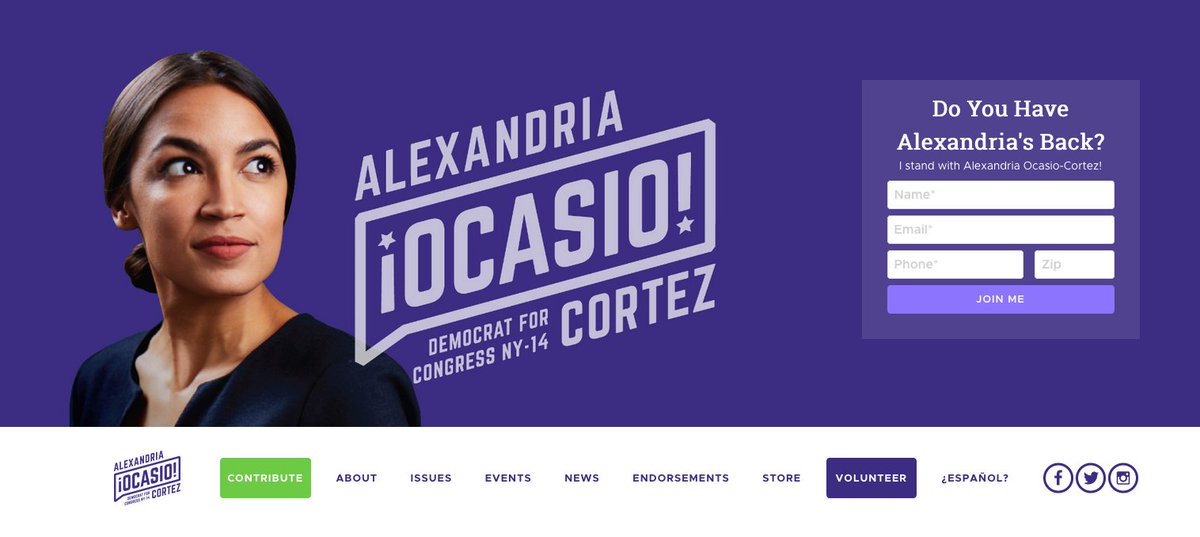
Here's what the same web address looked like in late 2017:
4/
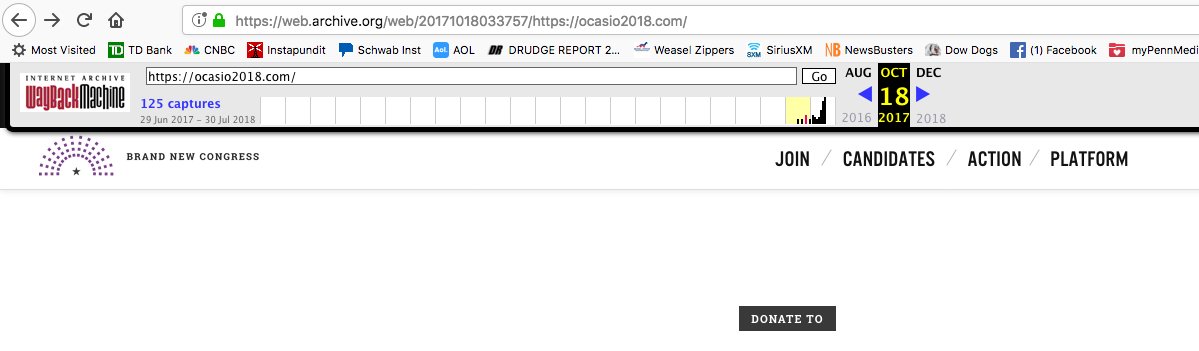
What's “Brand New Congress?” BNC is a group of Bernie Sanders staffers who got together, decided to make the 2018 midterms all about Bernie policies by taking his ideas & finding 400 Bernie carbon copies to dump into Congressional & other races, creating a 400 headed Bernie.
5/
1/
So I went to her campaign website and took that web address and looked through the internet archive. When I went back to 2017, it was not her website, it belonged to the group "Brand New Congress."
2/
Here's what the web address https://t.co/Uhz2q4Dpll looks like now:
3/
Here's what the same web address looked like in late 2017:
4/
What's “Brand New Congress?” BNC is a group of Bernie Sanders staffers who got together, decided to make the 2018 midterms all about Bernie policies by taking his ideas & finding 400 Bernie carbon copies to dump into Congressional & other races, creating a 400 headed Bernie.
5/


THREAD
1)
@SidneyPowell1 reflects on #Iran’s meddling in the U.S. in a recent tweet to U.S. President Donald Trump.
This thread focuses on Iran’s dangerous influence in the U.S., especially through its DC-based lobby group
2)
Why is this important?
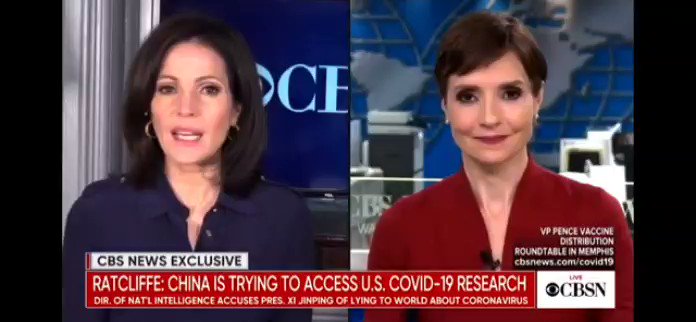
@DNI_Ratcliffe "told CBS News that there was foreign election interference by China, #Iran & Russia in November of this year [2020]."
All Americans should be informed about how Iran & its lobby group NIAC are meddling in the
3)
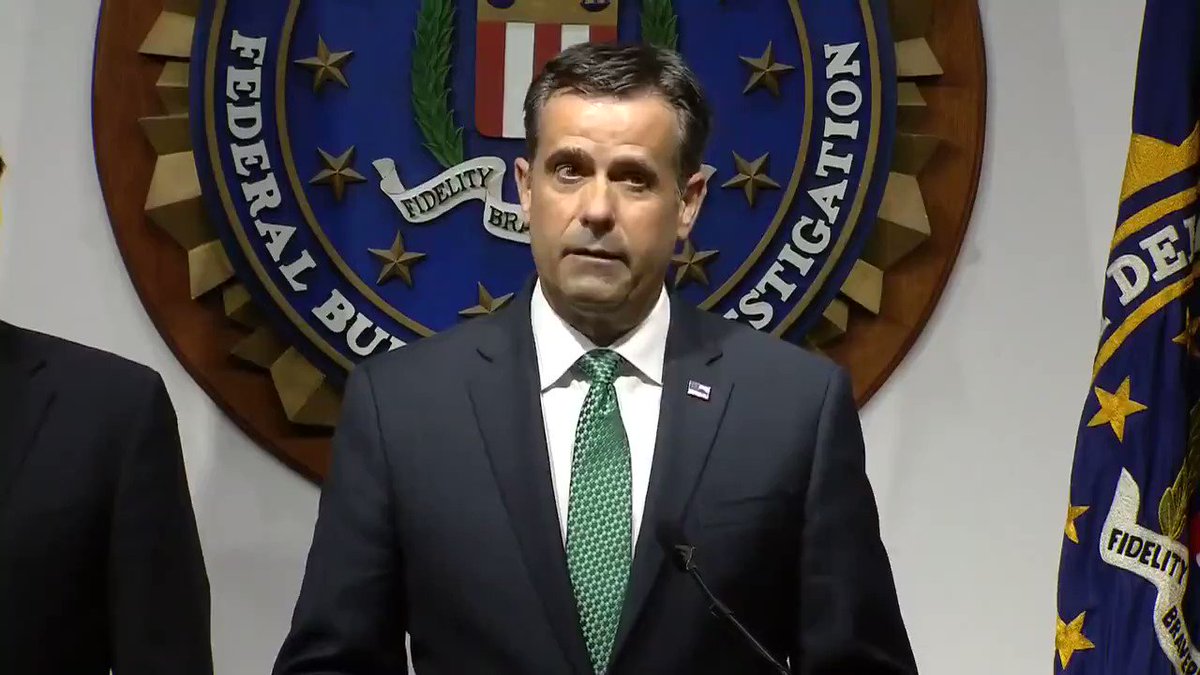
#Iran has been increasingly aiming to interfere in U.S. elections specifically through NIAC.
DNI John Ratcliffe had previously shed light on this vital
4)
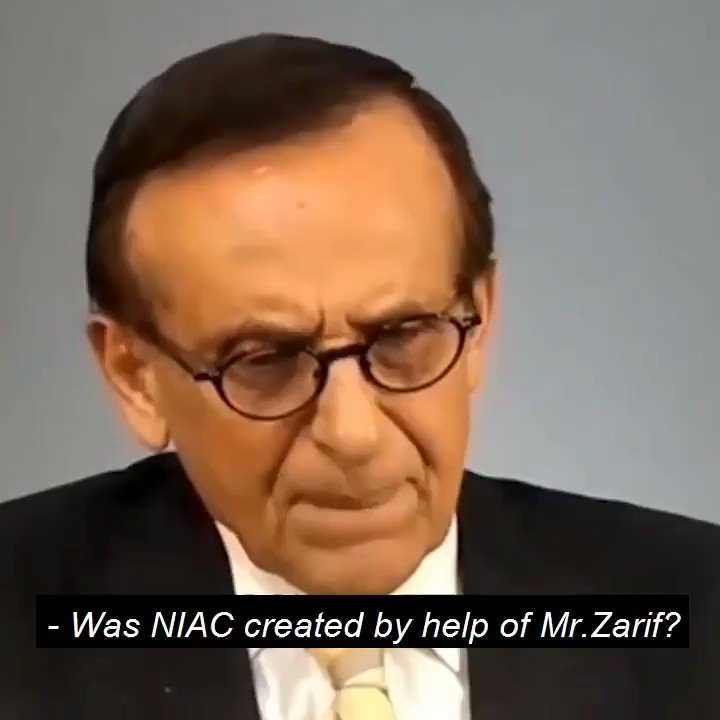
NIAC is a lobby group in the U.S. pushing Iran’s talking points.
Listen to this Iranian regime insider explain that NIAC was established by @JZarif, the foreign minister of
5)
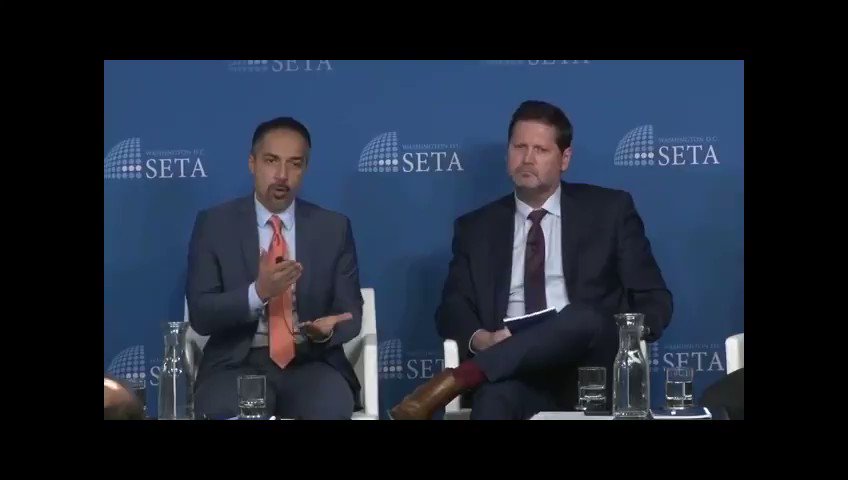
@tparsi is the official founder of NIAC in the U.S.
Listen to how Trita Parsi parrots Zarif’s talking
1)
@SidneyPowell1 reflects on #Iran’s meddling in the U.S. in a recent tweet to U.S. President Donald Trump.
This thread focuses on Iran’s dangerous influence in the U.S., especially through its DC-based lobby group
Dear @realDonaldTrump
— Sidney Powell \U0001f1fa\U0001f1f8\u2b50\u2b50\u2b50 (@SidneyPowell1) December 23, 2020
#China and #Iran stole this election from the #American people
who voted for you in a world-record landslide!
We must expose all the corruption and restore the Republic now
There will never be a free and fair election if we don\u2019t end the rigging now \U0001f1fa\U0001f1f8 pic.twitter.com/2t707xN0ar
2)
Why is this important?
@DNI_Ratcliffe "told CBS News that there was foreign election interference by China, #Iran & Russia in November of this year [2020]."
All Americans should be informed about how Iran & its lobby group NIAC are meddling in the
3)
#Iran has been increasingly aiming to interfere in U.S. elections specifically through NIAC.
DNI John Ratcliffe had previously shed light on this vital
4)
NIAC is a lobby group in the U.S. pushing Iran’s talking points.
Listen to this Iranian regime insider explain that NIAC was established by @JZarif, the foreign minister of
5)
@tparsi is the official founder of NIAC in the U.S.
Listen to how Trita Parsi parrots Zarif’s talking

Here we go. Tag 4 des Impeachments. Trumps Verteidigung.
Es wird argumentiert, dass Trump nur habe sicherstellen wollen, dass die Wahl fair abgelaufen sei. Die Verteidigung zeigt Clips einzelner Demokraten, die der Zertifizierung von Trumps Stimmen 2016 widersprechen. (Dass es 2016 keinen von Obama gesandten Mob aufs Kapitol gab?Egal!)
Die intellektuelle Unehrlichkeit ist so unfassbar, ich weiß kaum, wo ich hier überhaupt anfangen soll; so viele fucking Strohmänner auf einmal.
Die Verteidigung spielt random Clips, in denen Demokraten “fight” sagen, fast zehn Minuten lang. Weil Trump 20mal am 6. Januar “fight” gesagt hat. Dies ist kein Witz. Komisch, dass sonst die Folge nie war, dass ein Mob das Kapitol gestürmt hat und Pence hängen wollte
“Dieser Fall geht um politischen Hass” Ich mein, ja. “Die House Managers hassen Donald Trump.”
So close.
Michael van der Veen begins Trump's defense: "The article of impeachment now before the Senate is an unjust and blatantly unconstitutional act of political vengeance" pic.twitter.com/xRaZHEPIaC
— Aaron Rupar (@atrupar) February 12, 2021
Es wird argumentiert, dass Trump nur habe sicherstellen wollen, dass die Wahl fair abgelaufen sei. Die Verteidigung zeigt Clips einzelner Demokraten, die der Zertifizierung von Trumps Stimmen 2016 widersprechen. (Dass es 2016 keinen von Obama gesandten Mob aufs Kapitol gab?Egal!)
Die intellektuelle Unehrlichkeit ist so unfassbar, ich weiß kaum, wo ich hier überhaupt anfangen soll; so viele fucking Strohmänner auf einmal.
Die Verteidigung spielt random Clips, in denen Demokraten “fight” sagen, fast zehn Minuten lang. Weil Trump 20mal am 6. Januar “fight” gesagt hat. Dies ist kein Witz. Komisch, dass sonst die Folge nie war, dass ein Mob das Kapitol gestürmt hat und Pence hängen wollte
WATCH: Trump's defense plays nearly 10 minutes of clips showing Democrats using the word "fight," to defend Trump using the word "fight" about 20 times in his speech to supporters before the Capitol riot began https://t.co/YUg7sgxuDX pic.twitter.com/3eMNp7E2S2
— CBS News (@CBSNews) February 12, 2021
“Dieser Fall geht um politischen Hass” Ich mein, ja. “Die House Managers hassen Donald Trump.”
So close.

"3 million people are estimated not to have official photo ID, with ethnic minorities more at risk". They will "have to contact their council to confirm their ID if they want to vote"
This is shameful legislation, that does nothing to tackle the problems with UK elections.THREAD
There is no evidence in-person voter fraud is a problem, and it wd be near-impossible to organise on an effective scale. Campaign finance violations, digital disinformation & manipulation of postal voting are bigger issues, but these are crimes of the powerful, not the powerless.
In a democracy, anything that makes it harder to vote - in particular, anything that disadvantages one group of voters - should face an extremely high bar. Compulsory voter ID takes a hammer to 3 million legitimate voters (disproportionately poor & BAME) to crack an imaginary nut
If the government is concerned about the purity of elections, it should reflect on its own conduct. In 2019 it circulated doctored news footage of an opponent, disguised its twitter feed as a fake fact-checking site, and ran adverts so dishonest that even Facebook took them down.
Britain's electoral law largely predates the internet. There is little serious regulation of online campaigning or the cash that pays for it. That allows unscrupulous campaigners to ignore much of the legal framework erected since the C19th to guard against electoral misconduct.
This is shameful legislation, that does nothing to tackle the problems with UK elections.THREAD
Millions of people do not have photo ID. By forcing through mandatory voter-ID the government risk disenfranchising millions of legitimate voters. https://t.co/y0Upzof2FI
— Electoral Reform Society (@electoralreform) February 17, 2021
There is no evidence in-person voter fraud is a problem, and it wd be near-impossible to organise on an effective scale. Campaign finance violations, digital disinformation & manipulation of postal voting are bigger issues, but these are crimes of the powerful, not the powerless.
In a democracy, anything that makes it harder to vote - in particular, anything that disadvantages one group of voters - should face an extremely high bar. Compulsory voter ID takes a hammer to 3 million legitimate voters (disproportionately poor & BAME) to crack an imaginary nut
If the government is concerned about the purity of elections, it should reflect on its own conduct. In 2019 it circulated doctored news footage of an opponent, disguised its twitter feed as a fake fact-checking site, and ran adverts so dishonest that even Facebook took them down.
Britain's electoral law largely predates the internet. There is little serious regulation of online campaigning or the cash that pays for it. That allows unscrupulous campaigners to ignore much of the legal framework erected since the C19th to guard against electoral misconduct.
You May Also Like

To people who are under the impression that you can get rich quickly by working on an app, here are the stats for https://t.co/az8F12pf02
📈 ~12000 vistis
☑️ 109 transactions
💰 353€ profit (285 after tax)
I have spent 1.5 months on this app. You can make more $ in 2 days.
🤷♂️

I'm still happy that I launched a paid app bcs it involved extra work:
- backend for processing payments (+ permissions, webhooks, etc)
- integration with payment processor
- UI for license activation in Electron
- machine activation limit
- autoupdates
- mailgun emails
etc.
These things seemed super scary at first. I always thought it was way too much work and something would break. But I'm glad I persisted. So far the only problem I have is that mailgun is not delivering the license keys to certain domains like https://t.co/6Bqn0FUYXo etc. 👌
omg I just realized that me . com is an Apple domain, of course something wouldn't work with these dicks
📈 ~12000 vistis
☑️ 109 transactions
💰 353€ profit (285 after tax)
I have spent 1.5 months on this app. You can make more $ in 2 days.
🤷♂️
I'm still happy that I launched a paid app bcs it involved extra work:
- backend for processing payments (+ permissions, webhooks, etc)
- integration with payment processor
- UI for license activation in Electron
- machine activation limit
- autoupdates
- mailgun emails
etc.
These things seemed super scary at first. I always thought it was way too much work and something would break. But I'm glad I persisted. So far the only problem I have is that mailgun is not delivering the license keys to certain domains like https://t.co/6Bqn0FUYXo etc. 👌
omg I just realized that me . com is an Apple domain, of course something wouldn't work with these dicks