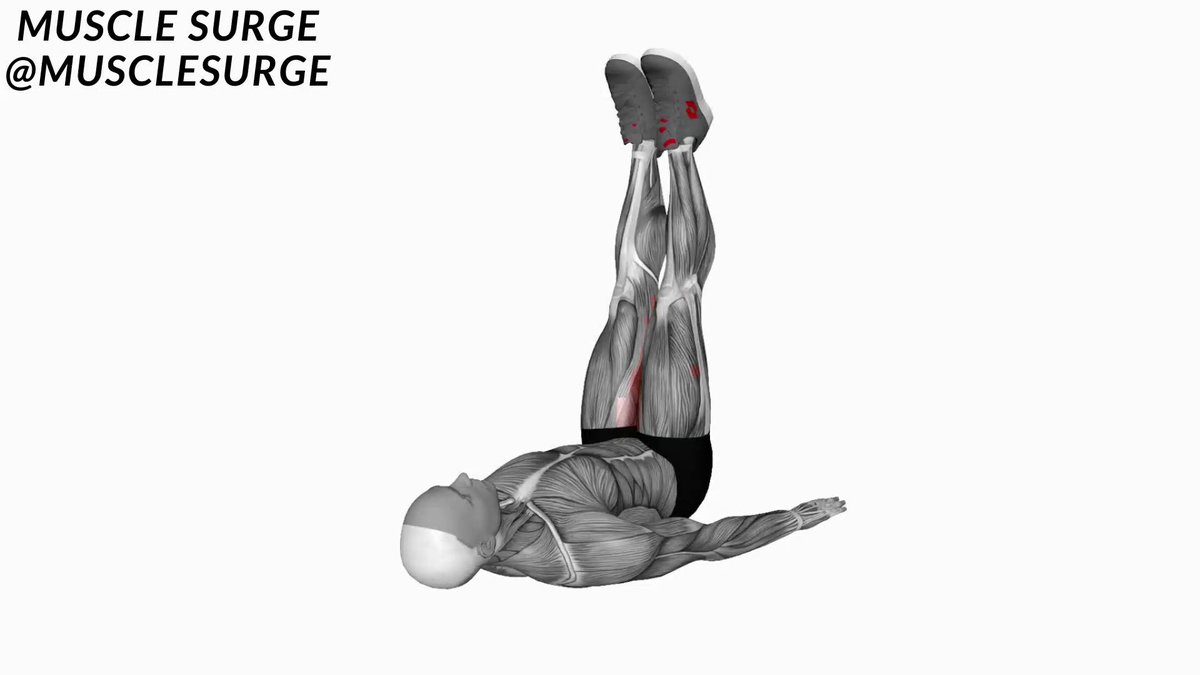
To start, choose a set of bands with different resistance levels to vary the intensity of your exercises and train them close to failure for the hypertrophy.
You can buy a pair of resistance bands for INR 500 and bring them with you everywhere
Below are 10 band movements you can use to get an intense workout from absolutely anywhere:
To start, choose a set of bands with different resistance levels to vary the intensity of your exercises and train them close to failure for the hypertrophy.
If you are a beginner, start with a light band, and gradually move up to a heavier one as you get stronger.
You can also use multiple bands to increase the resistance level.
Perform all the exercises in high rep ranges for 3-4 Sets according to your time availability.
Example ( 3 sets of 15-20 reps for Split Squat)

I have clients training from home losing 10-15kg while building muscle.
If your priority is fixing health then you will make time for it and 3-5 hours/week will give you way much more benefit.
If you learned a few things, please retweet the first tweet for others to see
& Bookmark this thread to reference later
Remember, these things will work once you start taking action.
Commit for 3 months and achieve your goals
https://t.co/qZZsQ5t9Hg
You can buy a pair of resistance bands for INR 500 and bring them with you everywhere
— Abhi Rajput (@Abhirajputfit) March 9, 2023
Below are 10 band movements you can use to get an intense workout from absolutely anywhere: pic.twitter.com/ubMibHmk7Z
More from Workouts
You May Also Like
First thread of the year because I have time during MCO. As requested, a thread on the gods and spirits of Malay folk religion. Some are indigenous, some are of Indian origin, some have Islamic
Before I begin, it might be worth explaining the Malay conception of the spirit world. At its deepest level, Malay religious belief is animist. All living beings and even certain objects are said to have a soul. Natural phenomena are either controlled by or personified as spirits
Although these beings had to be respected, not all of them were powerful enough to be considered gods. Offerings would be made to the spirits that had greater influence on human life. Spells and incantations would invoke their
Two known examples of such elemental spirits that had god-like status are Raja Angin (king of the wind) and Mambang Tali Arus (spirit of river currents). There were undoubtedly many more which have been lost to time
Contact with ancient India brought the influence of Hinduism and Buddhism to SEA. What we now call Hinduism similarly developed in India out of native animism and the more formal Vedic tradition. This can be seen in the multitude of sacred animals and location-specific Hindu gods
i wonder if you can make a thread bout witchcraft in malaysia.. or list of our own local gods/deites..
— r a y a \U0001f319 (@lcvelylilith) February 20, 2020
Before I begin, it might be worth explaining the Malay conception of the spirit world. At its deepest level, Malay religious belief is animist. All living beings and even certain objects are said to have a soul. Natural phenomena are either controlled by or personified as spirits
Although these beings had to be respected, not all of them were powerful enough to be considered gods. Offerings would be made to the spirits that had greater influence on human life. Spells and incantations would invoke their
Animist ceremonies of a religious or magical nature were normally held for the purpose of divination or making a request. This would either be done at a keramat or at a shrine similar to the Thai spirit houses or Chinese roadside shrines pic.twitter.com/I1hliyi0x3
— \u2745\u1710\u170b\u1713\u170e (@uglyluhan) June 16, 2019
Two known examples of such elemental spirits that had god-like status are Raja Angin (king of the wind) and Mambang Tali Arus (spirit of river currents). There were undoubtedly many more which have been lost to time
Contact with ancient India brought the influence of Hinduism and Buddhism to SEA. What we now call Hinduism similarly developed in India out of native animism and the more formal Vedic tradition. This can be seen in the multitude of sacred animals and location-specific Hindu gods