#SeQuent_2 was my 3rd and final warning ⚠️
Long story short :: If you follow someone - make sure you do actually 'follow' ...
When the focus is on capability, terminal value and ESOPs - reported earnings recovery would have to wait. No science. No commerce. Pure basics 😏
Stock traded at 336.50 on 29 June. #Oversmart money was looking at limit-up closing followed by a next day gap up opening to make an annualized CAGR of 5000%
— Conviction | Patience (@unseenvalue) June 30, 2021
Animal spirits! - Lag Gaye \U0001f606 https://t.co/Cew044YHmK
More from Conviction | Patience
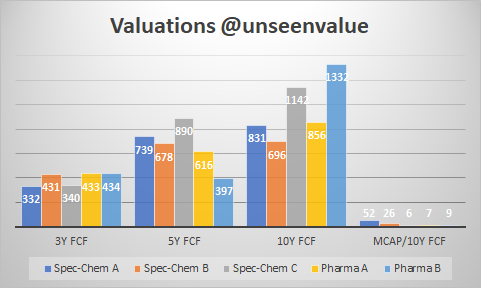
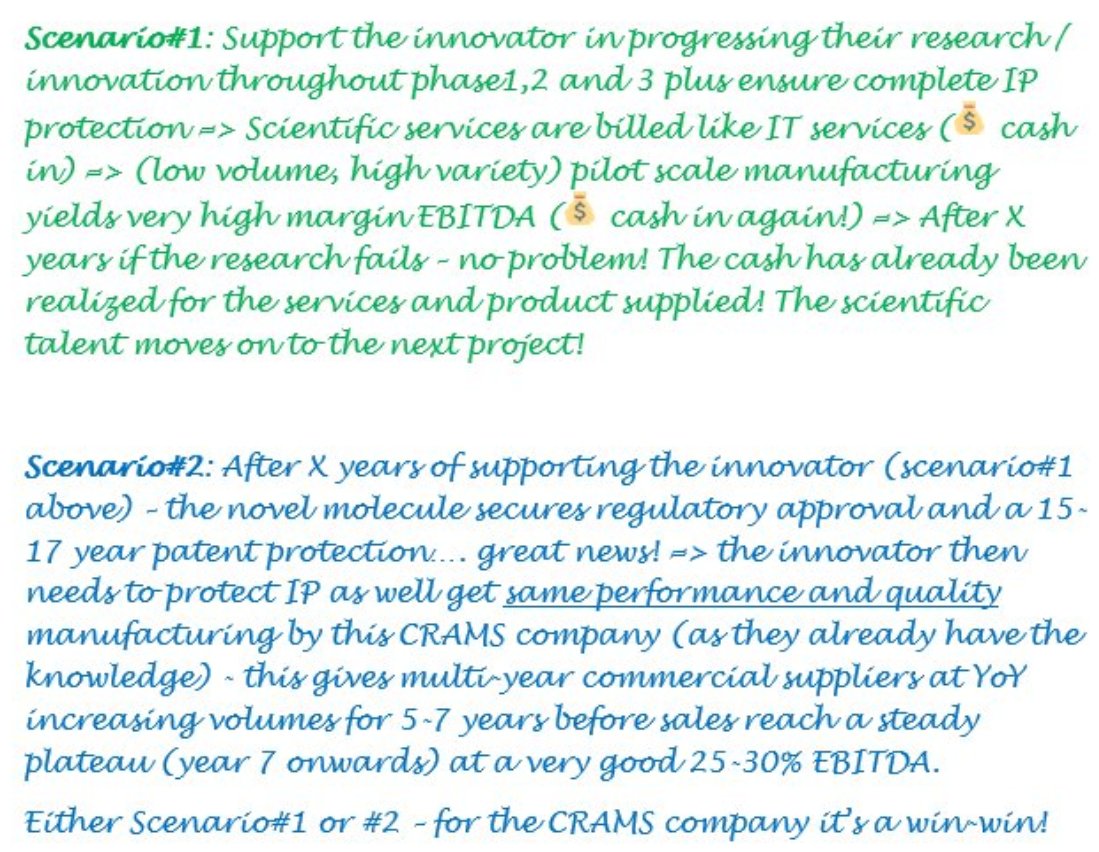
You offer me 80% cost arbitrage (discount relative to Japan/EU/US) along with low confidence / assurance on Critical Success Factors and I won't give you a single NCE/NBE to discover, develop or manufacture. Capex/opex arbitrage is too low in the disruptive-science-pecking-order! https://t.co/O2l8dK4BUv
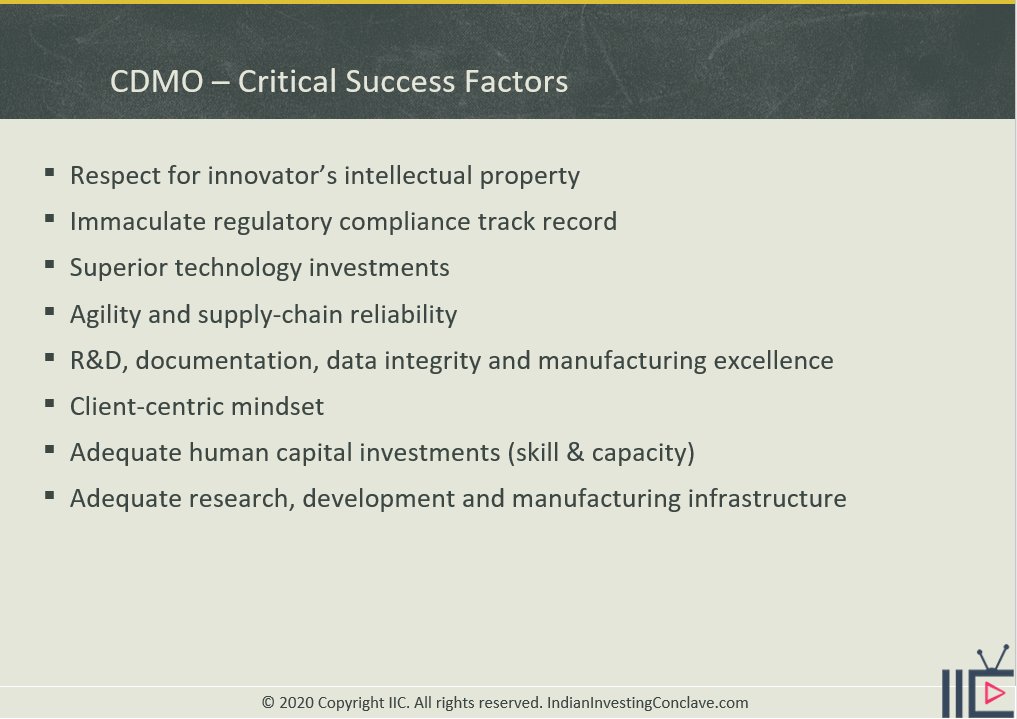
@unseenvalue Given high capex/opex cost structures of US/Japan/EU, how will they be able to compete with Indian API companies? https://t.co/OYhC2PUZpL
— Hiren (@hiren_investing) August 11, 2021
You May Also Like









1/ 👋 Excited to share what we’ve been building at https://t.co/GOQJ7LjQ2t + we are going to tweetstorm our progress every week!
Week 1 highlights: getting shortlisted for YC W2019🤞, acquiring a premium domain💰, meeting Substack's @hamishmckenzie and Stripe CEO @patrickc 🤩
2/ So what is Brew?
brew / bru : / to make (beer, coffee etc.) / verb: begin to develop 🌱
A place for you to enjoy premium content while supporting your favorite creators. Sort of like a ‘Consumer-facing Patreon’ cc @jackconte
(we’re still working on the pitch)
3/ So, why be so transparent? Two words: launch strategy.
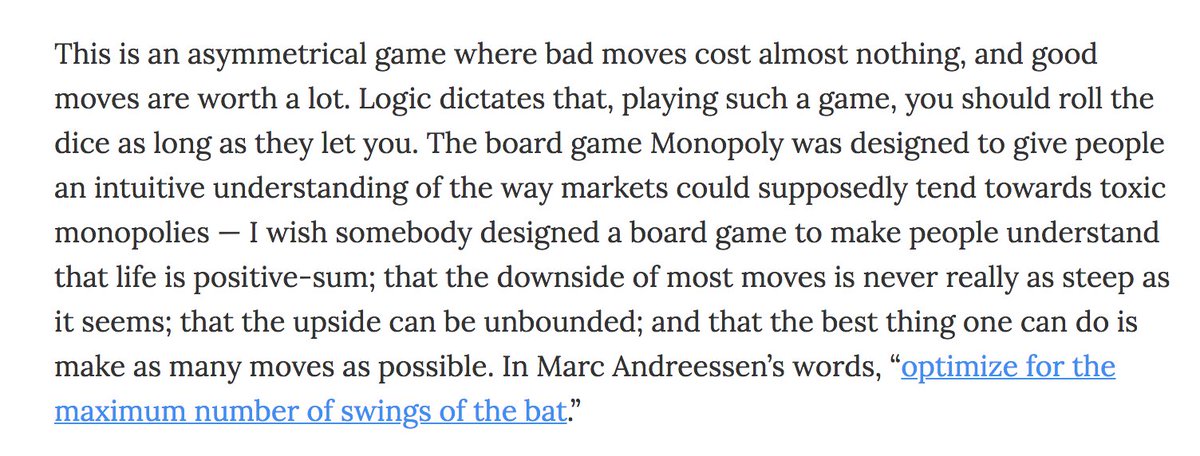
jk 😅 a) I loooove doing something consistently for a long period of time b) limited downside and infinite upside (feedback, accountability, reach).
cc @altimor, @pmarca
4/ https://t.co/GOQJ7LjQ2t domain 🍻
It started with a cold email. Guess what? He was using BuyMeACoffee on his blog, and was excited to hear about what we're building next. Within 2w, we signed the deal at @Escrowcom's SF office. You’re a pleasure to work with @MichaelCyger!
5/ @ycombinator's invite for the in-person interview arrived that evening. Quite a day!
Thanks @patio11 for the thoughtful feedback on our YC application, and @gabhubert for your directions on positioning the product — set the tone for our pitch!
Week 1 highlights: getting shortlisted for YC W2019🤞, acquiring a premium domain💰, meeting Substack's @hamishmckenzie and Stripe CEO @patrickc 🤩
2/ So what is Brew?
brew / bru : / to make (beer, coffee etc.) / verb: begin to develop 🌱
A place for you to enjoy premium content while supporting your favorite creators. Sort of like a ‘Consumer-facing Patreon’ cc @jackconte
(we’re still working on the pitch)
3/ So, why be so transparent? Two words: launch strategy.
jk 😅 a) I loooove doing something consistently for a long period of time b) limited downside and infinite upside (feedback, accountability, reach).
cc @altimor, @pmarca
4/ https://t.co/GOQJ7LjQ2t domain 🍻
It started with a cold email. Guess what? He was using BuyMeACoffee on his blog, and was excited to hear about what we're building next. Within 2w, we signed the deal at @Escrowcom's SF office. You’re a pleasure to work with @MichaelCyger!
5/ @ycombinator's invite for the in-person interview arrived that evening. Quite a day!
Thanks @patio11 for the thoughtful feedback on our YC application, and @gabhubert for your directions on positioning the product — set the tone for our pitch!