
To proceed I deleted / removed the reply as prompted and was informed of a temporary limit of tweets, replies, likes, etc. for 6 hours (image 2). I could still access twitter and
Happy new year!
Long thread.
Someone in or behind twitter gave me a "this account violated the twitter rules..." supposedly for this reply (image 1 at bottom of thread). I appealed with "A question is hate?" They upheld their decision with: "Our support team has
To proceed I deleted / removed the reply as prompted and was informed of a temporary limit of tweets, replies, likes, etc. for 6 hours (image 2). I could still access twitter and
In my experience, when a construct like a clique, fraternity, employer, or another attempts to elicit an emotional reaction or accept some aimless quest to divine the actual
Perhaps when one reaches a certain level of awareness and liberty one is of no use to the powers behind the slaver order givers, and even dangerous in that one might awaken the other sheep who are deep asleep in the dreams that are so expensive to produce, but
So I'm looking for a new social media outlet, over the next few days i'll kick some tires. Parler is a no go as it won't accept a google voice number. Maybe minds, but i'm open to suggestions.
I've said it before but it bears repeating, looking


More from Twitter

Today's Twitter threads (a Twitter thread).
Inside: Dependency Confusion; Adam Curtis on criti-hype; Catalytic converter theft; Apple puts North Dakota on blast; and more!
Archived at: https://t.co/Osts9lAjPo
#Pluralistic
1/

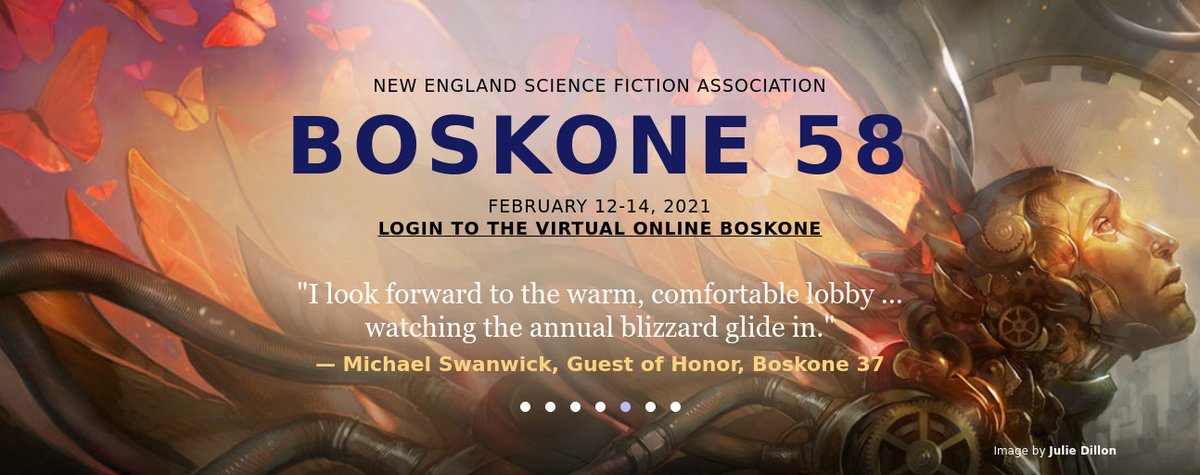
This weekend, I'll be participating in Boskone 58, Boston's annual sf convention, where I'm doing panels and a reading.
https://t.co/2LfFssVcZQ
2/
Dependency Confusion: A completely wild supply-chain hack.
https://t.co/TDRNHUX0Ug
3/

Adam Curtis on criti-hype: Big Tech as an epiphenomenon of sociopathic mediocrity, not supergenius.
https://t.co/MYmHOosTk3
4/
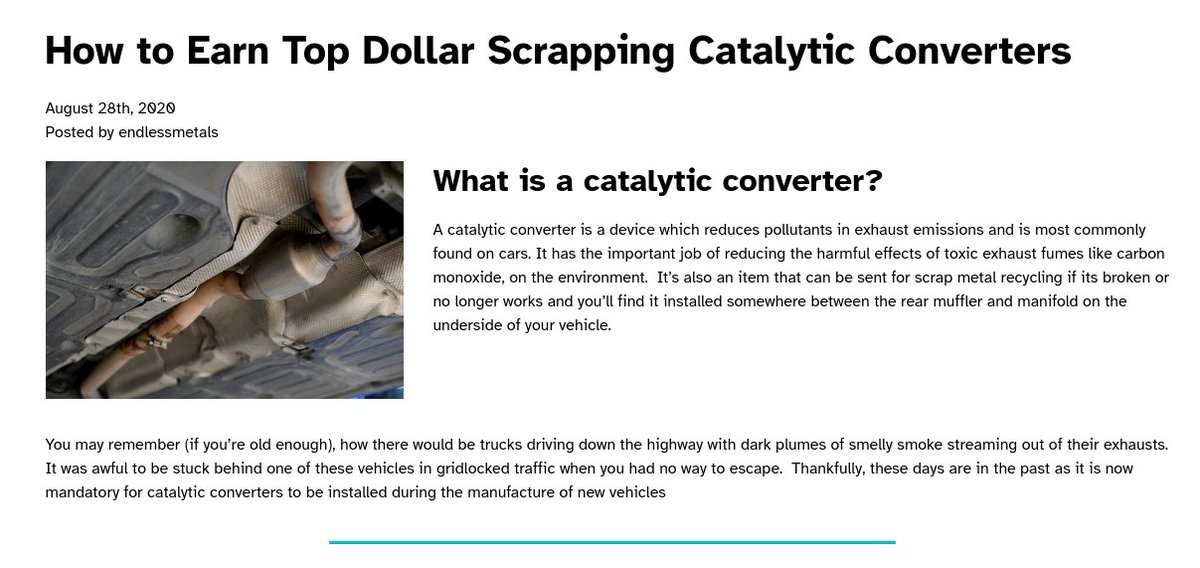
Catalytic converter theft: Rhodium at $21,900/oz.
https://t.co/SDMAXrQwdd
5/
Inside: Dependency Confusion; Adam Curtis on criti-hype; Catalytic converter theft; Apple puts North Dakota on blast; and more!
Archived at: https://t.co/Osts9lAjPo
#Pluralistic
1/
This weekend, I'll be participating in Boskone 58, Boston's annual sf convention, where I'm doing panels and a reading.
https://t.co/2LfFssVcZQ
2/
Dependency Confusion: A completely wild supply-chain hack.
https://t.co/TDRNHUX0Ug
3/
In "Dependency Confusion," security researcher @alxbrsn describes how he made a fortune in bug bounties by exploiting a new supply-chain attack he calls "dependency confusion," which allowed him to compromise "Apple, Microsoft and dozens of others."https://t.co/hn32EmF5qT
— Cory Doctorow #BLM (@doctorow) February 10, 2021
1/ pic.twitter.com/eqFr3GXlyX
Adam Curtis on criti-hype: Big Tech as an epiphenomenon of sociopathic mediocrity, not supergenius.
https://t.co/MYmHOosTk3
4/
Adam Curtis is a brilliant documentarian, and films like Hypernormalization and series like All Watched Over by Machines of Loving Grace had a profound effect on my thinking about politics, technology and human thriving.
— Cory Doctorow #BLM (@doctorow) February 11, 2021
1/ pic.twitter.com/gydJK358BX
Catalytic converter theft: Rhodium at $21,900/oz.
https://t.co/SDMAXrQwdd
5/
Back in the early 2010s, people started falling into open sewer entrances in New York City and other large metros - because a China-driven spike in the price of scrap metal, combined with post-2008 unemployment, gave rise to an army of metal-thieves.https://t.co/gtD72IDCPn
— Cory Doctorow #BLM (@doctorow) February 11, 2021
1/ pic.twitter.com/gdgVJoMoY8

After hearing about @JanelSGM from @csallen, I spent the past few hours digging into her Twitter feed to see how she has been building Newsletter OS in public, from ideation to launch.
Here are some highlights in chronological order and what you can learn from the process:
1/ August 5 2020: Janel digs into '50+ newsletters' (note the number to build credibility) and creates a thread to discuss the lessons learnt. She also mentions that this is for a side project, which raises awareness of something she may be working
2/ August 5 2020 (cont): Each tweet in the thread is focused on a key message, with clear pointers for newsletter writers to
3/ September 1 2020: Janel tweeted about #buildinginpublic (note the hashtag) with @pabloheredia24 for @makerpad's challenge. While the project is https://t.co/tMb1qCnxVY and not NewsletterOS, Janel is getting in the reps on how to build in
4/ October 18 2020: Janel hints at building her new product using @NotionHQ and @gumroad. But instead of telling the audience directly what the product is, she invites her audience to take a guess.
Here are some highlights in chronological order and what you can learn from the process:
1/ August 5 2020: Janel digs into '50+ newsletters' (note the number to build credibility) and creates a thread to discuss the lessons learnt. She also mentions that this is for a side project, which raises awareness of something she may be working
Just subscribed to 50+ newsletters in the past hour
— Janel (@JanelSGM) August 4, 2020
(for a side project)
Here are some lessons I've learned
Thread \U0001f447
2/ August 5 2020 (cont): Each tweet in the thread is focused on a key message, with clear pointers for newsletter writers to
1/ Clear Value Proposition
— Janel (@JanelSGM) August 4, 2020
Do you articulate clearly the following?
- What content you write about
- Who your newsletter is for
- How your audience will benefit from your newsletter?
3/ September 1 2020: Janel tweeted about #buildinginpublic (note the hashtag) with @pabloheredia24 for @makerpad's challenge. While the project is https://t.co/tMb1qCnxVY and not NewsletterOS, Janel is getting in the reps on how to build in
4/ October 18 2020: Janel hints at building her new product using @NotionHQ and @gumroad. But instead of telling the audience directly what the product is, she invites her audience to take a guess.
I've been launching a product a month, with the aim of launching 12 in 12 months (w/ @LaunchMBA)
— Janel (@JanelSGM) October 18, 2020
This month, I'll be launching an actionable info product.
Core Tools: @NotionHQ @gumroad
Want to guess what I'll launch?
Free copy for the first person who guesses right.
Today's Twitter threads (a Twitter thread).
Inside: Privacy Without Monopoly; Broad Band; $50T moved from America's 90% to the 1%; and more!
Archived at: https://t.co/QgK8ZMRKp7
#Pluralistic
1/
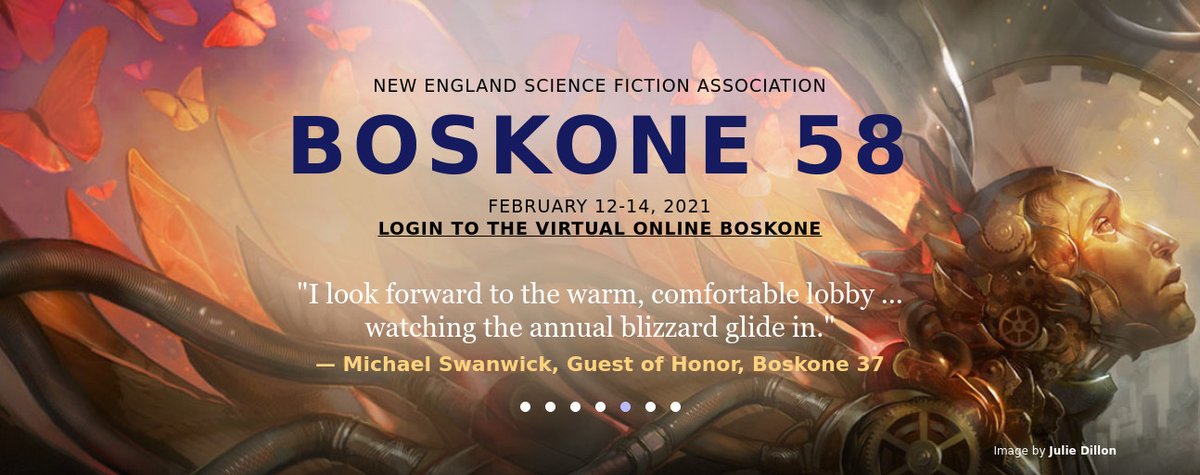
This weekend, I'm participating in Boskone 58, Boston's annual sf convention.
https://t.co/2LfFssVcZQ
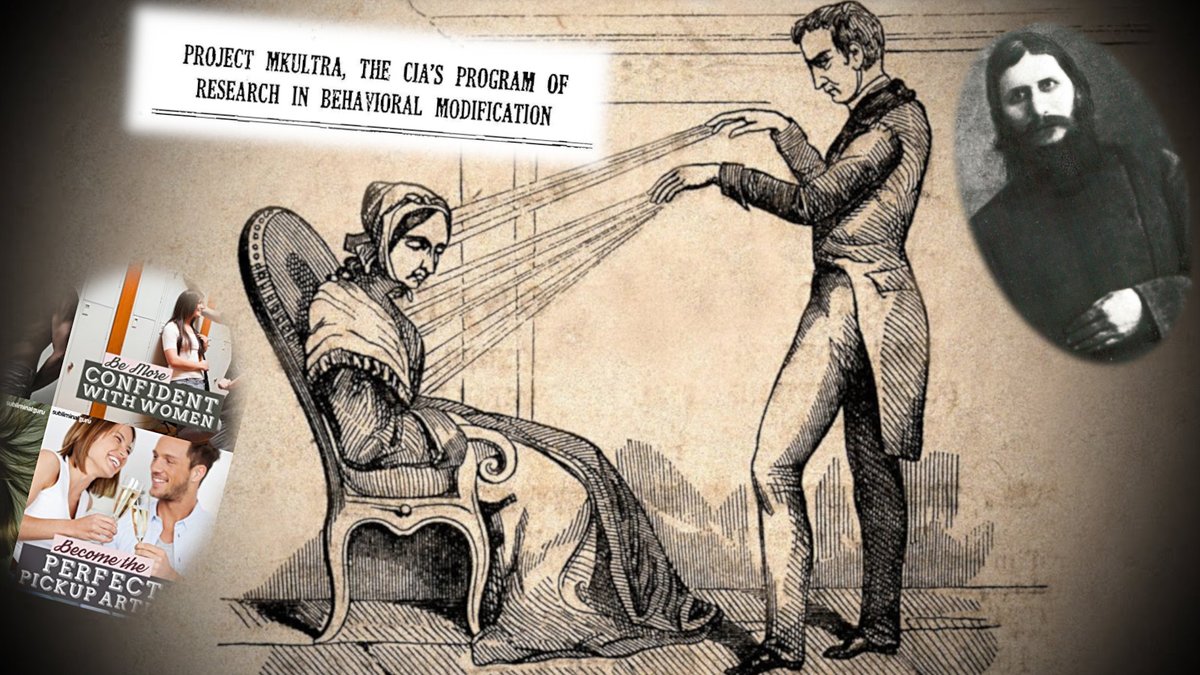
Tonight, on a panel called "Tech Innovation? Does Silicon Valley Have A Mind-Control Ray, Or a Monopoly?" at 530PM Pacific.
2/
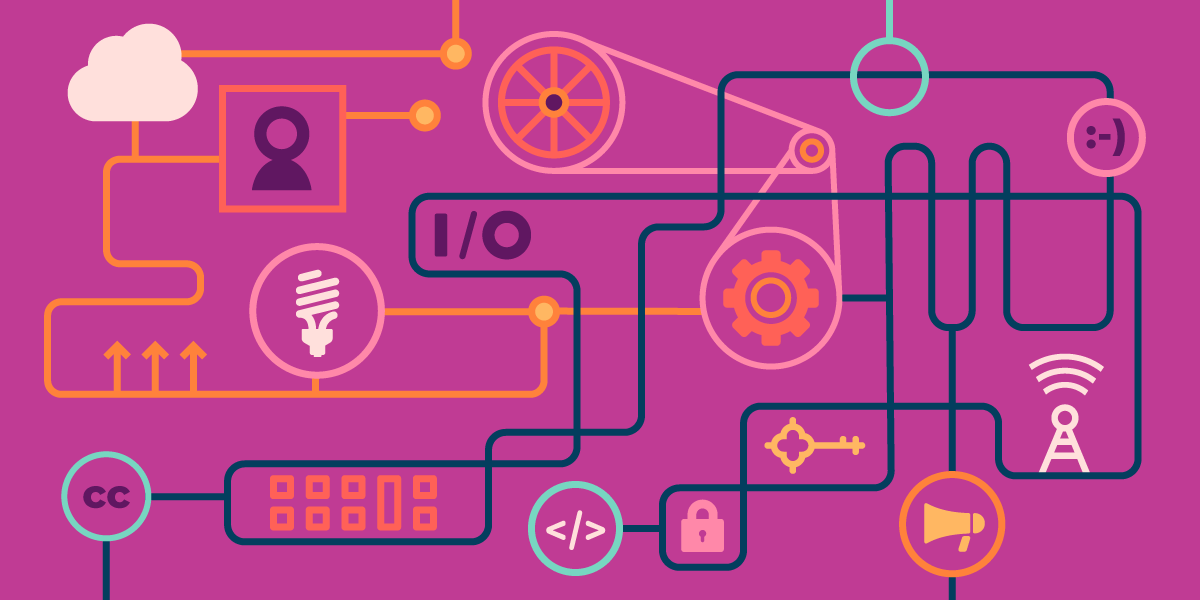
Privacy Without Monopoly: A new EFF white paper, co-authored with Bennett Cyphers.
https://t.co/TVzDXt6bz6
3/
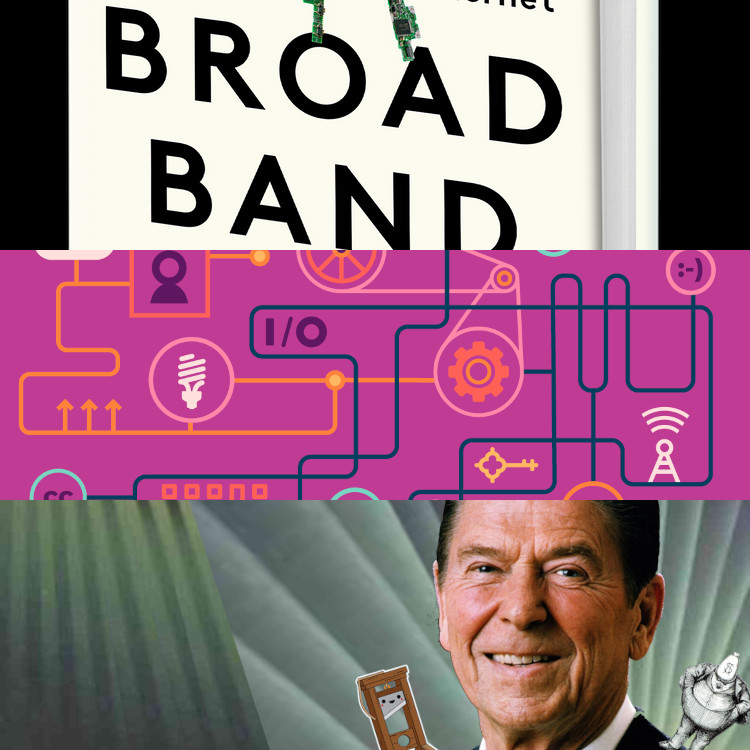
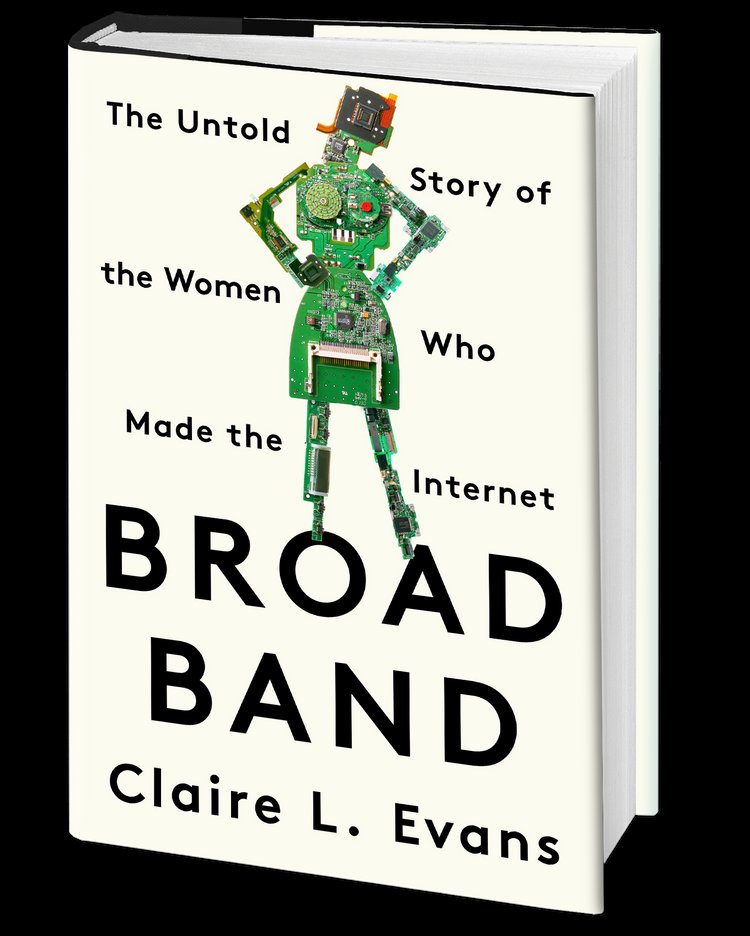
Broad Band: Claire L Evans's magesterial history of women in computing.
https://t.co/Lwrej6zVYd
4/
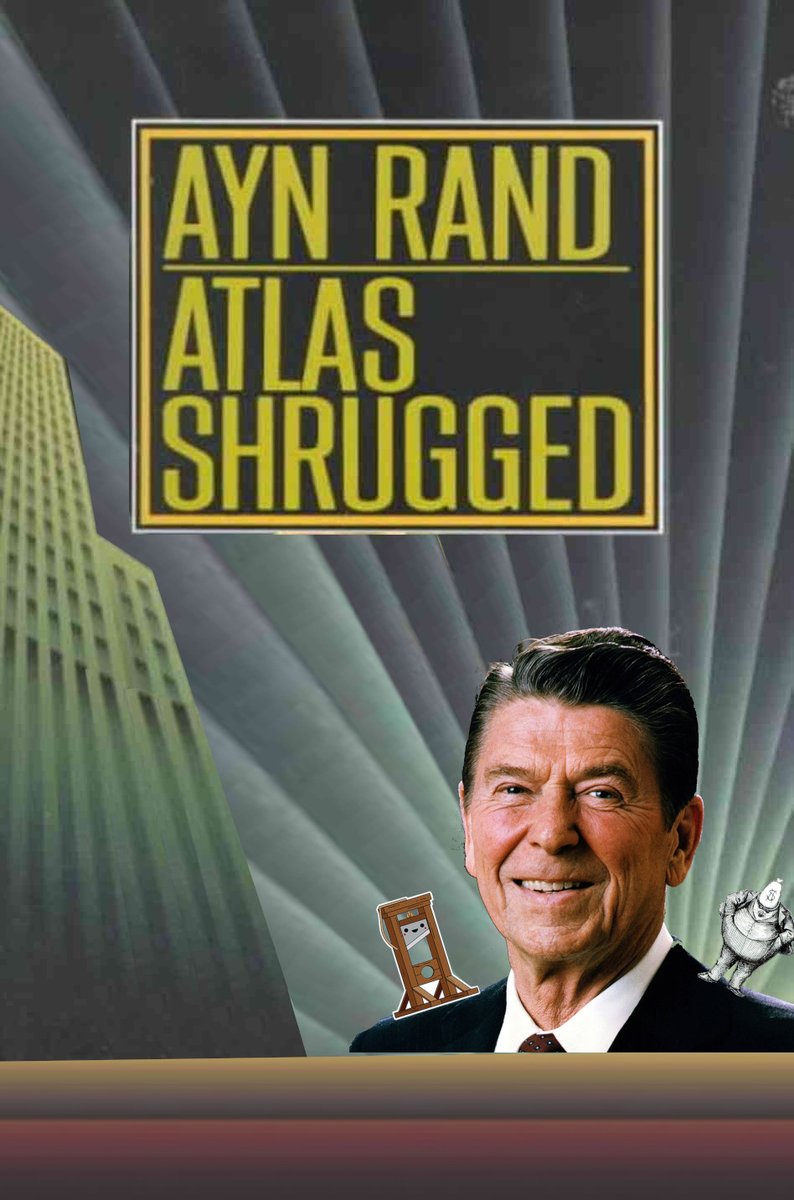
$50T moved from America's 90% to the 1%: The hereditary meritocracy is in crisis.
https://t.co/TquaxOmPi8
5/
Inside: Privacy Without Monopoly; Broad Band; $50T moved from America's 90% to the 1%; and more!
Archived at: https://t.co/QgK8ZMRKp7
#Pluralistic
1/
This weekend, I'm participating in Boskone 58, Boston's annual sf convention.
https://t.co/2LfFssVcZQ
Tonight, on a panel called "Tech Innovation? Does Silicon Valley Have A Mind-Control Ray, Or a Monopoly?" at 530PM Pacific.
2/
Privacy Without Monopoly: A new EFF white paper, co-authored with Bennett Cyphers.
https://t.co/TVzDXt6bz6
3/
Today, @EFF published "Privacy Without Monopoly: Data Protection and Interoperability," a major new paper by Bennett Cyphers and me. https://t.co/Ma2FE2vZ9u
— Cory Doctorow #BLM (@doctorow) February 13, 2021
1/ pic.twitter.com/RzCkQdQRxy
Broad Band: Claire L Evans's magesterial history of women in computing.
https://t.co/Lwrej6zVYd
4/
One of the most Monkey's Paw things about my life is my relationship to books. When I was a teenager, I read all the way through the school and public libraries, spent everything I had on books, and still couldn't get enough and dreamt of more.
— Cory Doctorow #BLM (@doctorow) February 13, 2021
1/ pic.twitter.com/Lgkdk5a7YA
$50T moved from America's 90% to the 1%: The hereditary meritocracy is in crisis.
https://t.co/TquaxOmPi8
5/
Inequality requires narrative stabilizers. When you have too little and someone else has more than they can possibly use, simple logic dictates that you should take what they have.
— Cory Doctorow #BLM (@doctorow) February 13, 2021
1/ pic.twitter.com/BUFyq9H2n4

Hey #optics and #photonics twitter
It's time again for the 2nd annual #top10photonics thread, where I compile my own #top10 best photonics papers list of the year!
See here for last year's thread:
https://t.co/6h82mPAn3w
A thread 👇

Same disclaimers as last time:
1. These aren't just papers that were published in 2020. They are papers that were added to my library in 2020. Some are a little older — some are a lot older. All are interesting or exciting to me in some way.
2. I reiterate - TO ME. This list is highly subjective, and is mostly about what captured my imagination most, not about what will make the biggest impact, or what is most worth funding. The order is mostly arbitrary too. This is just for fun :)
3. Once again I am NOT including any of my papers, or any from my current or former groups. If you're curious about what I do, drop a proverbial tip in my jar and peruse my publication list
And while I have your attention, register for #POM20ja, happening in 2 weeks. (It's free!) It's a completely reinvented @PhotonicsMeetup, and it promises to be a great time!
Now, on to the main event!

It's time again for the 2nd annual #top10photonics thread, where I compile my own #top10 best photonics papers list of the year!
See here for last year's thread:
https://t.co/6h82mPAn3w
A thread 👇
Hey #optics and #photonics twitter
— Orad Reshef (@Orad) December 29, 2019
It's the time of year where we are inundated in end-of-year top10 lists... but how many of those lists are made for _US_ and our community?
So I decided to compile my own #top10 best photonics papers list for 2019
A #top10photonics thread \U0001f447
Same disclaimers as last time:
1. These aren't just papers that were published in 2020. They are papers that were added to my library in 2020. Some are a little older — some are a lot older. All are interesting or exciting to me in some way.
2. I reiterate - TO ME. This list is highly subjective, and is mostly about what captured my imagination most, not about what will make the biggest impact, or what is most worth funding. The order is mostly arbitrary too. This is just for fun :)
3. Once again I am NOT including any of my papers, or any from my current or former groups. If you're curious about what I do, drop a proverbial tip in my jar and peruse my publication list
And while I have your attention, register for #POM20ja, happening in 2 weeks. (It's free!) It's a completely reinvented @PhotonicsMeetup, and it promises to be a great time!
Now, on to the main event!

You May Also Like







I just finished Eric Adler's The Battle of the Classics, and wanted to say something about Joel Christiansen's review linked below. I am not sure what motivates the review (I speculate a bit below), but it gives a very misleading impression of the book. 1/x
The meat of the criticism is that the history Adler gives is insufficiently critical. Adler describes a few figures who had a great influence on how the modern US university was formed. It's certainly critical: it focuses on the social Darwinism of these figures. 2/x
Other insinuations and suggestions in the review seem wildly off the mark, distorted, or inappropriate-- for example, that the book is clickbaity (it is scholarly) or conservative (hardly) or connected to the events at the Capitol (give me a break). 3/x
The core question: in what sense is classics inherently racist? Classics is old. On Adler's account, it begins in ancient Rome and is revived in the Renaissance. Slavery (Christiansen's primary concern) is also very old. Let's say classics is an education for slaveowners. 4/x
It's worth remembering that literacy itself is elite throughout most of this history. Literacy is, then, also the education of slaveowners. We can honor oral and musical traditions without denying that literacy is, generally, good. 5/x
As someone\u2019s who\u2019s read the book, this review strikes me as tremendously unfair. It mostly faults Adler for not writing the book the reviewer wishes he had! https://t.co/pqpt5Ziivj
— Teresa M. Bejan (@tmbejan) January 12, 2021
The meat of the criticism is that the history Adler gives is insufficiently critical. Adler describes a few figures who had a great influence on how the modern US university was formed. It's certainly critical: it focuses on the social Darwinism of these figures. 2/x
Other insinuations and suggestions in the review seem wildly off the mark, distorted, or inappropriate-- for example, that the book is clickbaity (it is scholarly) or conservative (hardly) or connected to the events at the Capitol (give me a break). 3/x
The core question: in what sense is classics inherently racist? Classics is old. On Adler's account, it begins in ancient Rome and is revived in the Renaissance. Slavery (Christiansen's primary concern) is also very old. Let's say classics is an education for slaveowners. 4/x
It's worth remembering that literacy itself is elite throughout most of this history. Literacy is, then, also the education of slaveowners. We can honor oral and musical traditions without denying that literacy is, generally, good. 5/x