
I didn't drink alcohol for 2020 and now I want to talk about it in a long twitter thread that should probably just be a blog post, but here goes:
(I get into topics like alcohol abuse, mental illness, homphobia, and parental death, just fyi)
My mom once yelled at a wine steward for not letting my then-17-year-old brother have a glass of wine with our dinner.
Plus, they’re fun to drink and usually taste delicious and accompanied most major rituals in my life: birthday, Christmas, weddings, funerals…


Then I would crash and be out of commission for a few days.
More from Twitter


Today's Twitter threads (a Twitter thread).
Inside: Privacy Without Monopoly; Broad Band; $50T moved from America's 90% to the 1%; and more!
Archived at: https://t.co/QgK8ZMRKp7
#Pluralistic
1/
This weekend, I'm participating in Boskone 58, Boston's annual sf convention.
https://t.co/2LfFssVcZQ
Tonight, on a panel called "Tech Innovation? Does Silicon Valley Have A Mind-Control Ray, Or a Monopoly?" at 530PM Pacific.
2/
Privacy Without Monopoly: A new EFF white paper, co-authored with Bennett Cyphers.
https://t.co/TVzDXt6bz6
3/
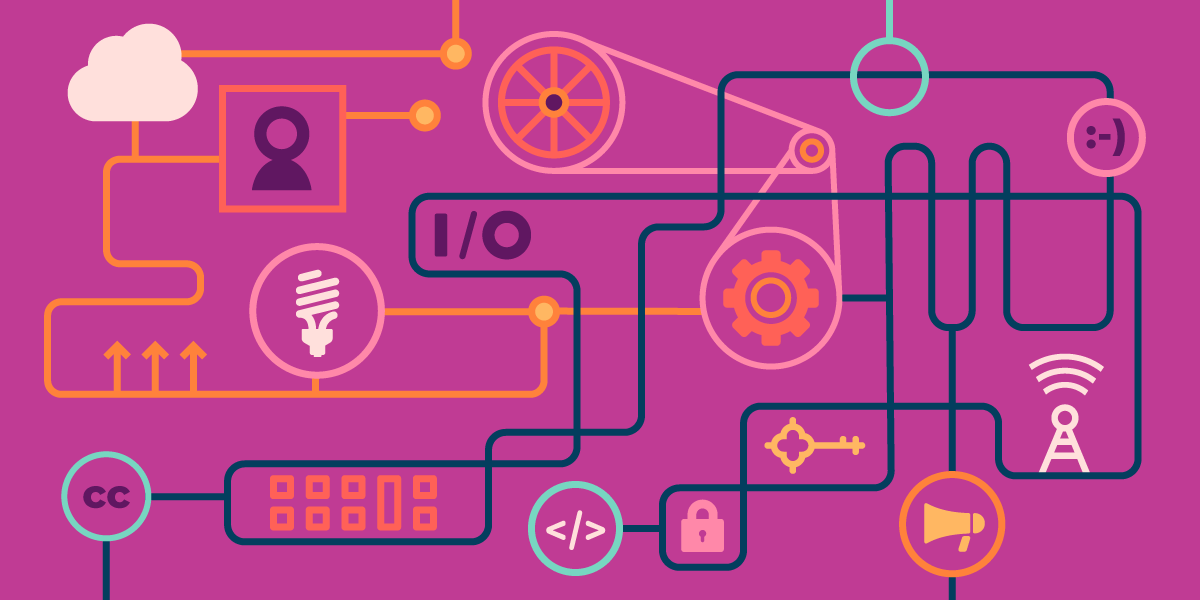
Broad Band: Claire L Evans's magesterial history of women in computing.
https://t.co/Lwrej6zVYd
4/
$50T moved from America's 90% to the 1%: The hereditary meritocracy is in crisis.
https://t.co/TquaxOmPi8
5/
Inside: Privacy Without Monopoly; Broad Band; $50T moved from America's 90% to the 1%; and more!
Archived at: https://t.co/QgK8ZMRKp7
#Pluralistic
1/
This weekend, I'm participating in Boskone 58, Boston's annual sf convention.
https://t.co/2LfFssVcZQ
Tonight, on a panel called "Tech Innovation? Does Silicon Valley Have A Mind-Control Ray, Or a Monopoly?" at 530PM Pacific.
2/
Privacy Without Monopoly: A new EFF white paper, co-authored with Bennett Cyphers.
https://t.co/TVzDXt6bz6
3/
Today, @EFF published "Privacy Without Monopoly: Data Protection and Interoperability," a major new paper by Bennett Cyphers and me. https://t.co/Ma2FE2vZ9u
— Cory Doctorow #BLM (@doctorow) February 13, 2021
1/ pic.twitter.com/RzCkQdQRxy
Broad Band: Claire L Evans's magesterial history of women in computing.
https://t.co/Lwrej6zVYd
4/
One of the most Monkey's Paw things about my life is my relationship to books. When I was a teenager, I read all the way through the school and public libraries, spent everything I had on books, and still couldn't get enough and dreamt of more.
— Cory Doctorow #BLM (@doctorow) February 13, 2021
1/ pic.twitter.com/Lgkdk5a7YA
$50T moved from America's 90% to the 1%: The hereditary meritocracy is in crisis.
https://t.co/TquaxOmPi8
5/
Inequality requires narrative stabilizers. When you have too little and someone else has more than they can possibly use, simple logic dictates that you should take what they have.
— Cory Doctorow #BLM (@doctorow) February 13, 2021
1/ pic.twitter.com/BUFyq9H2n4


1/ Meta thread about "Going Pro" on Twitter.
I've been a Twitter power user since 2008 or so. Long time.
I've watched it change from an impromptu conversation or watch party platform to a place for people to build their professional reputations and network.
2/ In many ways it's matured into a more effective professional platform than LinkedIn.
LinkedIn is (mostly) about collecting the professional contacts you've met.
Twitter is a place to meet new people.
That much hasn't
3/ What also hasn't changed is its power for networking.
This is particularly useful if you break out of your echo chamber and talk, build relationships with people doing tangentially related things.
You're bricklaying and with patience it pays off.
4/ What has changed is a growing population of people being *intentional* about the use of Twitter for their professional lives.
Observations on what's working for them:
5/ They "Build in public" - sharing behind the scenes perspectives on whatever it is you're doing professionally.
What do people not know about what you do?
Stick within your expertise, with focus, where people see you are an authority - that’s where you grow a following.
I've been a Twitter power user since 2008 or so. Long time.
I've watched it change from an impromptu conversation or watch party platform to a place for people to build their professional reputations and network.
2/ In many ways it's matured into a more effective professional platform than LinkedIn.
LinkedIn is (mostly) about collecting the professional contacts you've met.
Twitter is a place to meet new people.
That much hasn't
Facebook is where you learn you don't like a lot of the people you know. Twitter is where you learn to like people you don't know already.
— Amanda Orson (@amandaorson) August 2, 2012
3/ What also hasn't changed is its power for networking.
This is particularly useful if you break out of your echo chamber and talk, build relationships with people doing tangentially related things.
You're bricklaying and with patience it pays off.
Back of the napkin math - over the last year I've referred (or retained) $500k+ worth of business to contacts in my network.
— Amanda Orson (@amandaorson) November 16, 2016
4/ What has changed is a growing population of people being *intentional* about the use of Twitter for their professional lives.
Observations on what's working for them:
5/ They "Build in public" - sharing behind the scenes perspectives on whatever it is you're doing professionally.
What do people not know about what you do?
Stick within your expertise, with focus, where people see you are an authority - that’s where you grow a following.


You May Also Like







1/ Here’s a list of conversational frameworks I’ve picked up that have been helpful.
Please add your own.
2/ The Magic Question: "What would need to be true for you
3/ On evaluating where someone’s head is at regarding a topic they are being wishy-washy about or delaying.
“Gun to the head—what would you decide now?”
“Fast forward 6 months after your sabbatical--how would you decide: what criteria is most important to you?”
4/ Other Q’s re: decisions:
“Putting aside a list of pros/cons, what’s the *one* reason you’re doing this?” “Why is that the most important reason?”
“What’s end-game here?”
“What does success look like in a world where you pick that path?”
5/ When listening, after empathizing, and wanting to help them make their own decisions without imposing your world view:
“What would the best version of yourself do”?
Please add your own.
2/ The Magic Question: "What would need to be true for you
1/\u201cWhat would need to be true for you to\u2026.X\u201d
— Erik Torenberg (@eriktorenberg) December 4, 2018
Why is this the most powerful question you can ask when attempting to reach an agreement with another human being or organization?
A thread, co-written by @deanmbrody: https://t.co/Yo6jHbSit9
3/ On evaluating where someone’s head is at regarding a topic they are being wishy-washy about or delaying.
“Gun to the head—what would you decide now?”
“Fast forward 6 months after your sabbatical--how would you decide: what criteria is most important to you?”
4/ Other Q’s re: decisions:
“Putting aside a list of pros/cons, what’s the *one* reason you’re doing this?” “Why is that the most important reason?”
“What’s end-game here?”
“What does success look like in a world where you pick that path?”
5/ When listening, after empathizing, and wanting to help them make their own decisions without imposing your world view:
“What would the best version of yourself do”?