1/
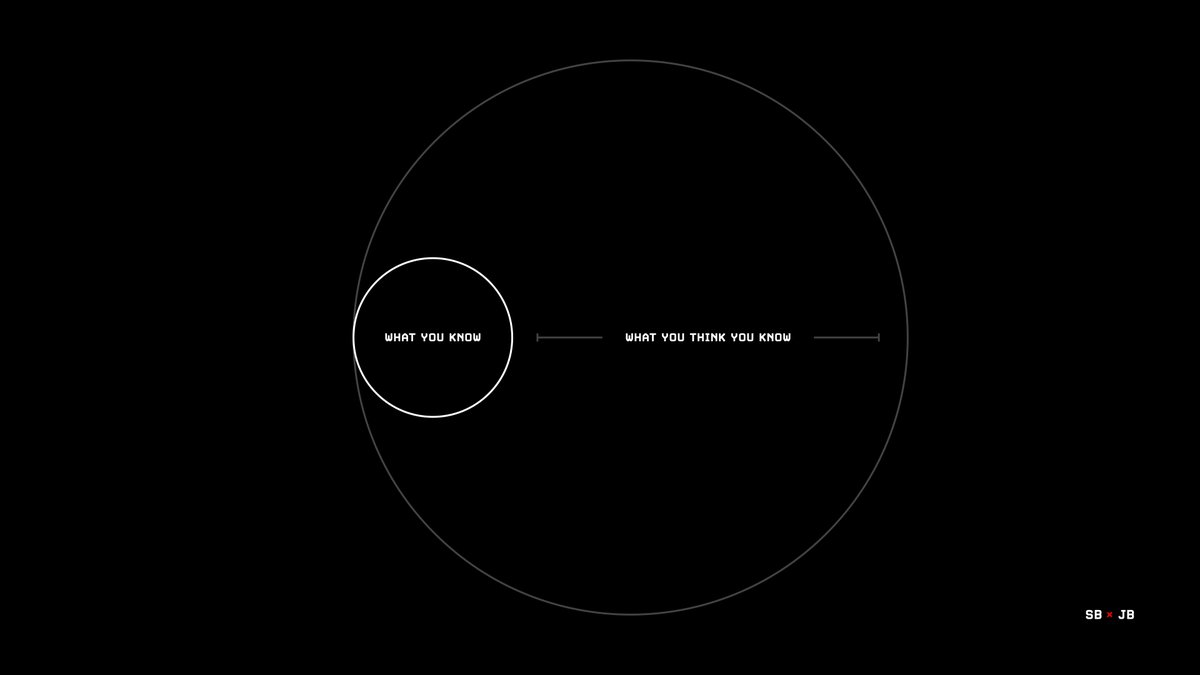
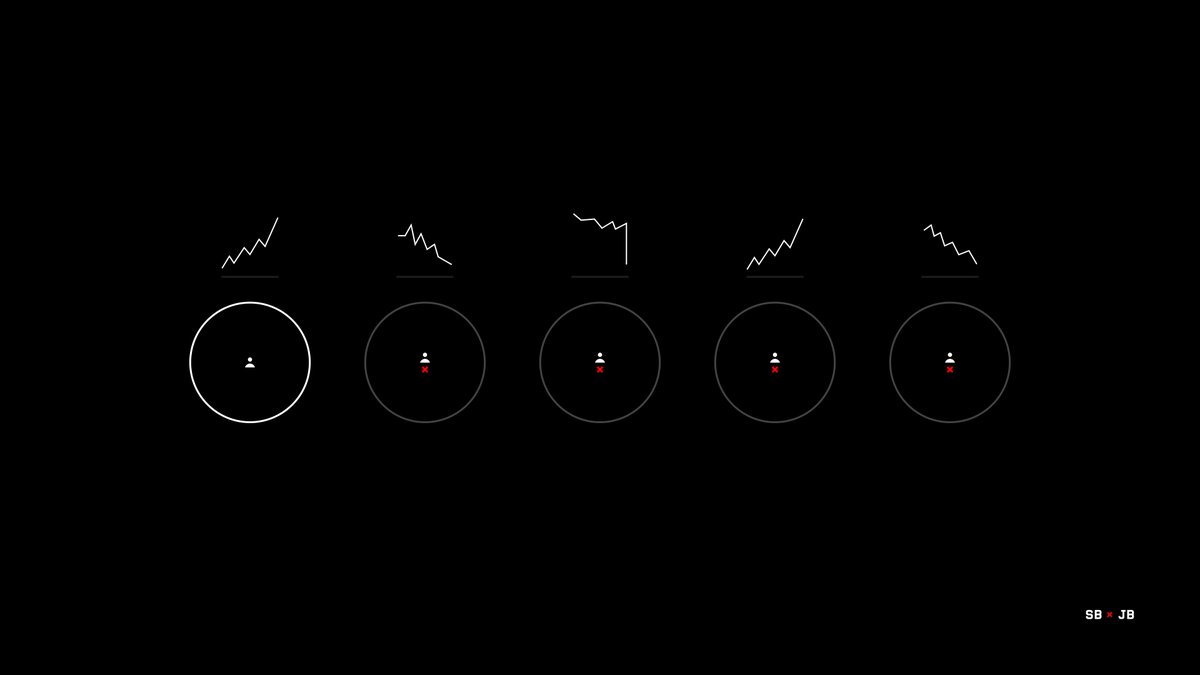
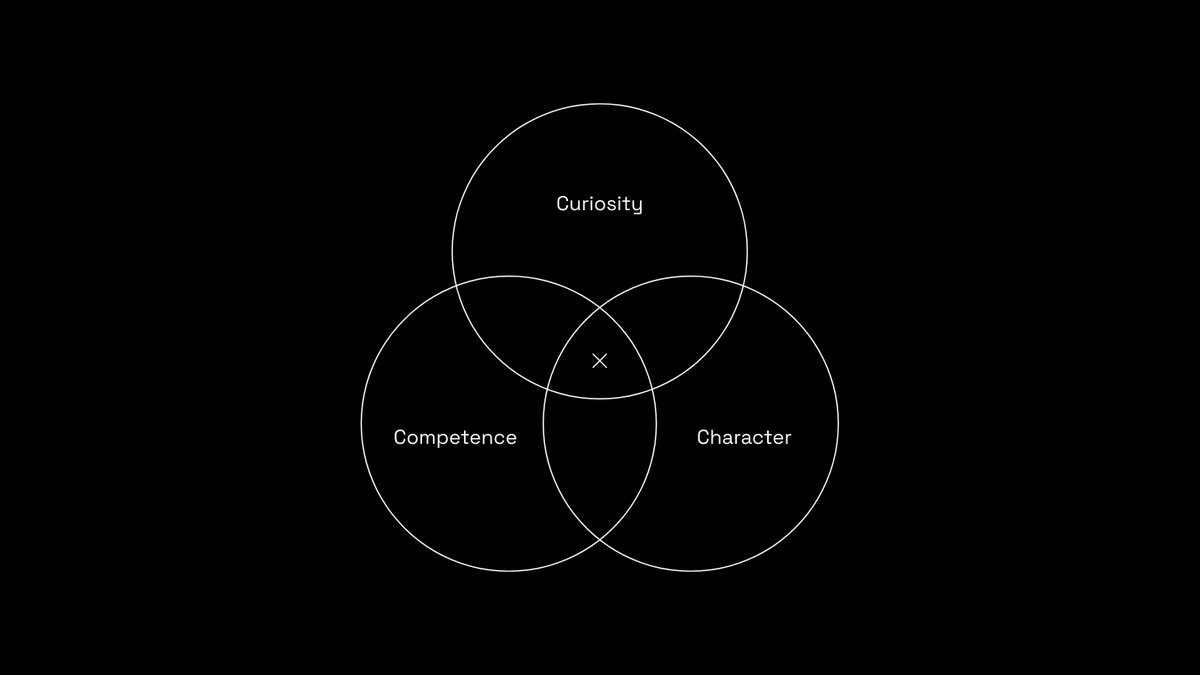
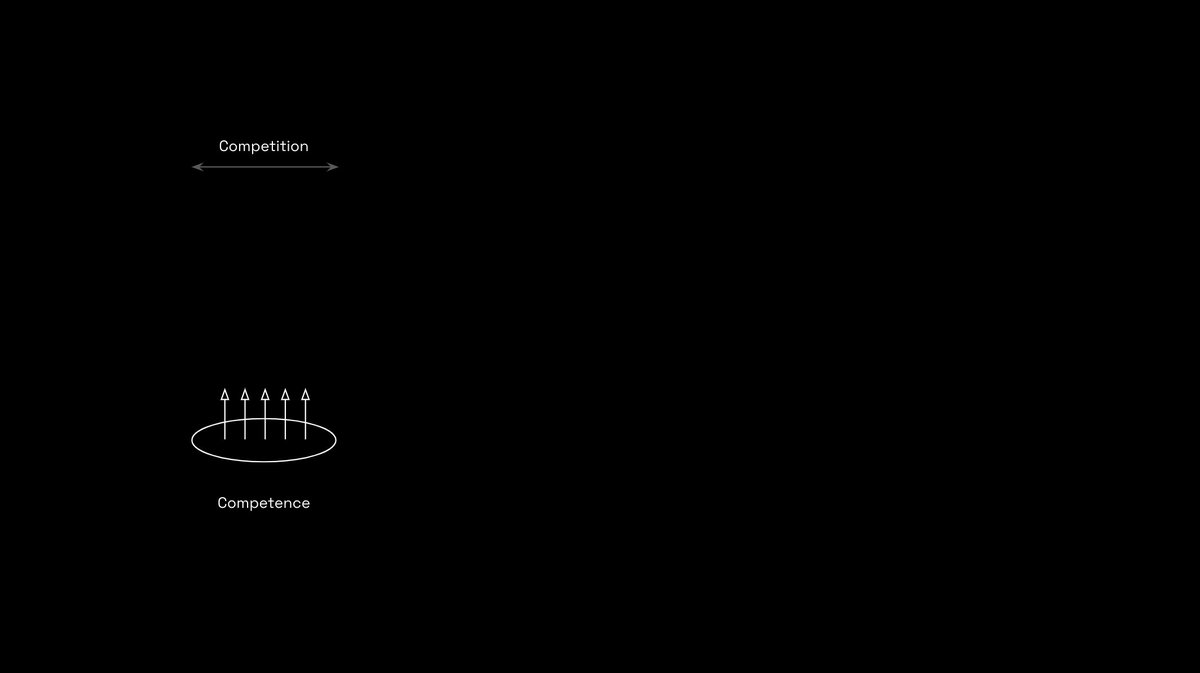
A Circle of Competence is the set of topic areas that align with a person's expertise.
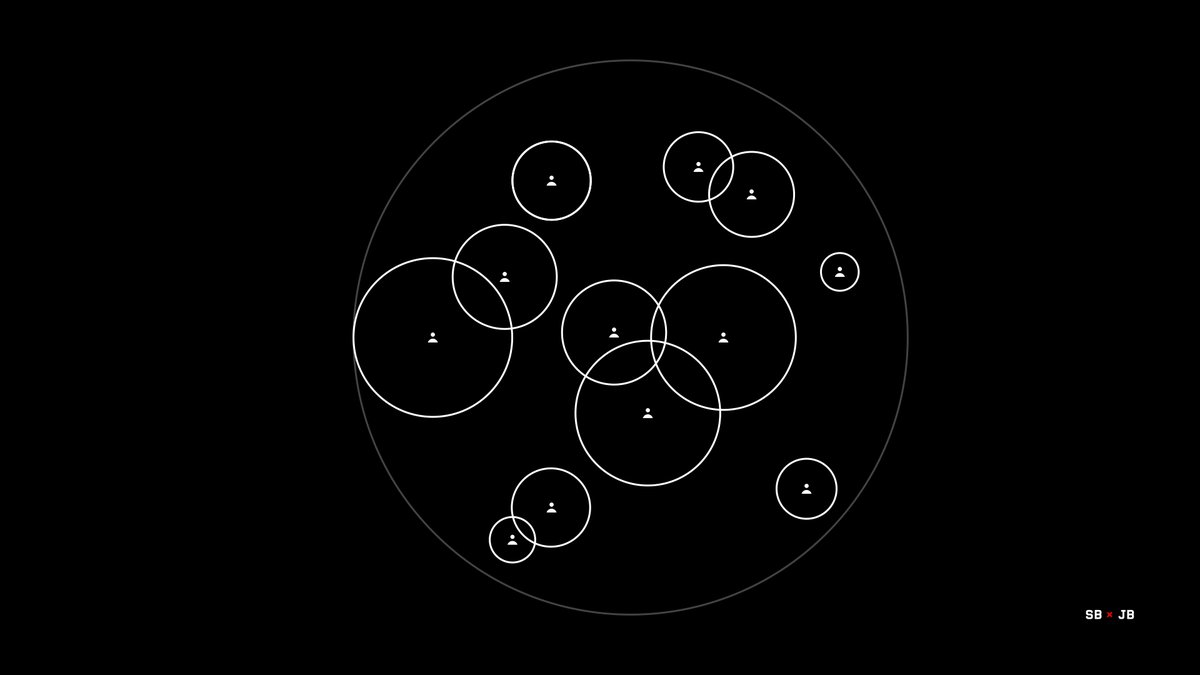
If the entire world of information were to be expressed in a circle, an individual's Circle of Competence is the small sub-circle that represents their expertise.
2/
The idea surfaced in the 1996 BH annual letter.
"You don’t have to be an expert on every company...you only have to be able to evaluate companies within your circle of competence. The size of that circle is not very important; knowing its boundaries, however, is vital."
3/
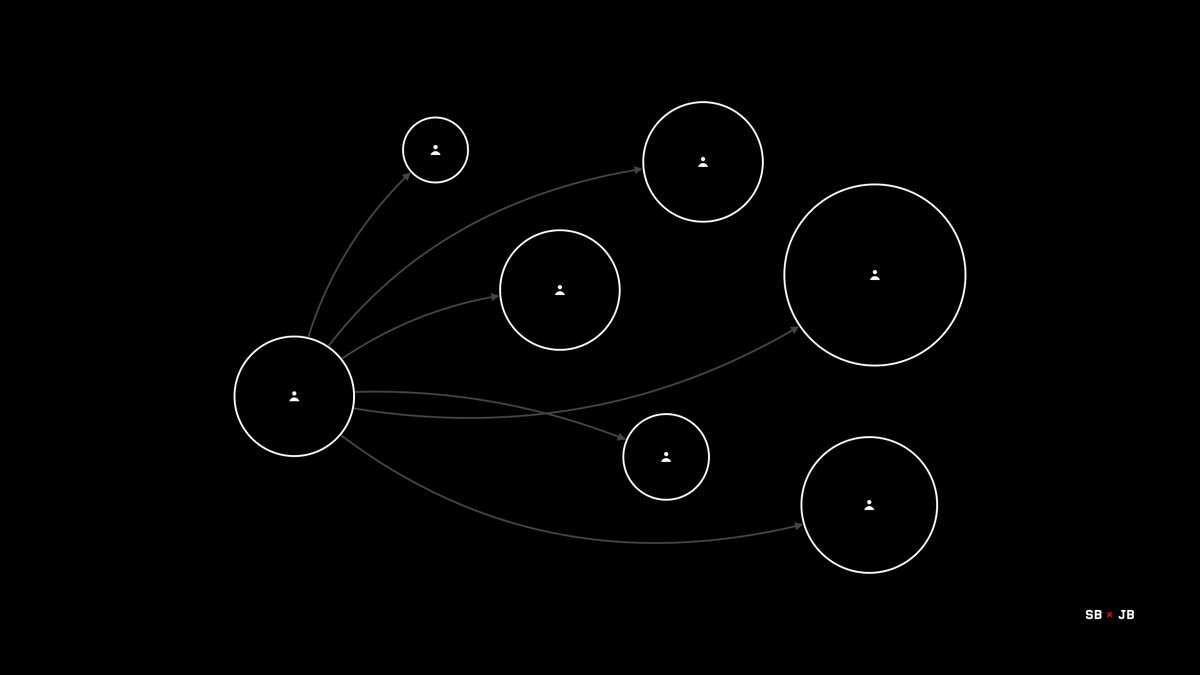
A Circle of Competence is built over time.
It is built through experience, reading, dedicated study, and effort.
It is dynamic, not static.
It can expand as you deepen your knowledge in new areas. It can contract if you fail to nurture your existing areas of expertise.
4/
To engage this mental model in your life, there are two key processes to go through:
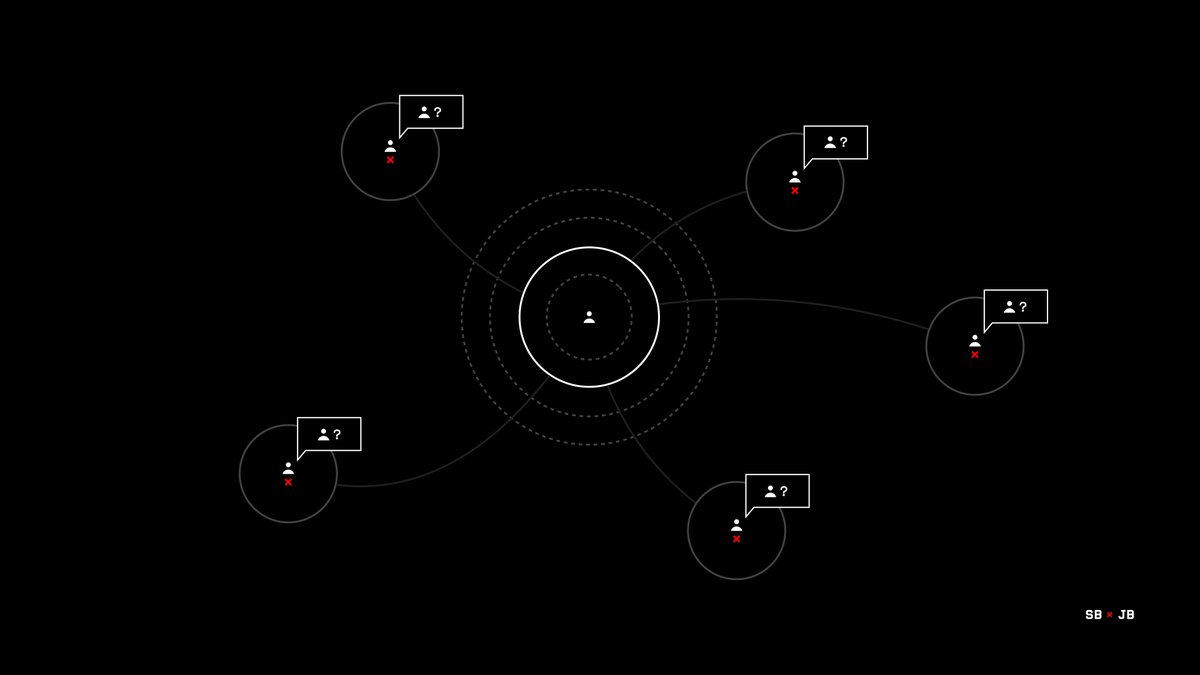
(1) Identify what falls within your circle
(2) Identify the boundaries of your circle
(1) is all about figuring out what you know, while (2) is about humbly admitting what you don’t.
5/
Let’s look at a few examples of where we see the Circle of Competence in action and how it can help you win.
In investing?
Berkshire Hathaway provides the classic example of investing success from sticking within the boundaries of your Circle of Competence.
6/
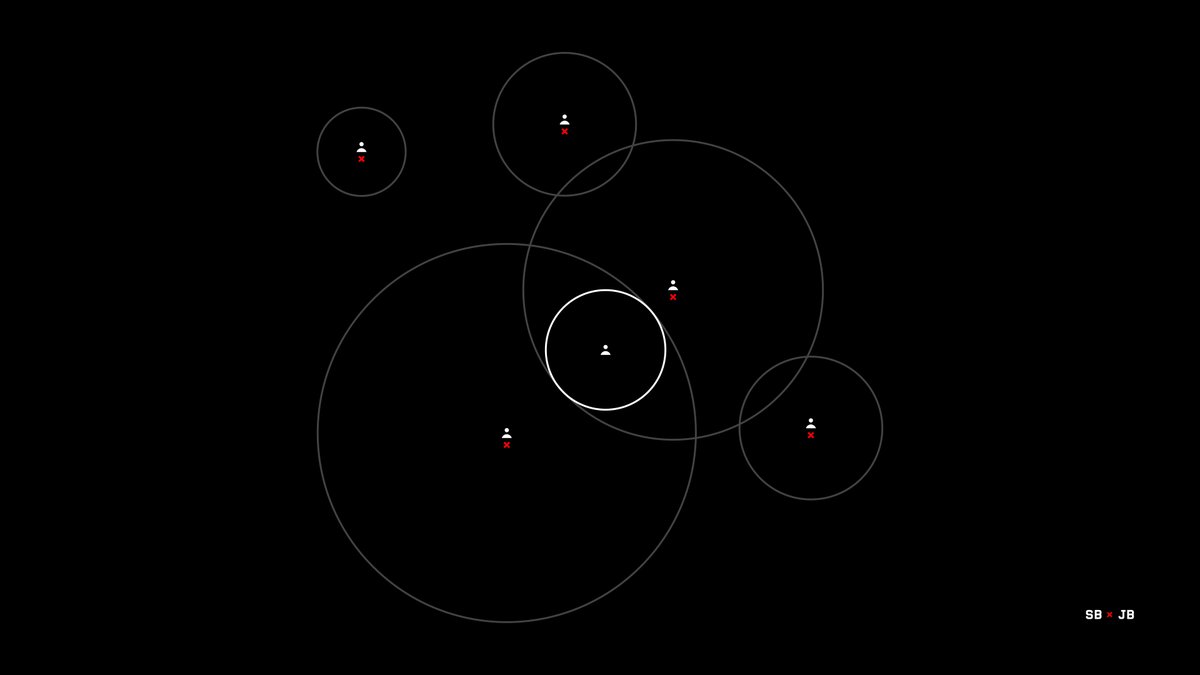
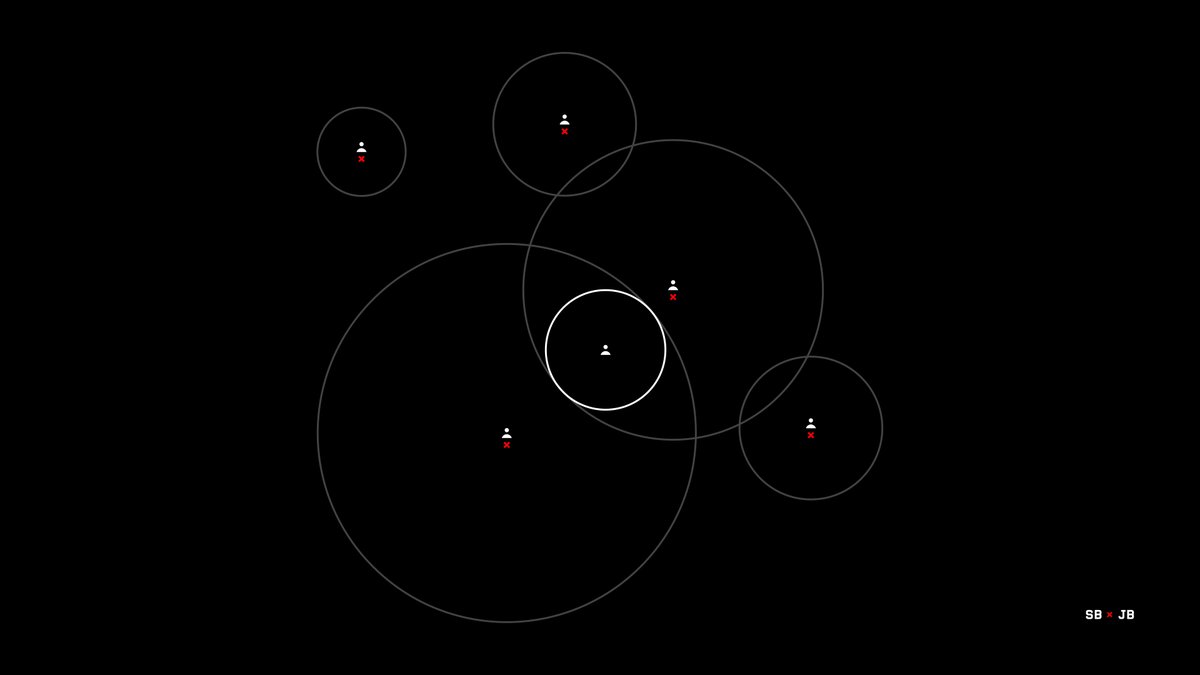
Warren Buffett and Charlie Munger have consistently passed on investment opportunities that fell outside of their respective Circles of Competence.
At times, it led to what might look like big misses, including failing to see the potential and invest in Google and Amazon.
7/
But while you hear about these misses (“the anti-portfolio”), you don’t read about all of the bad decisions it saved them from making.
As Munger once said, you can become a consistent winner by “trying to be consistently not stupid, instead of trying to be very intelligent."
8/
In business?
The best operators know their core competencies and are honest about their incompetencies.
The visionary CEOs hire field general, execution-focused COOs.
The field general CEOs hire visionary product leaders.
Own your competencies, outsource the rest.
9/
So how can you implement the Circle of Competence model into your life?
First, identify your circle and its boundaries.
What topics do you know more about than most people?
What topics do others look to you on?
What are you constantly excited by and learning more about?
10/
Next, be ruthlessly honest with yourself about that circle and its boundaries.
Build checks into your decision process that pressure test whether you are remaining true to your Circle of Competence.
Consistently sticking to your circle will lead to good long-term outcomes.
11/
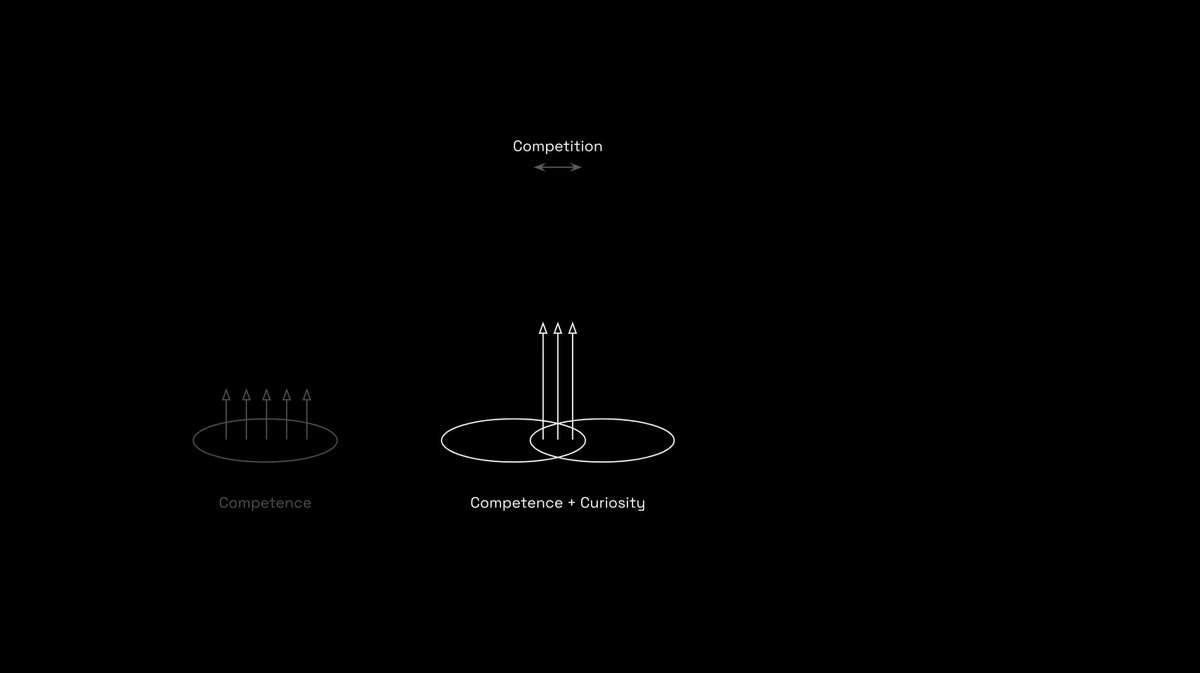
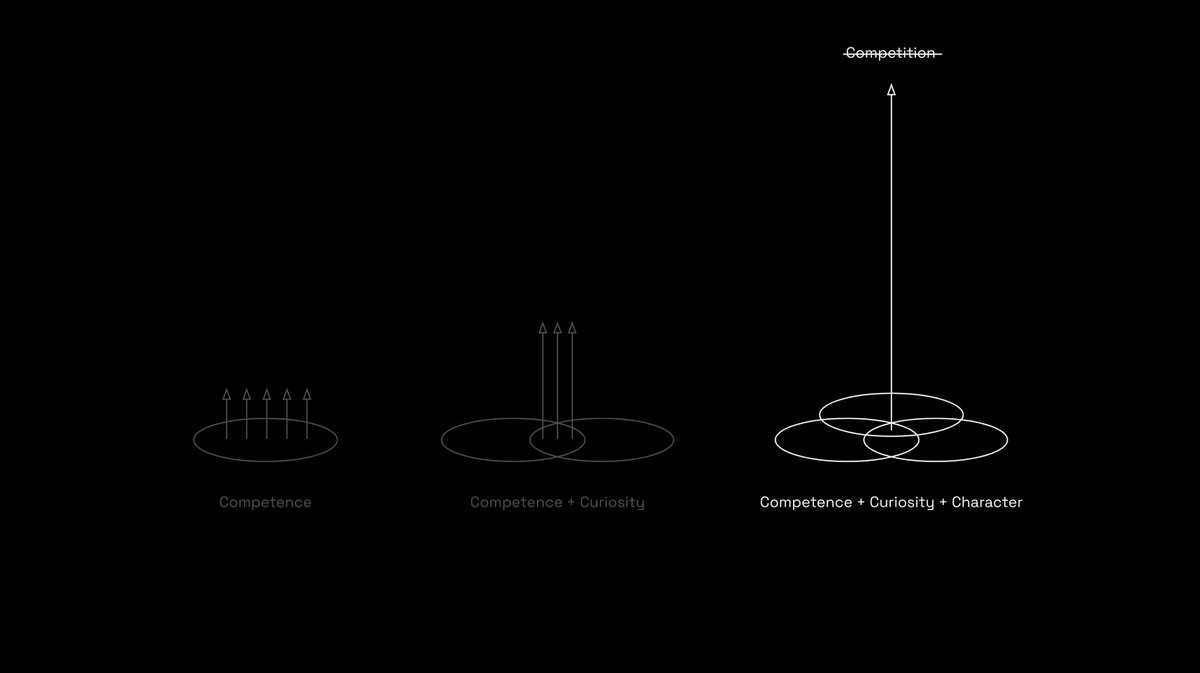
Finally, keep expanding and deepening your Circle of Competence.
Embrace intellectual curiosity!
Is there a new topic you are excited about? Read everything you can get your hands on.
We live in an unprecedented era of access to information.
12/ You no longer need to pay a big tuition bill to learn something new.
You can seek out thought leaders, ask them questions, read their articles, listen to them speak.
It is truly remarkable. Take advantage!
You may just find that your Circle of Competence begins to grow.