The problem with that is no one is an invested as you are, and no one knows your message like you do.
Why promoting yourself/your business/your ideas feels uncomfortable:
You must repeat things that are obvious to you until they become obvious to others.
The problem with that is no one is an invested as you are, and no one knows your message like you do.
No one wants a drill they want a hole, no one wants a hole they want a shelf, no one wants a shelf they want to a place to put books to look smart, etc.
People care about the 2nd, 3rd, 4th order effects of your work.
Start by helping one person, and pay a massive amount of attention to how they feel as a result of having worked with you.
That's the feeling you're marketing.
"I feel much more confident in my ability to explain exactly what I do as a result of building out this visual narrative."
More from Jack Butcher

















More from Marketing




Master list of how to SCRAPE any category of leads.
Ecommerce, local biz, B2B, LinkedIn searches, info product sellers, enterprise, ANYTHING.
Likes / Retweets appreciated.
THREAD
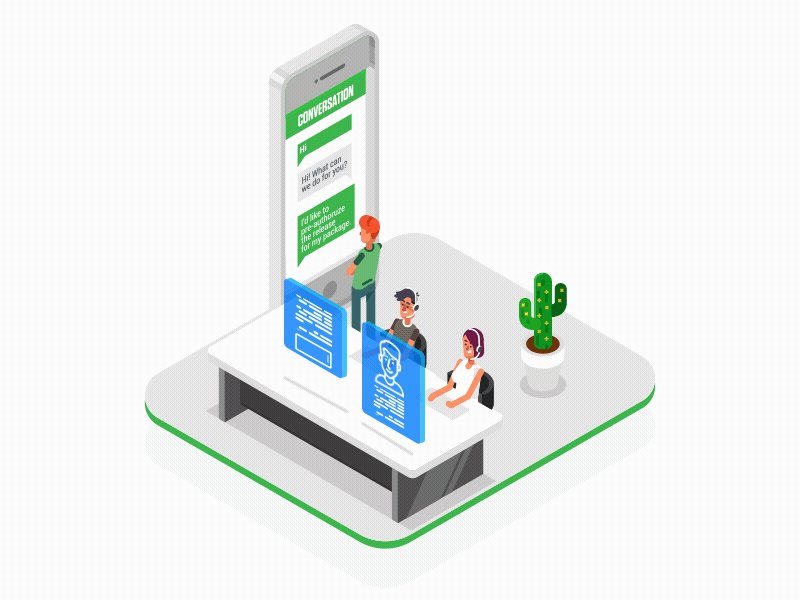
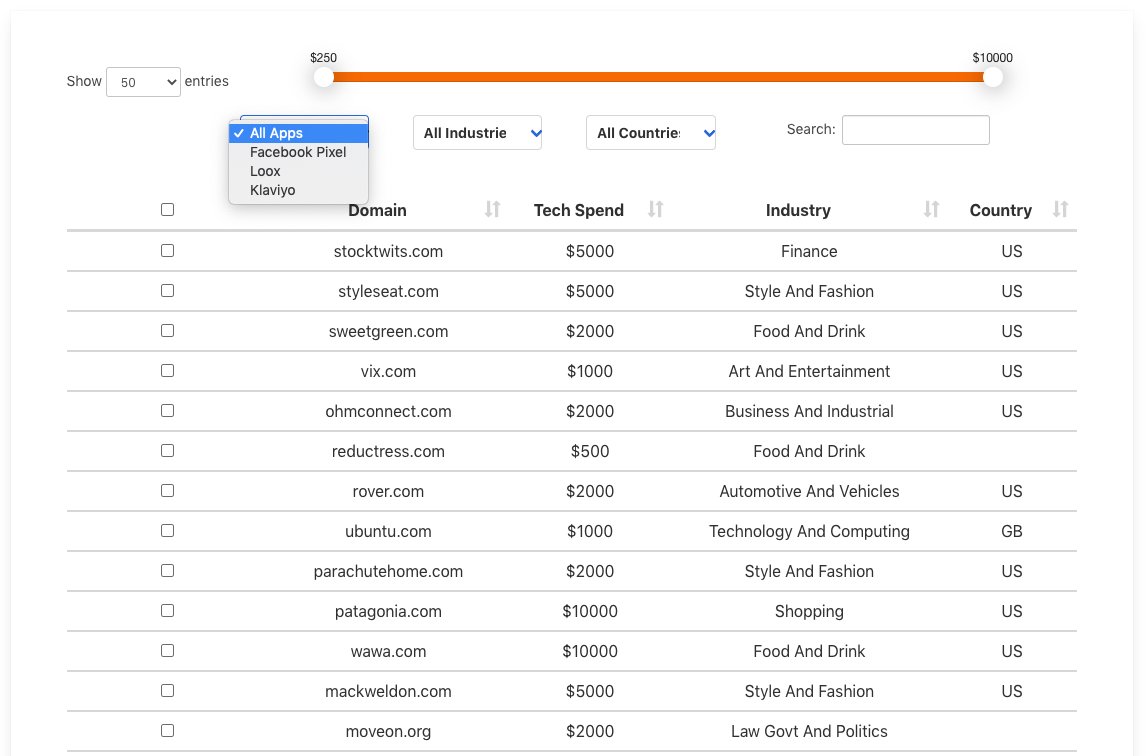
1/ Ecommerce Stores
Use https://t.co/McZHDIlDFn
Further filter based on apps installed.
Selling email marketing?
Shopify + Klaviyo
Instantly unlock direct email addresses of decision makers WITH LinkedIn profiles.
Emails are already verified, no need to do it yourself.
2/ Local Biz
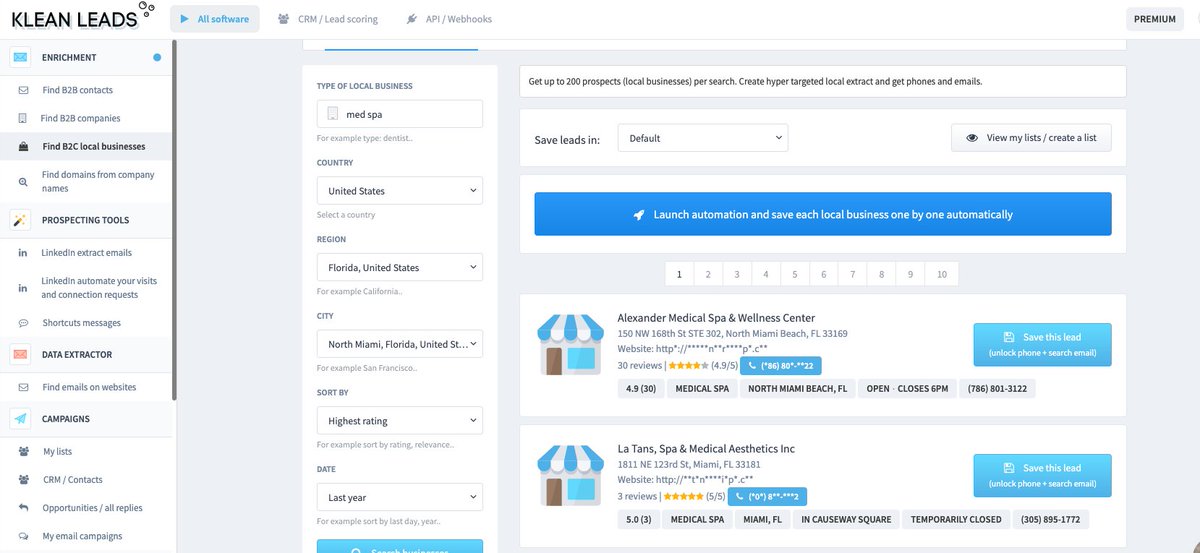
Use https://t.co/B53qu5yEIy
"Find B2C local businesses"
Specify country, state, city, sort by ratings.
Instantly unlocks generic email addresses.
But wait
You need direct owner emails.
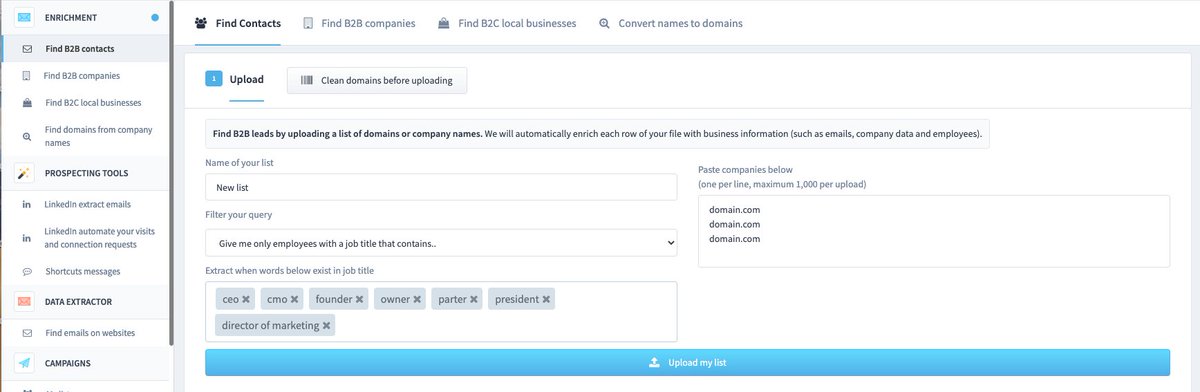
Take the list of domains, and plug them into Klean Leads "Find B2B contacts"
CEO
CMO
Founder
Owner
etc.
It will process and spit out *direct* email addresses of the titles you specify.
3/ LinkedIn Searches
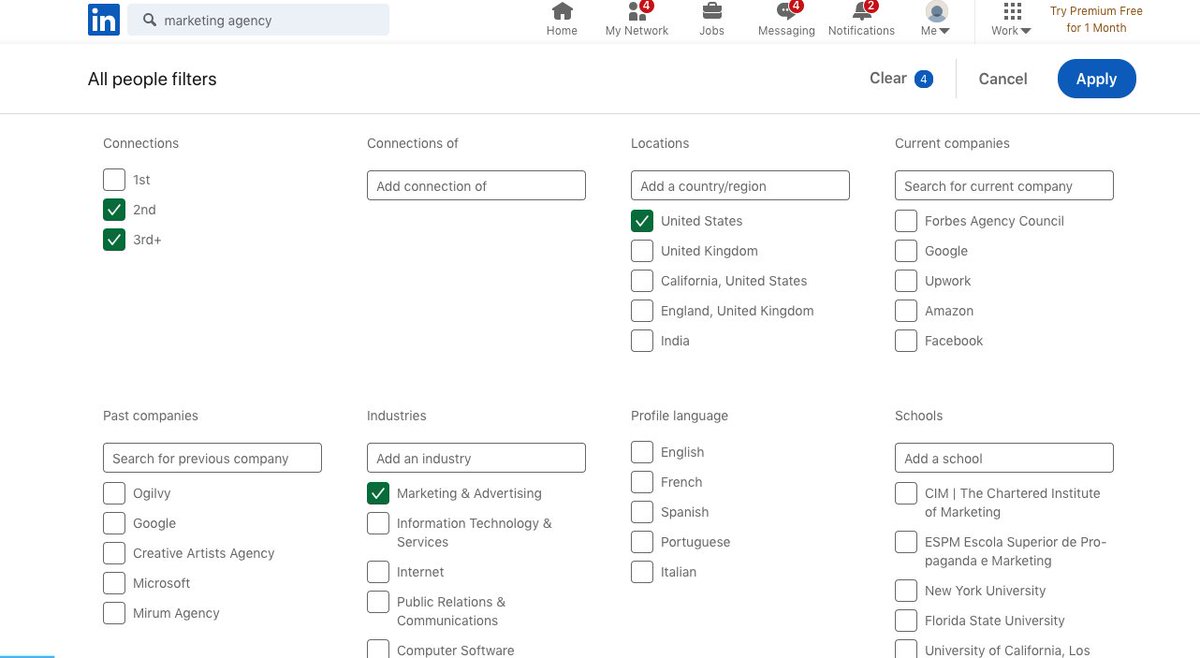
Let's scrape marketing agencies.
Go to LinkedIn and type in "marketing agency" (just an example)
Click "all filters"
Connections: 2nd, 3rd
Location: US
Industry: Marketing & Advertising
Titles: owner OR founder OR CEO OR CMO
Ready?
Let's scrape it
Ecommerce, local biz, B2B, LinkedIn searches, info product sellers, enterprise, ANYTHING.
Likes / Retweets appreciated.
THREAD
1/ Ecommerce Stores
Use https://t.co/McZHDIlDFn
Further filter based on apps installed.
Selling email marketing?
Shopify + Klaviyo
Instantly unlock direct email addresses of decision makers WITH LinkedIn profiles.
Emails are already verified, no need to do it yourself.
2/ Local Biz
Use https://t.co/B53qu5yEIy
"Find B2C local businesses"
Specify country, state, city, sort by ratings.
Instantly unlocks generic email addresses.
But wait
You need direct owner emails.
Take the list of domains, and plug them into Klean Leads "Find B2B contacts"
CEO
CMO
Founder
Owner
etc.
It will process and spit out *direct* email addresses of the titles you specify.
3/ LinkedIn Searches
Let's scrape marketing agencies.
Go to LinkedIn and type in "marketing agency" (just an example)
Click "all filters"
Connections: 2nd, 3rd
Location: US
Industry: Marketing & Advertising
Titles: owner OR founder OR CEO OR CMO
Ready?
Let's scrape it
You May Also Like



The entire discussion around Facebook’s disclosures of what happened in 2016 is very frustrating. No exec stopped any investigations, but there were a lot of heated discussions about what to publish and when.
In the spring and summer of 2016, as reported by the Times, activity we traced to GRU was reported to the FBI. This was the standard model of interaction companies used for nation-state attacks against likely US targeted.
In the Spring of 2017, after a deep dive into the Fake News phenomena, the security team wanted to publish an update that covered what we had learned. At this point, we didn’t have any advertising content or the big IRA cluster, but we did know about the GRU model.
This report when through dozens of edits as different equities were represented. I did not have any meetings with Sheryl on the paper, but I can’t speak to whether she was in the loop with my higher-ups.
In the end, the difficult question of attribution was settled by us pointing to the DNI report instead of saying Russia or GRU directly. In my pre-briefs with members of Congress, I made it clear that we believed this action was GRU.
The story doesn\u2019t say you were told not to... it says you did so without approval and they tried to obfuscate what you found. Is that true?
— Sarah Frier (@sarahfrier) November 15, 2018
In the spring and summer of 2016, as reported by the Times, activity we traced to GRU was reported to the FBI. This was the standard model of interaction companies used for nation-state attacks against likely US targeted.
In the Spring of 2017, after a deep dive into the Fake News phenomena, the security team wanted to publish an update that covered what we had learned. At this point, we didn’t have any advertising content or the big IRA cluster, but we did know about the GRU model.
This report when through dozens of edits as different equities were represented. I did not have any meetings with Sheryl on the paper, but I can’t speak to whether she was in the loop with my higher-ups.
In the end, the difficult question of attribution was settled by us pointing to the DNI report instead of saying Russia or GRU directly. In my pre-briefs with members of Congress, I made it clear that we believed this action was GRU.