EV Charging - A thread on the segment of charging infrastructure & stocks including
$TPGY $SBE $CLII $BLNK $NBAC $BEEM $STPK $TSLA $IDEX
https://t.co/0ToXKV9h8E
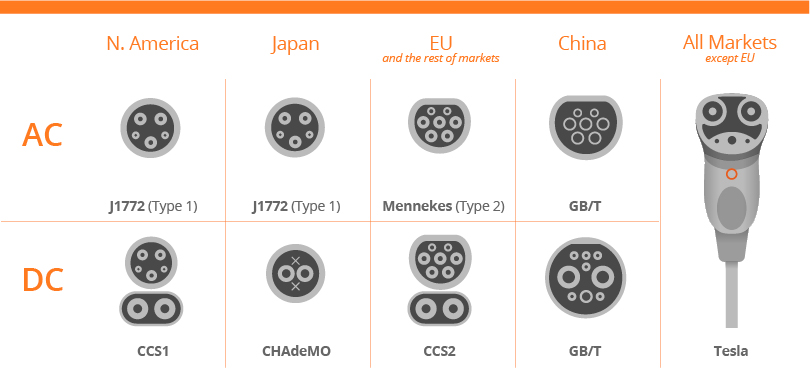
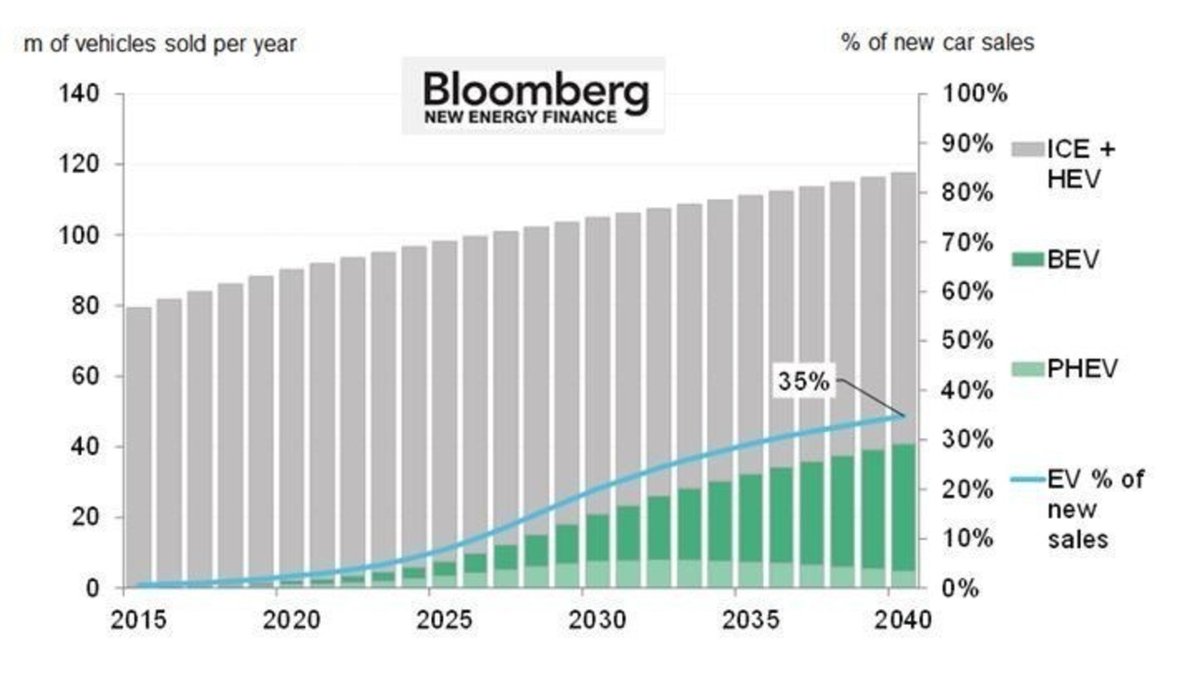
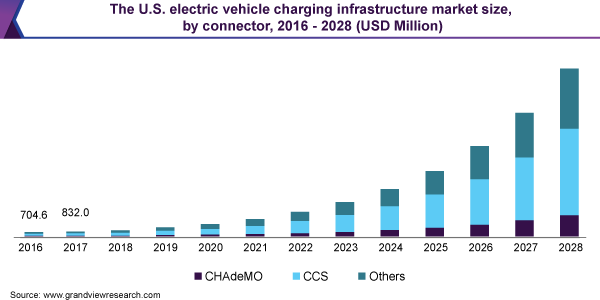
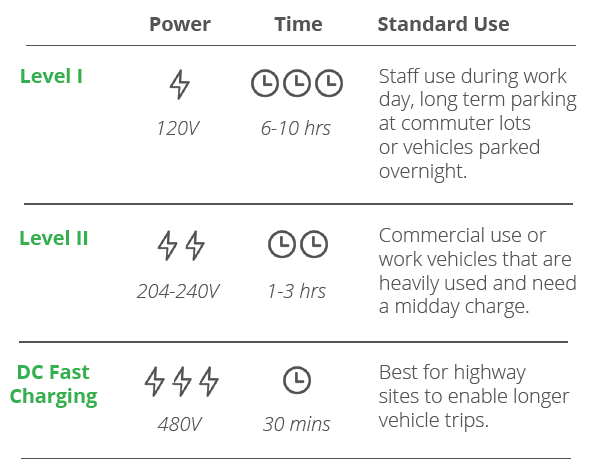
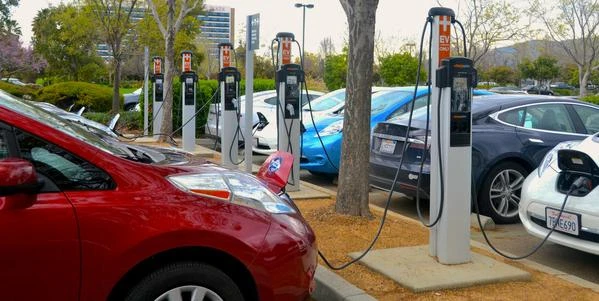
Fast charging is the future. No one wants to wait for 30-60 minutes to get their vehicle charged. So fast charging network is growing
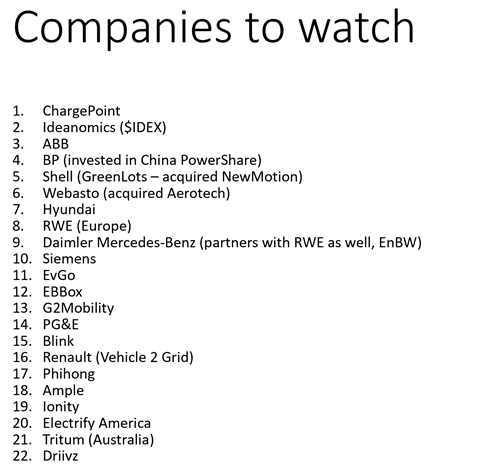
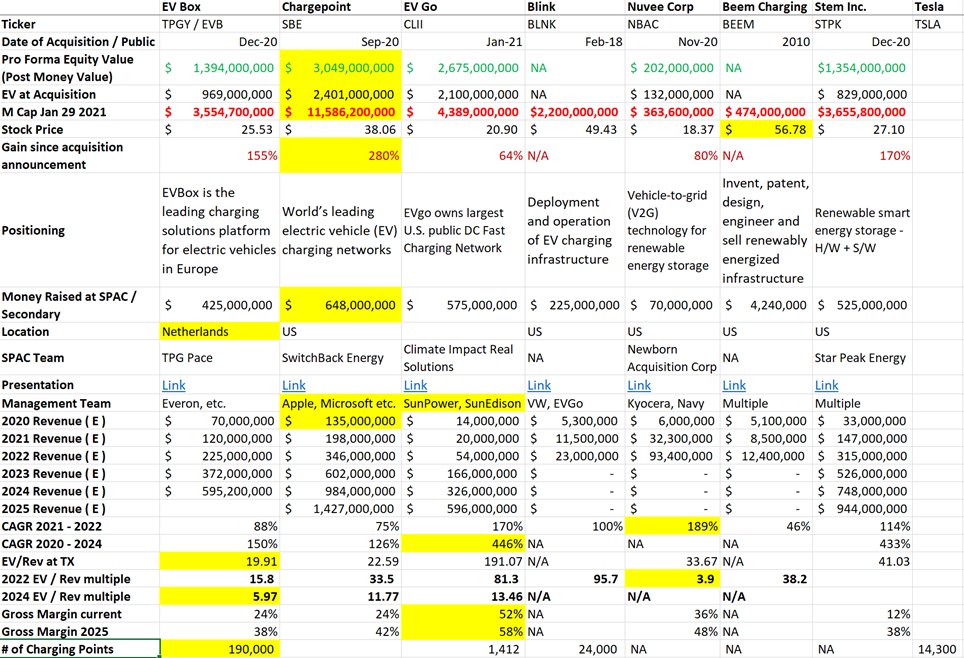
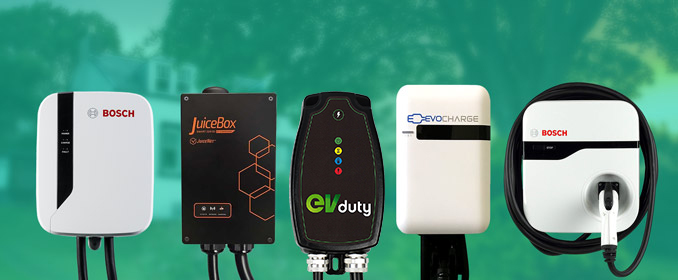
a) Infrastructure providers – H/W, S/W, Services e.g. $CLII, $NBAC
b) Charging as a Service providers e.g. $BLNK, $SBE, $TPGY
c) Energy management (Vehicle2Grid, etc.) e.g. Stem $STPK
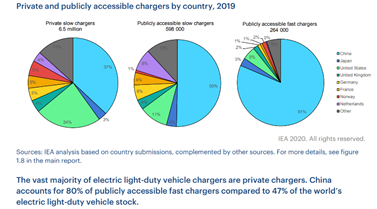
Globally, the number of publicly accessible chargers increased by 60% in 2019 compared with the previous year. Below is China Southern Power Grid
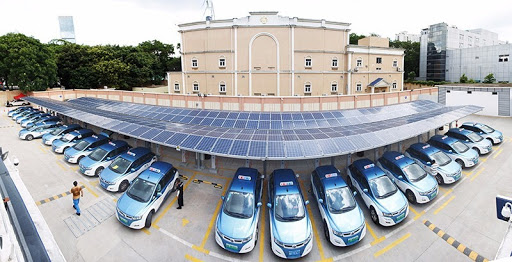
China has learned that and is rapidly growing their based. Europe (Netherlands) is following them and US is still lagging. Except $TSLA is leading the charge here
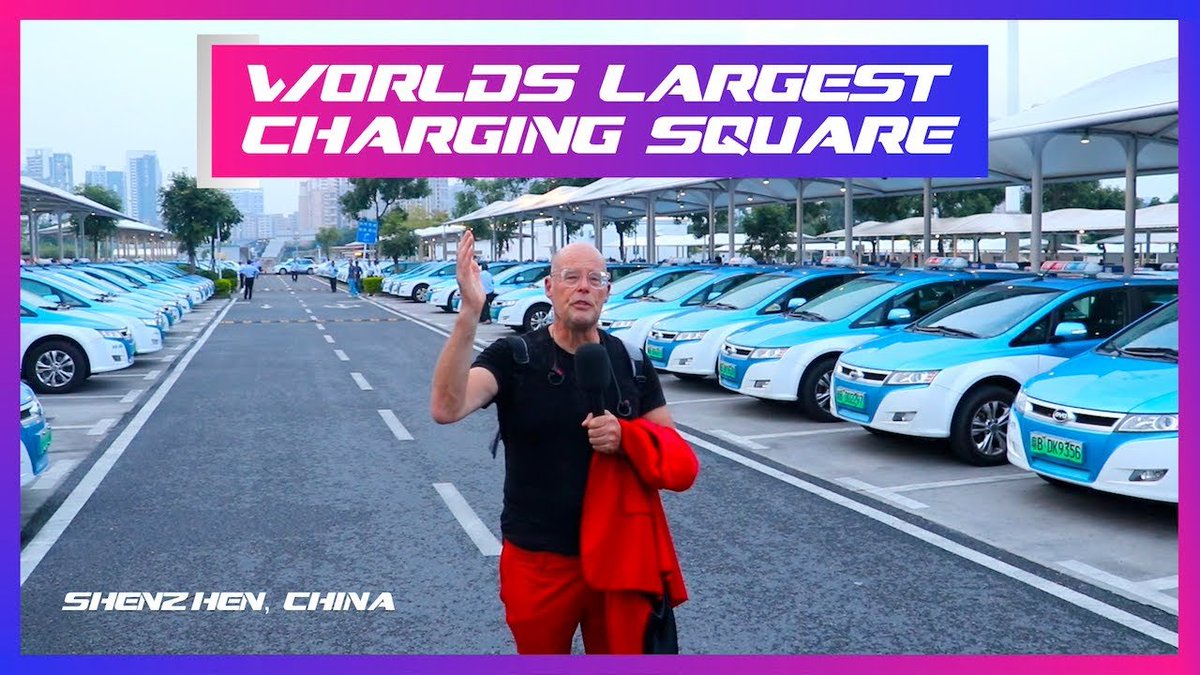
Quite simply you wont go wrong picking $SBE and $TPGY - for the LONG HAUL. They are relatively expensive now is MY OPINION.
Another company I really like is $STPK
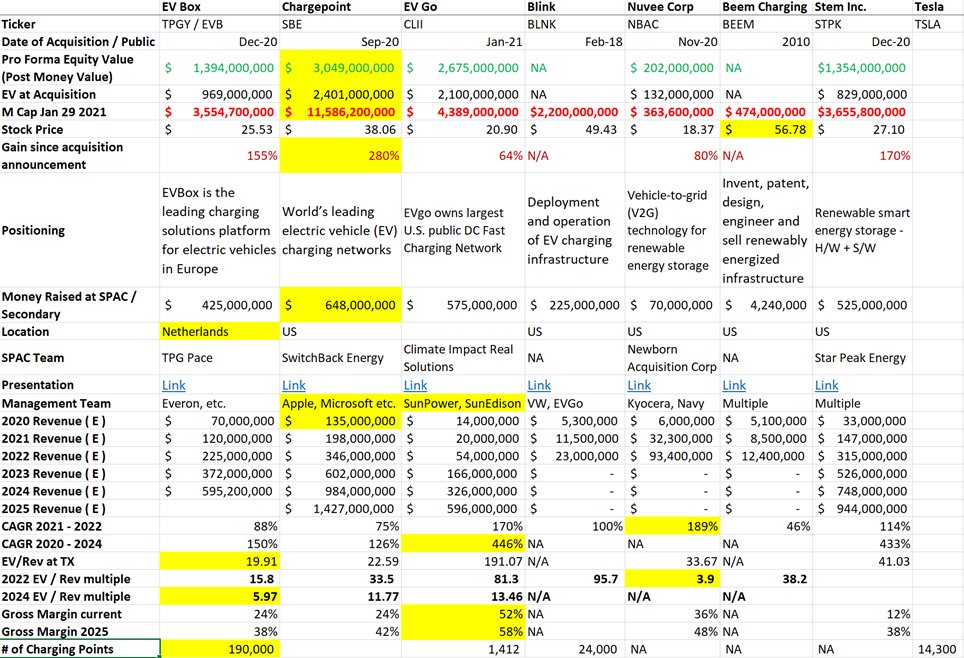
EvGo: $CLII presentation
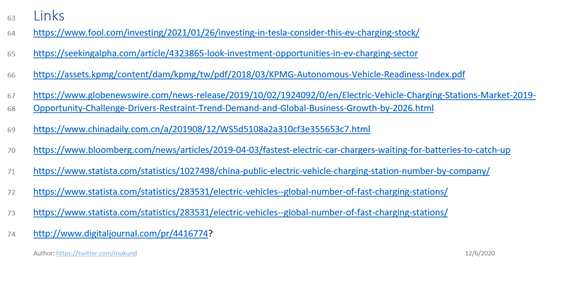
https://t.co/5AoN370okm
More from Trading


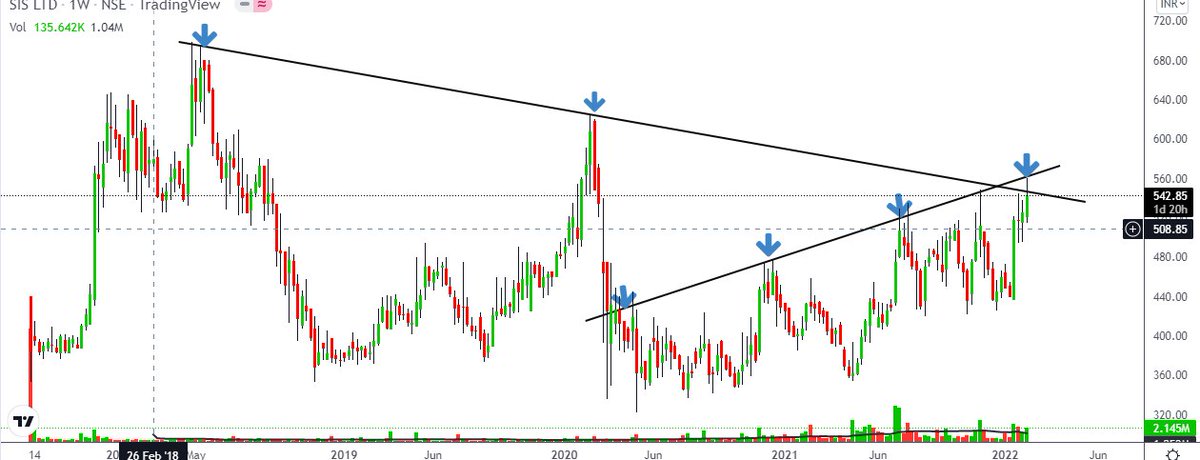


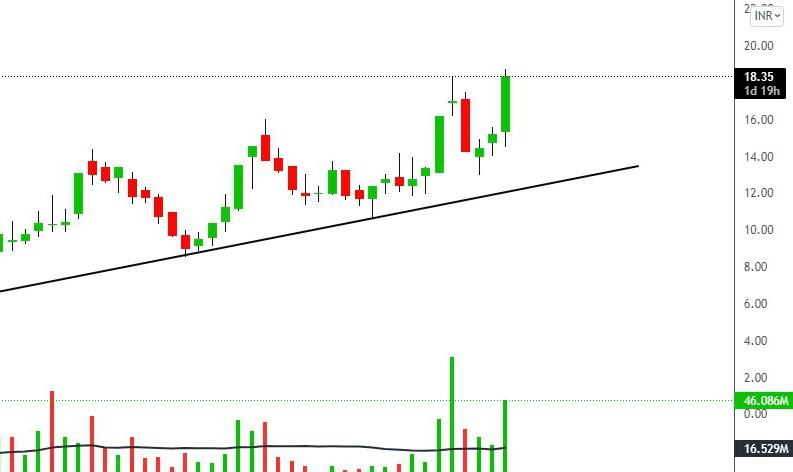


I spent over 100 hours studying the best patterns in Technical Analysis taught to me by @niki_poojary.
Turns out, patterns trading is simple—if you follow these 8 Patterns:
Let's start: ↓
While studying her Twitter profile and with constant talks with her, I found these to be the most important patterns she focuses on always.
Then I wrote a small summary of what each pattern means.
Also attached are some examples from her tweets.
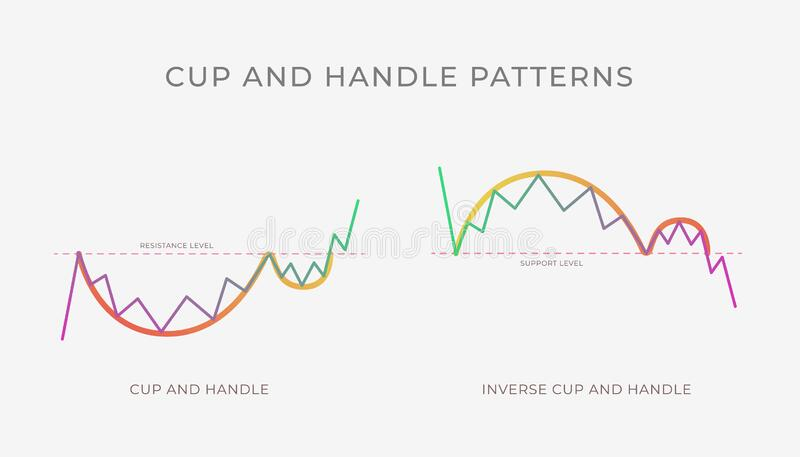
1/ Cup and handle Pattern
Happens during an uptrend.
The cup portion has a U-shaped appearance.
The bears are getting weaker as they are unable to drive the prices below the last low.
Subhasish Pani uses this a lot in stocks to spot bullish trades.
Eg
Eg
Turns out, patterns trading is simple—if you follow these 8 Patterns:
Let's start: ↓
While studying her Twitter profile and with constant talks with her, I found these to be the most important patterns she focuses on always.
Then I wrote a small summary of what each pattern means.
Also attached are some examples from her tweets.
1/ Cup and handle Pattern
Happens during an uptrend.
The cup portion has a U-shaped appearance.
The bears are getting weaker as they are unable to drive the prices below the last low.
Subhasish Pani uses this a lot in stocks to spot bullish trades.
Eg
5: When to play directional:
— Nikita Poojary (@niki_poojary) December 18, 2022
Whenever the index is moving in a single direction, its important to go with the trend.
A few weeks ago when BNF broke out of the cup and handle pattern, all we had to do was sell PEs.
Pls note: weekly TF chart is attached to just show the C&H BO pic.twitter.com/z0wgUzJW8t
Eg
#VOLTAS Another cup & handle pattern for cash positional pic.twitter.com/Jsc99xJfwY
— Nikita Poojary (@niki_poojary) October 23, 2019



You May Also Like

1/OK, data mystery time.
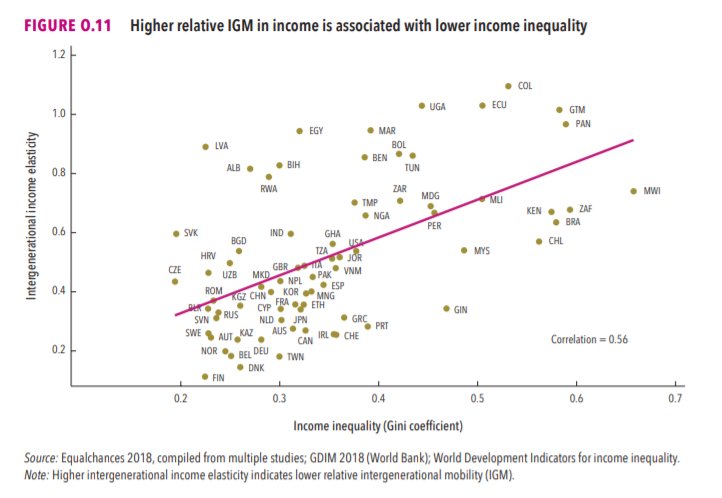
This New York Times feature shows China with a Gini Index of less than 30, which would make it more equal than Canada, France, or the Netherlands. https://t.co/g3Sv6DZTDE
That's weird. Income inequality in China is legendary.
Let's check this number.
2/The New York Times cites the World Bank's recent report, "Fair Progress? Economic Mobility across Generations Around the World".
The report is available here:
3/The World Bank report has a graph in which it appears to show the same value for China's Gini - under 0.3.
The graph cites the World Development Indicators as its source for the income inequality data.
4/The World Development Indicators are available at the World Bank's website.
Here's the Gini index: https://t.co/MvylQzpX6A
It looks as if the latest estimate for China's Gini is 42.2.
That estimate is from 2012.
5/A Gini of 42.2 would put China in the same neighborhood as the U.S., whose Gini was estimated at 41 in 2013.
I can't find the <30 number anywhere. The only other estimate in the tables for China is from 2008, when it was estimated at 42.8.
This New York Times feature shows China with a Gini Index of less than 30, which would make it more equal than Canada, France, or the Netherlands. https://t.co/g3Sv6DZTDE
That's weird. Income inequality in China is legendary.
Let's check this number.
2/The New York Times cites the World Bank's recent report, "Fair Progress? Economic Mobility across Generations Around the World".
The report is available here:
3/The World Bank report has a graph in which it appears to show the same value for China's Gini - under 0.3.
The graph cites the World Development Indicators as its source for the income inequality data.
4/The World Development Indicators are available at the World Bank's website.
Here's the Gini index: https://t.co/MvylQzpX6A
It looks as if the latest estimate for China's Gini is 42.2.
That estimate is from 2012.
5/A Gini of 42.2 would put China in the same neighborhood as the U.S., whose Gini was estimated at 41 in 2013.
I can't find the <30 number anywhere. The only other estimate in the tables for China is from 2008, when it was estimated at 42.8.


1/“What would need to be true for you to….X”
Why is this the most powerful question you can ask when attempting to reach an agreement with another human being or organization?
A thread, co-written by @deanmbrody:
2/ First, “X” could be lots of things. Examples: What would need to be true for you to
- “Feel it's in our best interest for me to be CMO"
- “Feel that we’re in a good place as a company”
- “Feel that we’re on the same page”
- “Feel that we both got what we wanted from this deal
3/ Normally, we aren’t that direct. Example from startup/VC land:
Founders leave VC meetings thinking that every VC will invest, but they rarely do.
Worse over, the founders don’t know what they need to do in order to be fundable.
4/ So why should you ask the magic Q?
To get clarity.
You want to know where you stand, and what it takes to get what you want in a way that also gets them what they want.
It also holds them (mentally) accountable once the thing they need becomes true.
5/ Staying in the context of soliciting investors, the question is “what would need to be true for you to want to invest (or partner with us on this journey, etc)?”
Multiple responses to this question are likely to deliver a positive result.
Why is this the most powerful question you can ask when attempting to reach an agreement with another human being or organization?
A thread, co-written by @deanmbrody:
Next level tactic when closing a sale, candidate, or investment:
— Erik Torenberg (@eriktorenberg) February 27, 2018
Ask: \u201cWhat needs to be true for you to be all in?\u201d
You'll usually get an explicit answer that you might not get otherwise. It also holds them accountable once the thing they need becomes true.
2/ First, “X” could be lots of things. Examples: What would need to be true for you to
- “Feel it's in our best interest for me to be CMO"
- “Feel that we’re in a good place as a company”
- “Feel that we’re on the same page”
- “Feel that we both got what we wanted from this deal
3/ Normally, we aren’t that direct. Example from startup/VC land:
Founders leave VC meetings thinking that every VC will invest, but they rarely do.
Worse over, the founders don’t know what they need to do in order to be fundable.
4/ So why should you ask the magic Q?
To get clarity.
You want to know where you stand, and what it takes to get what you want in a way that also gets them what they want.
It also holds them (mentally) accountable once the thing they need becomes true.
5/ Staying in the context of soliciting investors, the question is “what would need to be true for you to want to invest (or partner with us on this journey, etc)?”
Multiple responses to this question are likely to deliver a positive result.

Following @BAUDEGS I have experienced hateful and propagandist tweets time after time. I have been shocked that an academic community would be so reckless with their publications. So I did some research.
The question is:
Is this an official account for Bahcesehir Uni (Bau)?

Bahcesehir Uni, BAU has an official website https://t.co/ztzX6uj34V which links to their social media, leading to their Twitter account @Bahcesehir
BAU’s official Twitter account

BAU has many departments, which all have separate accounts. Nowhere among them did I find @BAUDEGS
@BAUOrganization @ApplyBAU @adayBAU @BAUAlumniCenter @bahcesehirfbe @baufens @CyprusBau @bauiisbf @bauglobal @bahcesehirebe @BAUintBatumi @BAUiletisim @BAUSaglik @bauebf @TIPBAU
Nowhere among them was @BAUDEGS to find

The question is:
Is this an official account for Bahcesehir Uni (Bau)?
Bahcesehir Uni, BAU has an official website https://t.co/ztzX6uj34V which links to their social media, leading to their Twitter account @Bahcesehir
BAU’s official Twitter account
BAU has many departments, which all have separate accounts. Nowhere among them did I find @BAUDEGS
@BAUOrganization @ApplyBAU @adayBAU @BAUAlumniCenter @bahcesehirfbe @baufens @CyprusBau @bauiisbf @bauglobal @bahcesehirebe @BAUintBatumi @BAUiletisim @BAUSaglik @bauebf @TIPBAU
Nowhere among them was @BAUDEGS to find