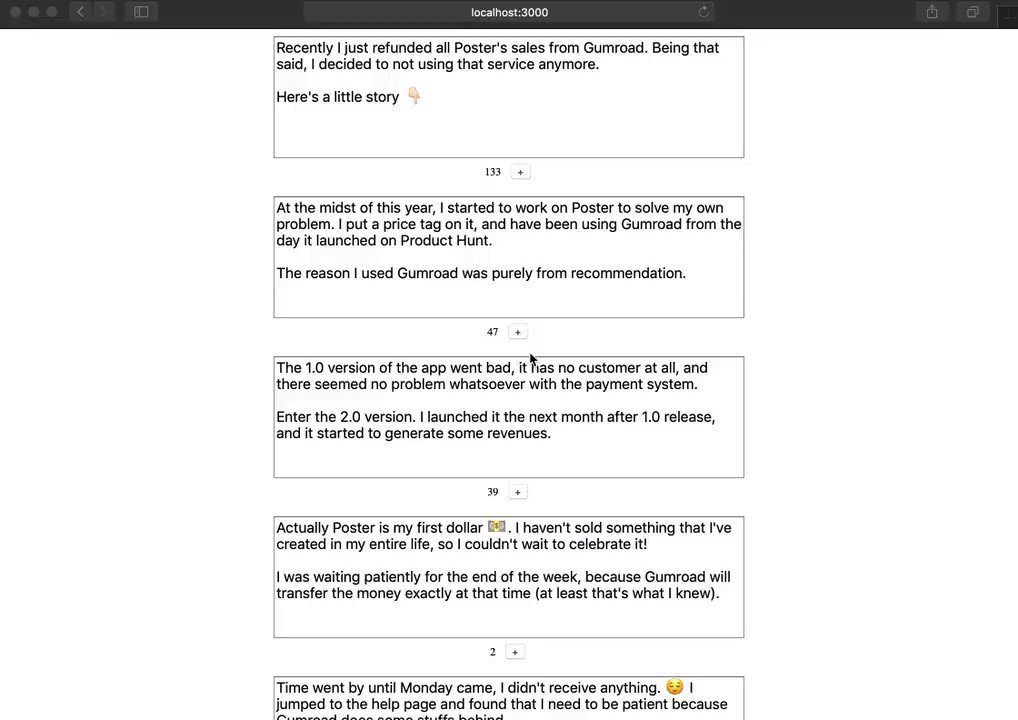
These past few days I've been experimenting with something new that I want to use by myself.
Interestingly, this thread below has been written by that.
Let me show you how it looks like. 👇🏻
Recently I just refunded all Poster's sales from Gumroad. Being that said, I decided to not using that service anymore.
— Wilbert Liu \U0001f468\U0001f3fb\u200d\U0001f3a8 (@wilbertliu) November 19, 2018
Here's a little story \U0001f447\U0001f3fb
I've been personally wanting it myself since few months ago, but neglected it intentionally to make sure it's something that I genuinely need.
I've been a believer of a story. I tell stories all the time, whether it's in the real world or online like this. Our society has moved by that.
If you're interested by stories that move us, read Sapiens! https://t.co/RUsVmfaG2Y
It's been launched multiple times this year, and Twitter has been my go-to place to tell the world about that.
Here comes my frustration.. 😤
Once my thread has gone without any reasons when I left it for a while. The page just refreshed and phewww.., all gone! 🤯
When you have written around 10 tweets and suddenly all of those are gone, not to mention you have to write all of those words from the beginning. 💥
I can't stand with this. Anyone could?
From all of those, I've experienced some lost multiple times, and that's probably enough for me to discourage myself to write another story.
Now what's the real problem, you wonder? 🤔
There's no reliable draft to write stories that you want to tell on Twitter. I might be the one who will try to solve it. 👊🏻
I'd really appreciate if you have any feedback or perhaps some questions that you want to ask, feel free! 😉
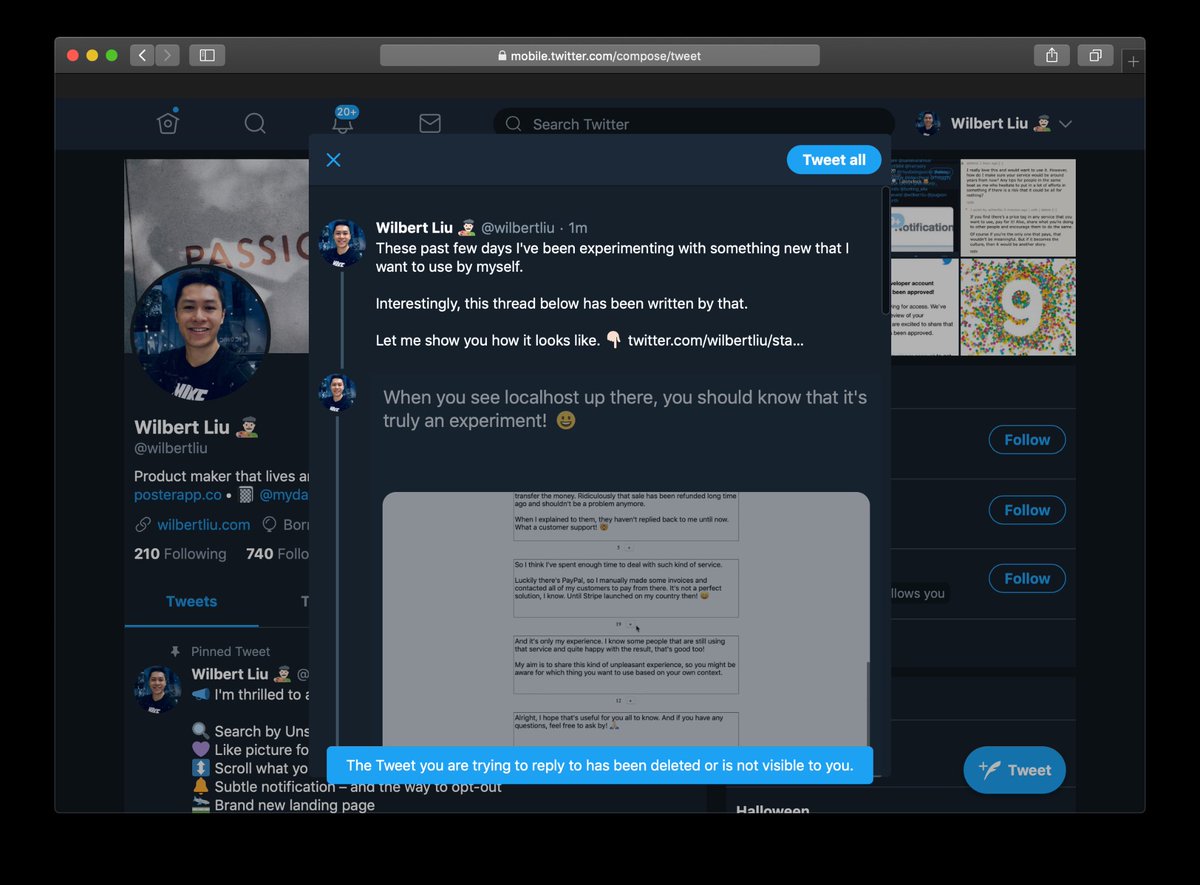
To write this thread, I was trying AGAIN to use the mobile website. This is what I got! 👇🏻
So the first tweet has tweeted, but the rest was stuck. What can I do?! 🤯 And it happens twice btw, I have to copy-paste everything.
Alright, time to build.
So it's not about the payment anymore. 🙂
More from Tech

BREAKING: @CommonsCMS @DamianCollins just released previously sealed #Six4Three @Facebook documents:
Some random interesting tidbits:
1) Zuck approves shutting down platform API access for Twitter's when Vine is released #competition
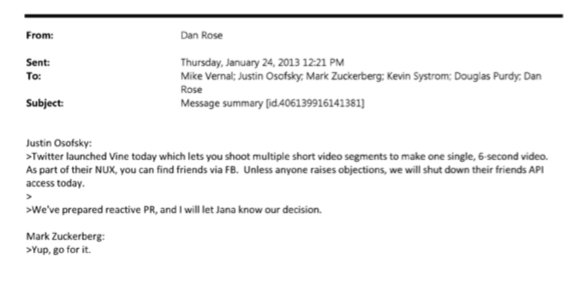
2) Facebook engineered ways to access user's call history w/o alerting users:
Team considered access to call history considered 'high PR risk' but 'growth team will charge ahead'. @Facebook created upgrade path to access data w/o subjecting users to Android permissions dialogue.
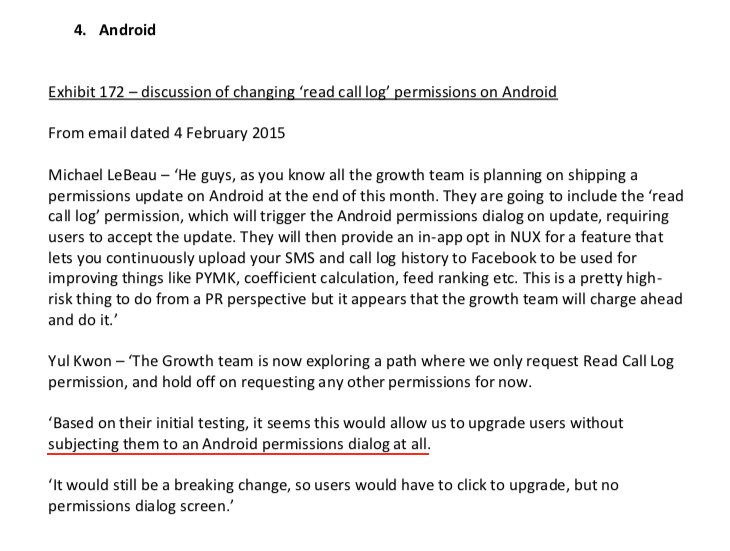
3) The above also confirms @kashhill and other's suspicion that call history was used to improve PYMK (People You May Know) suggestions and newsfeed rankings.
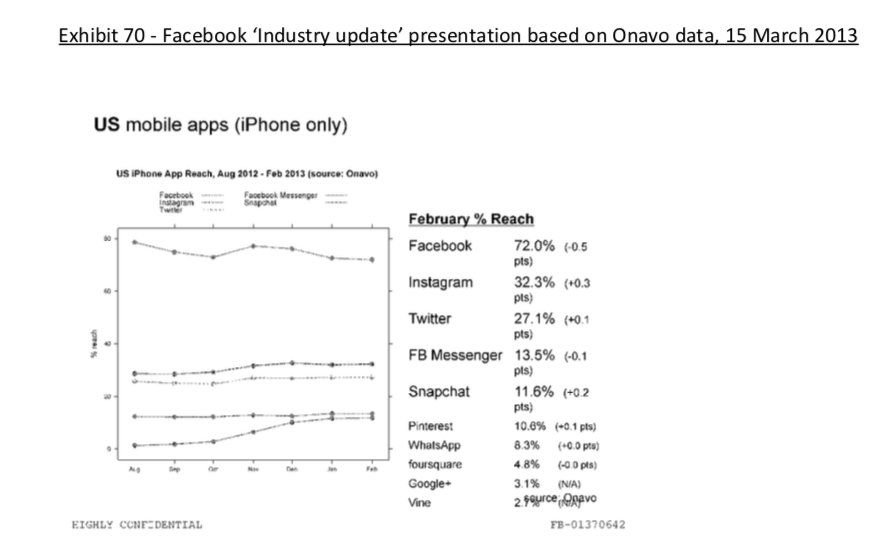
4) Docs also shed more light into @dseetharaman's story on @Facebook monitoring users' @Onavo VPN activity to determine what competitors to mimic or acquire in 2013.
https://t.co/PwiRIL3v9x
Some random interesting tidbits:
1) Zuck approves shutting down platform API access for Twitter's when Vine is released #competition
2) Facebook engineered ways to access user's call history w/o alerting users:
Team considered access to call history considered 'high PR risk' but 'growth team will charge ahead'. @Facebook created upgrade path to access data w/o subjecting users to Android permissions dialogue.
3) The above also confirms @kashhill and other's suspicion that call history was used to improve PYMK (People You May Know) suggestions and newsfeed rankings.
4) Docs also shed more light into @dseetharaman's story on @Facebook monitoring users' @Onavo VPN activity to determine what competitors to mimic or acquire in 2013.
https://t.co/PwiRIL3v9x




You May Also Like


The entire discussion around Facebook’s disclosures of what happened in 2016 is very frustrating. No exec stopped any investigations, but there were a lot of heated discussions about what to publish and when.
In the spring and summer of 2016, as reported by the Times, activity we traced to GRU was reported to the FBI. This was the standard model of interaction companies used for nation-state attacks against likely US targeted.
In the Spring of 2017, after a deep dive into the Fake News phenomena, the security team wanted to publish an update that covered what we had learned. At this point, we didn’t have any advertising content or the big IRA cluster, but we did know about the GRU model.
This report when through dozens of edits as different equities were represented. I did not have any meetings with Sheryl on the paper, but I can’t speak to whether she was in the loop with my higher-ups.
In the end, the difficult question of attribution was settled by us pointing to the DNI report instead of saying Russia or GRU directly. In my pre-briefs with members of Congress, I made it clear that we believed this action was GRU.
The story doesn\u2019t say you were told not to... it says you did so without approval and they tried to obfuscate what you found. Is that true?
— Sarah Frier (@sarahfrier) November 15, 2018
In the spring and summer of 2016, as reported by the Times, activity we traced to GRU was reported to the FBI. This was the standard model of interaction companies used for nation-state attacks against likely US targeted.
In the Spring of 2017, after a deep dive into the Fake News phenomena, the security team wanted to publish an update that covered what we had learned. At this point, we didn’t have any advertising content or the big IRA cluster, but we did know about the GRU model.
This report when through dozens of edits as different equities were represented. I did not have any meetings with Sheryl on the paper, but I can’t speak to whether she was in the loop with my higher-ups.
In the end, the difficult question of attribution was settled by us pointing to the DNI report instead of saying Russia or GRU directly. In my pre-briefs with members of Congress, I made it clear that we believed this action was GRU.