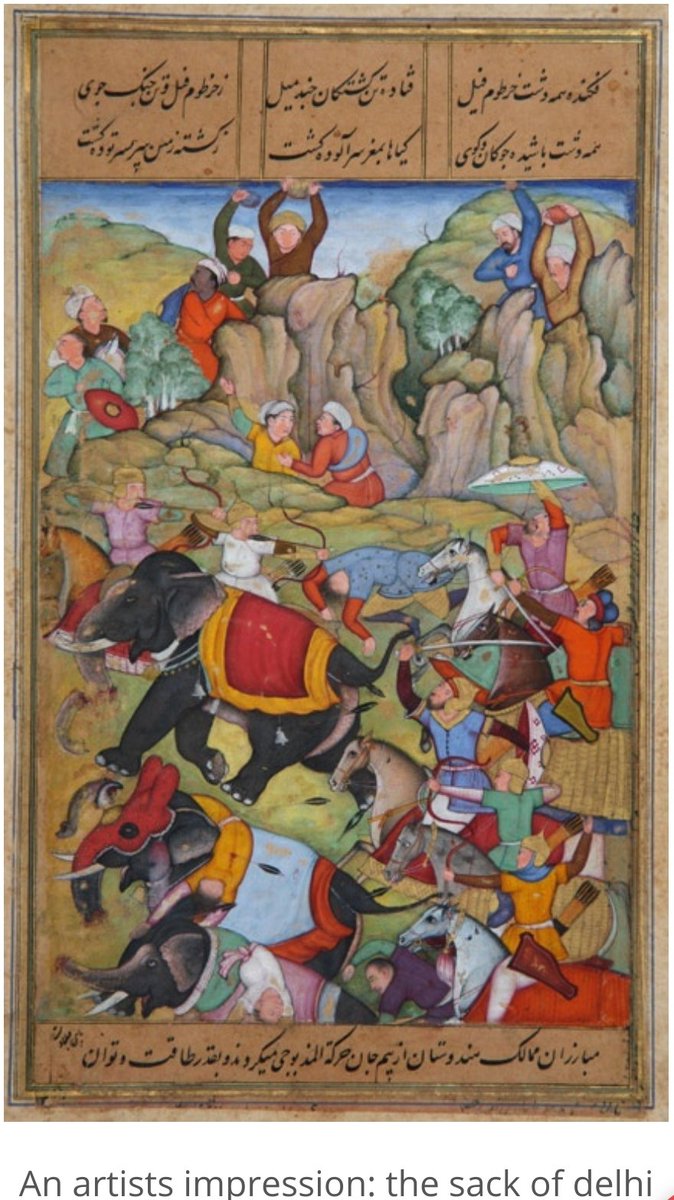
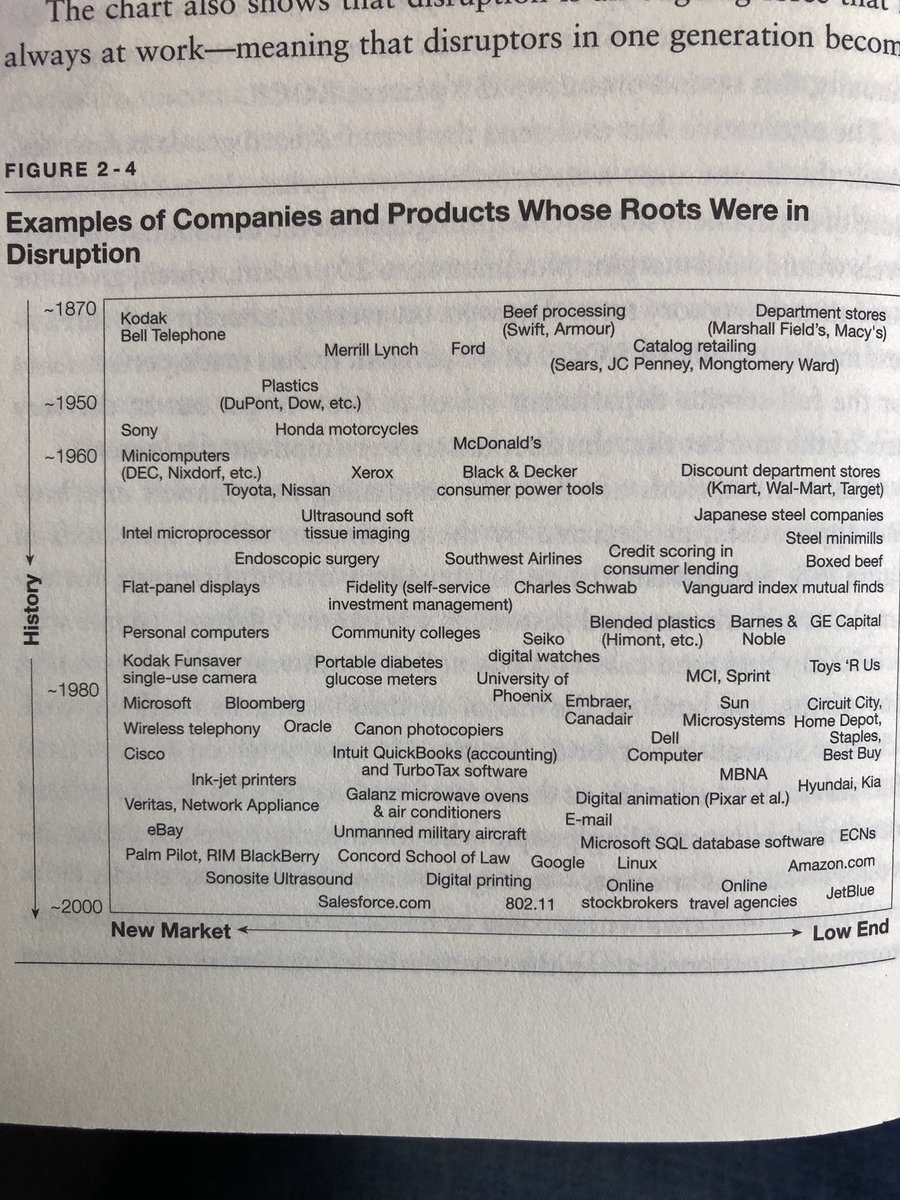
Incumbents almost always prevail with sustaining innovation
In disruptive circumstances, the entrants are likely to beat the incumbents
H/t Clayton Christensen, The Innovator’s Solution
More from Tech

A common misunderstanding about Agile and “Big Design Up Front”:
There’s nothing in the Agile Manifesto or Principles that states you should never have any idea what you’re trying to build.
You’re allowed to think about a desired outcome from the beginning.
It’s not Big Design Up Front if you do in-depth research to understand the user’s problem.
It’s not BDUF if you spend detailed time learning who needs this thing and why they need it.
It’s not BDUF if you help every team member know what success looks like.
Agile is about reducing risk.
It’s not Agile if you increase risk by starting your sprints with complete ignorance.
It’s not Agile if you don’t research.
Don’t make the mistake of shutting down critical understanding by labeling it Bg Design Up Front.
It would be a mistake to assume this research should only be done by designers and researchers.
Product management and developers also need to be out with the team, conducting the research.
Shared Understanding is the key objective
Big Design Up Front is a thing to avoid.
Defining all the functionality before coding is BDUF.
Drawing every screen and every pixel is BDUF.
Promising functionality (or delivery dates) to customers before development starts is BDUF.
These things shouldn’t happen in Agile.
There’s nothing in the Agile Manifesto or Principles that states you should never have any idea what you’re trying to build.
You’re allowed to think about a desired outcome from the beginning.
It’s not Big Design Up Front if you do in-depth research to understand the user’s problem.
It’s not BDUF if you spend detailed time learning who needs this thing and why they need it.
It’s not BDUF if you help every team member know what success looks like.
Agile is about reducing risk.
It’s not Agile if you increase risk by starting your sprints with complete ignorance.
It’s not Agile if you don’t research.
Don’t make the mistake of shutting down critical understanding by labeling it Bg Design Up Front.
It would be a mistake to assume this research should only be done by designers and researchers.
Product management and developers also need to be out with the team, conducting the research.
Shared Understanding is the key objective
I\u2019d recommend that the devs participate directly in the research.
— Jared Spool (@jmspool) November 18, 2018
If the devs go into the first sprint with a thorough understanding of the user\u2019s problems, they are far more likely to solve it well.
Big Design Up Front is a thing to avoid.
Defining all the functionality before coding is BDUF.
Drawing every screen and every pixel is BDUF.
Promising functionality (or delivery dates) to customers before development starts is BDUF.
These things shouldn’t happen in Agile.

The entire discussion around Facebook’s disclosures of what happened in 2016 is very frustrating. No exec stopped any investigations, but there were a lot of heated discussions about what to publish and when.
In the spring and summer of 2016, as reported by the Times, activity we traced to GRU was reported to the FBI. This was the standard model of interaction companies used for nation-state attacks against likely US targeted.
In the Spring of 2017, after a deep dive into the Fake News phenomena, the security team wanted to publish an update that covered what we had learned. At this point, we didn’t have any advertising content or the big IRA cluster, but we did know about the GRU model.
This report when through dozens of edits as different equities were represented. I did not have any meetings with Sheryl on the paper, but I can’t speak to whether she was in the loop with my higher-ups.
In the end, the difficult question of attribution was settled by us pointing to the DNI report instead of saying Russia or GRU directly. In my pre-briefs with members of Congress, I made it clear that we believed this action was GRU.
The story doesn\u2019t say you were told not to... it says you did so without approval and they tried to obfuscate what you found. Is that true?
— Sarah Frier (@sarahfrier) November 15, 2018
In the spring and summer of 2016, as reported by the Times, activity we traced to GRU was reported to the FBI. This was the standard model of interaction companies used for nation-state attacks against likely US targeted.
In the Spring of 2017, after a deep dive into the Fake News phenomena, the security team wanted to publish an update that covered what we had learned. At this point, we didn’t have any advertising content or the big IRA cluster, but we did know about the GRU model.
This report when through dozens of edits as different equities were represented. I did not have any meetings with Sheryl on the paper, but I can’t speak to whether she was in the loop with my higher-ups.
In the end, the difficult question of attribution was settled by us pointing to the DNI report instead of saying Russia or GRU directly. In my pre-briefs with members of Congress, I made it clear that we believed this action was GRU.