I'm in the position that I actually find npm / yarn the best ecosystem. Whenever I use something else I always end up stubbing my toe into something thats missing / feels wrong.
Ex. Cargo seems to neither have a concept of devDependencies nor peerDependencies.
More from Tech




On press call, Zuckerberg says FB users "naturally engage more with sensational content" that comes close to violating its rules. Compares it to cable TV and tabloids, and says, "This seems to be true regardless of where we set our policy lines."
Zuckerberg says FB is in the process of setting up a "new independent body" that users will be able to appeal content takedowns to. Sort of like the "Facebook Supreme Court" idea he previewed earlier this year.
Zuckerberg: "One of my biggest lessons from this year is that when you connect more than 2 billion people, you’re going to see the good and bad of humanity."
This is how Facebook says it's trying to change the engagement pattern on its services. https://t.co/3p0PGc912o

.@RebeccaJarvis asks Zuckerberg if anyone is going to lose their job over the revelations in the NYT story. He dodges, says that personnel issues aren't a public matter, and that employee performance is evaluated all the time.
Zuckerberg says FB is in the process of setting up a "new independent body" that users will be able to appeal content takedowns to. Sort of like the "Facebook Supreme Court" idea he previewed earlier this year.
Zuckerberg: "One of my biggest lessons from this year is that when you connect more than 2 billion people, you’re going to see the good and bad of humanity."
This is how Facebook says it's trying to change the engagement pattern on its services. https://t.co/3p0PGc912o
.@RebeccaJarvis asks Zuckerberg if anyone is going to lose their job over the revelations in the NYT story. He dodges, says that personnel issues aren't a public matter, and that employee performance is evaluated all the time.


Thought I'd put a thread together of some resources & people I consider really valuable & insightful for anyone considering or just starting out on their @SorareHQ journey. It's by no means comprehensive, this community is super helpful so no offence to anyone I've missed off...
1) Get yourself on the official Sorare Discord group https://t.co/1CWeyglJhu, the forum is always full of interesting debate. Got a question? Put it on the relevant thread & it's usually answered in minutes. This is also a great place to engage directly with the @SorareHQ team.
2) Bury your head in @HGLeitch's @SorareData & get to grips with all the collated information you have to hand FOR FREE! IMO it's vital for price-checking, scouting & S05 team building plus they are hosts to the forward thinking SO11 and SorareData Cups 🏆
3) Get on YouTube 📺, subscribe to @Qu_Tang_Clan's channel https://t.co/1ZxMsQR1kq & engross yourself in hours of Sorare tutorials & videos. There's a good crowd that log in to the live Gameweek shows where you get to see Quinny scratching his head/ beard over team selection.
4) Make sure to follow & give a listen to the @Sorare_Podcast on the streaming service of your choice 🔊, weekly shows are always insightful with great guests. Worth listening to the old episodes too as there's loads of information you'll take from them.
1) Get yourself on the official Sorare Discord group https://t.co/1CWeyglJhu, the forum is always full of interesting debate. Got a question? Put it on the relevant thread & it's usually answered in minutes. This is also a great place to engage directly with the @SorareHQ team.
2) Bury your head in @HGLeitch's @SorareData & get to grips with all the collated information you have to hand FOR FREE! IMO it's vital for price-checking, scouting & S05 team building plus they are hosts to the forward thinking SO11 and SorareData Cups 🏆
3) Get on YouTube 📺, subscribe to @Qu_Tang_Clan's channel https://t.co/1ZxMsQR1kq & engross yourself in hours of Sorare tutorials & videos. There's a good crowd that log in to the live Gameweek shows where you get to see Quinny scratching his head/ beard over team selection.
4) Make sure to follow & give a listen to the @Sorare_Podcast on the streaming service of your choice 🔊, weekly shows are always insightful with great guests. Worth listening to the old episodes too as there's loads of information you'll take from them.
You May Also Like


BREAKING: @CommonsCMS @DamianCollins just released previously sealed #Six4Three @Facebook documents:
Some random interesting tidbits:
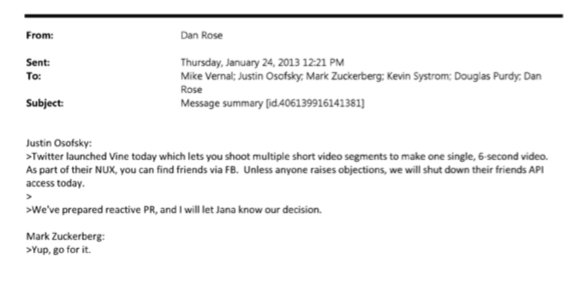
1) Zuck approves shutting down platform API access for Twitter's when Vine is released #competition
2) Facebook engineered ways to access user's call history w/o alerting users:
Team considered access to call history considered 'high PR risk' but 'growth team will charge ahead'. @Facebook created upgrade path to access data w/o subjecting users to Android permissions dialogue.
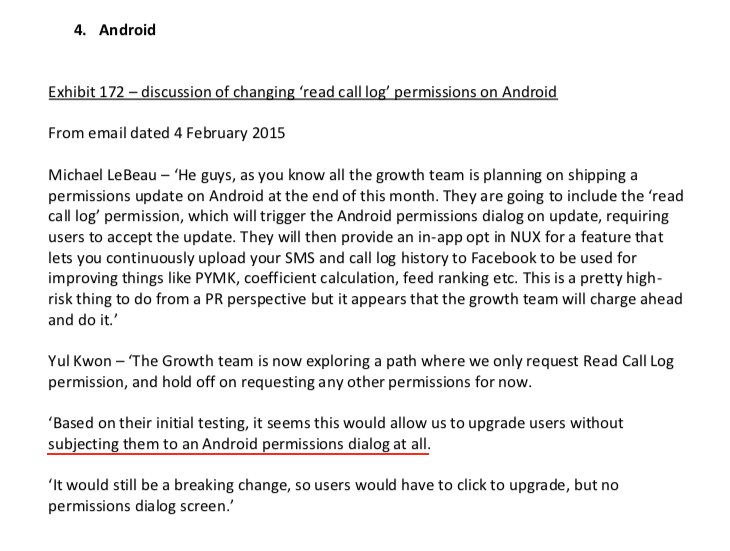
3) The above also confirms @kashhill and other's suspicion that call history was used to improve PYMK (People You May Know) suggestions and newsfeed rankings.
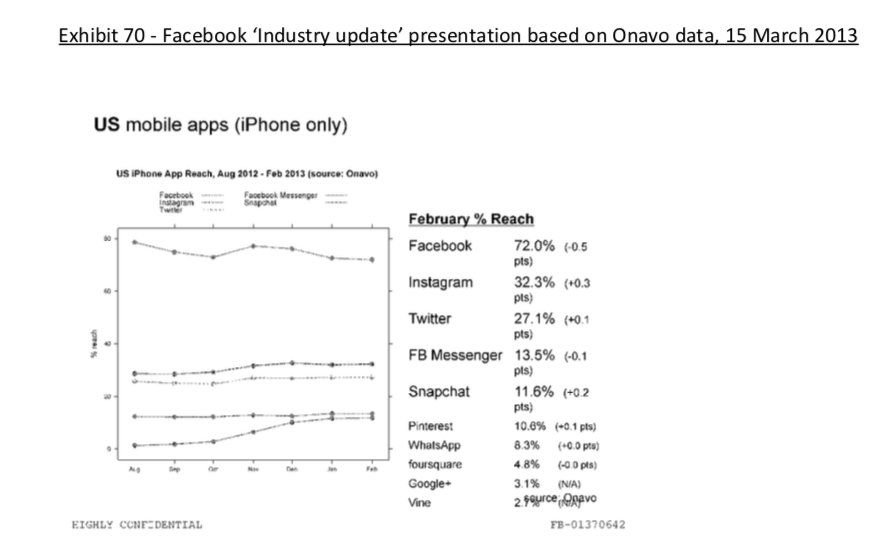
4) Docs also shed more light into @dseetharaman's story on @Facebook monitoring users' @Onavo VPN activity to determine what competitors to mimic or acquire in 2013.
https://t.co/PwiRIL3v9x
Some random interesting tidbits:
1) Zuck approves shutting down platform API access for Twitter's when Vine is released #competition
2) Facebook engineered ways to access user's call history w/o alerting users:
Team considered access to call history considered 'high PR risk' but 'growth team will charge ahead'. @Facebook created upgrade path to access data w/o subjecting users to Android permissions dialogue.
3) The above also confirms @kashhill and other's suspicion that call history was used to improve PYMK (People You May Know) suggestions and newsfeed rankings.
4) Docs also shed more light into @dseetharaman's story on @Facebook monitoring users' @Onavo VPN activity to determine what competitors to mimic or acquire in 2013.
https://t.co/PwiRIL3v9x