Before we discuss the indicator, let us understand an important concept.
Thread: Alligator indicator
#Alligator #Indicators #Definedge

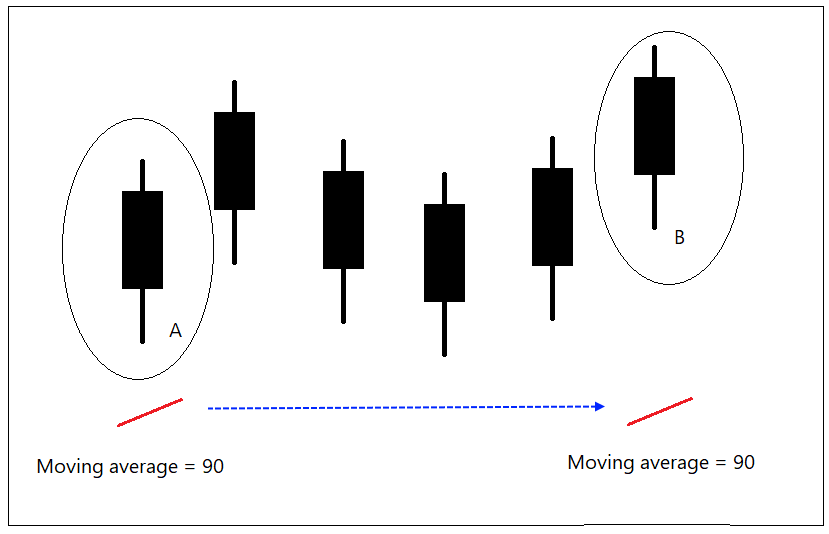
Before we discuss the indicator, let us understand an important concept.
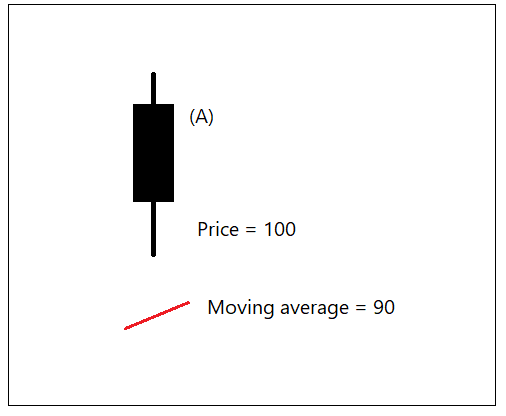
Moving average at bar B is moving average price of bar A (5 candles behind). This is shifting of moving average price. What does it mean?
https://t.co/WkNxKU9n8u
Let us discuss the Alligator indicator.
Thread:- How Ichimoku indicator is calculated. pic.twitter.com/pM7AZvJjMj
— Prashant Shah (@Prashantshah267) April 15, 2020
Williams suggested Fib numbers 13, 8 and 5 period averages.
The averages are calculated on median price.
Median price = (High + low) / 2.
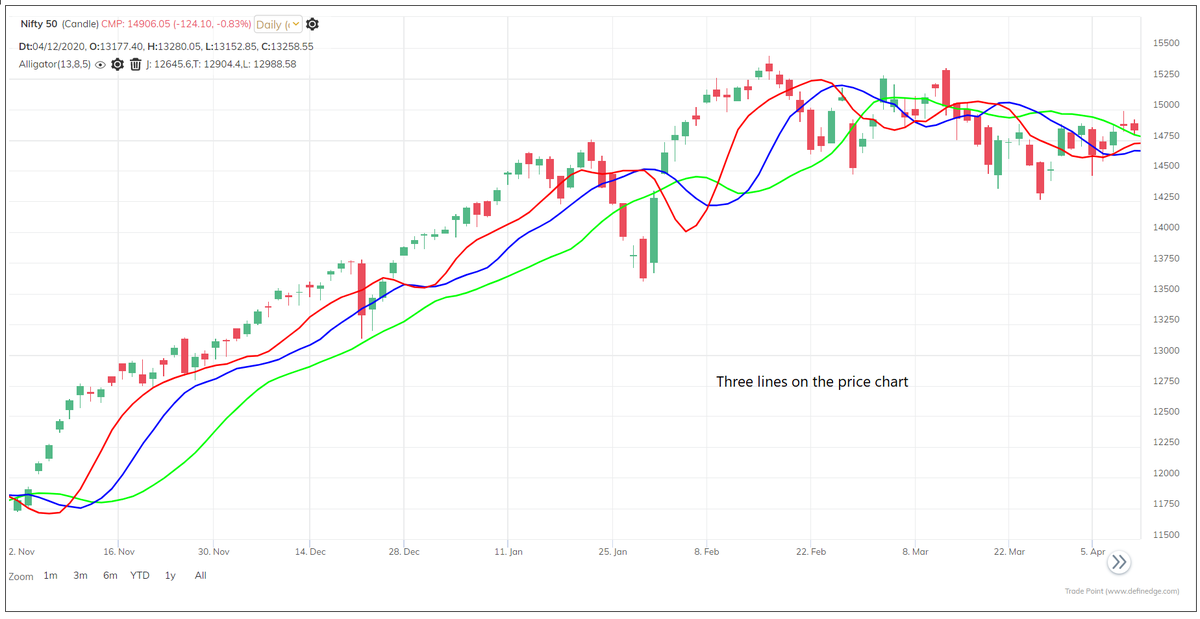
So, there are three lines plotted on the chart.
13-period MA is shifted by 8 bars
8-period MA is shifted by 5 bars
5-period MA is shifted by 3 bars
So, default parameters of Alligator indicator are 13,8,5 and 8,5,3.
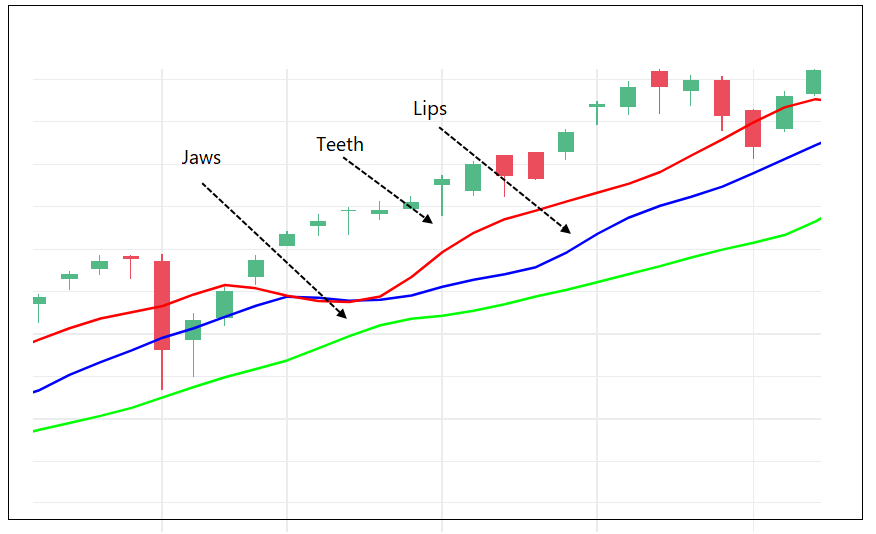
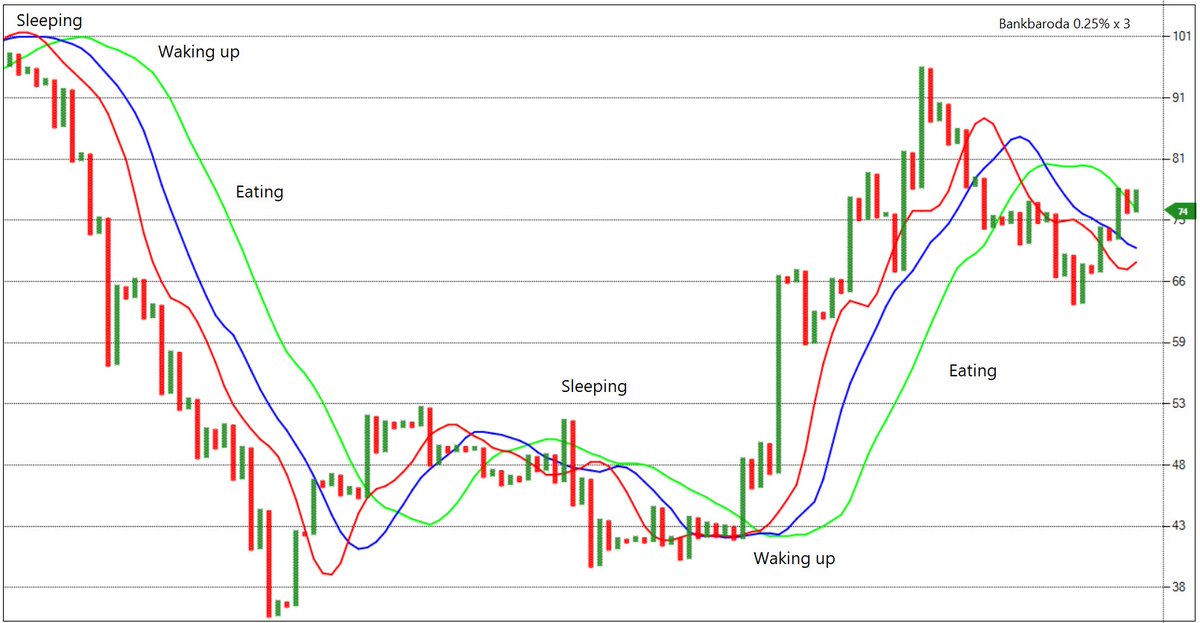
The 13-period MA to 8 (13,8) is called as Alligator’s Jaws.
8-period MA to 5, the Teeth and
5-period MA to 3, the Lips.
When three lines are close to each other, the Alligator is sleeping.
If the Lips crosses the Teeth and Jaws upward or downward, the Alligator is waking up.
If Price crosses above or below the three lines, the Alligator is eating.
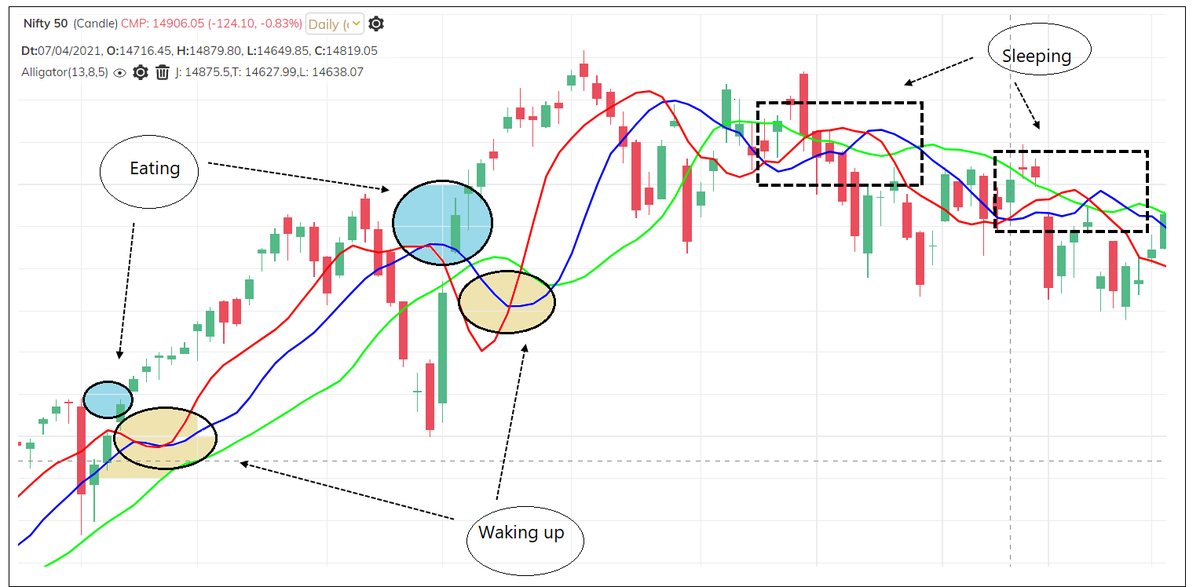
When three lines are close to each other, there is no clear trend.
When short-term average crosses other two upward or downward, the trend might emerge.
When three lines are trending, and price is above them, then it indicates strong uptrend.
Over a period, market trends roughly 20% – 30% times, it remains in a range rest of the time.
If Alligator sleeps more (long consolidation), it will become hungrier and eat more (Strong trend).
There are two important observations on this indicator which I found useful:
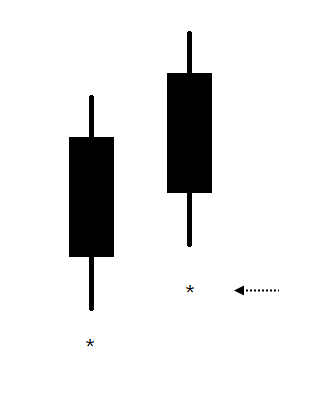
2 – Price low is above three averages and all averages are rising = Strong up trend. Price high is below averages and all averages are falling = strong downtrend.
These readings are also possible using other indicators and charts. Idea was to talk about the concept.

More from Prashant Shah
Thread: P&F Super Pattern
An effective price pattern defined using properties of P&F charts.
#Superpattern #Pointandfigure #Definedge
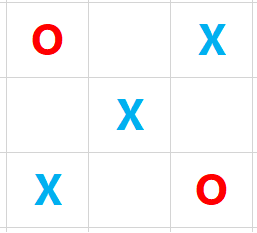
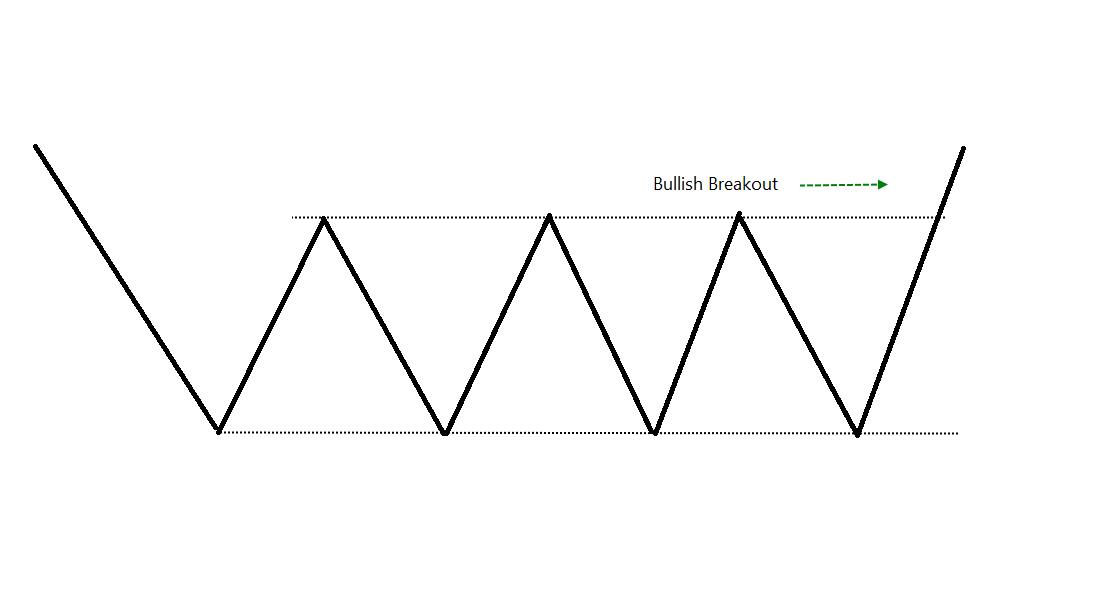
Point & Figure is an oldest charting method where price is plotted vertically, and the chart moves only when price moves. It is a different way of looking at the price, the objective box-value and reversal value offers advantage of identifying objective price patterns.
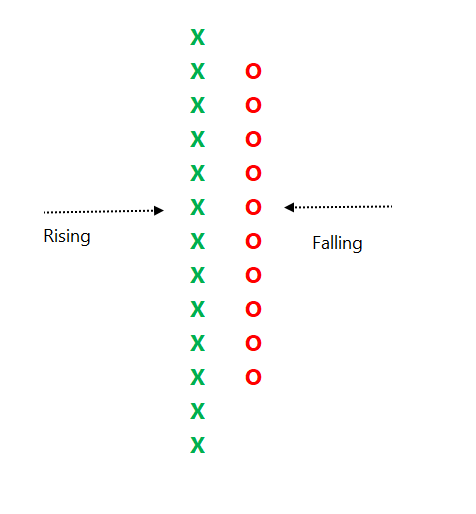
When price is moving up, it is plotted in a column of 'X'. When it is going down, it is plotted in a column of ‘O’. Normally, three-box reversal criteria is used to define the trend & reversal. Unlike a bar or candle, the P&F column can have multiple sessions in it.
Link to know more about the subject:
https://t.co/2xtLAVPBvm
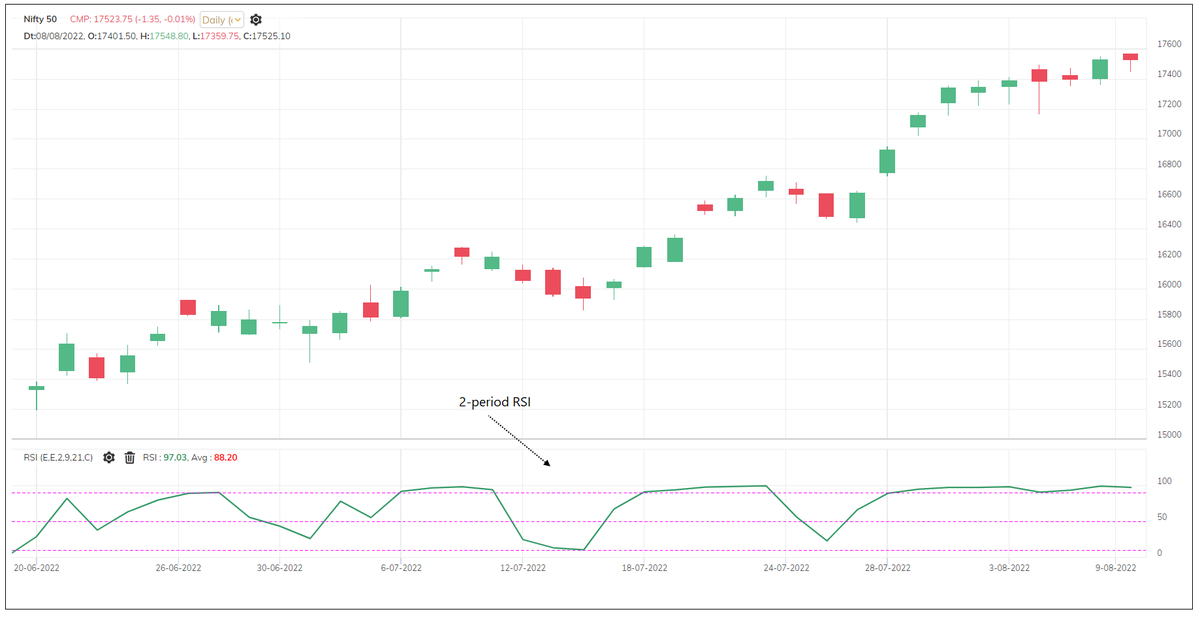
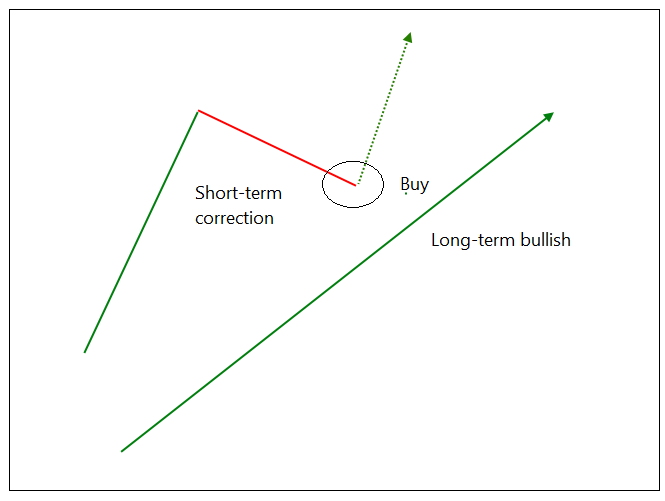
See below chart. Price is in a strong uptrend, P&F chart would produce a long of column of 'X' with more number of boxes in it.
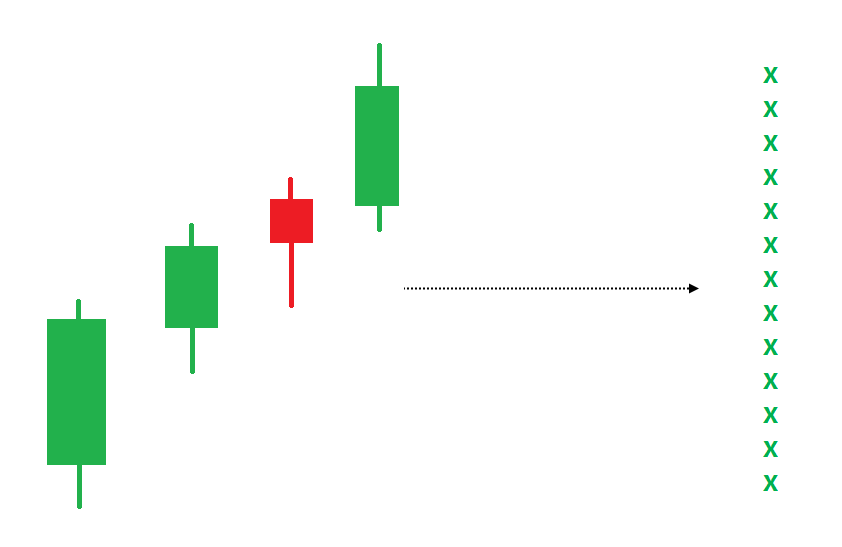
If such a trend is followed by some time bars without meaningful price correct, P&F chart would not move, and it will remain in column of 'X' in such a scenario.
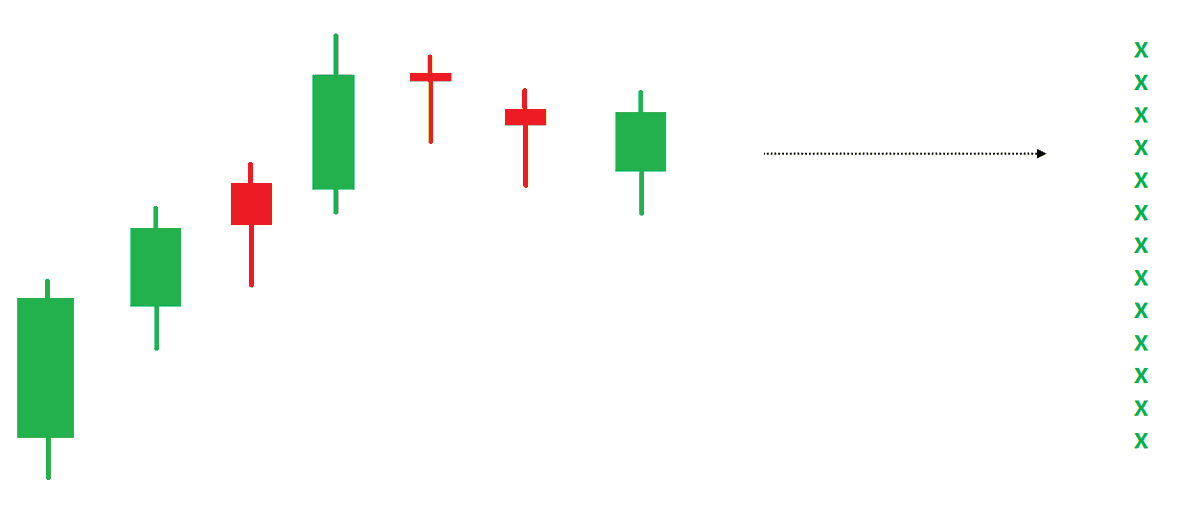
An effective price pattern defined using properties of P&F charts.
#Superpattern #Pointandfigure #Definedge
Point & Figure is an oldest charting method where price is plotted vertically, and the chart moves only when price moves. It is a different way of looking at the price, the objective box-value and reversal value offers advantage of identifying objective price patterns.
When price is moving up, it is plotted in a column of 'X'. When it is going down, it is plotted in a column of ‘O’. Normally, three-box reversal criteria is used to define the trend & reversal. Unlike a bar or candle, the P&F column can have multiple sessions in it.
Link to know more about the subject:
https://t.co/2xtLAVPBvm
See below chart. Price is in a strong uptrend, P&F chart would produce a long of column of 'X' with more number of boxes in it.
If such a trend is followed by some time bars without meaningful price correct, P&F chart would not move, and it will remain in column of 'X' in such a scenario.
More from Stockslearnings






Here are my top 10 best tweets of the week: 1st September.
• Lessons learned from Trading Mistakes
• Moneycontrol article on a pro option seller
• Rakesh Jhunjhunwala investing strategy.
• What do you really need?
• Stocks to invest for long term
A thread 🧵
Best Trading books to read - check the comments section for some great
Lessons learned from some trading
In spite of being rejected in many things, we can still be
Moneycontrol article on @Pathik_Trader to learn how to trade breakouts with good risk management & position
• Lessons learned from Trading Mistakes
• Moneycontrol article on a pro option seller
• Rakesh Jhunjhunwala investing strategy.
• What do you really need?
• Stocks to invest for long term
A thread 🧵
Best Trading books to read - check the comments section for some great
What's the best trading book you've ever read?
— Steve Burns (@SJosephBurns) September 30, 2021
Lessons learned from some trading
Trading Mistakes & Lessons Learnt \U0001f9f5
— Sourabh Sisodiya, CFA (@sourabhsiso19) September 30, 2021
1) I always keep my mistakes & lessons learnt in front of my screen while trading.
Bcz we as traders tend to commit the same mistakes everytime.
So seeing your learnt lessons everyday ensures that you avoid them.
#trading #mistakes pic.twitter.com/4MYFlCS9Hi
In spite of being rejected in many things, we can still be
I had been rejected many times in my life few are:
— ASAN (@Atulsingh_asan) September 30, 2021
-I was Rejected in a BPO job interview 2006
-I was Rejected in Indian Idol 2011
But Market accepted me as a student since 2013 and journey on
Don\u2019t lose hope when you rejected by someone, keep trying you will succeed.#ASAN
Moneycontrol article on @Pathik_Trader to learn how to trade breakouts with good risk management & position
Small article on my trading journey covered by Shishir in moneycontrol. Thanks a lot shishir.\U0001f942\U0001f942
— Pathik (@Pathik_Trader) September 27, 2021
It's kind of dream come true moment. \U0001f60d\U0001f942
Thank you everyone for inspiration & support. Special thanks to @sanstocktrader@Stockengg @VRtrendfollower\U0001f942\U0001f942https://t.co/0fk2gpd1qv