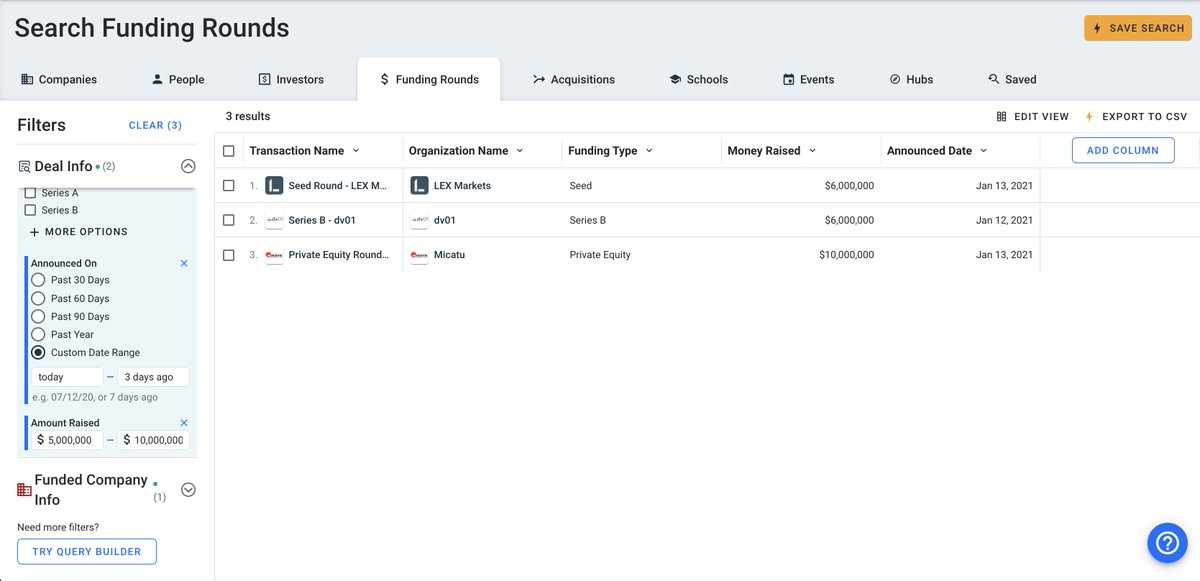
There are a *lot* of software shops in the world that would far rather have one more technical dependency than they'd like to pay for one of their 20 engineers to become the company's SPOF expert on the joys of e.g. HTTP file uploads, CSV parsing bugs, PDF generation, etc.
On a serious note, it's interesting to observe that you can build a decent business charging $20 - $50 per month for something that any good developer can set up. This is one of those micro-saas sweet spots between "easy for me to build" and "tedious for others to build"
— Jon Yongfook (@yongfook) September 5, 2019
A consulting shop delivering a $X00k engagement for an internal system, a SaaS company doing something custom for a large client or internally facing or deeply non-core to their business, etc.
More from Patrick McKenzie
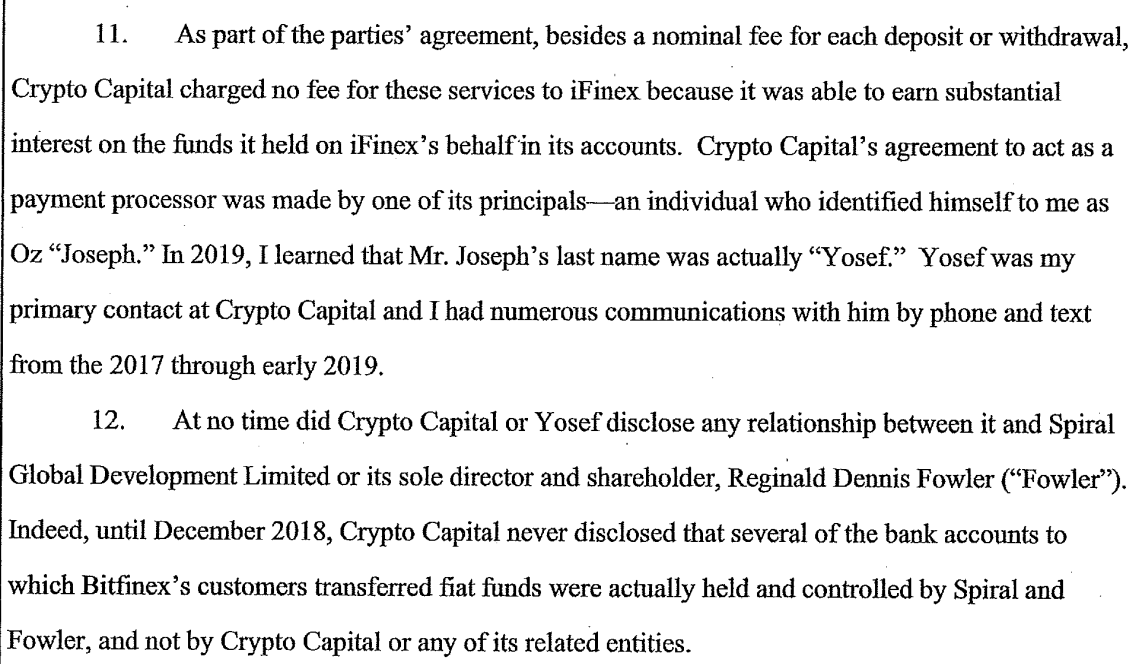
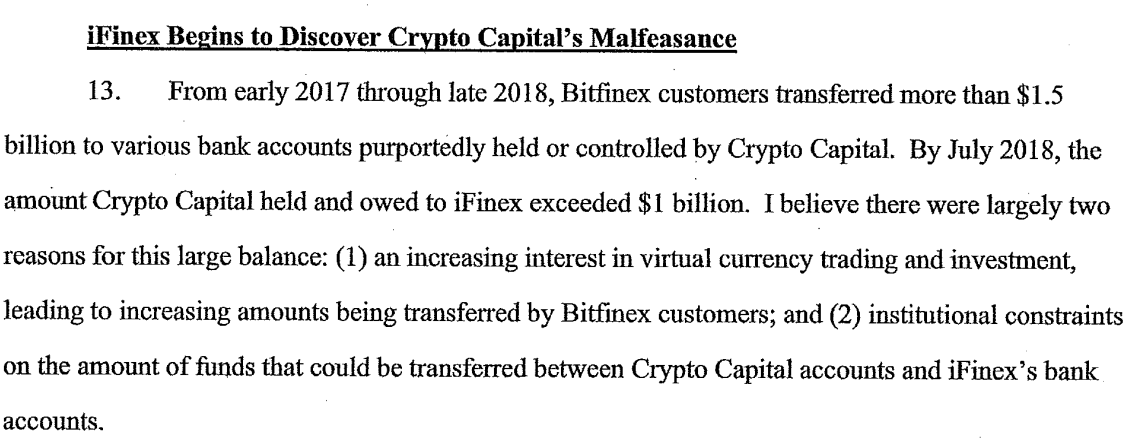
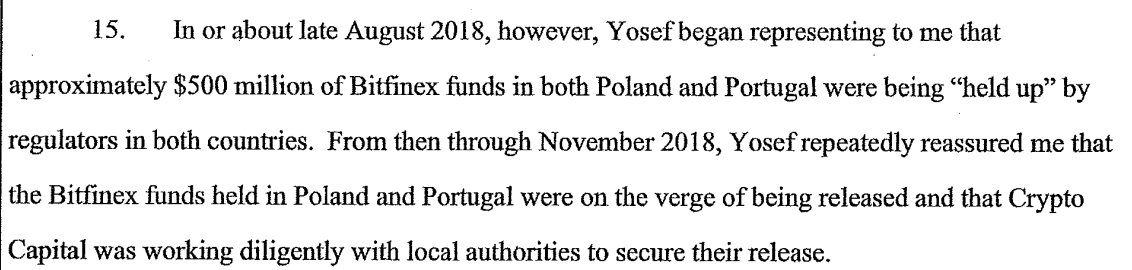
So the cryptocurrency industry has basically two products, one which is relatively benign and doesn't have product market fit, and one which is malignant and does. The industry has a weird superposition of understanding this fact and (strategically?) not understanding it.
The benign product is sovereign programmable money, which is historically a niche interest of folks with a relatively clustered set of beliefs about the state, the literary merit of Snow Crash, and the utility of gold to the modern economy.
This product has narrow appeal and, accordingly, is worth about as much as everything else on a 486 sitting in someone's basement is worth.
The other product is investment scams, which have approximately the best product market fit of anything produced by humans. In no age, in no country, in no city, at no level of sophistication do people consistently say "Actually I would prefer not to get money for nothing."
This product needs the exchanges like they need oxygen, because the value of it is directly tied to having payment rails to move real currency into the ecosystem and some jurisdictional and regulatory legerdemain to stay one step ahead of the banhammer.
If everyone was holding bitcoin on the old x86 in their parents basement, we would be finding a price bottom. The problem is the risk is all pooled at a few brokerages and a network of rotten exchanges with counter party risk that makes AIG circa 2008 look like a good credit.
— Greg Wester (@gwestr) November 25, 2018
The benign product is sovereign programmable money, which is historically a niche interest of folks with a relatively clustered set of beliefs about the state, the literary merit of Snow Crash, and the utility of gold to the modern economy.
This product has narrow appeal and, accordingly, is worth about as much as everything else on a 486 sitting in someone's basement is worth.
The other product is investment scams, which have approximately the best product market fit of anything produced by humans. In no age, in no country, in no city, at no level of sophistication do people consistently say "Actually I would prefer not to get money for nothing."
This product needs the exchanges like they need oxygen, because the value of it is directly tied to having payment rails to move real currency into the ecosystem and some jurisdictional and regulatory legerdemain to stay one step ahead of the banhammer.

More from Startups


20 years ago, I created the Danish gaming site Daily Rush with @mwittrock – inside a startup accelerator called Prey4, complete with fantastical projections of world domination 😂 – but now it's the end, after the proprietor of many years died in 2018.
Daily Rush was the culmination of years of using the web to do gaming journalism. I started Konsollen all the way back in 1995, then ran https://t.co/zsT3ykQcVk for years in anticipation of Id's shooter, then worked at a web portal, then Daily Rush.
This was how I got into web development, project management, organizing, writing, publishing, and how I met lifelong friends. What a wonderful time. But most good things come to an end. We should all be so lucky to see something we help set in the sea brave the waves for 20 yrs!
It's awesome to see the Internet Archive snapshots from all the way back to the early months of the site. Web design anno 2000 😍

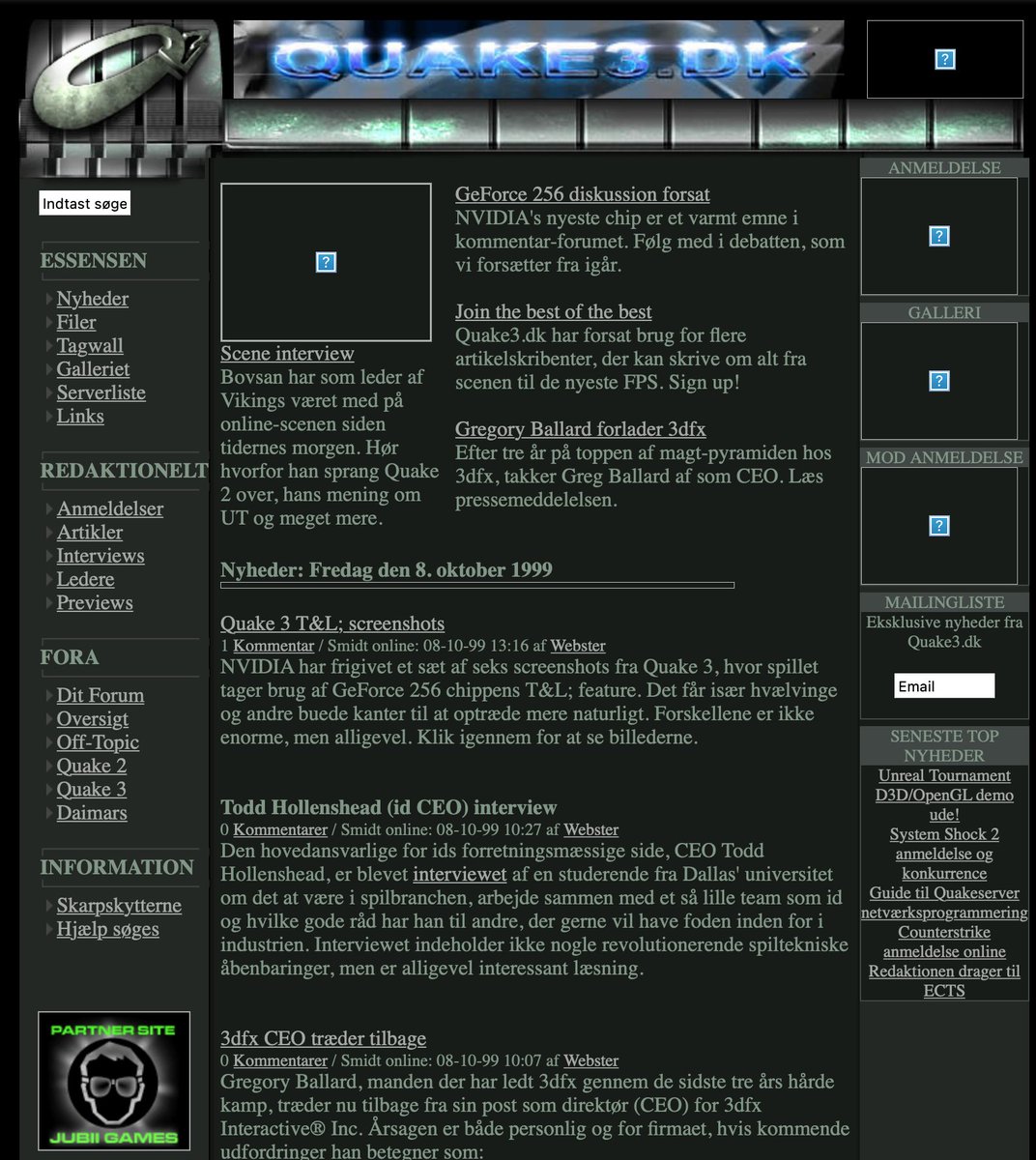
The memory lane trip on the Internet Archive goes all the way back to the precursor to Daily Rush, that https://t.co/zsT3ykQcVk site. Here's a snapshot from 1999! Complete with all the news written by yours truly 😄
Daily Rush was the culmination of years of using the web to do gaming journalism. I started Konsollen all the way back in 1995, then ran https://t.co/zsT3ykQcVk for years in anticipation of Id's shooter, then worked at a web portal, then Daily Rush.
This was how I got into web development, project management, organizing, writing, publishing, and how I met lifelong friends. What a wonderful time. But most good things come to an end. We should all be so lucky to see something we help set in the sea brave the waves for 20 yrs!
It's awesome to see the Internet Archive snapshots from all the way back to the early months of the site. Web design anno 2000 😍
The memory lane trip on the Internet Archive goes all the way back to the precursor to Daily Rush, that https://t.co/zsT3ykQcVk site. Here's a snapshot from 1999! Complete with all the news written by yours truly 😄