But it’s a good reminder:
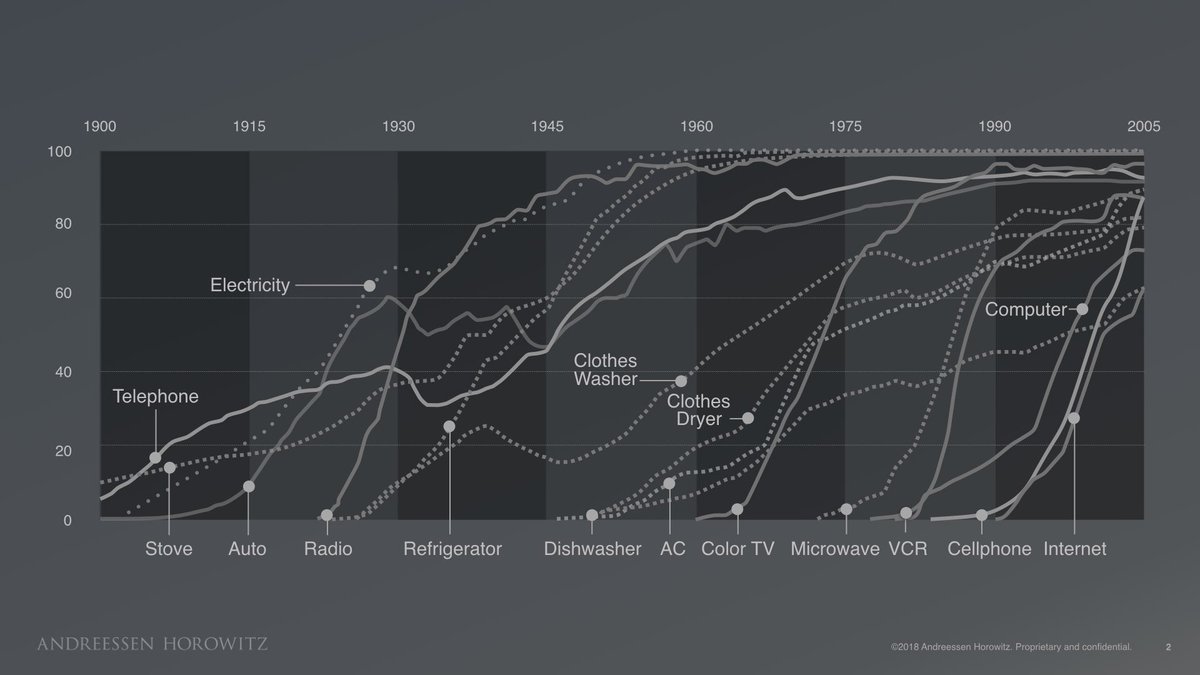
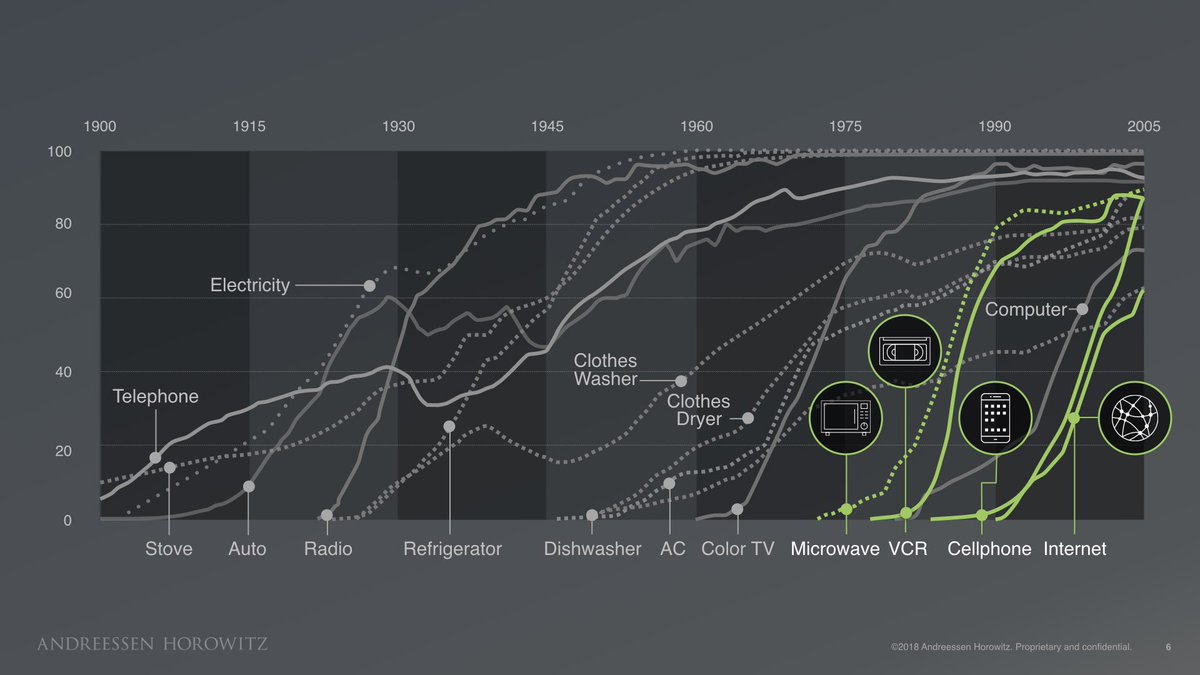
🍋 If you have a lemonade stand, it’s better to go somewhere hot, where there are a lot of thirsty people.
💻 If you want to make software, it’s better to go where there are a bunch of potential customers.

Transparency time:
— Sharath \U0001f4e3 (@5harath) February 12, 2021
It's been 24hrs @shoutoutso_ went to public launch \U0001f525
Some numbers:
\U0001f4b0 6 rockstars bought Pro, Pro Annual plans.
\U0001f4aa\U0001f3fd 168 signups.
\u2665\ufe0f 182 Shoutout walls created.
\U0001f465 160K Twitter impressions on launch thread.
Thank you for making it a huge day for us \U0001f64f\U0001f3fd pic.twitter.com/is9Z53trIh
Transparency time: It's been 2 weeks since @shoutoutso_ launched to the public \U0001f525
— Sharath \U0001f4e3 (@5harath) February 25, 2021
Here are some highlights:
\U0001f451 18 rockstars paid customers
\U0001f4b0 $240 MRR
\U0001f4aa 426 signups and counting
\u2764\ufe0f 140 walls published
\U0001f3c6 #3 product @ProductHunt
Appreciate this community so much\U0001f64f\U0001f3fd pic.twitter.com/KmKCZdHqlJ
Transparency time: Week 3 @shoutoutso_ \U0001f525
— Sharath \U0001f4e3 (@5harath) March 4, 2021
Here are some highlights:
\U0001f451 29 rockstar paid customers
\U0001f4b0 $460 MRR
\U0001f4aa 475 signups and counting
\u2764\ufe0f 163 walls published
\U0001f3c6 Launched on @ProductHunt(#3) @IndieHackers
Grateful for this amazing community for all the love and support \U0001f64f\U0001f3fd pic.twitter.com/MVGo0cfZJj
Transparency time: It's been a month we launched @shoutoutso_ \U0001f525
— Sharath \U0001f4e3 (@5harath) March 11, 2021
Here are some highlights:
\U0001f451 36 rockstar paid customers
\U0001f4b0 $610 MRR
\U0001f4aa 516 signups and counting
\u2764\ufe0f 191 walls published
\U0001f3c6 @ProductHunt Maker Grant Award
Grateful for this amazing community for all the love \U0001f64f\U0001f3fd pic.twitter.com/1i7LxLU4Ap