
Modellers believe that spreading out our limited supply of vaccine as single doses for 3 months will save up to 6000 lives. One concern though is whether single doses might lead to 'vaccine resistance' through virus mutation. (1)
could a non-segmented RNA virus rapidly evolve to evade a polyclonal immune response, rendering a vaccine ineffective?
— Thomas Christie Williams (@Williams_T_C) January 3, 2021
I think if you'd asked the average RNA virus researcher a year ago, the answer would have been no
but then again, 2020 wasn't an average year ... \U0001f9f51/n pic.twitter.com/640xhHSzH6
More from Society

A long thread on how an obsessive & violent antisemite & Holocaust denier has been embraced by the international “community of the good.”
Sarah Wilkinson has a history of Holocaust denial & anti-Jewish hatred dating back (in documented examples) to around 2015.
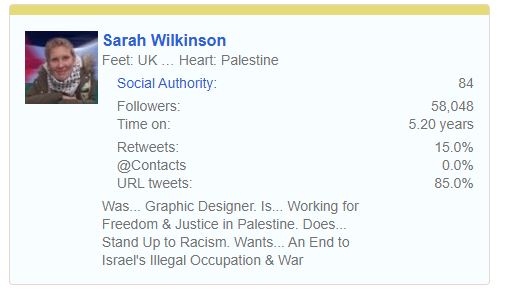
She is a self-proclaimed British activist for “Palestinian rights” but is more accurately a far Left neo-Nazi. Her son shares the same characteristics of violence, racism & Holocaust denial.
I first documented Sarah Wilkinson’s Holocaust denial back in July 2016. I believe I was the 1st person to do so.
Since then she has produced a long trail of written hate and abuse. See here for a good summary.
Wilkinson has recently been publicly celebrated by @XRebellionUK over her latest violent action against a Jewish owned business. Despite many people calling XR’s attention to her history, XR have chosen to remain in alliance with this neo-Nazi.
Former Labour Shadow Chancellor John McDonnell MP is among those who also chose to stand with Wilkinson via a tweet.
But McDonnell is not alone.
Neo-Nazi Sarah Wilkinson is supported and encouraged by thousands of those on the Left who consider themselves “anti-racists”.
Sarah Wilkinson has a history of Holocaust denial & anti-Jewish hatred dating back (in documented examples) to around 2015.
She is a self-proclaimed British activist for “Palestinian rights” but is more accurately a far Left neo-Nazi. Her son shares the same characteristics of violence, racism & Holocaust denial.
I first documented Sarah Wilkinson’s Holocaust denial back in July 2016. I believe I was the 1st person to do so.
Since then she has produced a long trail of written hate and abuse. See here for a good summary.
The internet is forever. https://t.co/zxBV7rjskB
— Heidi Bachram (@HeidiBachram) February 2, 2021
Wilkinson has recently been publicly celebrated by @XRebellionUK over her latest violent action against a Jewish owned business. Despite many people calling XR’s attention to her history, XR have chosen to remain in alliance with this neo-Nazi.
Former Labour Shadow Chancellor John McDonnell MP is among those who also chose to stand with Wilkinson via a tweet.
But McDonnell is not alone.
Neo-Nazi Sarah Wilkinson is supported and encouraged by thousands of those on the Left who consider themselves “anti-racists”.


1/ A thread of comments & observations about the death of the cackling vampire Rush Limbaugh.
My first observations in the main thread are here, but this offshoot is needed because there's been so many wise & witty things I've
2/ First, re: those who in their wayward moral obtuseness feel we "can't speak ill of the dead." I've said that this is what abuse enablers say, but I hear that some religious traditions preach this. Oy.
So there's this: https://t.co/7Ky4RA3nkZ &
3/ Drucker is another great wit, and this carries the proper mood
4/ There's definitely a Jewish Tradition angle for how to treat evil people who die: the only respect is to justice, right & wrong, and above all compassion's existence necessitates condemning cruelty
5/ We're coming up on #Purim, and that's all about how to remember evil. There may be a reason, then, that I share the attitude of many other people committed to righting
My first observations in the main thread are here, but this offshoot is needed because there's been so many wise & witty things I've
37.90/ Limbaugh was a cruel hate-machine who made a fortune off hurting people. To say "don't speak ill of the dead" is the attitude of abuse enablers.
— Joshua Cypess (@JoshuaCypess) February 18, 2021
If you can't condemn a ghoul who dedicated his life to destroying society, you're part of the problem! https://t.co/ijvG2zDACH
2/ First, re: those who in their wayward moral obtuseness feel we "can't speak ill of the dead." I've said that this is what abuse enablers say, but I hear that some religious traditions preach this. Oy.
So there's this: https://t.co/7Ky4RA3nkZ &
This is how Rush's death should be honored. Let's not speak ill of the dead, let's quote Rush speaking ill of the dead.
— Sane English (@SaneEnglish) February 17, 2021
3/ Drucker is another great wit, and this carries the proper mood
It's easy to make fun of Rush Limbaugh right now, but it's important to remember that he also brought a lot of people a lot of joy by dying
— Mike Drucker (@MikeDrucker) February 17, 2021
4/ There's definitely a Jewish Tradition angle for how to treat evil people who die: the only respect is to justice, right & wrong, and above all compassion's existence necessitates condemning cruelty
It\u2019s ok\u2014essential, even\u2014to speak the truth about people who caused great harm.
— Rabbi Danya Ruttenberg (@TheRaDR) February 17, 2021
Even after their death.
5/ We're coming up on #Purim, and that's all about how to remember evil. There may be a reason, then, that I share the attitude of many other people committed to righting
today i said Jewish culture requires dancing on the graves of those who have wronged us and i picked up like 300 followers LMAO
— Erin Biba (@erinbiba) February 18, 2021
people love Jewish vengeance \U0001f923\U0001f923
wait till they hear about Purim


You May Also Like








And here they are...
THE WINNERS OF THE 24 HOUR STARTUP CHALLENGE
Remember, this money is just fun. If you launched a product (or even attempted a launch) - you did something worth MUCH more than $1,000.
#24hrstartup
The winners 👇
#10
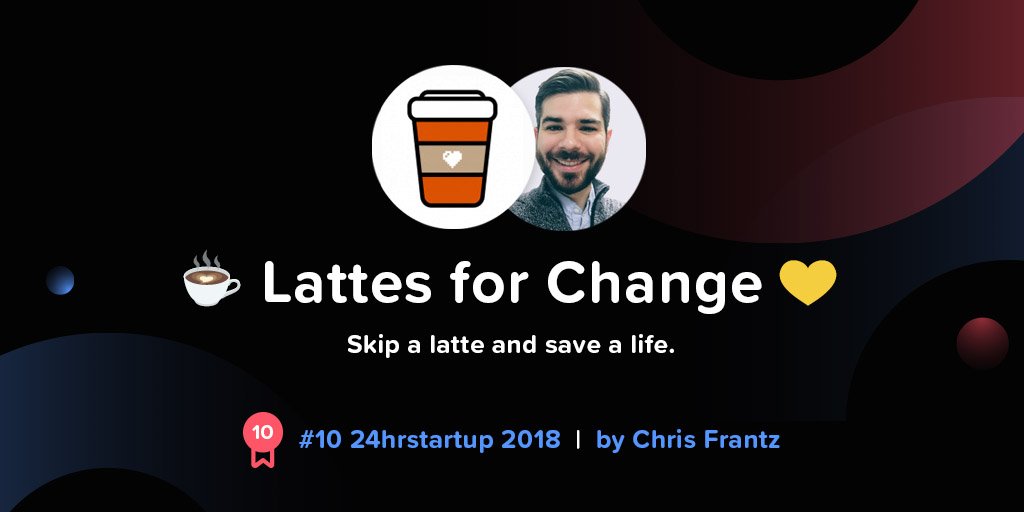
Lattes For Change - Skip a latte and save a life.
https://t.co/M75RAirZzs
@frantzfries built a platform where you can see how skipping your morning latte could do for the world.
A great product for a great cause.
Congrats Chris on winning $250!
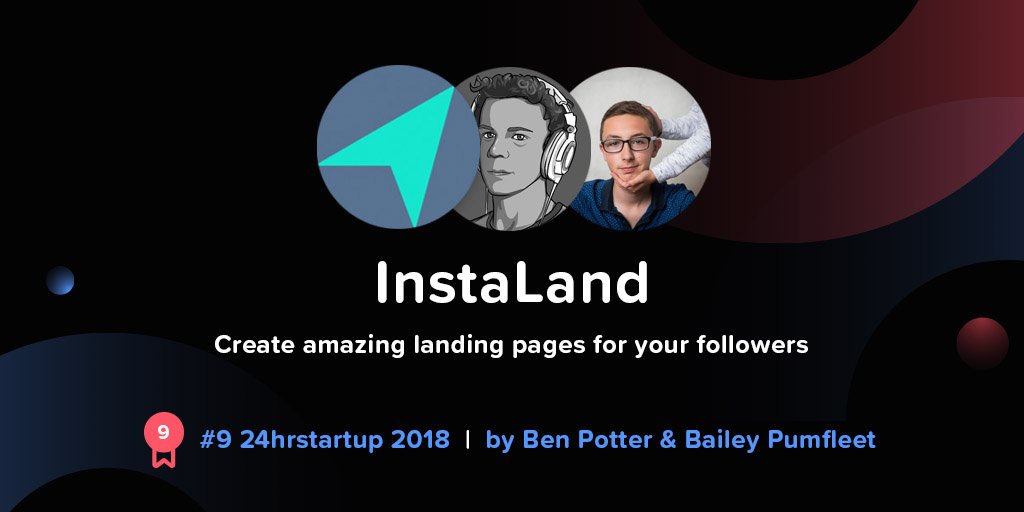
#9
Instaland - Create amazing landing pages for your followers.
https://t.co/5KkveJTAsy
A team project! @bpmct and @BaileyPumfleet built a tool for social media influencers to create simple "swipe up" landing pages for followers.
Really impressive for 24 hours. Congrats!
#8
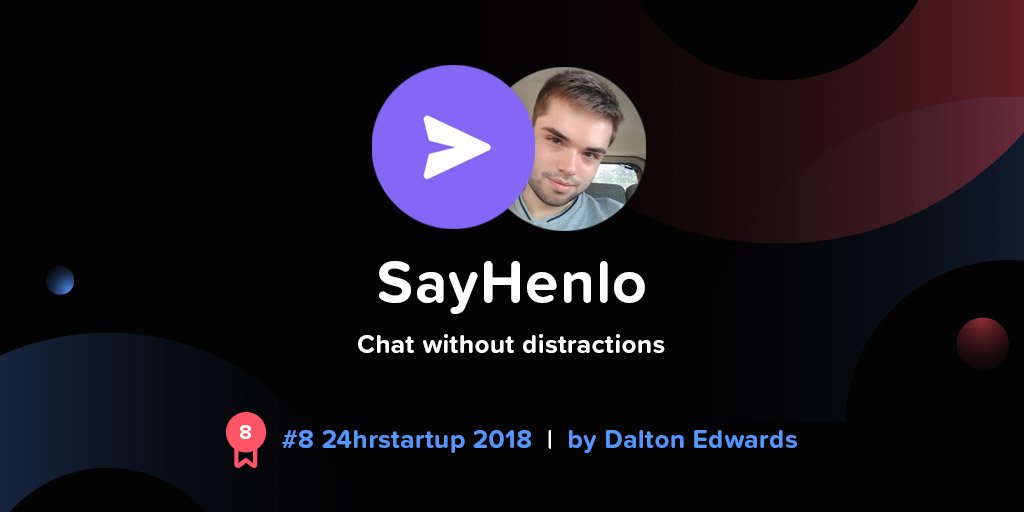
SayHenlo - Chat without distractions
https://t.co/og0B7gmkW6
Built by @DaltonEdwards, it's a platform for combatting conversation overload. This product was also coded exclusively from an iPad 😲
Dalton is a beast. I'm so excited he placed in the top 10.
#7
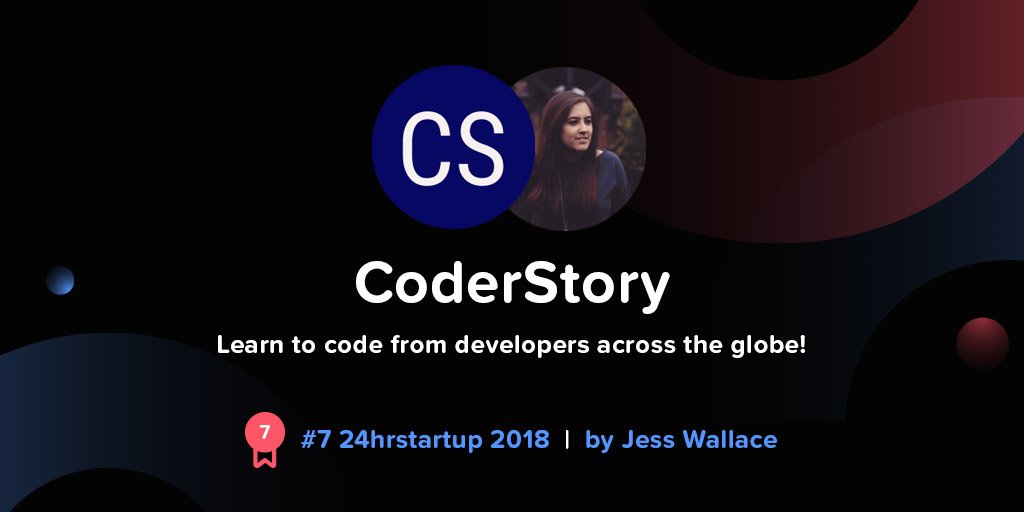
CoderStory - Learn to code from developers across the globe!
https://t.co/86Ay6nF4AY
Built by @jesswallaceuk, the project is focused on highlighting the experience of developers and people learning to code.
I wish this existed when I learned to code! Congrats on $250!!
THE WINNERS OF THE 24 HOUR STARTUP CHALLENGE
Remember, this money is just fun. If you launched a product (or even attempted a launch) - you did something worth MUCH more than $1,000.
#24hrstartup
The winners 👇
#10
Lattes For Change - Skip a latte and save a life.
https://t.co/M75RAirZzs
@frantzfries built a platform where you can see how skipping your morning latte could do for the world.
A great product for a great cause.
Congrats Chris on winning $250!
#9
Instaland - Create amazing landing pages for your followers.
https://t.co/5KkveJTAsy
A team project! @bpmct and @BaileyPumfleet built a tool for social media influencers to create simple "swipe up" landing pages for followers.
Really impressive for 24 hours. Congrats!
#8
SayHenlo - Chat without distractions
https://t.co/og0B7gmkW6
Built by @DaltonEdwards, it's a platform for combatting conversation overload. This product was also coded exclusively from an iPad 😲
Dalton is a beast. I'm so excited he placed in the top 10.
#7
CoderStory - Learn to code from developers across the globe!
https://t.co/86Ay6nF4AY
Built by @jesswallaceuk, the project is focused on highlighting the experience of developers and people learning to code.
I wish this existed when I learned to code! Congrats on $250!!