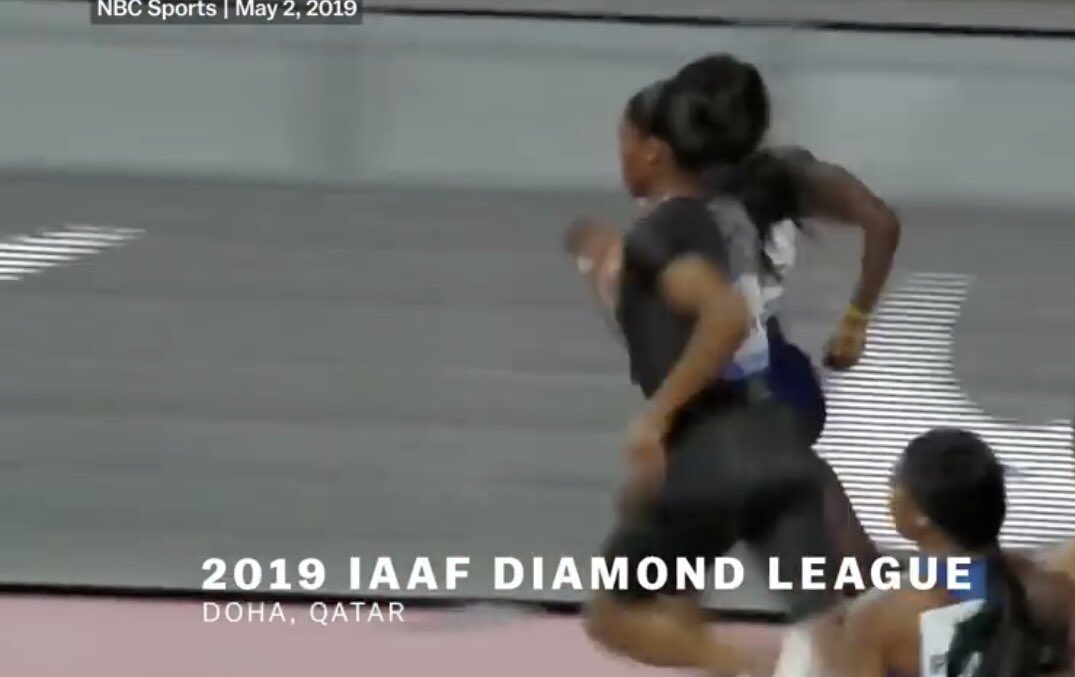
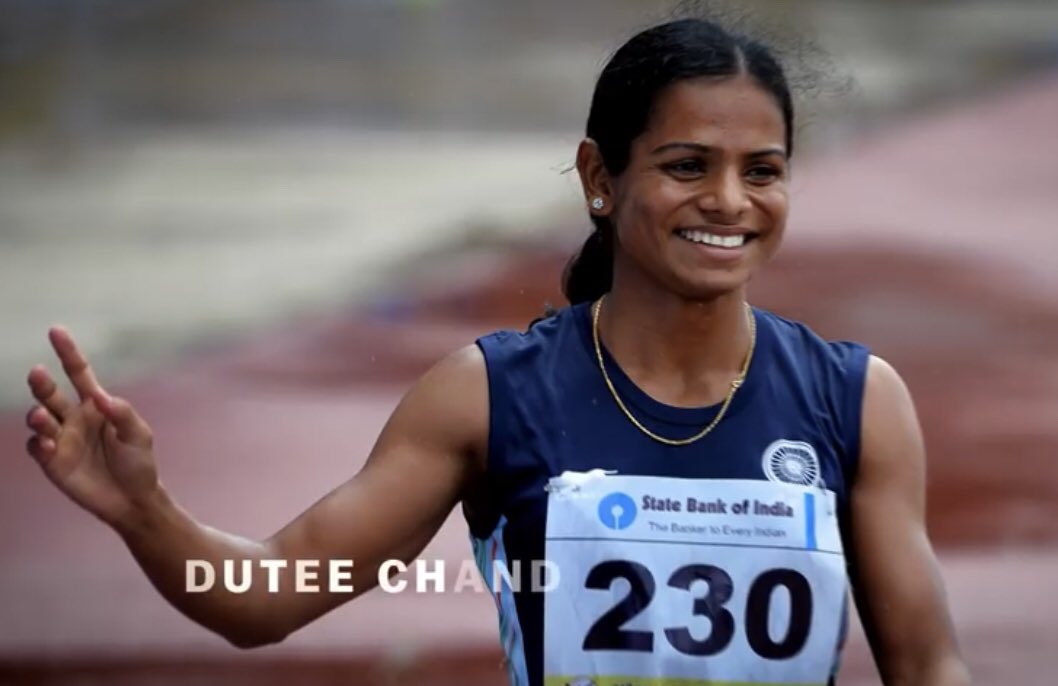
How long should trans females be made to reduce their levels of circulating testosterone should prior to competing in the women competition?
Gooren found that during the first 12 months muscle mass (area) was decreased by 9.4% & hemoglobin levels by 14% in 20 transwomen (M2F trans) treated with an estrogen-based regimen that reduced circulating T concentrations from the male range to the female range.
Conversely, in 17 transmen (F2M transgender) treated for the first time with testosterone for 12 months (which increased circulating testosterone levels to a mean of 31 nmol/L), muscle mass increased by 19.2% and hemoglobin by 15%.
https://t.co/MOZtfh5Raf
The muscle mass findings remained stable between 1 and 3 years after initiation of treatment, although fat mass continued to change between 1 & 3 years of T treatment. although with disproportionately greater effect on muscle strength than on muscle mass.
https://t.co/8rMfUi4brV
This study did not report muscle strength, but other studies of T dose-response relationships for muscle mass and strength show consistently positively correlation,

https://t.co/0SqyneBjPZ…

https://t.co/pgyggiNG2u

https://t.co/0SqyneBjPZ…

https://t.co/A5AVkkShDj
Hence, the muscle mass estimates in these prospective treatment initiation studies in trans individuals likely underestimate the muscle strength gains from...
Elevated T levels where the circulating T markedly exceeds female range to be within the male range as occurs in severe hyperandrogenism of DSD females, poorly controlled transwomen (M2F transgender),..
or transmen (F2M transgender). These effects are also the biological basis of the ergogenic efficacy of androgen doping in women.
In both intersex/DSD and trans individuals, the developmental effects of adult male circulating T concentrations will have established the sex difference in muscle, hemoglobin, & bone, some of which is fixed & irreversible (bone size)....
.& some of which is maintained by the male circulating testosterone concentrations (muscle, hemoglobin).
The limited available prospective evidence from initiation of trans cross-sex hormone treatment suggests that the advantageous increases in muscle & hemoglobin due to male circulating T concentrations....
...are induced or reversed during the first 12mths & the androgenic effects may plateau after time.
This time course is much faster than the somatic effects of male puberty, which evolve over years and for some variables (e.g., peak bone mass) are not complete for up to a decade after the start of puberty.
However, the abrupt hormonal changes induced by medical treatment in intersex/DSD or transgender individuals may be telescoped compared with male puberty where circulating testosterone concentrations increase irregularly and incompletely for some years.
Additional data are available from the unique investigative model of men undergoing castration for prostate cancer. Just as androgen sensitivity to testosterone may differ between tissues...
https://t.co/S2yyg9Xq8j
The time course of offset of androgen effects following withdrawal of male testosterone concentrations may also differ between the major androgen-responsive tissues.
For example, circulating hemoglobin shows a progressive fall for 6 months reaching a nadir and plateau at 12 to 16 months in six studies involving 534 men undergoing medical castration for prostate cancer.
https://t.co/Bcg0PuNNu3
Although these studies of older men with prostate cancer must be extrapolated with caution, age, stage of disease, race, & baseline circulating T concentration did not affect the rate or extent of decline in hemoglobin.
https://t.co/Bcg0PuNNu3

https://t.co/2bii5lMZYy
Comparable longitudinal studies of muscle loss, strength, and performance following castration for prostate cancer are well summarized,
https://t.co/olda0NryXA
Showing progressive loss for 24 months (see Fig. 4).
Further clinical studies to define the time course of changes, mainly offset, in testosterone-dependent effects, notably on muscle and hemoglobin, are badly needed to determine the optimal duration for cross-sex hormone effects in sports.

End
@threadreaderapp please unroll

More from Kirsti Miller

More from Society

You May Also Like

First thread of the year because I have time during MCO. As requested, a thread on the gods and spirits of Malay folk religion. Some are indigenous, some are of Indian origin, some have Islamic


Before I begin, it might be worth explaining the Malay conception of the spirit world. At its deepest level, Malay religious belief is animist. All living beings and even certain objects are said to have a soul. Natural phenomena are either controlled by or personified as spirits

Although these beings had to be respected, not all of them were powerful enough to be considered gods. Offerings would be made to the spirits that had greater influence on human life. Spells and incantations would invoke their


Two known examples of such elemental spirits that had god-like status are Raja Angin (king of the wind) and Mambang Tali Arus (spirit of river currents). There were undoubtedly many more which have been lost to time

Contact with ancient India brought the influence of Hinduism and Buddhism to SEA. What we now call Hinduism similarly developed in India out of native animism and the more formal Vedic tradition. This can be seen in the multitude of sacred animals and location-specific Hindu gods