
A little thread about language and #HumanRights...
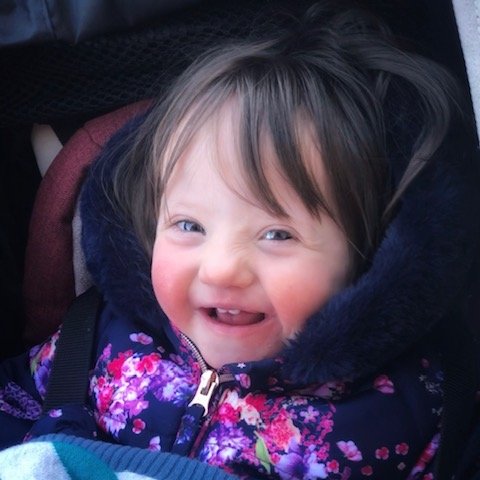
Recently I shared an NHS letter (not mine) that started with the line 'The vast majority of babies are normal.' It meant 'normal' as opposed to babies born with particular conditions, including #DownsSyndrome
But it's not just difficult because someone is speaking about your child using language loaded with negative assumptions. It's difficult because you know it's a reflection of how people with learning disabilities are widely viewed and treated.
More from Society


We finally have the U.S. Citizenship Act Bill Text! I'm going to go through some portions of the bill right now and highlight some of the major changes and improvements that it would make to our immigration system.
Thread:
First the Bill makes a series of promises changes to the way we talk about immigrants and immigration law.
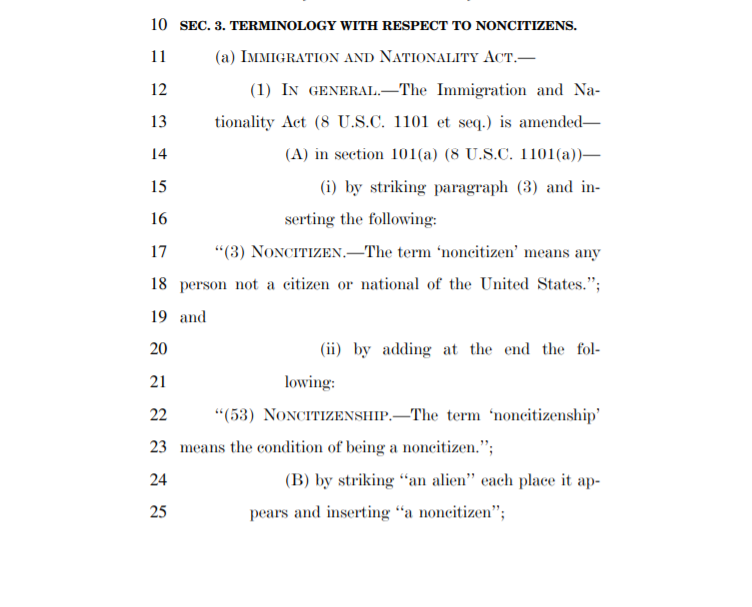
Gone would be the term "alien" and in its place is "noncitizen."
Also gone would be the term "alienage," replaced with "noncitizenship."
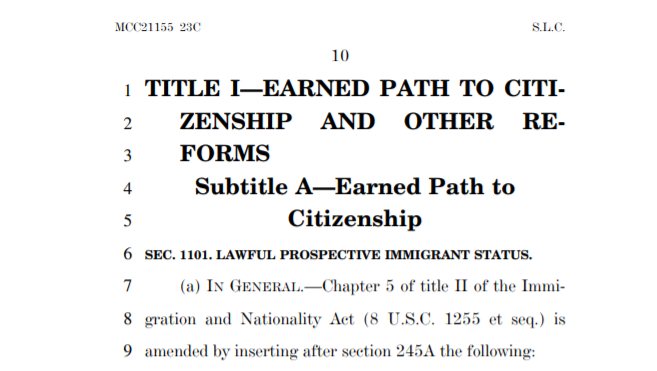
Now we get to the "earned path to citizenship" for all undocumented immigrants present in the United States on January 1, 2021.
Under this bill, anyone who satisfies the eligibility criteria for a new "lawful prospective immigrant status" can come out of the shadows.
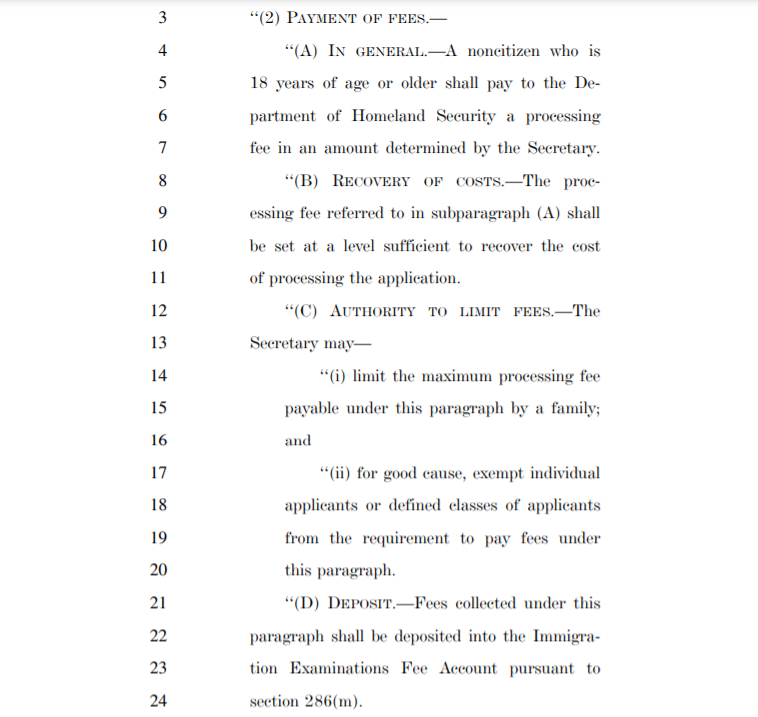
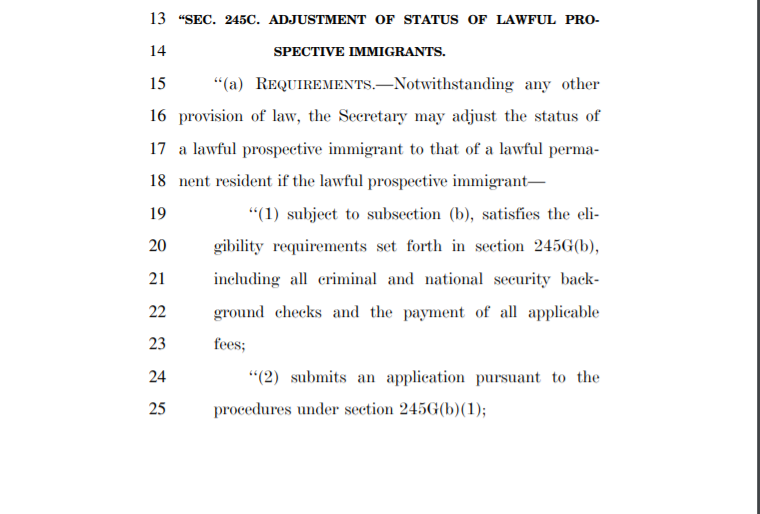
So, what are the eligibility criteria for becoming a "lawful prospective immigrant status"? Those are in a new INA 245G and include:
- Payment of the appropriate fees
- Continuous presence after January 1, 2021
- Not having certain criminal record (but there's a waiver)
After a person has been in "lawful prospective immigrant status" for at least 5 years, they can apply for a green card, so long as they still pass background checks and have paid back any taxes they are required to do so by law.
However! Some groups don't have to wait 5 years.
Thread:
The immigration bill text is out!
— Nicole Narea (@nicolenarea) February 18, 2021
Senate version: https://t.co/aJUmtVW6Ir
House version: https://t.co/JMKjQaDi04
Excuse me while I go at this with a highlighter.
First the Bill makes a series of promises changes to the way we talk about immigrants and immigration law.
Gone would be the term "alien" and in its place is "noncitizen."
Also gone would be the term "alienage," replaced with "noncitizenship."
Now we get to the "earned path to citizenship" for all undocumented immigrants present in the United States on January 1, 2021.
Under this bill, anyone who satisfies the eligibility criteria for a new "lawful prospective immigrant status" can come out of the shadows.
So, what are the eligibility criteria for becoming a "lawful prospective immigrant status"? Those are in a new INA 245G and include:
- Payment of the appropriate fees
- Continuous presence after January 1, 2021
- Not having certain criminal record (but there's a waiver)
After a person has been in "lawful prospective immigrant status" for at least 5 years, they can apply for a green card, so long as they still pass background checks and have paid back any taxes they are required to do so by law.
However! Some groups don't have to wait 5 years.
You May Also Like


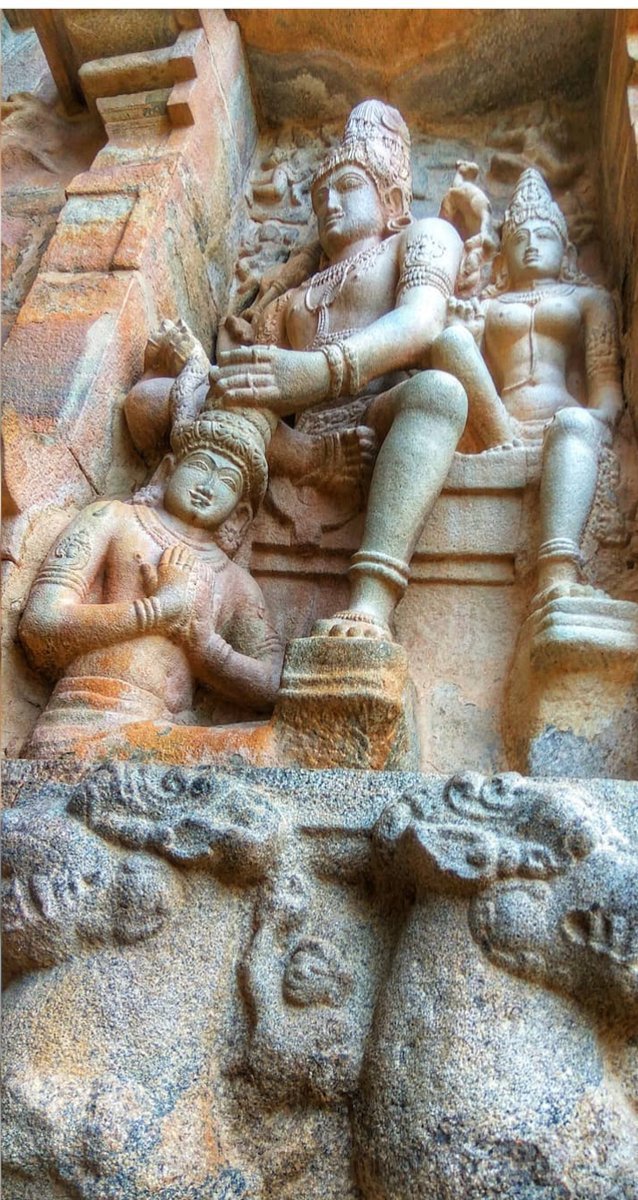
#sculpture #story -
Chandesha-Anugraha Murti - One of the Sculpture in Brihadeshwara Temple at Gangaikonda Cholapuram - built by Raja Rajendra Chola I
This Sculpture depicts Bhagwan Shiva along with Devi Paravathi blessing Chandeshwara - one of the 63 Nayanmars.
#Thread
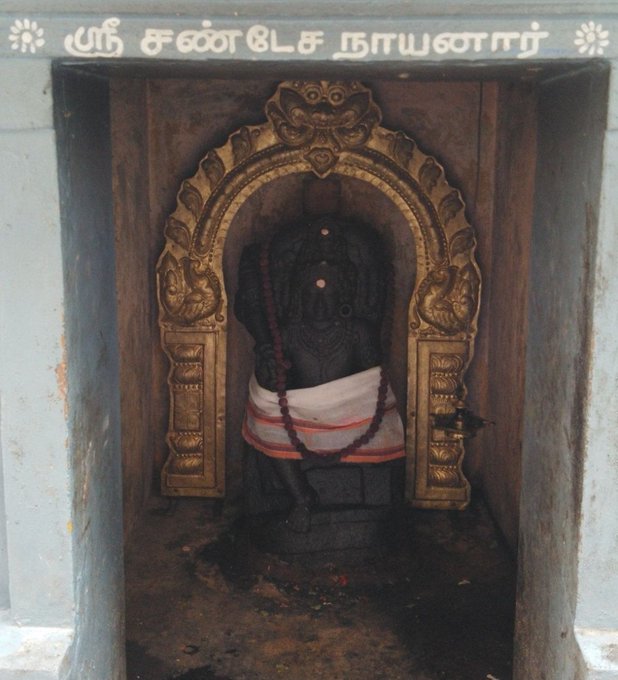
Chandeshwara/Chandikeshwara is regarded as custodian of Shiva Temple's wealth&most of Shiva temples in South India has separate sannathi for him.
His bhakti for Bhagwan Shiva elevated him as one of foremost among Nayanmars.
He gave importance to Shiva Pooja&protection of cows.
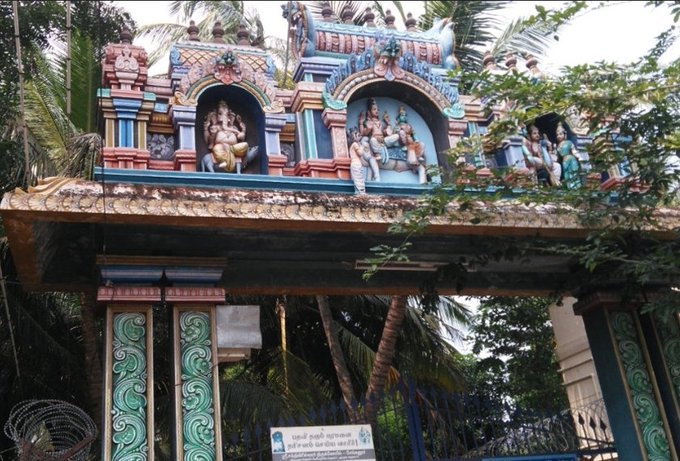
There are series of paintings, illustrating the #story of Chandikeshwar in the premises of
Sri Sathiyagireeswarar #Temple at Seinganur,near Kumbakonam,TN
Chandikeshwara's birth name
is Vichara sarman.He was born in the village of Senganur on the banks of River Manni.
His Parent names were Yajnathatan and Pavithrai.
Vichara Sarman was a gifted child and he learnt Vedas and Agamas at a very young age.
He was very devout and would always think about Bhagwan Shiva.
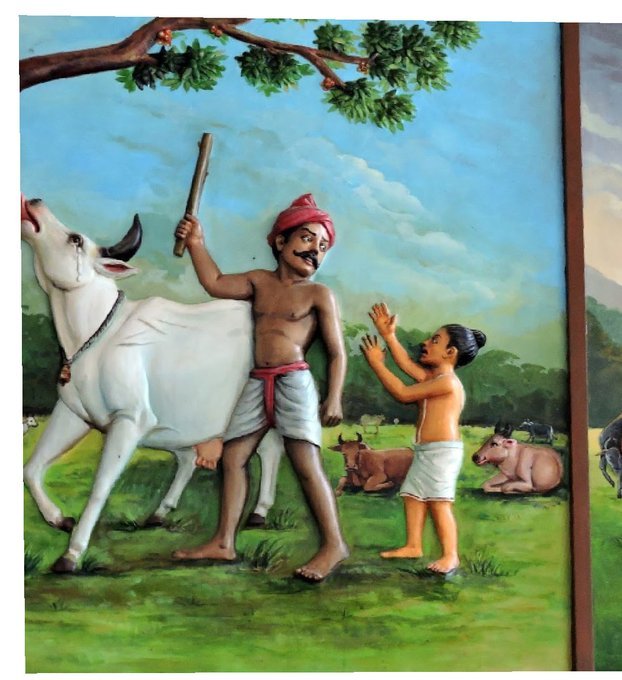
One day he saw a cowherd man brutally assaulting a cow,Vichara Sarman could not tolerate this. He spoke to cowherd: ‘Do you not know that the cow is worshipful & divine? All gods & Devas reside in https://t.co/ElLcI5ppsK it is our duty to protect cows &we should not to harm them.
Chandesha-Anugraha Murti - One of the Sculpture in Brihadeshwara Temple at Gangaikonda Cholapuram - built by Raja Rajendra Chola I
This Sculpture depicts Bhagwan Shiva along with Devi Paravathi blessing Chandeshwara - one of the 63 Nayanmars.
#Thread
Chandeshwara/Chandikeshwara is regarded as custodian of Shiva Temple's wealth&most of Shiva temples in South India has separate sannathi for him.
His bhakti for Bhagwan Shiva elevated him as one of foremost among Nayanmars.
He gave importance to Shiva Pooja&protection of cows.
There are series of paintings, illustrating the #story of Chandikeshwar in the premises of
Sri Sathiyagireeswarar #Temple at Seinganur,near Kumbakonam,TN
Chandikeshwara's birth name
is Vichara sarman.He was born in the village of Senganur on the banks of River Manni.
His Parent names were Yajnathatan and Pavithrai.
Vichara Sarman was a gifted child and he learnt Vedas and Agamas at a very young age.
He was very devout and would always think about Bhagwan Shiva.
One day he saw a cowherd man brutally assaulting a cow,Vichara Sarman could not tolerate this. He spoke to cowherd: ‘Do you not know that the cow is worshipful & divine? All gods & Devas reside in https://t.co/ElLcI5ppsK it is our duty to protect cows &we should not to harm them.

BREAKING: @CommonsCMS @DamianCollins just released previously sealed #Six4Three @Facebook documents:
Some random interesting tidbits:
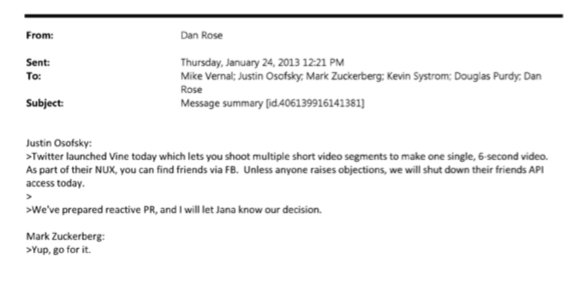
1) Zuck approves shutting down platform API access for Twitter's when Vine is released #competition
2) Facebook engineered ways to access user's call history w/o alerting users:
Team considered access to call history considered 'high PR risk' but 'growth team will charge ahead'. @Facebook created upgrade path to access data w/o subjecting users to Android permissions dialogue.
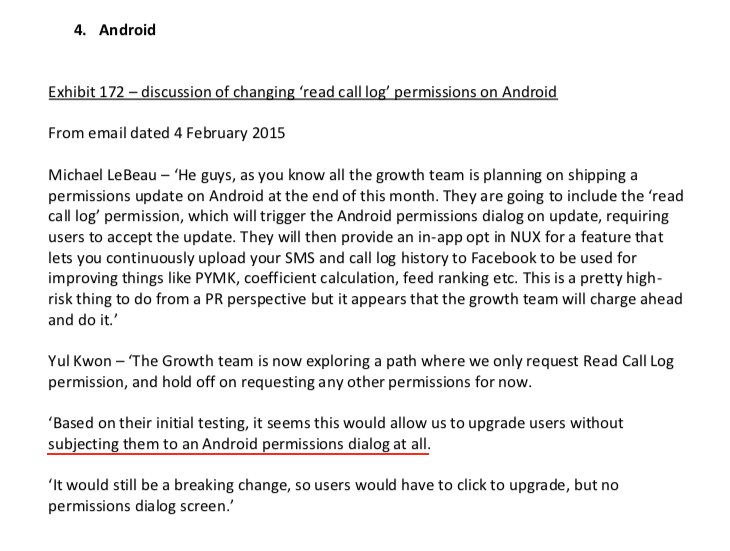
3) The above also confirms @kashhill and other's suspicion that call history was used to improve PYMK (People You May Know) suggestions and newsfeed rankings.
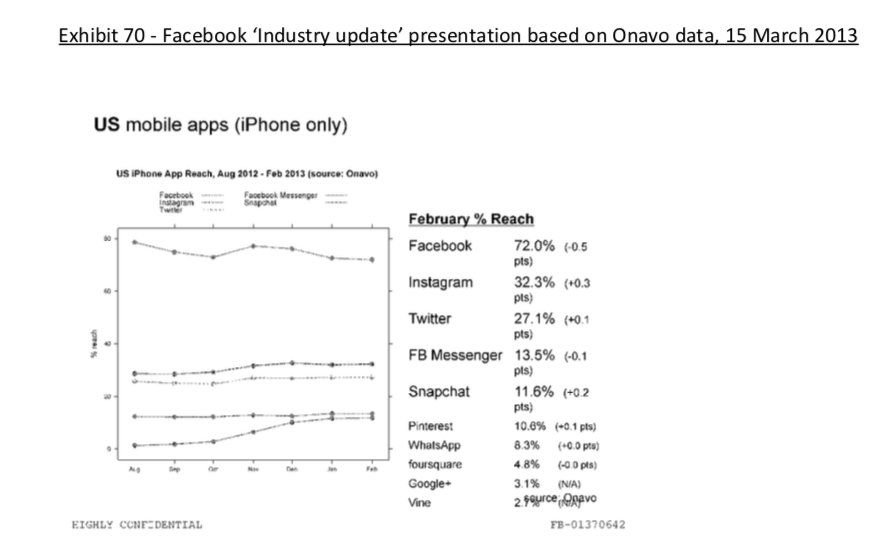
4) Docs also shed more light into @dseetharaman's story on @Facebook monitoring users' @Onavo VPN activity to determine what competitors to mimic or acquire in 2013.
https://t.co/PwiRIL3v9x
Some random interesting tidbits:
1) Zuck approves shutting down platform API access for Twitter's when Vine is released #competition
2) Facebook engineered ways to access user's call history w/o alerting users:
Team considered access to call history considered 'high PR risk' but 'growth team will charge ahead'. @Facebook created upgrade path to access data w/o subjecting users to Android permissions dialogue.
3) The above also confirms @kashhill and other's suspicion that call history was used to improve PYMK (People You May Know) suggestions and newsfeed rankings.
4) Docs also shed more light into @dseetharaman's story on @Facebook monitoring users' @Onavo VPN activity to determine what competitors to mimic or acquire in 2013.
https://t.co/PwiRIL3v9x

A list of cool websites you might now know about
A thread 🧵
1) Learn Anything - Search tools for knowledge discovery that helps you understand any topic through the most efficient
2) Grad Speeches - Discover the best commencement speeches.
This website is made by me
3) What does the Internet Think - Find out what the internet thinks about anything
4) https://t.co/vuhT6jVItx - Send notes that will self-destruct after being read.
A thread 🧵
1) Learn Anything - Search tools for knowledge discovery that helps you understand any topic through the most efficient
2) Grad Speeches - Discover the best commencement speeches.
This website is made by me
3) What does the Internet Think - Find out what the internet thinks about anything
4) https://t.co/vuhT6jVItx - Send notes that will self-destruct after being read.

