2/
One of the most fascinating revelations from the Snowden documents was the story of "fourth party collection," which is when the NSA hacks the spy agency of a friendly nation to suck up all the spy data it has amassed on its own people.
https://t.co/8WZ6WJigjU
1/

2/
3/
4/
https://t.co/dlueiQsDbK
5/
6/
https://t.co/ne0Oyiri90
7/
8/
More from Cory Doctorow #BLM
Today's Twitter threads (a Twitter thread).
Inside: Stop saying "it's not censorship if it's not the government"; Trump's swamp gators find corporate refuge; and more!
Archived at: https://t.co/7JMcAbaULj
#Pluralistic
1/
Monday night, I'll be helping William Gibson launch the paperback edition of his novel AGENCY at a Strand Bookstore videoconference. Come say hi!
https://t.co/k3fvBdqOK0
2/

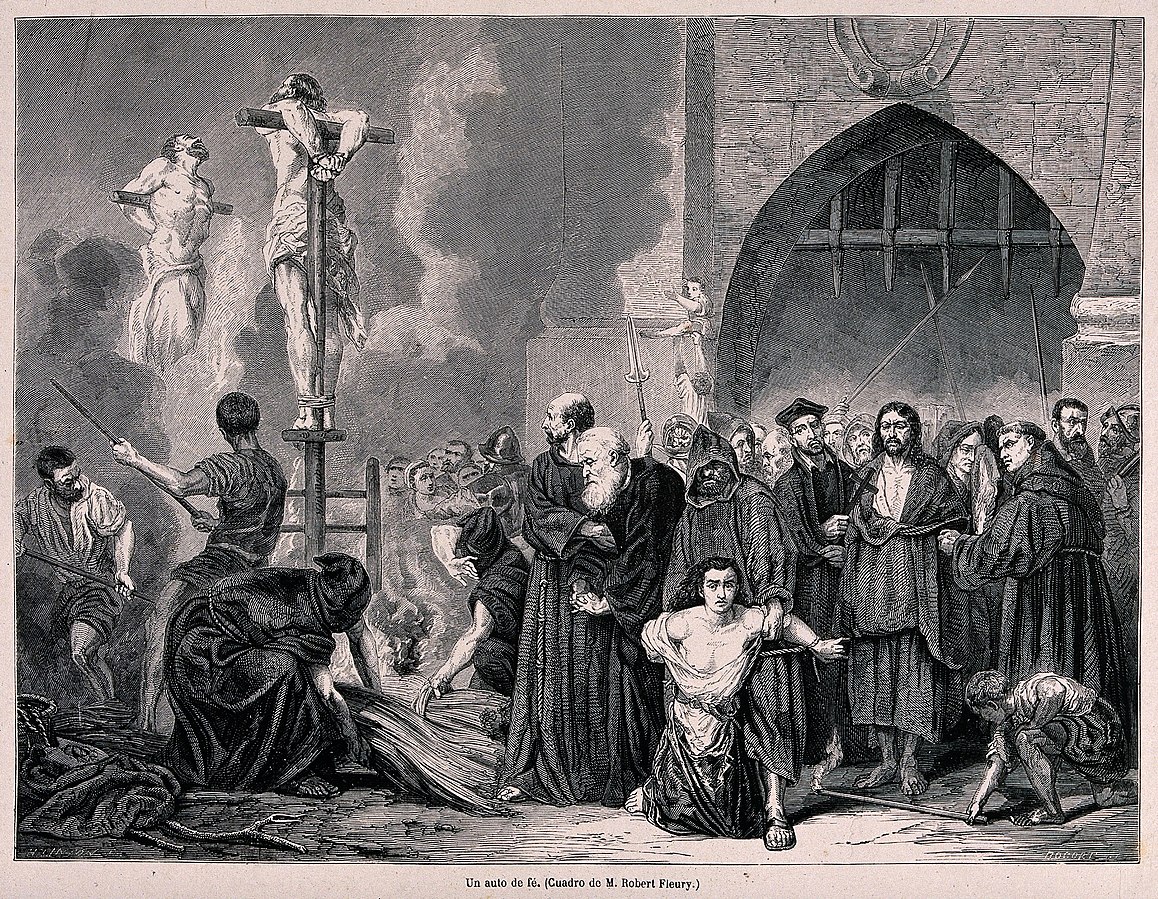
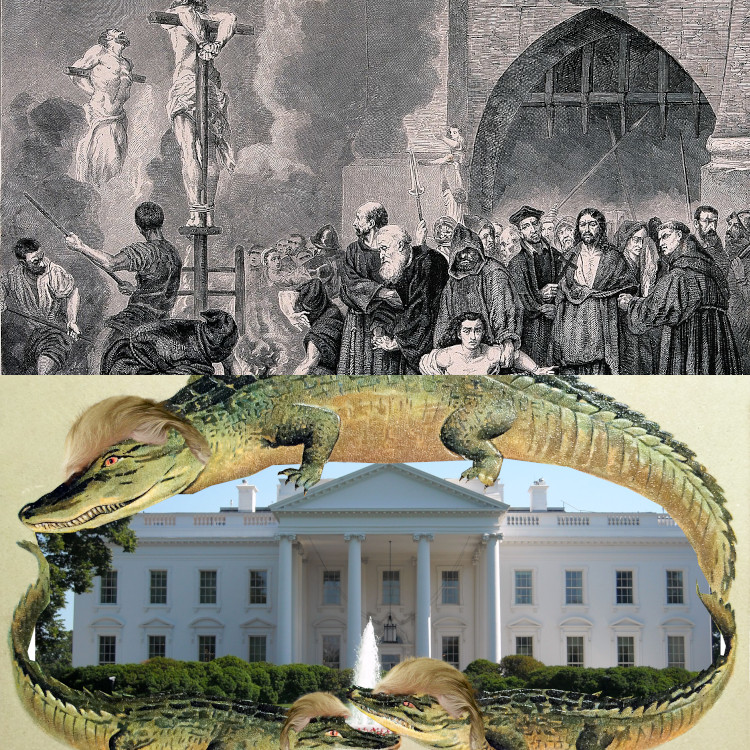
Stop saying "it's not censorship if it's not the government": I didn't expect the Spanish Inquisition.
https://t.co/7I0MpCTez5
3/
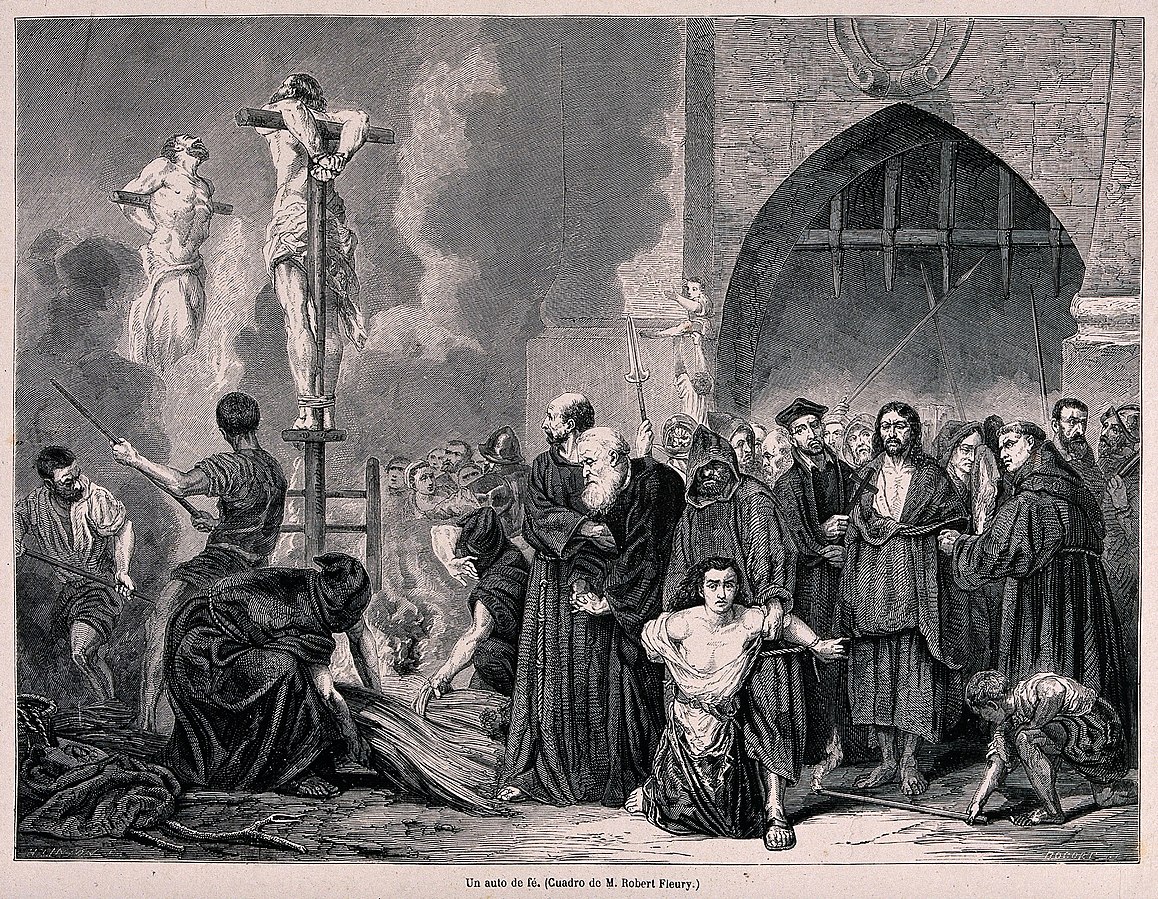
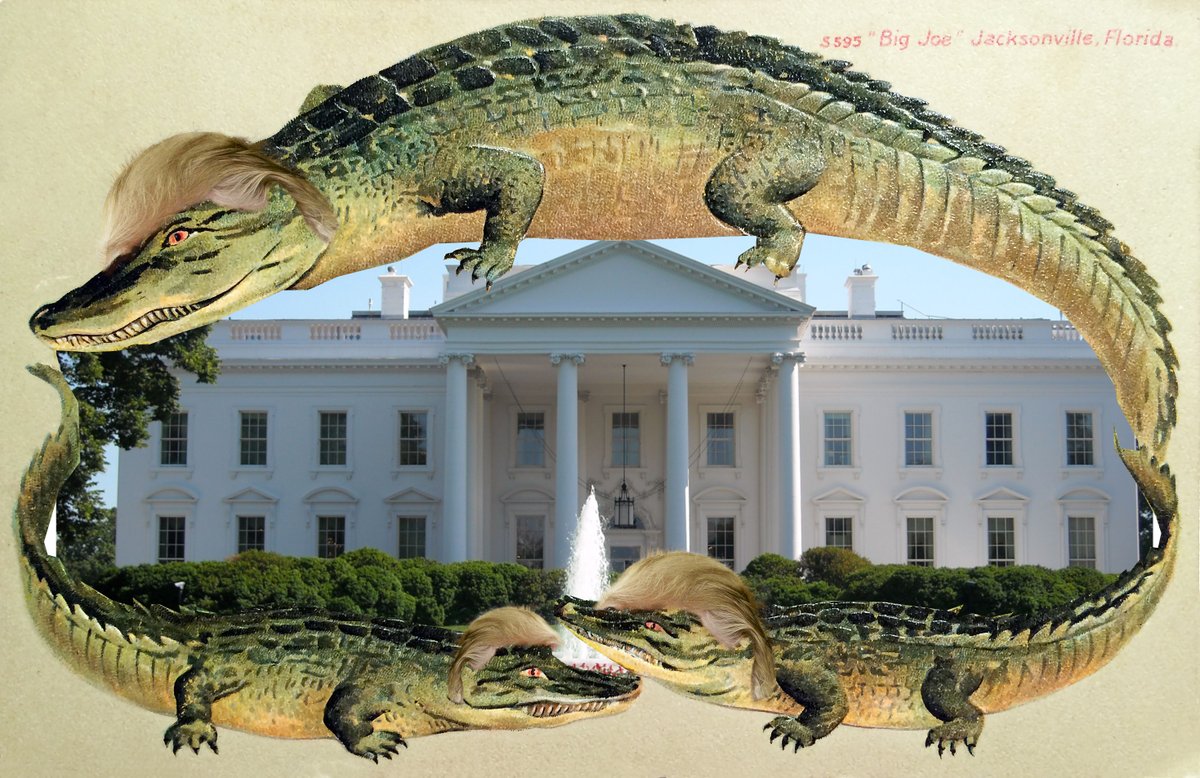
Trump's swamp gators find corporate refuge: The Swamped project.
https://t.co/MUJyIOr2iw
4/
#15yrsago A-Hole bill would make a secret technology into the law of the land https://t.co/57bJaM1Byr
#15yrsago Hollywood’s MP loses the election — hit the road, Sam! https://t.co/12ssYpV46B
#15yrsago How William Gibson discovered science fiction https://t.co/MYR0go37nW
5/
Inside: Stop saying "it's not censorship if it's not the government"; Trump's swamp gators find corporate refuge; and more!
Archived at: https://t.co/7JMcAbaULj
#Pluralistic
1/
Monday night, I'll be helping William Gibson launch the paperback edition of his novel AGENCY at a Strand Bookstore videoconference. Come say hi!
https://t.co/k3fvBdqOK0
2/
Stop saying "it's not censorship if it's not the government": I didn't expect the Spanish Inquisition.
https://t.co/7I0MpCTez5
3/
If you think "It's not censorship unless the government does it," I want to change your mind.
— Cory Doctorow #BLM (@doctorow) January 24, 2021
It's absolutely true that the First Amendment only prohibits government action to suppress speech based on its content, but the First Amendment is not the last word on censorship.
1/ pic.twitter.com/ycbLLDhtrd
Trump's swamp gators find corporate refuge: The Swamped project.
https://t.co/MUJyIOr2iw
4/
Have you seen the stories about how Trump administration officials and staffers for Ted Cruz are finding that no one in the private sector will hire them because they are forever tainted by their former bosses' disgraceful behavior?
— Cory Doctorow #BLM (@doctorow) January 24, 2021
They're bullshit.https://t.co/XvYDPpR9yd
1/ pic.twitter.com/VxisK4d8jV
#15yrsago A-Hole bill would make a secret technology into the law of the land https://t.co/57bJaM1Byr
#15yrsago Hollywood’s MP loses the election — hit the road, Sam! https://t.co/12ssYpV46B
#15yrsago How William Gibson discovered science fiction https://t.co/MYR0go37nW
5/
Today's Twitter threads (a Twitter thread).
Inside: ADT insider threat; Billionaires think VR stops guillotines; Privacy Without Monopoly; and more!
Archived at: https://t.co/nu1HbReiEX
#Pluralistic
1/
This Wednesday, I'm giving a talk called "Technology, Self-Determination, and the Future of the Future" for the Purdue University CERIAS Program:
https://t.co/po5IivZyr4
2/

ADT insider threat: If you build it they will spy.
https://t.co/kJrmtu8L3S
3/

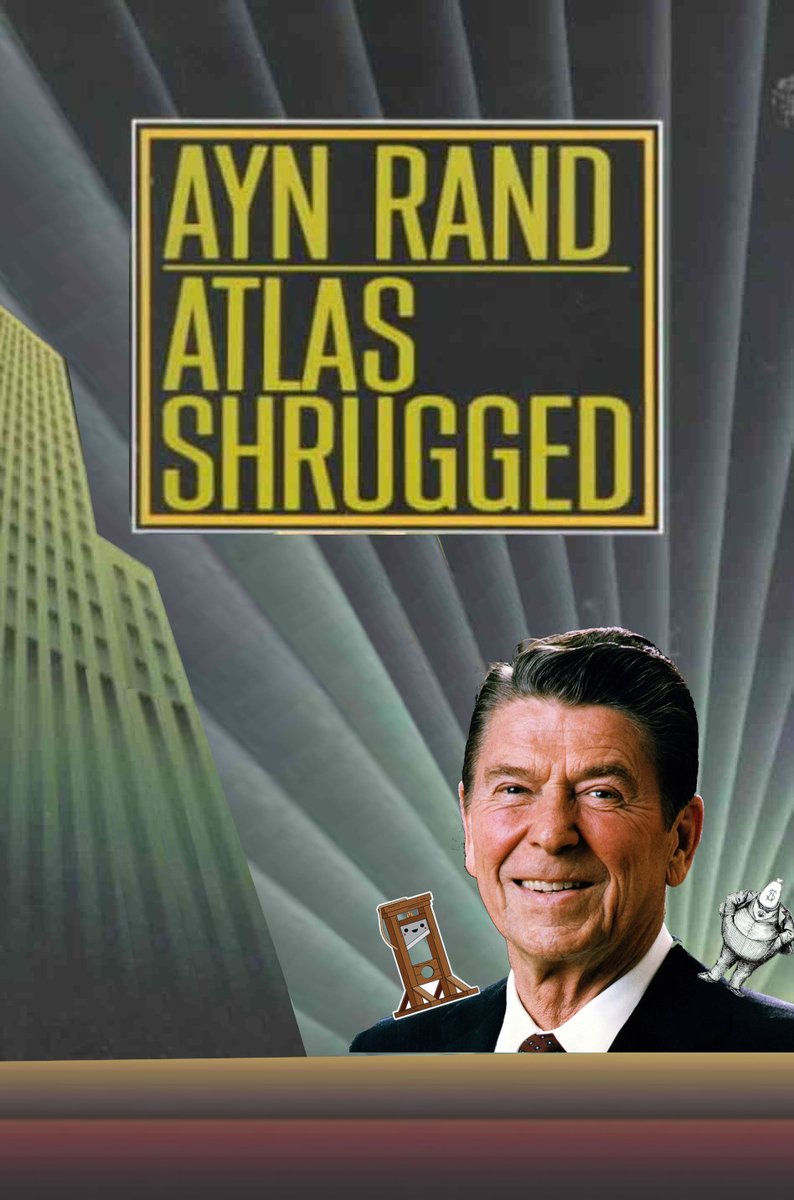
Billionaires think VR stops guillotines: TARP with tasps.
https://t.co/MIKwvsICkr
4/
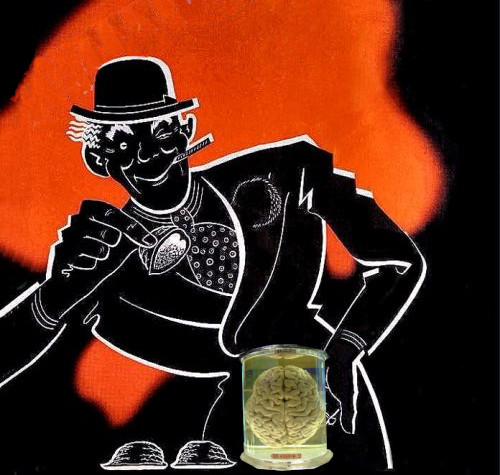
Privacy Without Monopoly: Podcasting a reading of the latest EFF whitepaper.
https://t.co/R2sl75y4rb
5/

Inside: ADT insider threat; Billionaires think VR stops guillotines; Privacy Without Monopoly; and more!
Archived at: https://t.co/nu1HbReiEX
#Pluralistic
1/
This Wednesday, I'm giving a talk called "Technology, Self-Determination, and the Future of the Future" for the Purdue University CERIAS Program:
https://t.co/po5IivZyr4
2/
ADT insider threat: If you build it they will spy.
https://t.co/kJrmtu8L3S
3/
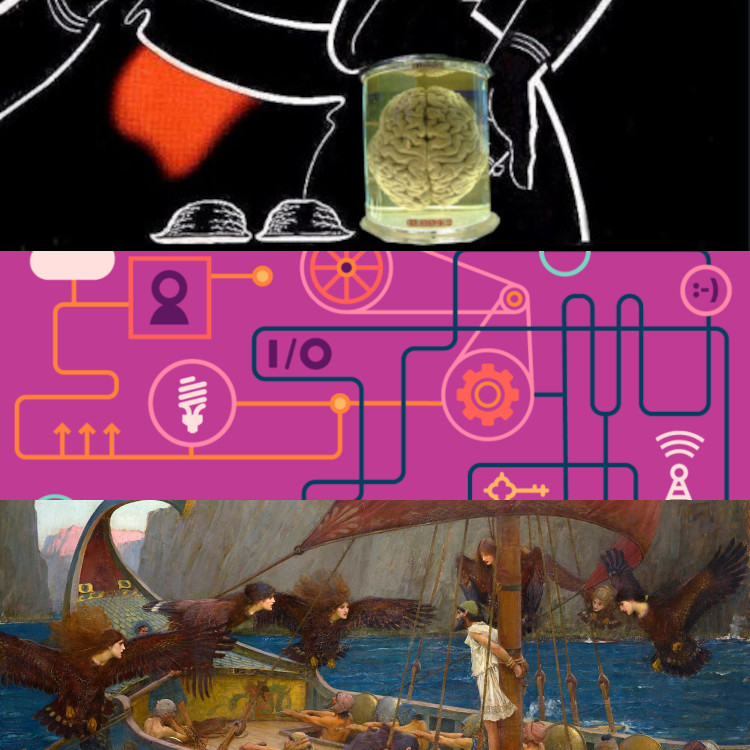
Self-control isn't merely a matter of eliminating your own weaknesses. Self control is primarily about compensating for those weaknesses. When you go on a diet, you don't just commit yourself to eating well - you also throw away the Oreos so you won't be tempted.
— Cory Doctorow #BLM (@doctorow) February 15, 2021
1/ pic.twitter.com/BCEc7FPkut
Billionaires think VR stops guillotines: TARP with tasps.
https://t.co/MIKwvsICkr
4/
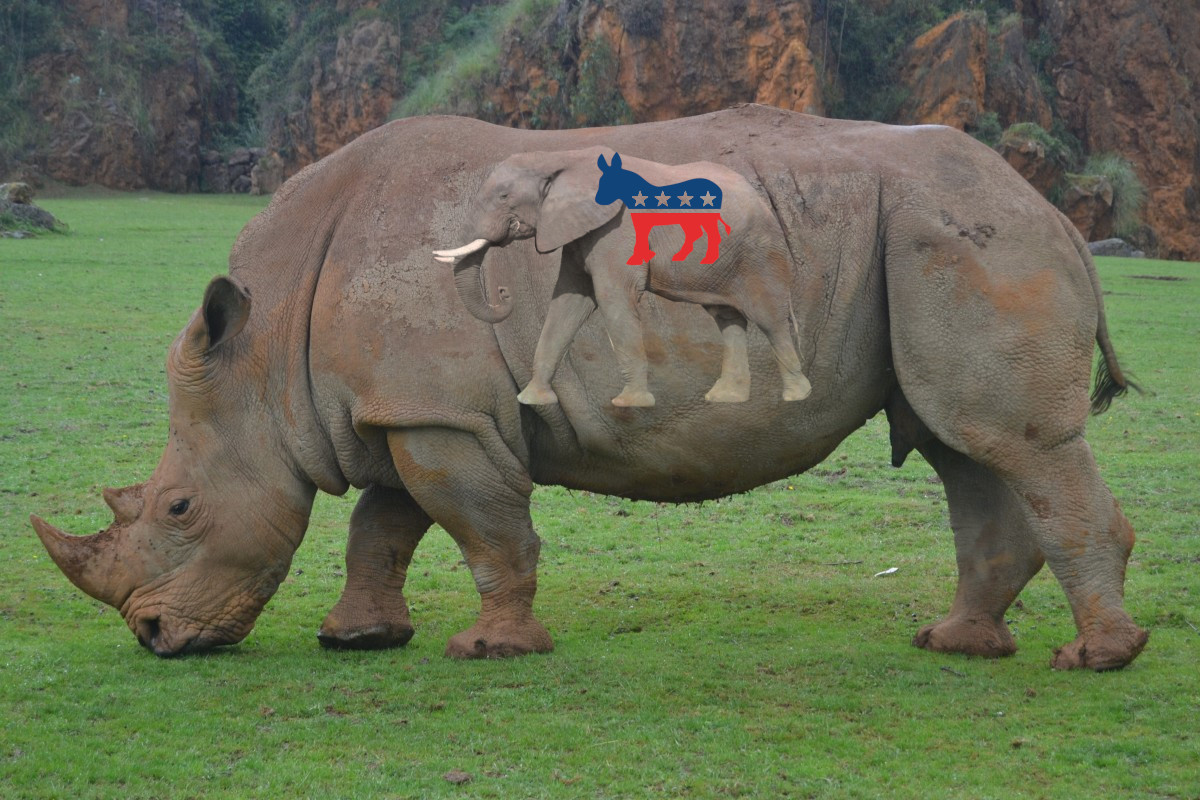
The pandemic has afforded all of us a refresher course on the five stages of grief, a theoretical and controversial framework for describing how people cope with tragedy: denial, anger, bargaining, depression and acceptance.https://t.co/nqPmjCvyab
— Cory Doctorow #BLM (@doctorow) February 15, 2021
1/ pic.twitter.com/lNk2vvhlNF
Privacy Without Monopoly: Podcasting a reading of the latest EFF whitepaper.
https://t.co/R2sl75y4rb
5/
This week on my podcast, a spoken-word version of "Privacy Without Monopoly: Data Protection and Interoperability," a major new white-paper that Bennett Cyphers and I co-authored for @EFF.https://t.co/oASlJFpz8t
— Cory Doctorow #BLM (@doctorow) February 15, 2021
1/ pic.twitter.com/UnA6fGoA6m
More from Society







Brief thread to debunk the repeated claims we hear about transmission not happening 'within school walls', infection in school children being 'a reflection of infection from the community', and 'primary school children less likely to get infected and contribute to transmission'.
I've heard a lot of scientists claim these three - including most recently the chief advisor to the CDC, where the claim that most transmission doesn't happen within the walls of schools. There is strong evidence to rebut this claim. Let's look at
Let's look at the trends of infection in different age groups in England first- as reported by the ONS. Being a random survey of infection in the community, this doesn't suffer from the biases of symptom-based testing, particularly important in children who are often asymptomatic
A few things to note:
1. The infection rates among primary & secondary school children closely follow school openings, closures & levels of attendance. E.g. We see a dip in infections following Oct half-term, followed by a rise after school reopening.
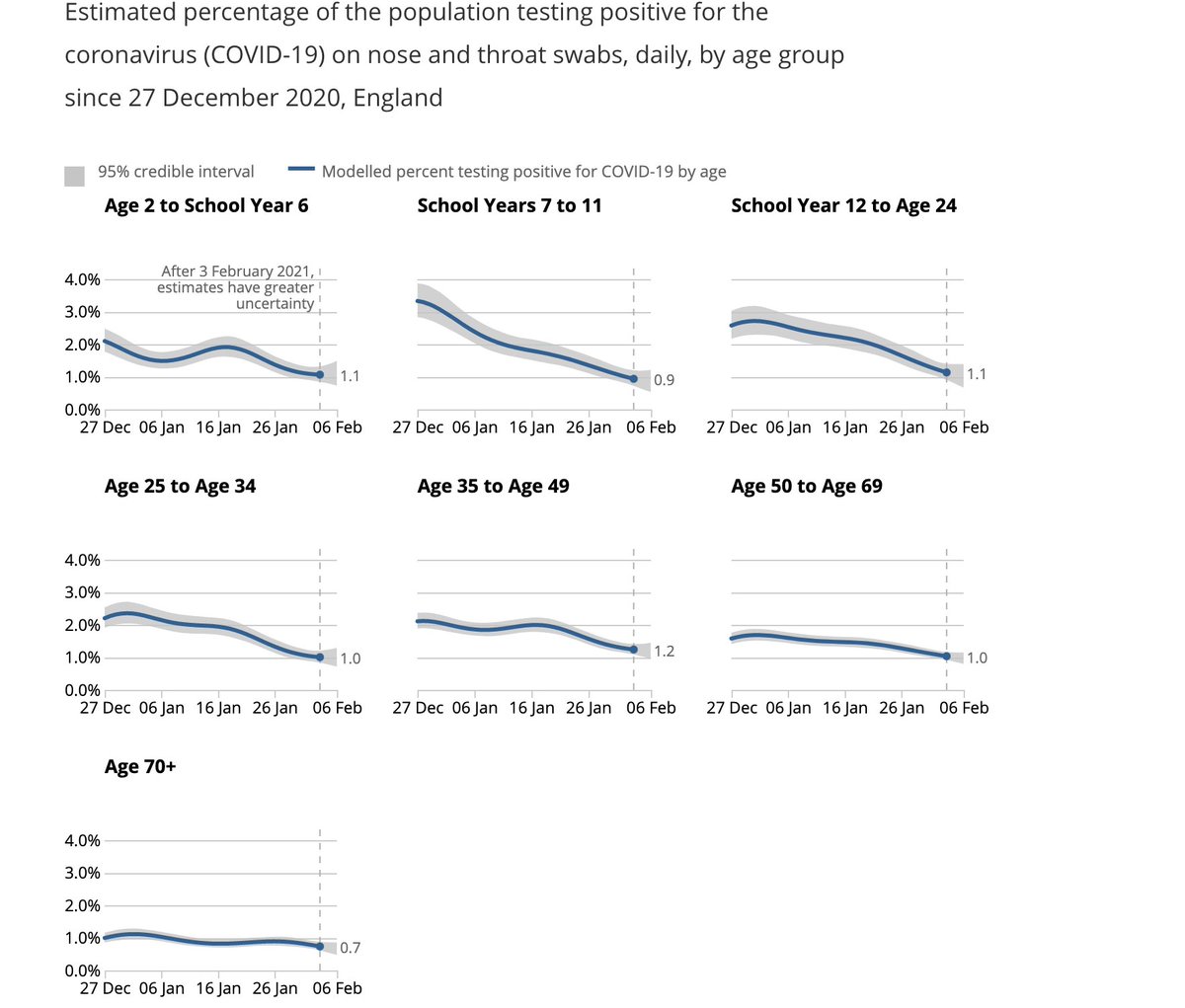
We see steep drops in both primary & secondary school groups after end of term (18th December), but these drops plateau out in primary school children, where attendance has been >20% after re-opening in January (by contrast with 2ndary schools where this is ~5%).
I've heard a lot of scientists claim these three - including most recently the chief advisor to the CDC, where the claim that most transmission doesn't happen within the walls of schools. There is strong evidence to rebut this claim. Let's look at
The science shows us that most disease transmission does not happen in the walls of the school, but it comes in from the community. So, CDC is advocating to get our K-5 students back in school at least in a hybrid mode with universal mask wearing and 6 ft of distancing. https://t.co/dfvJ2nl2s4
— Rochelle Walensky, MD, MPH (@CDCDirector) February 14, 2021
Let's look at the trends of infection in different age groups in England first- as reported by the ONS. Being a random survey of infection in the community, this doesn't suffer from the biases of symptom-based testing, particularly important in children who are often asymptomatic
A few things to note:
1. The infection rates among primary & secondary school children closely follow school openings, closures & levels of attendance. E.g. We see a dip in infections following Oct half-term, followed by a rise after school reopening.
We see steep drops in both primary & secondary school groups after end of term (18th December), but these drops plateau out in primary school children, where attendance has been >20% after re-opening in January (by contrast with 2ndary schools where this is ~5%).