
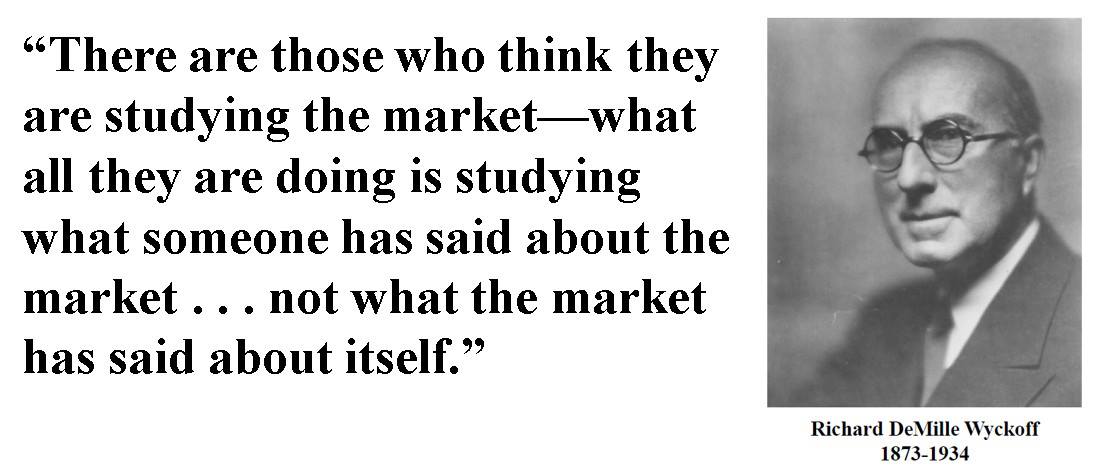
A Crash course on Wyckoff Methodology - More than 100 year old, time tested and age proven methodology for Buying and Selling Stocks.
This is what Darvas and Jesse Livermore also followed.
https://t.co/XiWmRoWveh
More from Professor
IRCTC below 640 today !
Have no intention to enjoy the misery of fellow market participants but 'Maine Bola Tha' !
#ProfGyan - If a freak low gets made some day, Stocks/Indices always try to visit it at least once (seekh lo, mere mentorship course ka launch kuch pukka nahi hai) https://t.co/3B6e2nMx0y
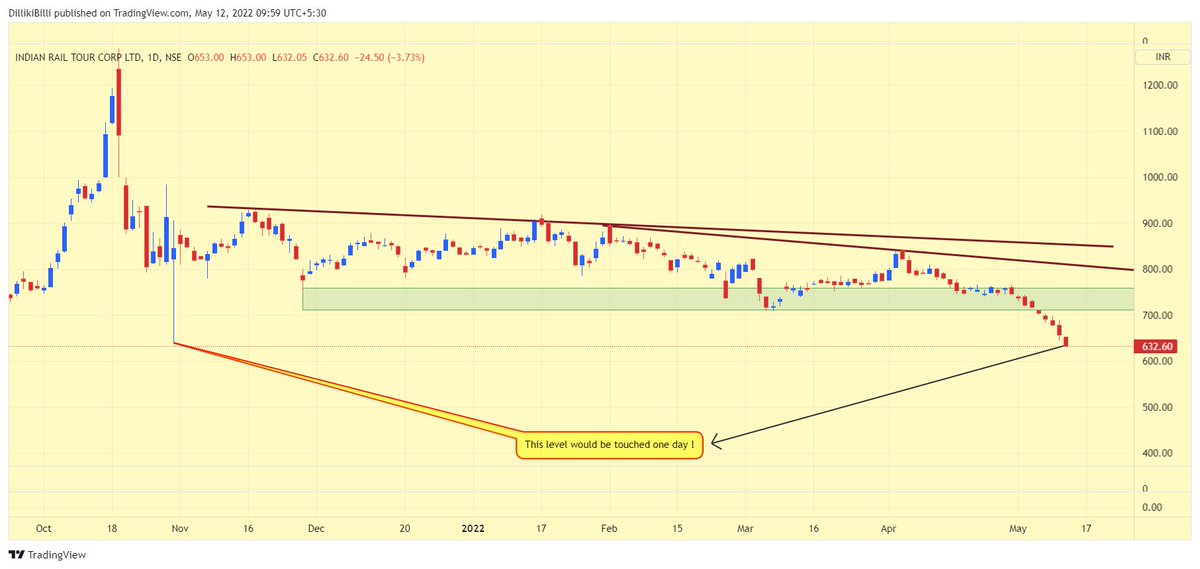
Have no intention to enjoy the misery of fellow market participants but 'Maine Bola Tha' !
#ProfGyan - If a freak low gets made some day, Stocks/Indices always try to visit it at least once (seekh lo, mere mentorship course ka launch kuch pukka nahi hai) https://t.co/3B6e2nMx0y
Two prophecies about IRCTC:
— Professor (@DillikiBiili) May 1, 2022
1. It would touch 640 someday
2. It would get expelled from F&O https://t.co/qJ04hG0qFH pic.twitter.com/TPUBSQFW1y
Good Books for learning Price Action.
First two are good enough, if you want to really go in depth then go for 3rd one by Al Brooks later (Its only for serious and committed learners, as its too detailed and would tire out a casual reader). https://t.co/2Vgq5gCVXL
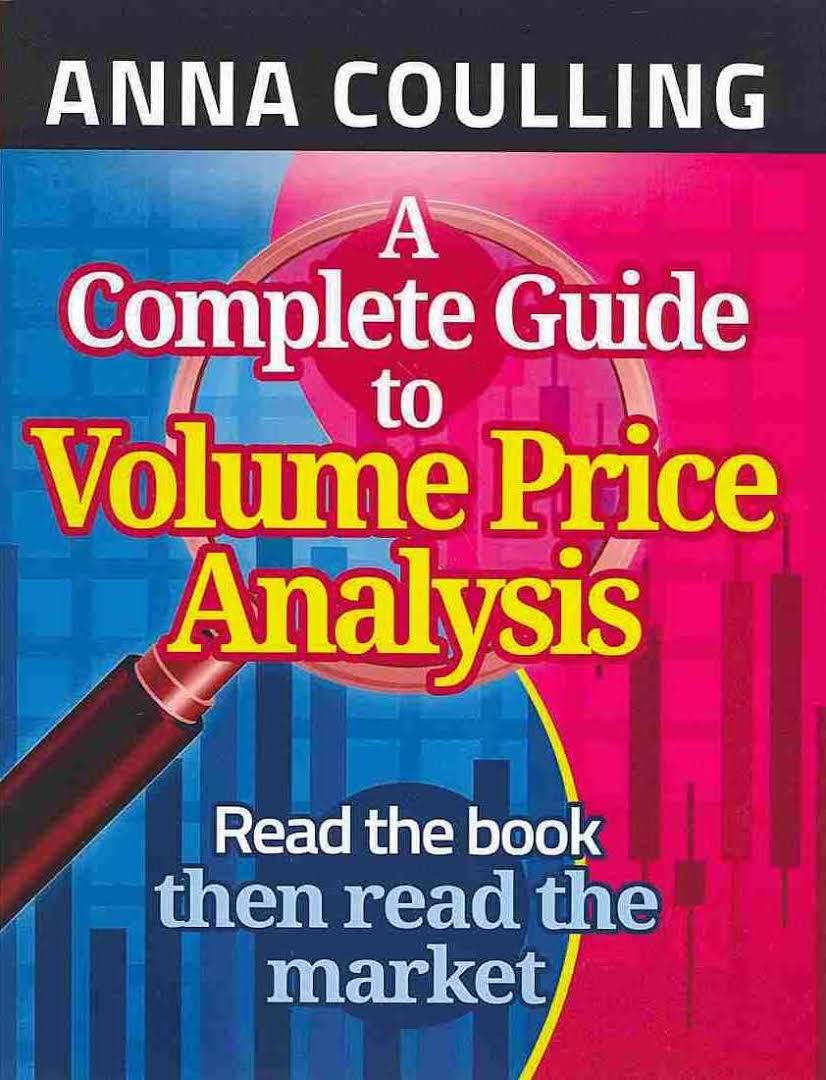
First two are good enough, if you want to really go in depth then go for 3rd one by Al Brooks later (Its only for serious and committed learners, as its too detailed and would tire out a casual reader). https://t.co/2Vgq5gCVXL
Book name plz
— \ufe0e (@12354368ys_g) March 4, 2022
Many friends have asked me about OI data Analysis. This is very helpful in Nifty Trading.
I am retweeting my Beginners Pathway Thread No, 3 on Open Interest Data Analysis for benefit of all. https://t.co/cwYtbYK6JP
I am retweeting my Beginners Pathway Thread No, 3 on Open Interest Data Analysis for benefit of all. https://t.co/cwYtbYK6JP
Here comes the 3rd and final part of the long weekend 'Beginners' Pathway" series.
— Professor (@DillikiBiili) October 17, 2021
In this we'll see Open Interest basics and Option Chain Analysis.

More from Screeners




You May Also Like




I hate when I learn something new (to me) & stunning about the Jeff Epstein network (h/t MoodyKnowsNada.)
Where to begin?
So our new Secretary of State Anthony Blinken's stepfather, Samuel Pisar, was "longtime lawyer and confidant of...Robert Maxwell," Ghislaine Maxwell's Dad.
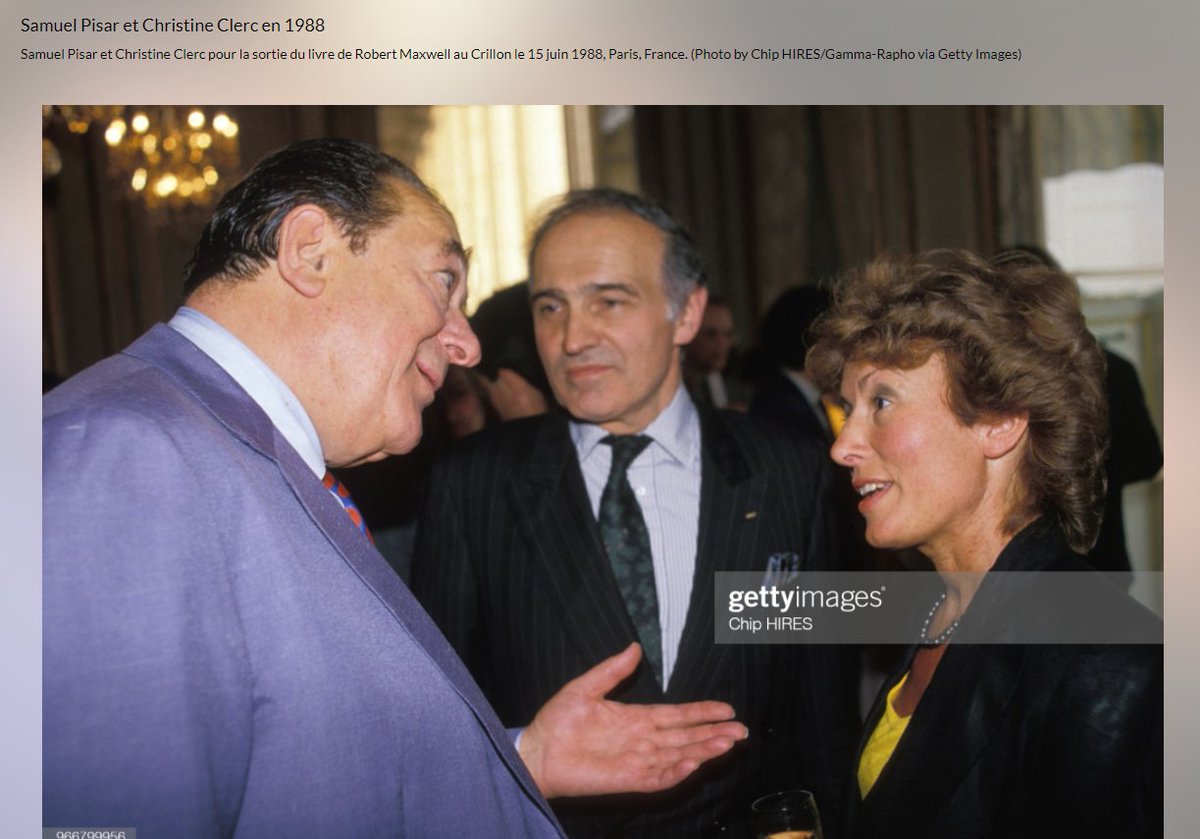
"Pisar was one of the last people to speak to Maxwell, by phone, probably an hour before the chairman of Mirror Group Newspapers fell off his luxury yacht the Lady Ghislaine on 5 November, 1991." https://t.co/DAEgchNyTP
OK, so that's just a coincidence. Moving on, Anthony Blinken "attended the prestigious Dalton School in New York City"...wait, what? https://t.co/DnE6AvHmJg
Dalton School...Dalton School...rings a
Oh that's right.
The dad of the U.S. Attorney General under both George W. Bush & Donald Trump, William Barr, was headmaster of the Dalton School.
Donald Barr was also quite a
I'm not going to even mention that Blinken's stepdad Sam Pisar's name was in Epstein's "black book."
Lots of names in that book. I mean, for example, Cuomo, Trump, Clinton, Prince Andrew, Bill Cosby, Woody Allen - all in that book, and their reputations are spotless.
Where to begin?
So our new Secretary of State Anthony Blinken's stepfather, Samuel Pisar, was "longtime lawyer and confidant of...Robert Maxwell," Ghislaine Maxwell's Dad.
"Pisar was one of the last people to speak to Maxwell, by phone, probably an hour before the chairman of Mirror Group Newspapers fell off his luxury yacht the Lady Ghislaine on 5 November, 1991." https://t.co/DAEgchNyTP
OK, so that's just a coincidence. Moving on, Anthony Blinken "attended the prestigious Dalton School in New York City"...wait, what? https://t.co/DnE6AvHmJg
Dalton School...Dalton School...rings a
Oh that's right.
The dad of the U.S. Attorney General under both George W. Bush & Donald Trump, William Barr, was headmaster of the Dalton School.
Donald Barr was also quite a
Donald Barr had a way with words. pic.twitter.com/JdRBwXPhJn
— Rudy Havenstein, listening to Nas all day. (@RudyHavenstein) September 17, 2020
I'm not going to even mention that Blinken's stepdad Sam Pisar's name was in Epstein's "black book."
Lots of names in that book. I mean, for example, Cuomo, Trump, Clinton, Prince Andrew, Bill Cosby, Woody Allen - all in that book, and their reputations are spotless.


