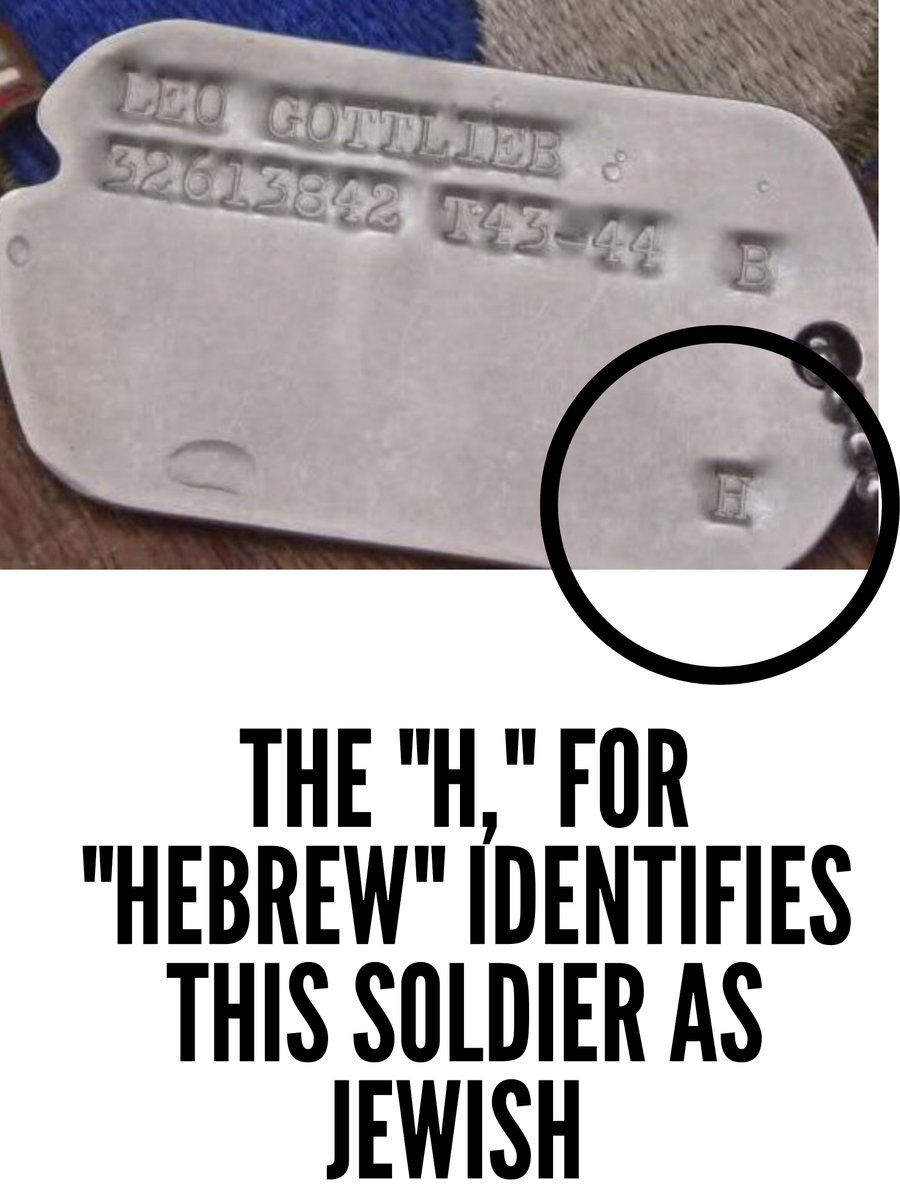
Brahmins are the Jews of India. I say that as a non-Brahmin. People have been fed on propaganda of rich and powerful Brahmin. Then why all stories start with - Once upon a time, there was a poor #Brahmin.

Wast vile propaganda was created against Brahmins by the British to my mind, for two reasons, most potent forces they fought against were Maratha Brahmins and the role of Brahmins in 1857.
As always the seculars, Hindu Brahmins were the most staunch opposition to the British, trying to put Bahadur shah on the throne, who while a Muslim was Indian. Muslim fought to bring back Zafar, whose return would be to them, well, return of Islamic rule.
More of an army, less of a faith, men like Sir Syed, immediately aligned themselves with the British after 1857, and India became playground of missionaries. Brahmins were the intellectual guardians of the faith they planned to attack. The Polytheists.
When Pagans were demolished in Rome, it was plato’s academy which was attacked first. Kashi and Prayag was India’s academy.
So they went after it. Macaulay boastfully wrote to his father that if things go as he planned in twenty years there won’t be any indigenous religion left in India. One may throw the example of British friend Nehrus. But they were more European than the British.
For every rich Nehru who had already given up on Indian roots, there was an Azad living like an orphan, a Bismil with his mother grinding grains for survival at few paise per Se’er.
. @pragya_barthwal ji points to me stories with ‘once upon a time there was a wily #Brahmin’. As I mentioned, stories reflect their times. As Brahmins became outcast, even more than they were under the Mughals, they adapted.
With centuries of Sanskrit education which was used in Courts and was language of employment, under Muslim rule, they were unemployable as Persian became official language. So craftiness was a tool of survival.
To understand it, imagine JNU closed and all it’s degree declared void. Will the professors who till now call shots, attend Seminars and treated with respect by the powers that be, not turn wily old Brahmin. Akbar’s court had twenty Hindus in senior position and 4 #Brahmins.
What were they to do? And then the question of intellectual dignity. The sunk stomach which denoted a stiff spine in earlier days when kings would listen to them, when they were like today’s Mylords, now denoted hunger as Law of the nation was Shariah which they knew nothing of
With all its ills, the British, when they brought in secular laws and introduced English, suddenly Hindus had almost same opportunities as the Muslims and they jumped on it. The data of graduation in initial period is telling.
It wasn’t that Hindus after 500 years of religious persecution were better off to pursue education. They weren’t but they had two things going-
- The Hindu culture of learning helped
- They weren’t plagued by the false ego of ruined aristocrats like the Muslims.
So Hindus, primarily Brahmins and a lot many of upper castes like Kayasths moved into this suddenly opened opportunity. Most Dalits were broadly confused. Under the Five year of so-called Casteless Islamic rule, they remained where they were.
The way Muslim rulers looked at them was no better than the way upper caste Hindus would. It was worse. Slavery was legit in Islam and from the societies they came, Dalits were taken as Slaves. In Hindu rule, it wasn’t exactly emancipated life but it wasn’t slavery either.
The history is full of tribal Queens and Kings from what we today think as Lower caste, but under Islamic rules where Brahmins were unemployable, #Dalits had same rule as was envisaged for them in Pakistan.

More from Religion

#BookExcerpts #Venkateshwara #Balaji

I will write a 3 part thread series with some interesting points from this book.

Part-1 : History of Tirumala & Venkateshwara Swamy
Part-2: Rituals & Prasada Procedure
Part-3: Historical records

Part-1 thread below

1/


Venkatachala Hill

Maha Vishnu wished for the mountain Krida / Krida Parvatham / Kridhachalam from Vaikunta to be brought to the earth for his avataram.

This was brought to earth by Garuda and Ananta & placed it on banks of river Swarna Mukhi

2/


This is where current Tirumala temple is located. The fact that this was transported from Vaikunta is apparently a scientifically proven fact.

The scientific dating of the sedimentary rocks have confirmed the date to be around 120 million years ago..

3/

This timeline coincides with Swayambhu Manu manvanthara of the Sweta Varaha Kalpa which is the time when Swamy descended on earth in the form of Venkateshwara Swamy.

From a survey of flora and fauna, they have found rare species of plants & animals like golden gecko..

4/

that are exclusive to this hill range only and not found anywhere else in the world.

Tirumala hills are a range of 7 hills
1. Seshachala
2. Vedachala
3. Garudachala
4. Anjanachala
5. Vrishabhachala
6. Narayanachala
7. Venkatachala --> Where temple is present

5/

You May Also Like

🌺श्री गरुड़ पुराण - संक्षिप्त वर्णन🌺

हिन्दु धर्म के 18 पुराणों में से एक गरुड़ पुराण का हिन्दु धर्म में बड़ा महत्व है। गरुड़ पुराण में मृत्यु के बाद सद्गती की व्याख्या मिलती है। इस पुराण के अधिष्ठातृ देव भगवान विष्णु हैं, इसलिए ये वैष्णव पुराण है।


गरुड़ पुराण के अनुसार हमारे कर्मों का फल हमें हमारे जीवन-काल में तो मिलता ही है परंतु मृत्यु के बाद भी अच्छे बुरे कार्यों का उनके अनुसार फल मिलता है। इस कारण इस पुराण में निहित ज्ञान को प्राप्त करने के लिए घर के किसी सदस्य की मृत्यु के बाद का समय निर्धारित किया गया है...

..ताकि उस समय हम जीवन-मरण से जुड़े सभी सत्य जान सकें और मृत्यु के कारण बिछडने वाले सदस्य का दुख कम हो सके।
गरुड़ पुराण में विष्णु की भक्ति व अवतारों का विस्तार से उसी प्रकार वर्णन मिलता है जिस प्रकार भगवत पुराण में।आरम्भ में मनु से सृष्टि की उत्पत्ति,ध्रुव चरित्र की कथा मिलती है।


तदुपरांत सुर्य व चंद्र ग्रहों के मंत्र, शिव-पार्वती मंत्र,इन्द्र सम्बंधित मंत्र,सरस्वती मंत्र और नौ शक्तियों के बारे में विस्तार से बताया गया है।
इस पुराण में उन्नीस हज़ार श्लोक बताए जाते हैं और इसे दो भागों में कहा जाता है।
प्रथम भाग में विष्णुभक्ति और पूजा विधियों का उल्लेख है।

मृत्यु के उपरांत गरुड़ पुराण के श्रवण का प्रावधान है ।
पुराण के द्वितीय भाग में 'प्रेतकल्प' का विस्तार से वर्णन और नरकों में जीव के पड़ने का वृत्तांत मिलता है। मरने के बाद मनुष्य की क्या गति होती है, उसका किस प्रकार की योनियों में जन्म होता है, प्रेत योनि से मुक्ति के उपाय...
The chorus of this song uses the shlokas taken from Sundarkand of Ramayana.

It is a series of Sanskrit shlokas recited by Jambavant to Hanuman to remind Him of his true potential.

1. धीवर प्रसार शौर्य भरा: The brave persevering one, your bravery is taking you forward.


2. उतसारा स्थिरा घम्भीरा: The one who is leaping higher and higher, who is firm and stable and seriously determined.

3. ुग्रामा असामा शौर्या भावा: He is strong, and without an equal in the ability/mentality to fight

4. रौद्रमा नवा भीतिर्मा: His anger will cause new fears in his foes.

5.विजिटरीपुरु धीरधारा, कलोथरा शिखरा कठोरा: This is a complex expression seen only in Indic language poetry. The poet is stating that Shivudu is experiencing the intensity of climbing a tough peak, and likening

it to the feeling in a hard battle, when you see your enemy defeated, and blood flowing like a rivulet. This is classical Veera rasa.

6.कुलकु थारथिलीथा गम्भीरा, जाया विराट वीरा: His rough body itself is like a sharp weapon (because he is determined to win). Hail this complete

hero of the world.

7.विलयगागनथाला भिकारा, गरज्जद्धरा गारा: The hero is destructive in the air/sky as well (because he can leap at an enemy from a great height). He can defeat the enemy (simply) with his fearsome roar of war.