Ok. Dvija means twice born. Dvijas are Brahmins, Kshatriyas and Vaishyas. Ezhavas and Thiyars are outside varna system but were not regarded as Dalits bcoz they were free unlike Dalits who were slaves. They had to endure caste discrimination but a lesser degree compared to Dalits
More from Religion

#Bookmark this
The full story of || Dhruv ||
We’ll see How Dhruv occupied a fixed position in the northern sky?
I repeat “Untold Unsung now Unearthed”
Go through entire thread carefully.
OM NAMO BHAGWATE VAASUDEVAAY
RT & spread the knowledge.
Any questions use #AskPratz

.... continuing from previous thread/story
O prince! Thus concentrate on that omnipotent eternal Lord with the mantra - ‘OM NAMO BHAGWATE VAASUDEVAAY’ .
https://t.co/H62ehDT3ix
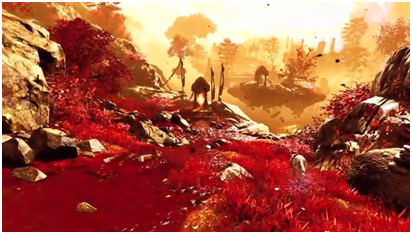
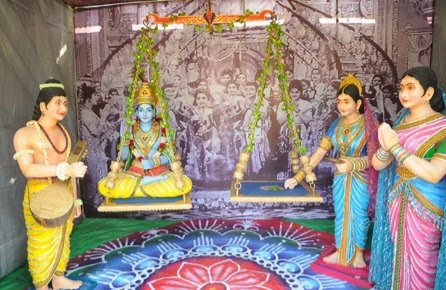
The prince Dhruv greeted the sages and continued on his journey. At last, he reached a beautiful forest Madhuvan on the bank of the river Yamuna. It was the same forest, which was later occupied by a demon Madhu.
Shatrughana, the youngest brother of Sri Rama had killed demon Lavan, son of Madhu in the same forest & founded the township of Mathura. In the same forest, prince Dhruv decided to carry out his penance. As per the dictate of the sages, he began to recite the mantra continuously
Very soon, the earth began to move because of Dhruv’s severe penance. Even the seat of Indra could not remain stable. A stampede resulted among the gods. The gods then hatched a conspiracy to disturb the penance.
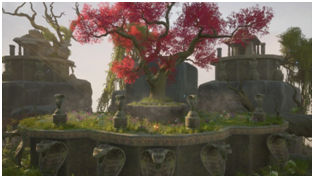
The full story of || Dhruv ||
We’ll see How Dhruv occupied a fixed position in the northern sky?
I repeat “Untold Unsung now Unearthed”
Go through entire thread carefully.
OM NAMO BHAGWATE VAASUDEVAAY
RT & spread the knowledge.
Any questions use #AskPratz
.... continuing from previous thread/story
O prince! Thus concentrate on that omnipotent eternal Lord with the mantra - ‘OM NAMO BHAGWATE VAASUDEVAAY’ .
https://t.co/H62ehDT3ix
So you too go and recite the same mantra in order to please Lord Vishnu.
— Prateechi \U0001f6eb\u2708\ufe0f\U0001f6e9\ufe0f (@BahuRaani) February 6, 2021
\u2026To be continued
It\u2019s a beautiful long story. Read it to your loved ones.
(Next Weekly Thread)
We\u2019ll see How Dhruv occupied a fixed position in the northern sky?
Stay Tuned
Jai Maa
_/\\_ pic.twitter.com/7TxdNsoZes
The prince Dhruv greeted the sages and continued on his journey. At last, he reached a beautiful forest Madhuvan on the bank of the river Yamuna. It was the same forest, which was later occupied by a demon Madhu.
Shatrughana, the youngest brother of Sri Rama had killed demon Lavan, son of Madhu in the same forest & founded the township of Mathura. In the same forest, prince Dhruv decided to carry out his penance. As per the dictate of the sages, he began to recite the mantra continuously
Very soon, the earth began to move because of Dhruv’s severe penance. Even the seat of Indra could not remain stable. A stampede resulted among the gods. The gods then hatched a conspiracy to disturb the penance.

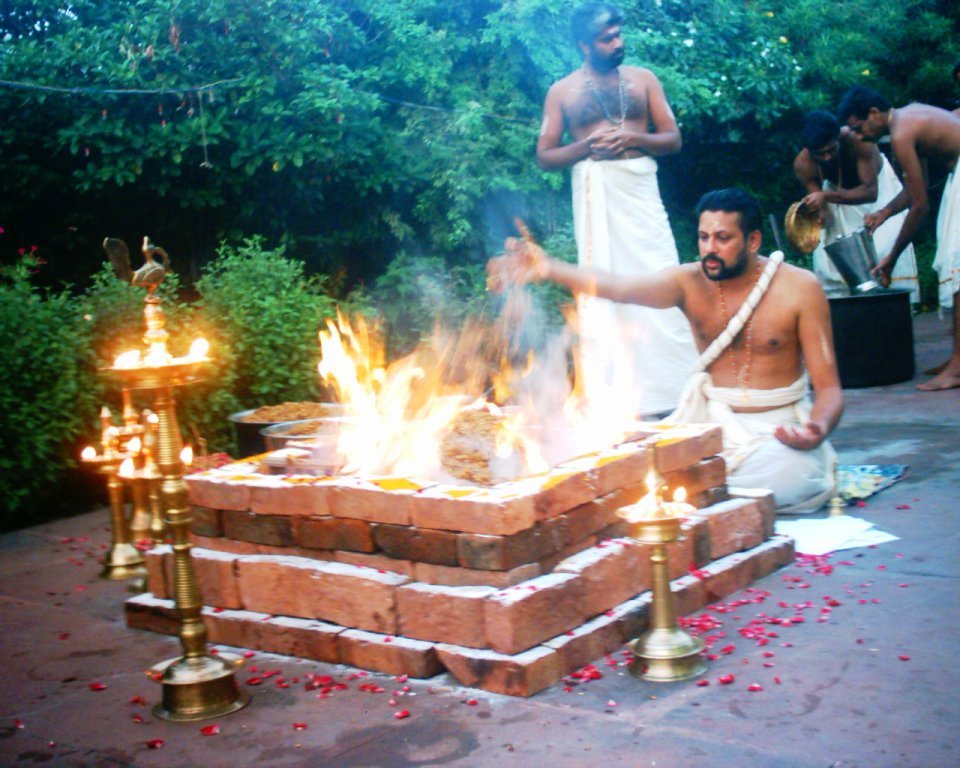

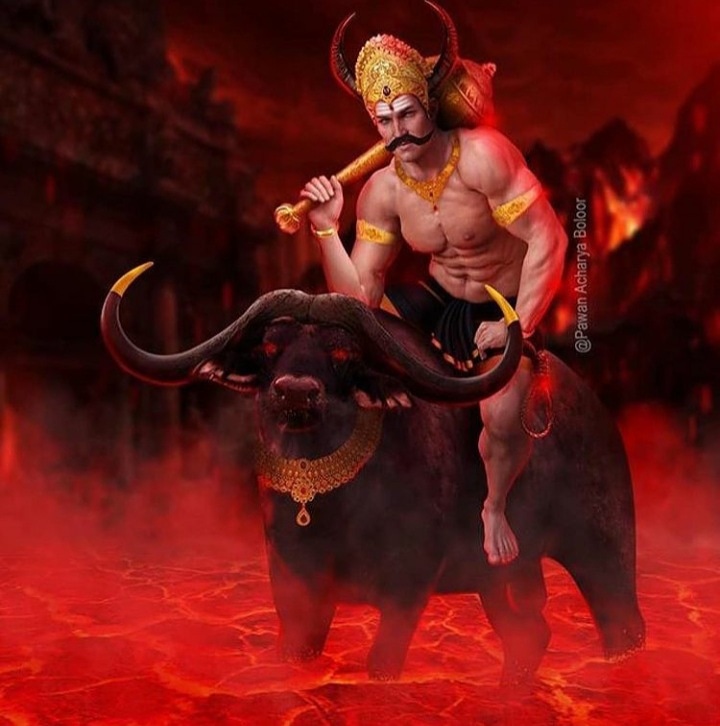

just a my thought...
❶/12 Roughly speaking, primitive Buddhism was about liberation from the inner suffering of the ordained individual. In contrast, Mahayana Buddhism, especially the teachings of the Lotus Sutra, emphasises 'the salvation of all people, together'.
❷/12 In short, people of Mahayana Buddhism do Practice as Bodhisattva for all in the secular world. Strictly, these are different religions, and primitive Buddhism is not well suited to being associated with the state or secular communities.
❸/12 I believe that if anti-secular primitive Buddhism had arrived in ancient Japan it would not have spread very far. In Japan, where rice cultivation is very important, the idea of destroying the community would have been a threat of people's survival.
❹/12 By the way, it's perhaps inevitable that the purity of the teachings will diminish depending on how they are disseminated in society. In other words, I think that, roughly speaking, what develops away from the original form can even become a civilization.
❺/12 But anything that significantly reduces the quality of the original should be called a degeneration. I think that Christian civilization, although flawed, has built a civilization in tension.
❶/12 Roughly speaking, primitive Buddhism was about liberation from the inner suffering of the ordained individual. In contrast, Mahayana Buddhism, especially the teachings of the Lotus Sutra, emphasises 'the salvation of all people, together'.
Bodhisattva is also important for understanding the Japanese. It was a very developed in Mahayana Buddhism. Liberators keep putting off and dedicating until all people are saved. This is an ideal prototype. But this devoted tradition is disappearing under the Weimar Constitution. https://t.co/uBTcwOjlWt
— Atsumori \u6566\u76db (@atsumori5834) January 9, 2020
❷/12 In short, people of Mahayana Buddhism do Practice as Bodhisattva for all in the secular world. Strictly, these are different religions, and primitive Buddhism is not well suited to being associated with the state or secular communities.
❸/12 I believe that if anti-secular primitive Buddhism had arrived in ancient Japan it would not have spread very far. In Japan, where rice cultivation is very important, the idea of destroying the community would have been a threat of people's survival.
❹/12 By the way, it's perhaps inevitable that the purity of the teachings will diminish depending on how they are disseminated in society. In other words, I think that, roughly speaking, what develops away from the original form can even become a civilization.
❺/12 But anything that significantly reduces the quality of the original should be called a degeneration. I think that Christian civilization, although flawed, has built a civilization in tension.

You May Also Like




1/Politics thread time.
To me, the most important aspect of the 2018 midterms wasn't even about partisan control, but about democracy and voting rights. That's the real battle.
2/The good news: It's now an issue that everyone's talking about, and that everyone cares about.
3/More good news: Florida's proposition to give felons voting rights won. But it didn't just win - it won with substantial support from Republican voters.
That suggests there is still SOME grassroots support for democracy that transcends
4/Yet more good news: Michigan made it easier to vote. Again, by plebiscite, showing broad support for voting rights as an
5/OK, now the bad news.
We seem to have accepted electoral dysfunction in Florida as a permanent thing. The 2000 election has never really
To me, the most important aspect of the 2018 midterms wasn't even about partisan control, but about democracy and voting rights. That's the real battle.
2/The good news: It's now an issue that everyone's talking about, and that everyone cares about.
3/More good news: Florida's proposition to give felons voting rights won. But it didn't just win - it won with substantial support from Republican voters.
That suggests there is still SOME grassroots support for democracy that transcends
4/Yet more good news: Michigan made it easier to vote. Again, by plebiscite, showing broad support for voting rights as an
5/OK, now the bad news.
We seem to have accepted electoral dysfunction in Florida as a permanent thing. The 2000 election has never really
Bad ballot design led to a lot of undervotes for Bill Nelson in Broward Co., possibly even enough to cost him his Senate seat. They do appear to be real undervotes, though, instead of tabulation errors. He doesn't really seem to have a path to victory. https://t.co/utUhY2KTaR
— Nate Silver (@NateSilver538) November 16, 2018