Don't act smart with Shankaracharya, you will get roasted...

This is a very interesting story from ShankarDigvijaya where Mandan Mishra tries to insult Shankaracharya but gets insulted in return.
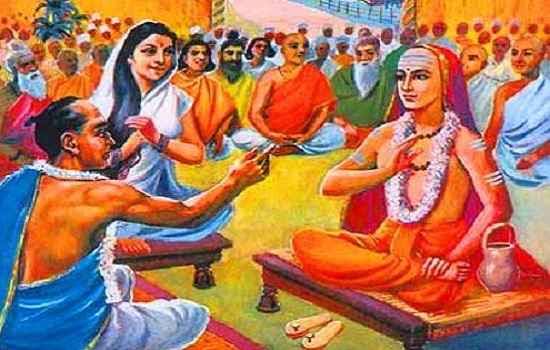
The fun lies in the twisting of meanings of Sanskrit words by Shankaracharya.I will try my best to translate while preserving the real meaning.

Shankaracharya went to house of Mandan Mishra to debate with him, but he found the door locked so he took alternate way and went in
The conversation that followed went somewhat like this...

On seeing Shankaracharya

Mandan(angrily)- From where did you come, you bald fellow?

Shankar - I am bald till neck.

(He said कुतो मुण्ड्य Shankar took meaning as, 'How far are you shaven?' so he replied till neck. )
Mandan - I did not ask this, I asked your way

Shankar - Then what did the way reply?

(Mandan ment "I asked about your way" (From where did you come?) Shankar twisted meaning as 'I asked your way' so he said "What did the way reply?")
Mandan (frustrated) - It said, your mother is bald.

Shankar - But you asked it, it must be talking about your mother not mine.
Mandan(Fuming) - Oh ! Did you drink alcohol ?? (Are you drunk)

Shankar - No Alcohol is white not yellow

(He said अहो पीता किं सुरा? Here पीता has two meanings, drunk and yellow, Shankar twisted the meaning as yellow and said no it was white not yellow.)
Mandan (slyly) - Oh, so you know about the color of Alcohol...

Shankar - Yes I know the colour but you know the taste.
Mandan (totally frustrated) - (Indicating towards Shankar) This poisoned meat eater has gone mad thats why (he is) speaking like this.

Shankar - True, just like his father, your child born from you is a poisoned meat eater.
(He said मत्तो जातः कलञ्जाशी it has two meanings, 1."Poisoned meat eater has gone mad"
2 "Poisoned meat eater was born from me"

Shankar twisted the meaning and took second meaning.)
Their talk continued after this, If readers are interested I will make a thread of their rest of their talk
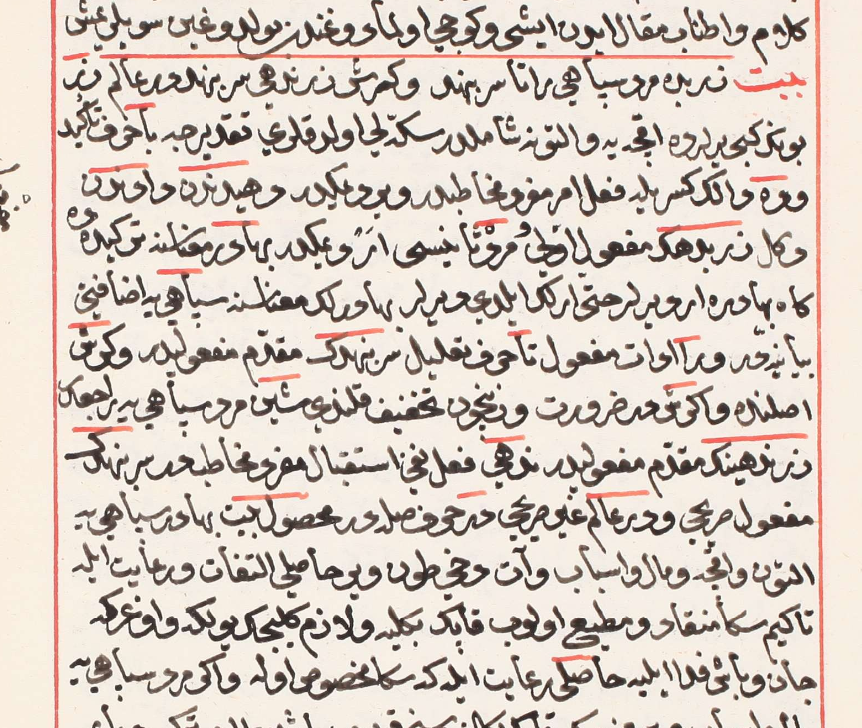
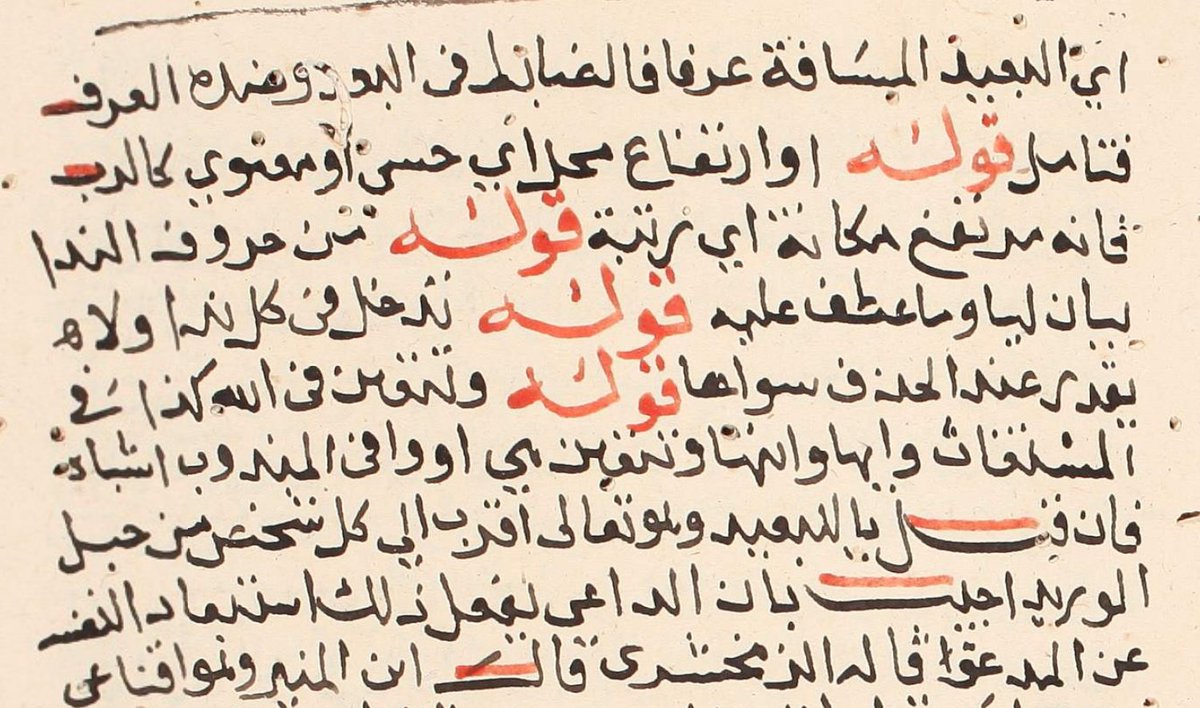
Original for thise who are interested

More from Religion

Knowledge & Bharat : Part V

The Curriculum of Vedic Education :
According to the Ancient Indian theory of education, the training of the mind & the process of thinking, are essential for the acquisition of knowledge.

#Thread


Vedic Education System delivered outstanding results.  These were an outcome of the context in which it functioned.  Understanding them is critical in the revival of such a system in modern times. 
The Shanthi Mantra spells out the context of the Vedic Education System.


It says:

ॐ सह नाववतु ।
सह नौ भुनक्तु ।
सह वीर्यं करवावहै ।
तेजस्वि नावधीतमस्तु मा विद्विषावहै ।
ॐ शान्तिः शान्तिः शान्तिः ॥

“Aum. May we both (the guru and disciples) together be protected. May we both be nourished and enriched. May we both bring our hands together and work

with great energy, strength and enthusiasm from the space of powerfulness. May our study and learning together illuminate both with a sharp, absolute light of higher intelligence. So be it.”

The students started the recitation of the Vedic hymns in early hours of morning.


The chanting of Mantras had been evolved into the form of a fine art. Special attention was paid to the correct pronunciation of words, Pada or even letters. The Vedic knowledge was imparted by the Guru or the teacher to the pupil through regulated and prescribed pronunciation,

You May Also Like

🌺श्री गरुड़ पुराण - संक्षिप्त वर्णन🌺

हिन्दु धर्म के 18 पुराणों में से एक गरुड़ पुराण का हिन्दु धर्म में बड़ा महत्व है। गरुड़ पुराण में मृत्यु के बाद सद्गती की व्याख्या मिलती है। इस पुराण के अधिष्ठातृ देव भगवान विष्णु हैं, इसलिए ये वैष्णव पुराण है।


गरुड़ पुराण के अनुसार हमारे कर्मों का फल हमें हमारे जीवन-काल में तो मिलता ही है परंतु मृत्यु के बाद भी अच्छे बुरे कार्यों का उनके अनुसार फल मिलता है। इस कारण इस पुराण में निहित ज्ञान को प्राप्त करने के लिए घर के किसी सदस्य की मृत्यु के बाद का समय निर्धारित किया गया है...

..ताकि उस समय हम जीवन-मरण से जुड़े सभी सत्य जान सकें और मृत्यु के कारण बिछडने वाले सदस्य का दुख कम हो सके।
गरुड़ पुराण में विष्णु की भक्ति व अवतारों का विस्तार से उसी प्रकार वर्णन मिलता है जिस प्रकार भगवत पुराण में।आरम्भ में मनु से सृष्टि की उत्पत्ति,ध्रुव चरित्र की कथा मिलती है।


तदुपरांत सुर्य व चंद्र ग्रहों के मंत्र, शिव-पार्वती मंत्र,इन्द्र सम्बंधित मंत्र,सरस्वती मंत्र और नौ शक्तियों के बारे में विस्तार से बताया गया है।
इस पुराण में उन्नीस हज़ार श्लोक बताए जाते हैं और इसे दो भागों में कहा जाता है।
प्रथम भाग में विष्णुभक्ति और पूजा विधियों का उल्लेख है।

मृत्यु के उपरांत गरुड़ पुराण के श्रवण का प्रावधान है ।
पुराण के द्वितीय भाग में 'प्रेतकल्प' का विस्तार से वर्णन और नरकों में जीव के पड़ने का वृत्तांत मिलता है। मरने के बाद मनुष्य की क्या गति होती है, उसका किस प्रकार की योनियों में जन्म होता है, प्रेत योनि से मुक्ति के उपाय...
I'm going to do two history threads on Ethiopia, one on its ancient history, one on its modern story (1800 to today). 🇪🇹

I'll begin with the ancient history ... and it goes way back. Because modern humans - and before that, the ancestors of humans - almost certainly originated in Ethiopia. 🇪🇹 (sub-thread):


The first likely historical reference to Ethiopia is ancient Egyptian records of trade expeditions to the "Land of Punt" in search of gold, ebony, ivory, incense, and wild animals, starting in c 2500 BC 🇪🇹


Ethiopians themselves believe that the Queen of Sheba, who visited Israel's King Solomon in the Bible (c 950 BC), came from Ethiopia (not Yemen, as others believe). Here she is meeting Solomon in a stain-glassed window in Addis Ababa's Holy Trinity Church. 🇪🇹


References to the Queen of Sheba are everywhere in Ethiopia. The national airline's frequent flier miles are even called "ShebaMiles". 🇪🇹