
A central tension in our politics is this we have 1 political party that cares about upholding democracy, whereas the other party's aims can only be achieved thru undermining democracy. This is coupled w/ the fact that 1 party cares about people's well-being & the other does not
More from Politics


1/ Imagine that as soon as the referendum result the EU announced that it was looking forward to the end of free movement of UK citizens in the EU
2/ Imagine if the EU said finally all those retired Brits in the EU27 could go home
3/ Imagine if the EU said finally all those Brits in the EU could stop driving down wages, taking jobs and stop sending benefits back to the UK
4/ Imagine if the EU said it was looking to use UK citizens as “bargaining chips” to get a better trade deal
5/ Imagine if the EU told UK citizens in the EU27 that they could no longer rely on established legal rights and they would have to apply for a new status which they have to pay for for less rights
Imagine, for a moment, the reaction of the UK Government, Brexiters, and the RW UK press if Juncker, Tusk, Macron or Merkel went on TV to say that Brexit was worth it to stop Freedom of Movement for UK citizens, and to stop Brits being able to come to the EU and jump the queue.
— Steve Bullock (@GuitarMoog) November 20, 2018
2/ Imagine if the EU said finally all those retired Brits in the EU27 could go home
3/ Imagine if the EU said finally all those Brits in the EU could stop driving down wages, taking jobs and stop sending benefits back to the UK
4/ Imagine if the EU said it was looking to use UK citizens as “bargaining chips” to get a better trade deal
5/ Imagine if the EU told UK citizens in the EU27 that they could no longer rely on established legal rights and they would have to apply for a new status which they have to pay for for less rights


Here's why I bother to do the search, and even take the time to check.
This is part of a pattern that as detailed by Mueller, and has been proven by reputable studies since then. Here are parts of an Oxford report on the goals of the ongoing social media operations of Russia. https://t.co/qapD8Eh2SQ
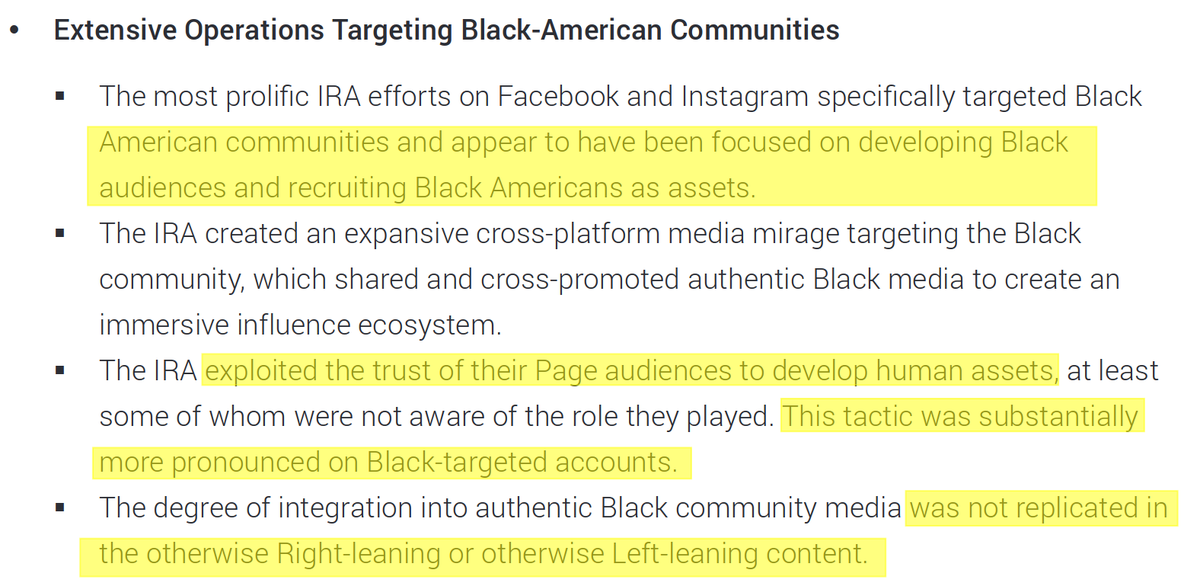
https://t.co/nJPPOwF1MA
The full report can be found here.
https://t.co/1q525xWYZE
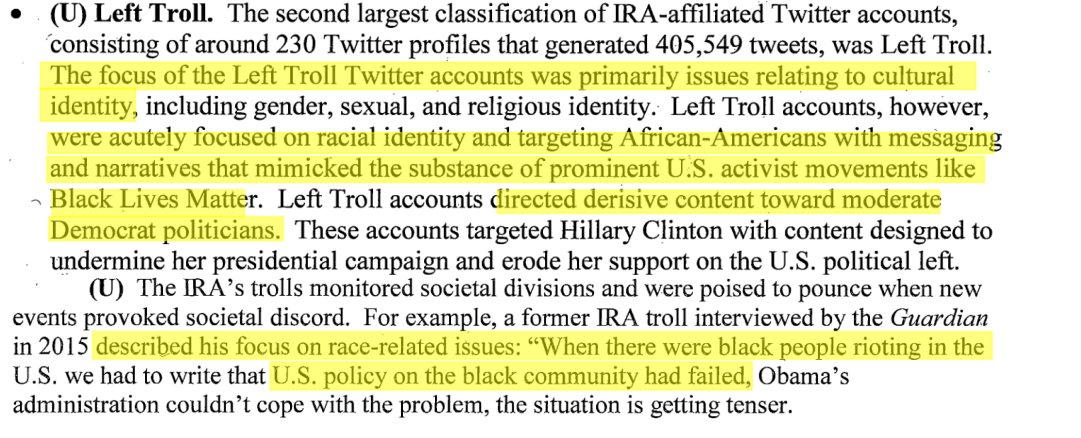
Excertps from the 2019 Senate Intelligence Committee Report on Russian Actove Measures Campaigns and Interference:
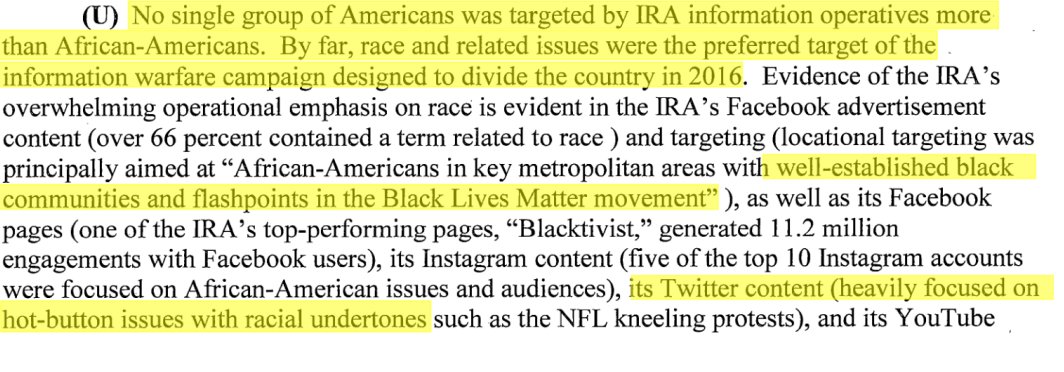
Also form the Senate Intelligence Committee report
This is part of a pattern that as detailed by Mueller, and has been proven by reputable studies since then. Here are parts of an Oxford report on the goals of the ongoing social media operations of Russia. https://t.co/qapD8Eh2SQ
Here's some from a search of your TL
— \U0001d679\U0001d698\U0001d691\U0001d697 \U0001d686\U0001d68e\U0001d69c\U0001d695\U0001d68e\U0001d6a2 (@thepalemoonlt) April 21, 2021
Uses of the word prison before today: 13.
Tweets for specifically suggesting abolishing prison prior to today: 1 on 06/03/2020
Mentions of prison and abolishing it today: 8
Of all the times to speak out, Why did you choose to now? https://t.co/kl7gx7ky2H
https://t.co/nJPPOwF1MA
The full report can be found here.
https://t.co/1q525xWYZE
Excertps from the 2019 Senate Intelligence Committee Report on Russian Actove Measures Campaigns and Interference:
Also form the Senate Intelligence Committee report
You May Also Like


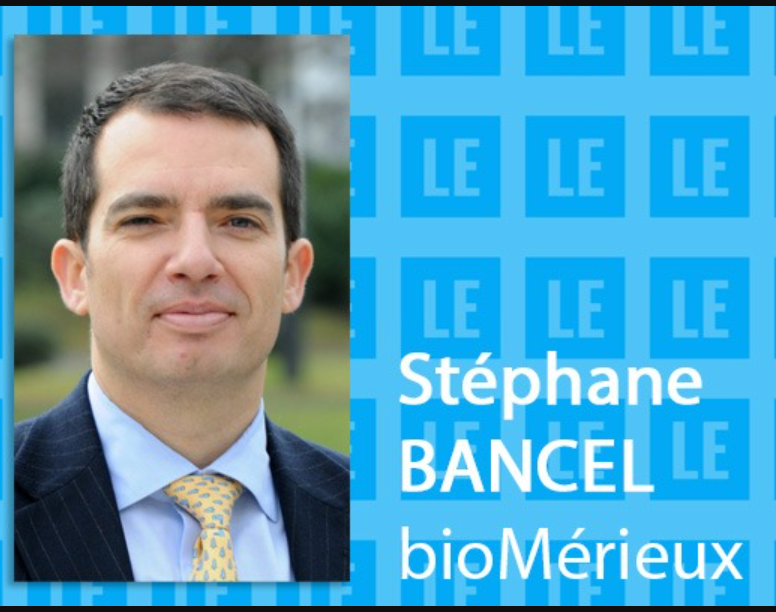
Moderna CEO Stephane Bancel was previously CEO of bioMerieux in France from 07-10.
Alain Merieux, who owns bioMerieux, was instrumental in the creation of the Wuhan Institute of Virology P4 Lab.
The same people who helped create the virus, also helped to create the vaccines...
Moderna partnered with French Pasteur Institute in 2015 to develop mRNA vaccine technology.
Pasteur Institute partnered with the Wuhan P4 Laboratory in 2017 along with the Merieux Foundation to study emerging viruses...
https://t.co/yFsHwrNYaK
https://t.co/9M5lydBKhM

Nobel prize winning scientist Luc Montagnier asserts that Sars-Cov-2 is man-made and originated from the Wuhan Institute of Virology.
Montagnier did extensive work with the Pasteur Institute in France which was partnered with the Wuhan P4.
Merieux Foundation & the Chinese government have worked together since 1965, and partnered to study emerging pathogens in Africa in 2015.
Their research included "PATHOGENS CARRIED BY BATS" that provoke respiratory diseases.
🚨🚨🚨
https://t.co/gVwpT0ssqI

Alain Merieux, who owns bioMerieux, was instrumental in the creation of the Wuhan Institute of Virology P4 Lab.
The same people who helped create the virus, also helped to create the vaccines...
Moderna partnered with French Pasteur Institute in 2015 to develop mRNA vaccine technology.
Pasteur Institute partnered with the Wuhan P4 Laboratory in 2017 along with the Merieux Foundation to study emerging viruses...
https://t.co/yFsHwrNYaK
https://t.co/9M5lydBKhM
Nobel prize winning scientist Luc Montagnier asserts that Sars-Cov-2 is man-made and originated from the Wuhan Institute of Virology.
Montagnier did extensive work with the Pasteur Institute in France which was partnered with the Wuhan P4.
Merieux Foundation & the Chinese government have worked together since 1965, and partnered to study emerging pathogens in Africa in 2015.
Their research included "PATHOGENS CARRIED BY BATS" that provoke respiratory diseases.
🚨🚨🚨
https://t.co/gVwpT0ssqI

“We don’t negotiate salaries” is a negotiation tactic.
Always. No, your company is not an exception.
A tactic I don’t appreciate at all because of how unfairly it penalizes low-leverage, junior employees, and those loyal enough not to question it, but that’s negotiation for you after all. Weaponized information asymmetry.
Listen to Aditya
And by the way, you should never be worried that an offer would be withdrawn if you politely negotiate.
I have seen this happen *extremely* rarely, mostly to women, and anyway is a giant red flag. It suggests you probably didn’t want to work there.
You wish there was no negotiating so it would all be more fair? I feel you, but it’s not happening.
Instead, negotiate hard, use your privilege, and then go and share numbers with your underrepresented and underpaid colleagues. […]
Always. No, your company is not an exception.
A tactic I don’t appreciate at all because of how unfairly it penalizes low-leverage, junior employees, and those loyal enough not to question it, but that’s negotiation for you after all. Weaponized information asymmetry.
Listen to Aditya
"we don't negotiate salaries" really means "we'd prefer to negotiate massive signing bonuses and equity grants, but we'll negotiate salary if you REALLY insist" https://t.co/80k7nWAMoK
— Aditya Mukerjee, the Otterrific \U0001f3f3\ufe0f\u200d\U0001f308 (@chimeracoder) December 4, 2018
And by the way, you should never be worried that an offer would be withdrawn if you politely negotiate.
I have seen this happen *extremely* rarely, mostly to women, and anyway is a giant red flag. It suggests you probably didn’t want to work there.
You wish there was no negotiating so it would all be more fair? I feel you, but it’s not happening.
Instead, negotiate hard, use your privilege, and then go and share numbers with your underrepresented and underpaid colleagues. […]
