Thread. 1) Thirty or forty years ago, supporting free speech was understood to be a non-negotiable core value of the liberal left.
More from Politics

Handy guide for Dominic Raab and other Brexiteers, and for anyone keen to replace our EU trade with trade with the rest of the world on WTO terms...
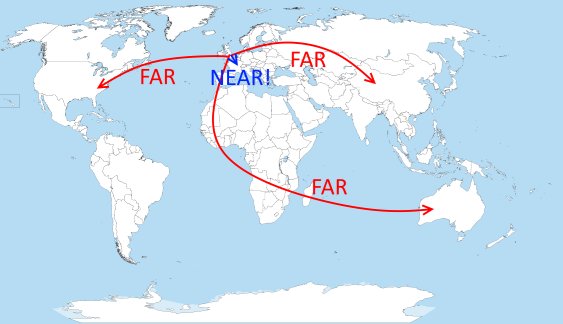
You can't magic away the vast distances involved. Clue: we fly in only 1/192th of our trade compared to the amount that arrives via sea
But even if you invented a teleporter tomorrow, WTO terms are so bad, so stacked against us, that a no-deal Brexit will be a total economic disaster
And while the Brexiteers fantasise, real jobs are being lost, investments are drying up, companies are moving assets to the EU27 or redomiciling. All already happened and happening right now, not in some mythical
Of course, there are many, many myths that Brexiteers perpetuate that are total fiction. You've seen a couple of them already. The thread below busts a whole lot
You can't magic away the vast distances involved. Clue: we fly in only 1/192th of our trade compared to the amount that arrives via sea
In 2016, the UK transported 484,000,000 tons of freight by sea, but just 2,511,000 tons by air (192x less than by sea). Therefore absurd to think of simply substituting air freight for sea freight (e.g. if we have to fly in food or medicines because of post-Brexit jams at ports)
— Edwin Hayward (@uk_domain_names) October 28, 2018
But even if you invented a teleporter tomorrow, WTO terms are so bad, so stacked against us, that a no-deal Brexit will be a total economic disaster
Here's the truth about Brexit, the "punishment" some people claim the EU wants to inflict on us, the full horrific consequences of no deal, and the dangers lurking behind any deal we reach. Buckle in, it's pretty long. Better to be thorough than to leave anything out. 1/47
— Edwin Hayward (@uk_domain_names) October 14, 2018
And while the Brexiteers fantasise, real jobs are being lost, investments are drying up, companies are moving assets to the EU27 or redomiciling. All already happened and happening right now, not in some mythical
Ok, it's high time to look at the REAL effects of Brexit. As the Tories implode & Labour sits on its hands, companies are executing contingency plans, shifting jobs & assets, slashing investments, or redomiciling (accounting exercise). Happening NOW, not in a fantasy future. 1/95
— Edwin Hayward (@uk_domain_names) November 14, 2018
Of course, there are many, many myths that Brexiteers perpetuate that are total fiction. You've seen a couple of them already. The thread below busts a whole lot
Unicorn Shredder: Hard Brexit Truths
— Edwin Hayward (@uk_domain_names) November 15, 2018
- The major economic harm Brexit is already inflicting on the UK
- Reality of "no deal" & WTO terms
- EU "punishment" narrative
- Endangered industries: automotive & haulage
+ much, much more...
(Each tweet is a self-contained thread.)