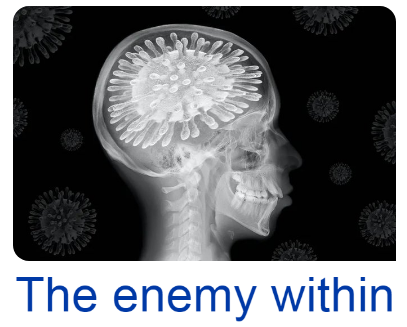
Happy Monday! Dominion Voting Systems is suing Rudy Giuliani for $1.3 billion.
As Akiva notes, the legal question is going to boil down to something known as "actual malice."
That's a tricky concept for nonlawyers (and often for lawyers) so an explainer might help.
So Dominion sued Rudy for defamation. How are they ever going to allege actual malice? https://t.co/p8d3flDkGm
— Akiva Cohen (@AkivaMCohen) January 25, 2021
If you want to win a defamation case, you have to prove:
(1) that defendant made a false and defamatory statement about you;
(2) to a third party without privilege;
(3) with the required degree of fault;
(4) causing you to suffer damage.
I've been flipping through defamation cases from the court where this case was filed. I'm finding lots of cases that were dismissed because actual malice wasn't adequately pled. I've not yet found one where a case survived.
OK - just found a case where a defamation claim survived a motion to dismiss in D. DC. Let's take a look at what that required.
And even there, the court called it a "close question."
So I hope you can see why, even though the claims are insane and it's clear that Rudy at least should have known they were false, a lot of lawyers are still skeptical of Dominion's chances.
More from Mike Dunford
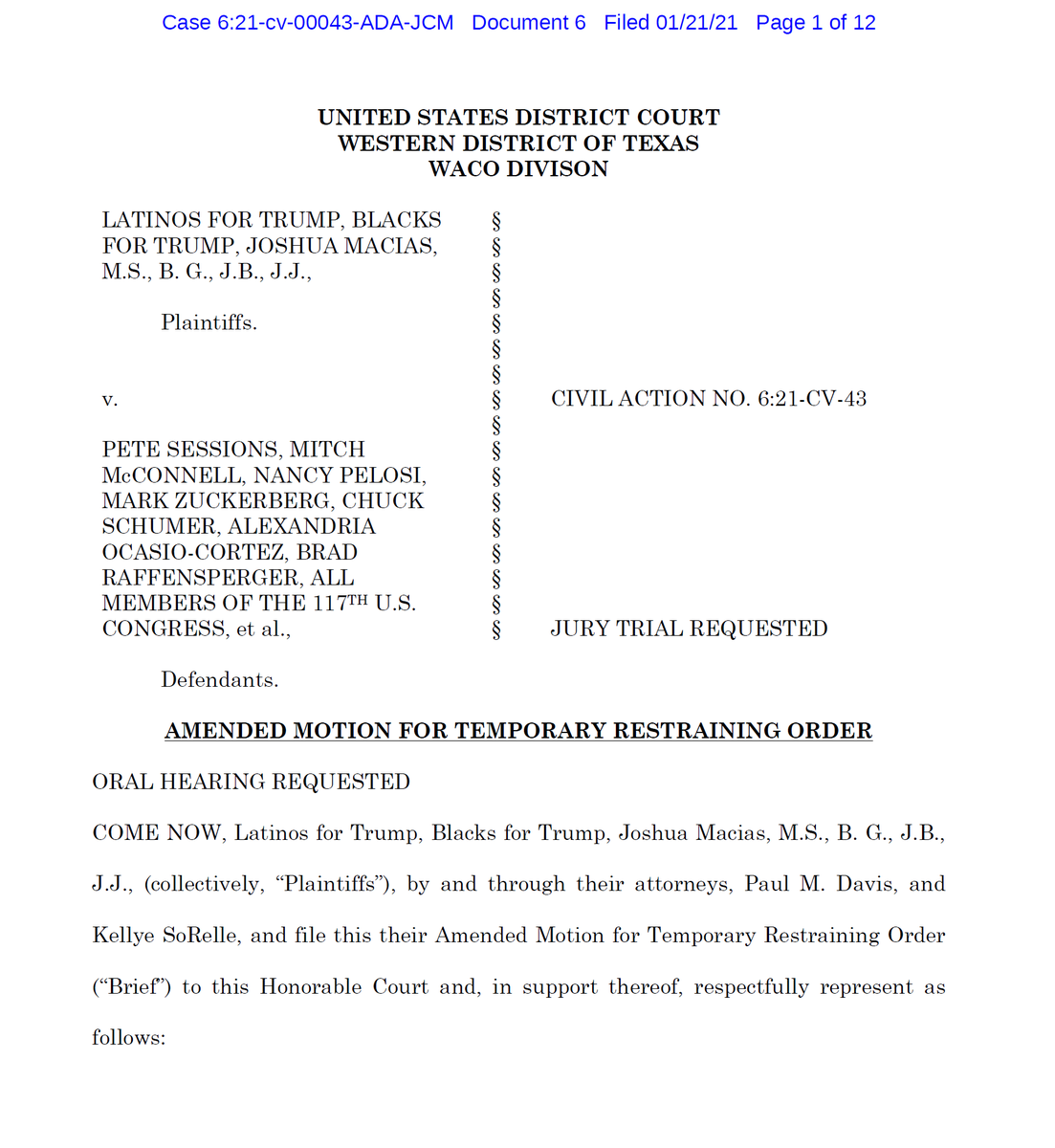
Yes, I have seen the thing about Texas suing other states over the election. Yes, the US Supreme Court has original and exclusive jurisdiction over cases between states.
No, this is not a thing that will change the election. At all.
If this is real - and I do emphasize the if - it is posturing by the elected Republican "leadership" of Texas in an attempt to pander to a base that has degraded from merely deplorable to utterly despicable.
Apparently, it is real. For a given definition of real, anyway. As Steve notes, the Texas Solicitor General - that's the lawyer who is supposed to represent the state in cases like this - has noped out and the AG is counsel of
Although - again - I'm curious as to the source. I'm seeing no press release on the Texas AG's site; I'm wondering if this might not be a document released by whoever the "special counsel" to the AG is - strange situation.
Doesn't matter. The Supreme Court is Supremely Unlikely to take this case - their jurisdiction is exclusive, but it's also discretionary.
Meaning, for nonlawyers:
SCOTUS is the only place where one state can sue another, but SCOTUS can and often does decline to take the case.
No, this is not a thing that will change the election. At all.
If this is real - and I do emphasize the if - it is posturing by the elected Republican "leadership" of Texas in an attempt to pander to a base that has degraded from merely deplorable to utterly despicable.
Apparently, it is real. For a given definition of real, anyway. As Steve notes, the Texas Solicitor General - that's the lawyer who is supposed to represent the state in cases like this - has noped out and the AG is counsel of
It looks like we have a new leader in the \u201ccraziest lawsuit filed to purportedly challenge the election\u201d category:
— Steve Vladeck (@steve_vladeck) December 8, 2020
The State of Texas is suing Pennsylvania, Georgia, Michigan, and Wisconsin *directly* in #SCOTUS.
(Spoiler alert: The Court is *never* going to hear this one.) pic.twitter.com/2L4GmdCB6I
Although - again - I'm curious as to the source. I'm seeing no press release on the Texas AG's site; I'm wondering if this might not be a document released by whoever the "special counsel" to the AG is - strange situation.
Doesn't matter. The Supreme Court is Supremely Unlikely to take this case - their jurisdiction is exclusive, but it's also discretionary.
Meaning, for nonlawyers:
SCOTUS is the only place where one state can sue another, but SCOTUS can and often does decline to take the case.
Election Litigation Update: DC - the "let's sue the Electoral College" case.
This is a bit surprising, given that as of last time I checked nobody had been served and no appearance had been entered. I suspect it's an effort to make sure the case isn't "pending" on the 6th.
And, sure enough, still no proof of service on ANY defendant, still no appearance from defense counsel. And this is denying the motion for preliminary injunction but does NOT dismiss the case - which is potentially ominous for plaintiff's counsel.

This isn't a "happy judge" kind of first paragraph. Not even a little bit. Nope.

Y'all, this isn't even directed within a few hundred miles of my direction and I sill just instinctively checked to make sure that there's room for me to hide under my desk if I have to - this is a very not happy, very federal, very judge tone.

Also - the judge just outright said there's a bunch of reasons for dismissal. And not in "might be" terms. In definite fact ones. But the case isn't dismissed yet.
If I was plaintiffs counsel, I'd definitely be clearing under my desk right now, and possibly also my underwear.
This is a bit surprising, given that as of last time I checked nobody had been served and no appearance had been entered. I suspect it's an effort to make sure the case isn't "pending" on the 6th.
Link: https://t.co/oOJZD1F4x2
— Brad Heath (@bradheath) January 4, 2021
And, sure enough, still no proof of service on ANY defendant, still no appearance from defense counsel. And this is denying the motion for preliminary injunction but does NOT dismiss the case - which is potentially ominous for plaintiff's counsel.
This isn't a "happy judge" kind of first paragraph. Not even a little bit. Nope.
Y'all, this isn't even directed within a few hundred miles of my direction and I sill just instinctively checked to make sure that there's room for me to hide under my desk if I have to - this is a very not happy, very federal, very judge tone.
Also - the judge just outright said there's a bunch of reasons for dismissal. And not in "might be" terms. In definite fact ones. But the case isn't dismissed yet.
If I was plaintiffs counsel, I'd definitely be clearing under my desk right now, and possibly also my underwear.


More from Politics


Funny, before the election I recall lefties muttering the caravan must have been a Trump setup because it made the open borders crowd look so bad. Why would the pro-migrant crowd engineer a crisis that played into Trump's hands? THIS is why. THESE are the "optics" they wanted.
This media manipulation effort was inspired by the success of the "kids in cages" freakout, a 100% Stalinist propaganda drive that required people to forget about Obama putting migrant children in cells. It worked, so now they want pics of Trump "gassing children on the border."
There's a heavy air of Pallywood around the whole thing as well. If the Palestinians can stage huge theatrical performances of victimhood with the willing cooperation of Western media, why shouldn't the migrant caravan organizers expect the same?
It's business as usual for Anarchy, Inc. - the worldwide shredding of national sovereignty to increase the power of transnational organizations and left-wing ideology. Many in the media are true believers. Others just cannot resist the narrative of "change" and "social justice."
The product sold by Anarchy, Inc. is victimhood. It always boils down to the same formula: once the existing order can be painted as oppressors and children as their victims, chaos wins and order loses. Look at the lefties shrieking in unison about "Trump gassing children" today.
Funny there are those who think these migrant caravans were a FANTASTIC idea that's going to take the immigration issue away from you.
— Brian Cates (@drawandstrike) November 26, 2018
Like several weeks watching a rampaging horde storm the fences & throw rocks at our border patrol agents & getting gassed = great optics!
This media manipulation effort was inspired by the success of the "kids in cages" freakout, a 100% Stalinist propaganda drive that required people to forget about Obama putting migrant children in cells. It worked, so now they want pics of Trump "gassing children on the border."
There's a heavy air of Pallywood around the whole thing as well. If the Palestinians can stage huge theatrical performances of victimhood with the willing cooperation of Western media, why shouldn't the migrant caravan organizers expect the same?
It's business as usual for Anarchy, Inc. - the worldwide shredding of national sovereignty to increase the power of transnational organizations and left-wing ideology. Many in the media are true believers. Others just cannot resist the narrative of "change" and "social justice."
The product sold by Anarchy, Inc. is victimhood. It always boils down to the same formula: once the existing order can be painted as oppressors and children as their victims, chaos wins and order loses. Look at the lefties shrieking in unison about "Trump gassing children" today.

THREAD
1)
@SidneyPowell1 reflects on #Iran’s meddling in the U.S. in a recent tweet to U.S. President Donald Trump.
This thread focuses on Iran’s dangerous influence in the U.S., especially through its DC-based lobby group
2)
Why is this important?
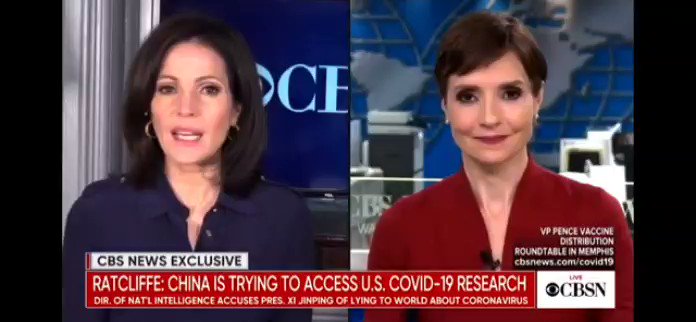
@DNI_Ratcliffe "told CBS News that there was foreign election interference by China, #Iran & Russia in November of this year [2020]."
All Americans should be informed about how Iran & its lobby group NIAC are meddling in the
3)
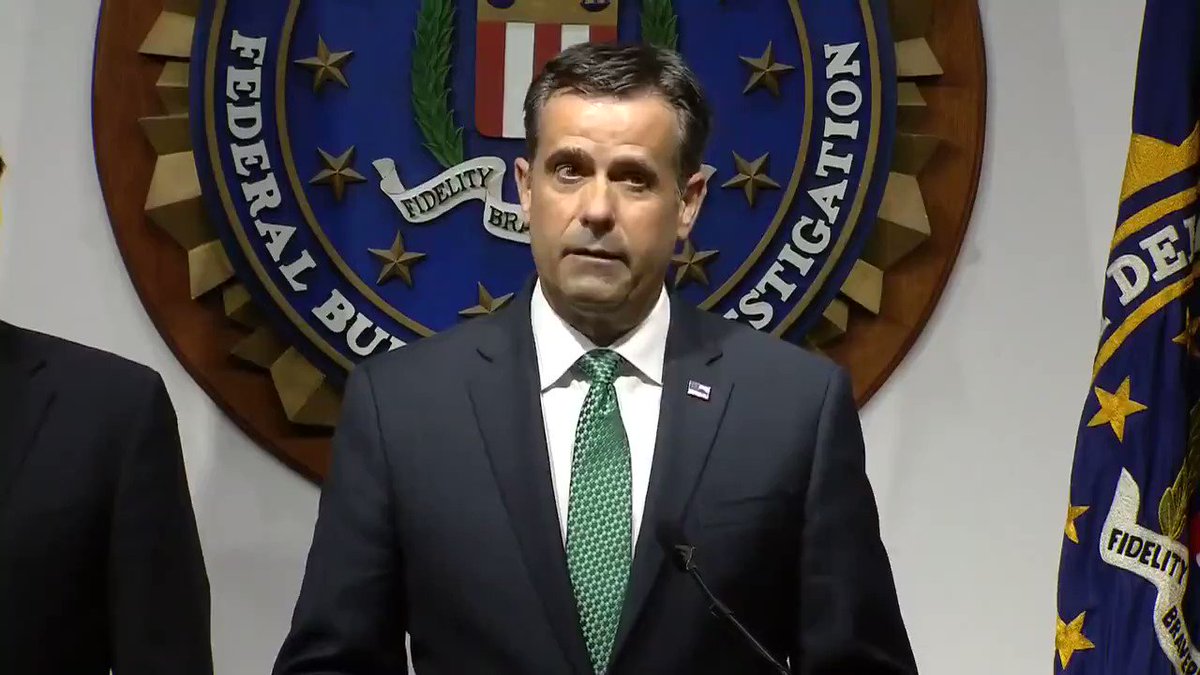
#Iran has been increasingly aiming to interfere in U.S. elections specifically through NIAC.
DNI John Ratcliffe had previously shed light on this vital
4)
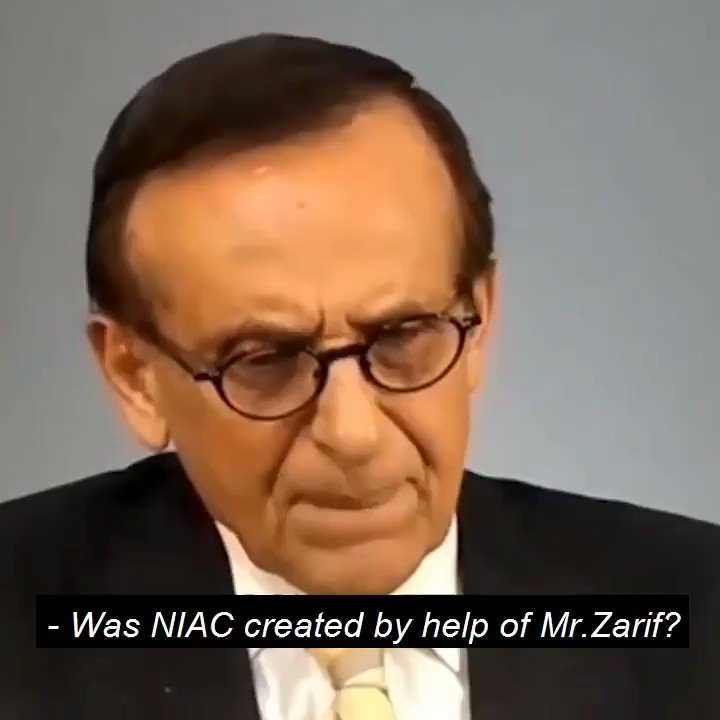
NIAC is a lobby group in the U.S. pushing Iran’s talking points.
Listen to this Iranian regime insider explain that NIAC was established by @JZarif, the foreign minister of
5)
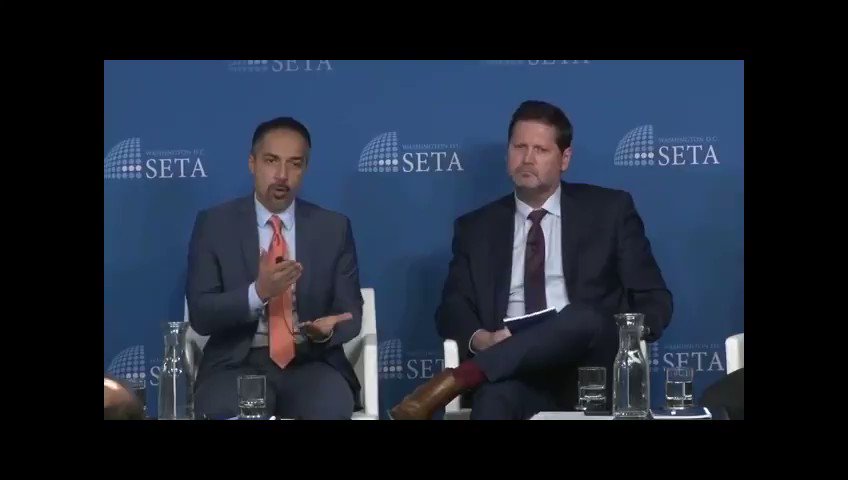
@tparsi is the official founder of NIAC in the U.S.
Listen to how Trita Parsi parrots Zarif’s talking
1)
@SidneyPowell1 reflects on #Iran’s meddling in the U.S. in a recent tweet to U.S. President Donald Trump.
This thread focuses on Iran’s dangerous influence in the U.S., especially through its DC-based lobby group
Dear @realDonaldTrump
— Sidney Powell \U0001f1fa\U0001f1f8\u2b50\u2b50\u2b50 (@SidneyPowell1) December 23, 2020
#China and #Iran stole this election from the #American people
who voted for you in a world-record landslide!
We must expose all the corruption and restore the Republic now
There will never be a free and fair election if we don\u2019t end the rigging now \U0001f1fa\U0001f1f8 pic.twitter.com/2t707xN0ar
2)
Why is this important?
@DNI_Ratcliffe "told CBS News that there was foreign election interference by China, #Iran & Russia in November of this year [2020]."
All Americans should be informed about how Iran & its lobby group NIAC are meddling in the
3)
#Iran has been increasingly aiming to interfere in U.S. elections specifically through NIAC.
DNI John Ratcliffe had previously shed light on this vital
4)
NIAC is a lobby group in the U.S. pushing Iran’s talking points.
Listen to this Iranian regime insider explain that NIAC was established by @JZarif, the foreign minister of
5)
@tparsi is the official founder of NIAC in the U.S.
Listen to how Trita Parsi parrots Zarif’s talking


You May Also Like

Master Thread of all my threads!
Hello!! 👋
• I have curated some of the best tweets from the best traders we know of.
• Making one master thread and will keep posting all my threads under this.
• Go through this for super learning/value totally free of cost! 😃
1. 7 FREE OPTION TRADING COURSES FOR
2. THE ABSOLUTE BEST 15 SCANNERS EXPERTS ARE USING
Got these scanners from the following accounts:
1. @Pathik_Trader
2. @sanjufunda
3. @sanstocktrader
4. @SouravSenguptaI
5. @Rishikesh_ADX
3. 12 TRADING SETUPS which experts are using.
These setups I found from the following 4 accounts:
1. @Pathik_Trader
2. @sourabhsiso19
3. @ITRADE191
4.
4. Curated tweets on HOW TO SELL STRADDLES.
Everything covered in this thread.
1. Management
2. How to initiate
3. When to exit straddles
4. Examples
5. Videos on
Hello!! 👋
• I have curated some of the best tweets from the best traders we know of.
• Making one master thread and will keep posting all my threads under this.
• Go through this for super learning/value totally free of cost! 😃
1. 7 FREE OPTION TRADING COURSES FOR
A THREAD:
— Aditya Todmal (@AdityaTodmal) November 28, 2020
7 FREE OPTION TRADING COURSES FOR BEGINNERS.
Been getting lot of dm's from people telling me they want to learn option trading and need some recommendations.
Here I'm listing the resources every beginner should go through to shorten their learning curve.
(1/10)
2. THE ABSOLUTE BEST 15 SCANNERS EXPERTS ARE USING
Got these scanners from the following accounts:
1. @Pathik_Trader
2. @sanjufunda
3. @sanstocktrader
4. @SouravSenguptaI
5. @Rishikesh_ADX
The absolute best 15 scanners which experts are using.
— Aditya Todmal (@AdityaTodmal) January 29, 2021
Got these scanners from the following accounts:
1. @Pathik_Trader
2. @sanjufunda
3. @sanstocktrader
4. @SouravSenguptaI
5. @Rishikesh_ADX
Share for the benefit of everyone.
3. 12 TRADING SETUPS which experts are using.
These setups I found from the following 4 accounts:
1. @Pathik_Trader
2. @sourabhsiso19
3. @ITRADE191
4.
12 TRADING SETUPS which experts are using.
— Aditya Todmal (@AdityaTodmal) February 7, 2021
These setups I found from the following 4 accounts:
1. @Pathik_Trader
2. @sourabhsiso19
3. @ITRADE191
4. @DillikiBiili
Share for the benefit of everyone.
4. Curated tweets on HOW TO SELL STRADDLES.
Everything covered in this thread.
1. Management
2. How to initiate
3. When to exit straddles
4. Examples
5. Videos on
Curated tweets on How to Sell Straddles
— Aditya Todmal (@AdityaTodmal) February 21, 2021
Everything covered in this thread.
1. Management
2. How to initiate
3. When to exit straddles
4. Examples
5. Videos on Straddles
Share if you find this knowledgeable for the benefit of others.