More from Nmdc
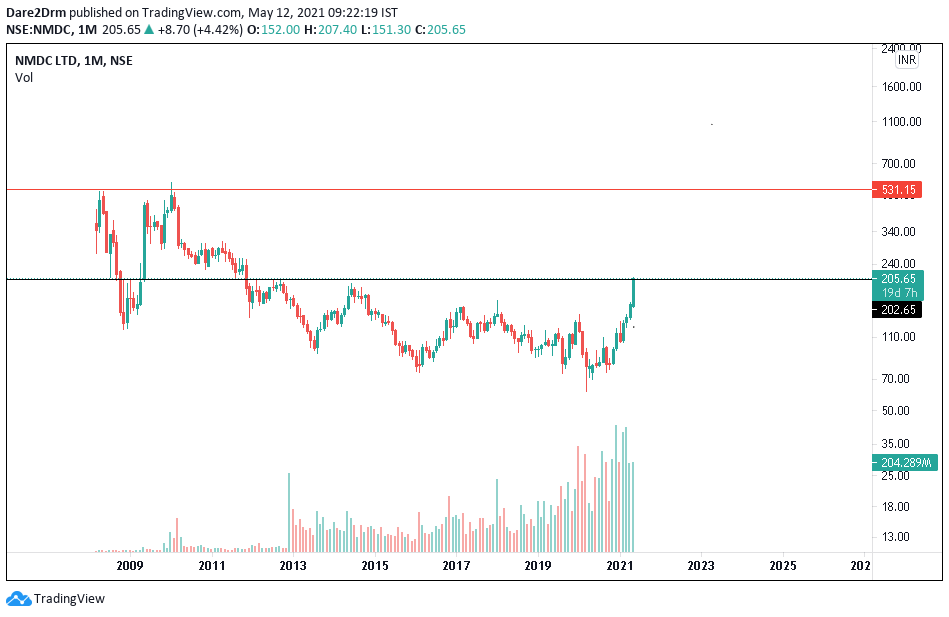
#NMDC the first targets done. 25% in one trading week. If the stocks breaks today low, watch out. A move above todays high - bigger targets open up.
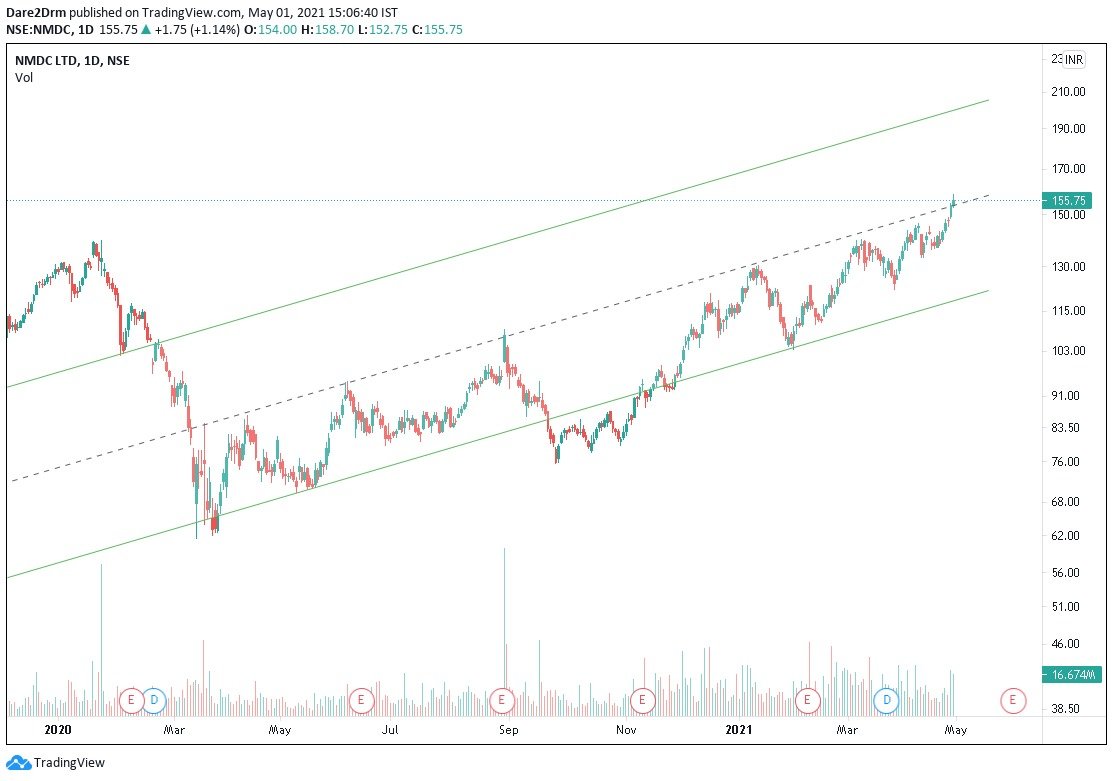
#NMDC the stock is at supports. A clean break out above 160, this could do well. My stops on this one could be 148, if the break out get triggered#Dare2DRM #Watchlist pic.twitter.com/pGG7qj5IhP
— Dare2Dream (@Dare2Dr10109801) May 1, 2021
NMDC from 154 to 178..up 16%...next major resistance at 200
NMDC (cmp154) has broken 7 years of falling resistance line supply zone with strong volumes ...140 strong support zone looks good in short to medium term
— Ashish Chaturmohta (@AshishChatur) April 30, 2021
China is discouraging exports, looking to support domestic demand while restricting supply to reduce emissions. pic.twitter.com/lrfHdOiZXx
You May Also Like
https://t.co/6cRR2B3jBE
Viruses and other pathogens are often studied as stand-alone entities, despite that, in nature, they mostly live in multispecies associations called biofilmsโboth externally and within the host.
https://t.co/FBfXhUrH5d
Microorganisms in biofilms are enclosed by an extracellular matrix that confers protection and improves survival. Previous studies have shown that viruses can secondarily colonize preexisting biofilms, and viral biofilms have also been described.
...we raise the perspective that CoVs can persistently infect bats due to their association with biofilm structures. This phenomenon potentially provides an optimal environment for nonpathogenic & well-adapted viruses to interact with the host, as well as for viral recombination.
Biofilms can also enhance virion viability in extracellular environments, such as on fomites and in aquatic sediments, allowing viral persistence and dissemination.
Viruses and other pathogens are often studied as stand-alone entities, despite that, in nature, they mostly live in multispecies associations called biofilmsโboth externally and within the host.
https://t.co/FBfXhUrH5d
Microorganisms in biofilms are enclosed by an extracellular matrix that confers protection and improves survival. Previous studies have shown that viruses can secondarily colonize preexisting biofilms, and viral biofilms have also been described.
...we raise the perspective that CoVs can persistently infect bats due to their association with biofilm structures. This phenomenon potentially provides an optimal environment for nonpathogenic & well-adapted viruses to interact with the host, as well as for viral recombination.
Biofilms can also enhance virion viability in extracellular environments, such as on fomites and in aquatic sediments, allowing viral persistence and dissemination.