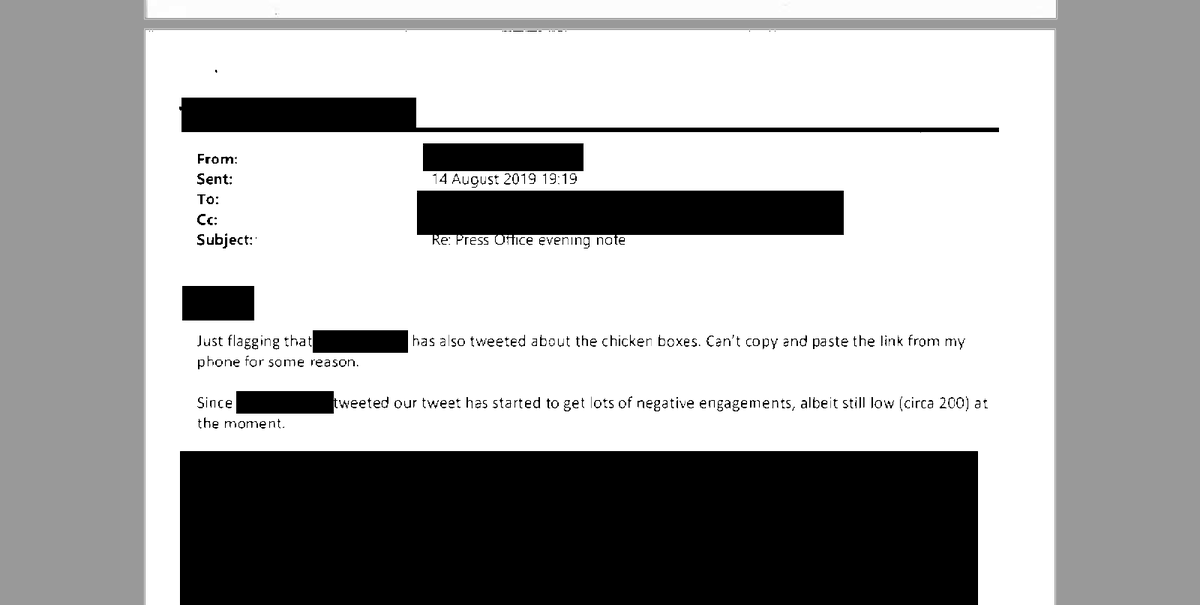
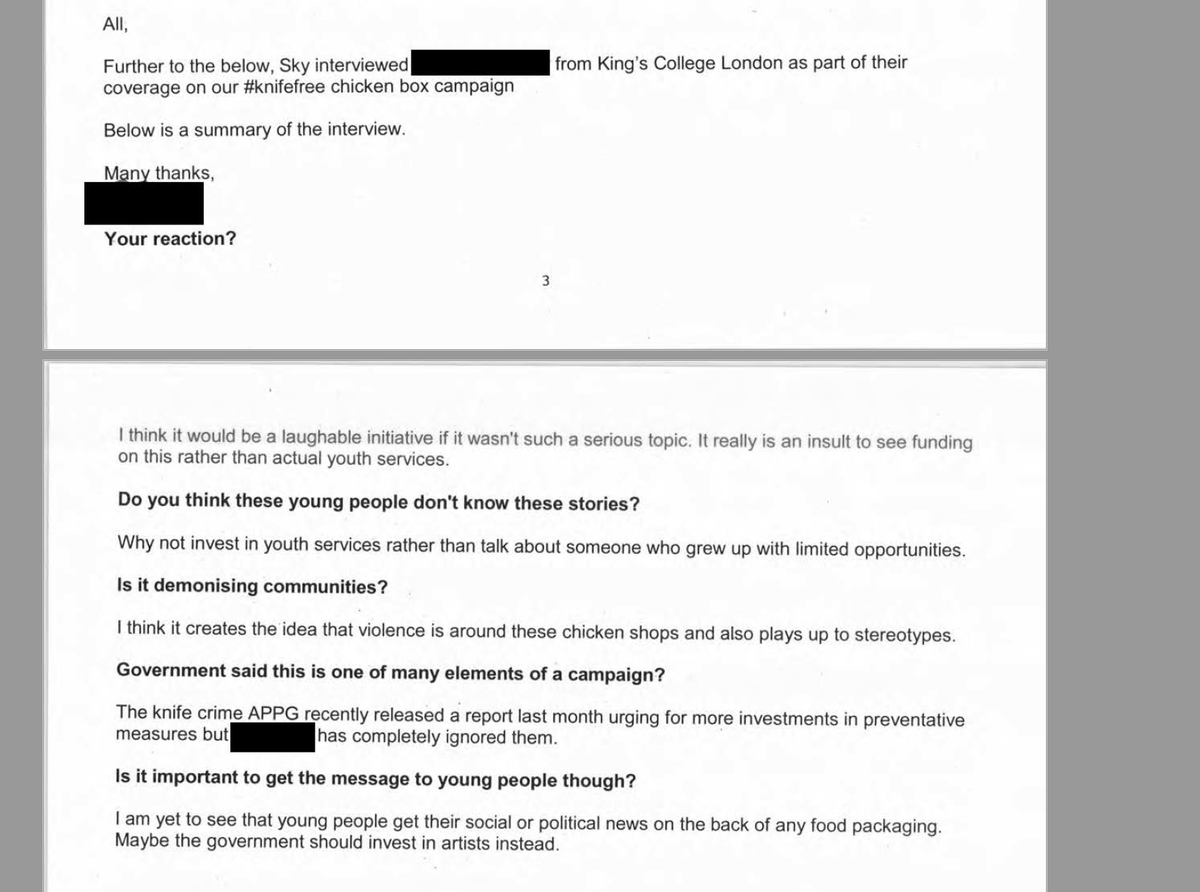
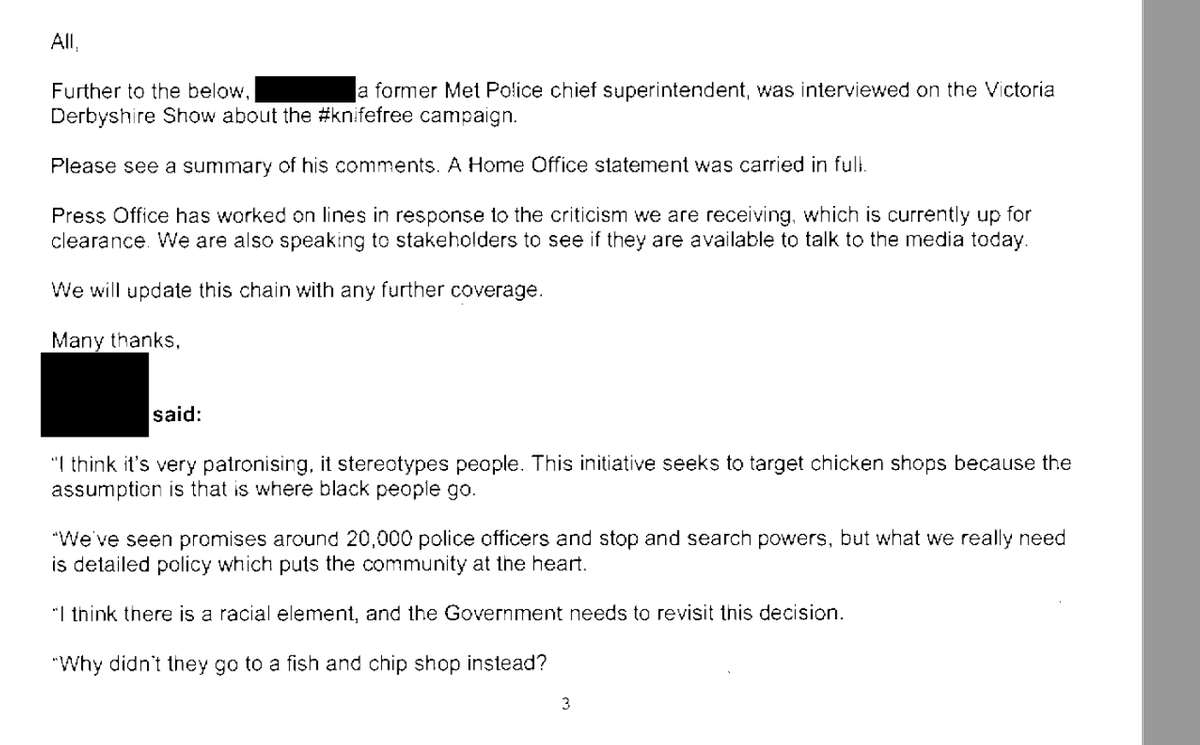
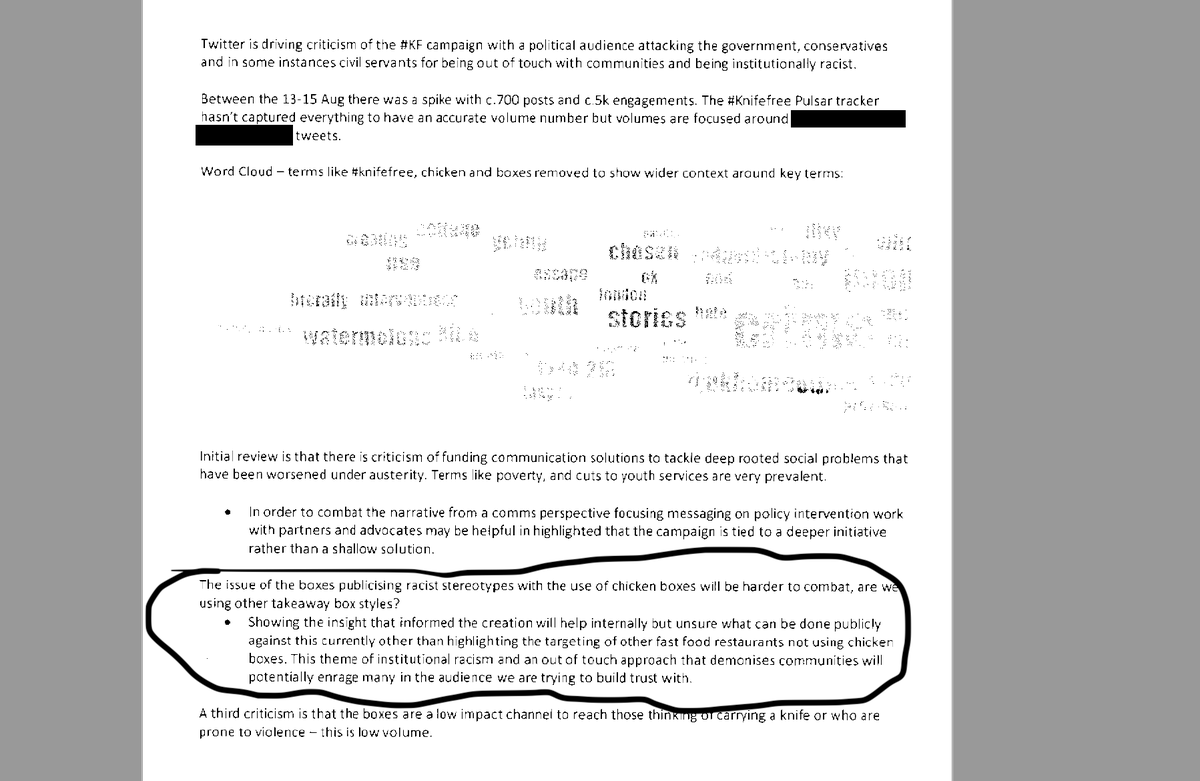
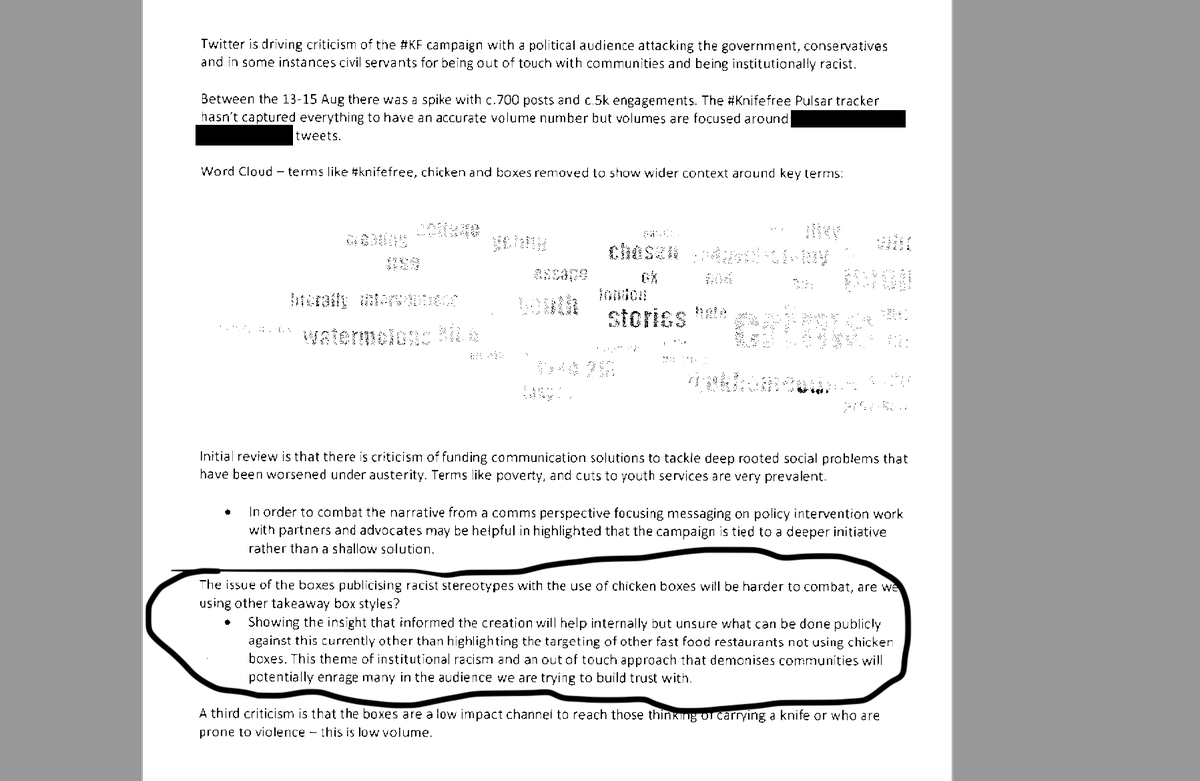
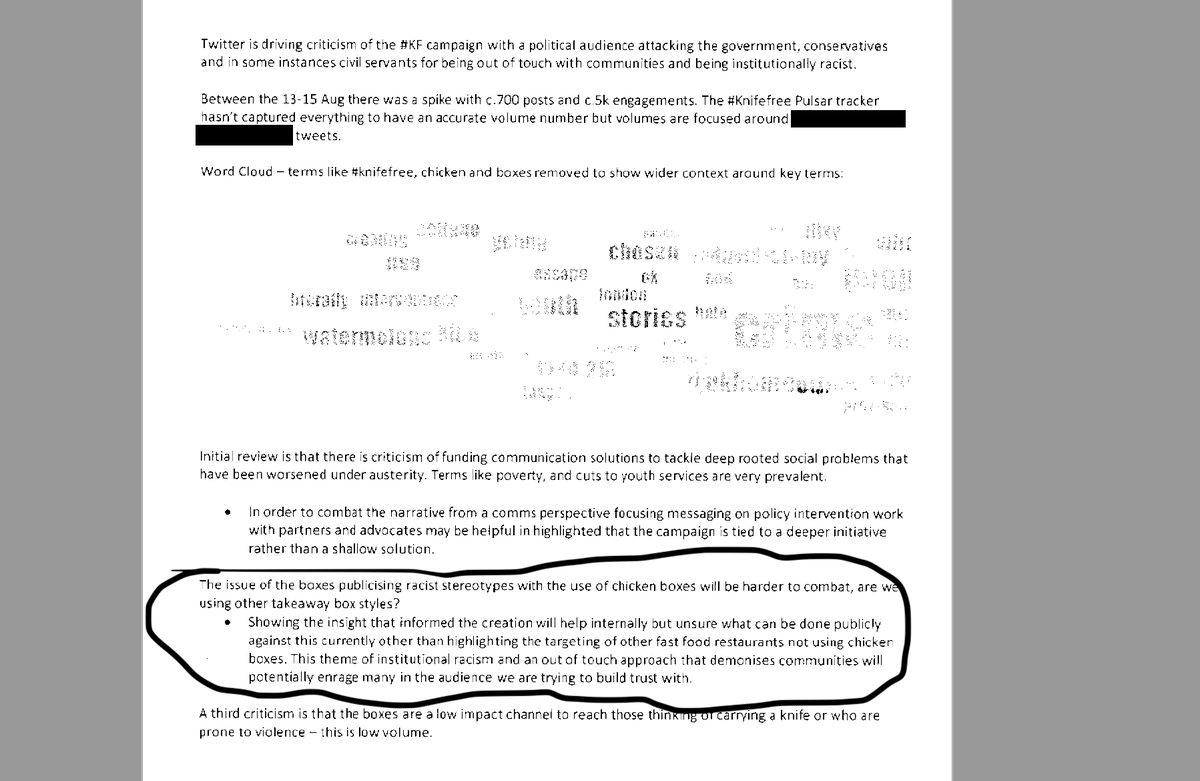
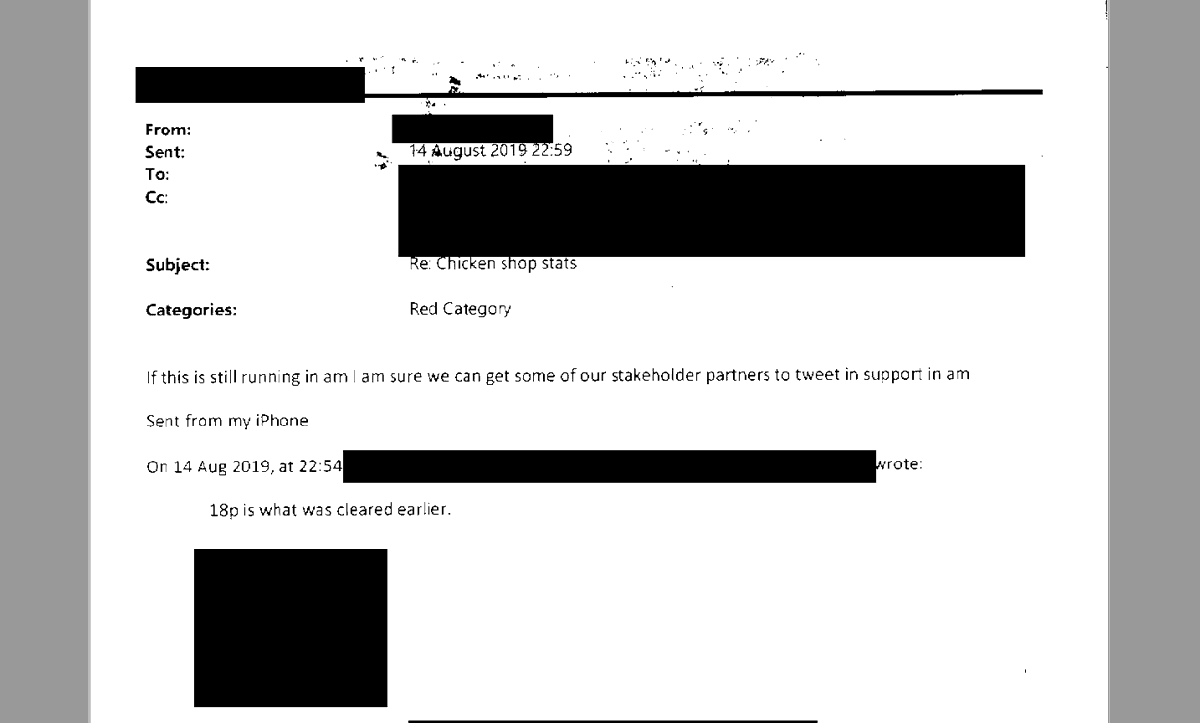
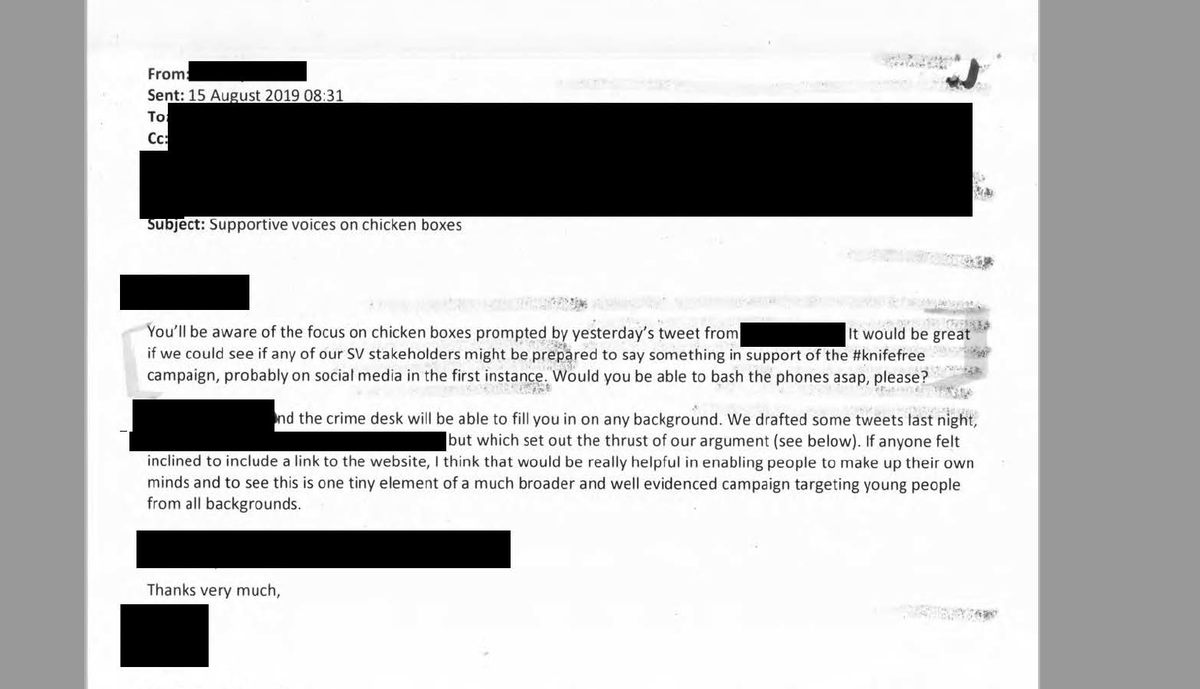
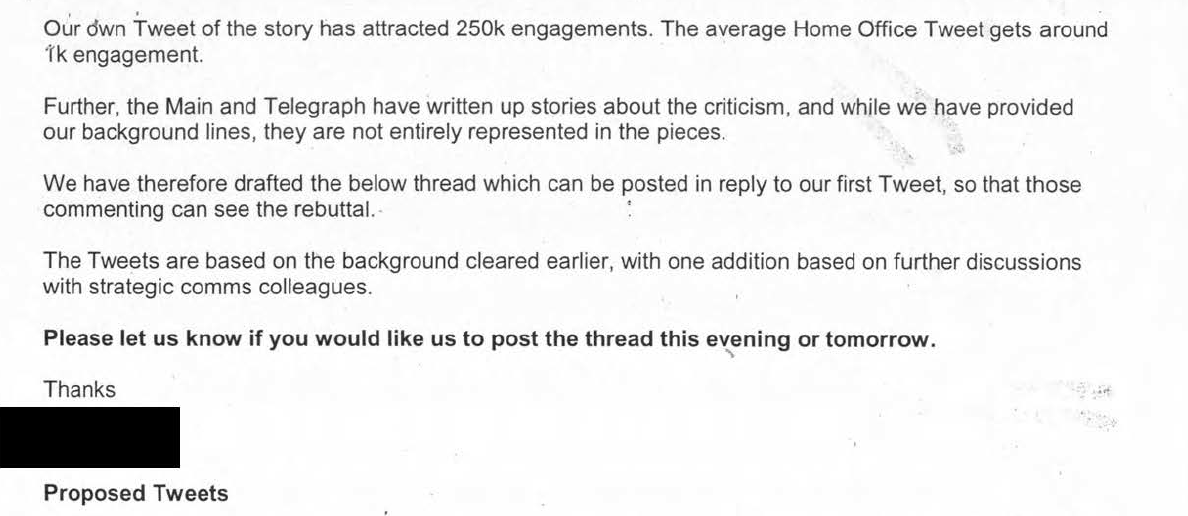
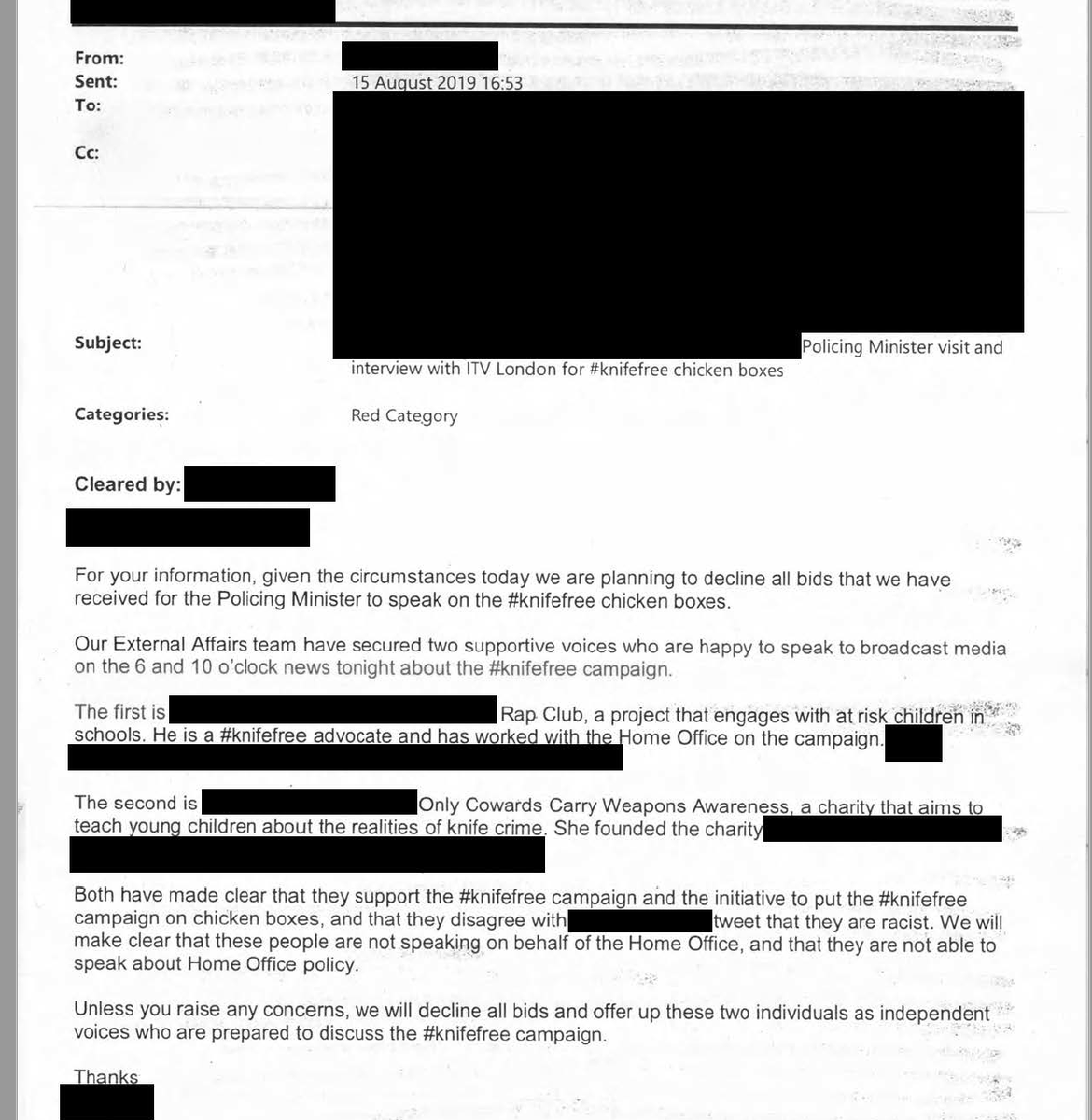
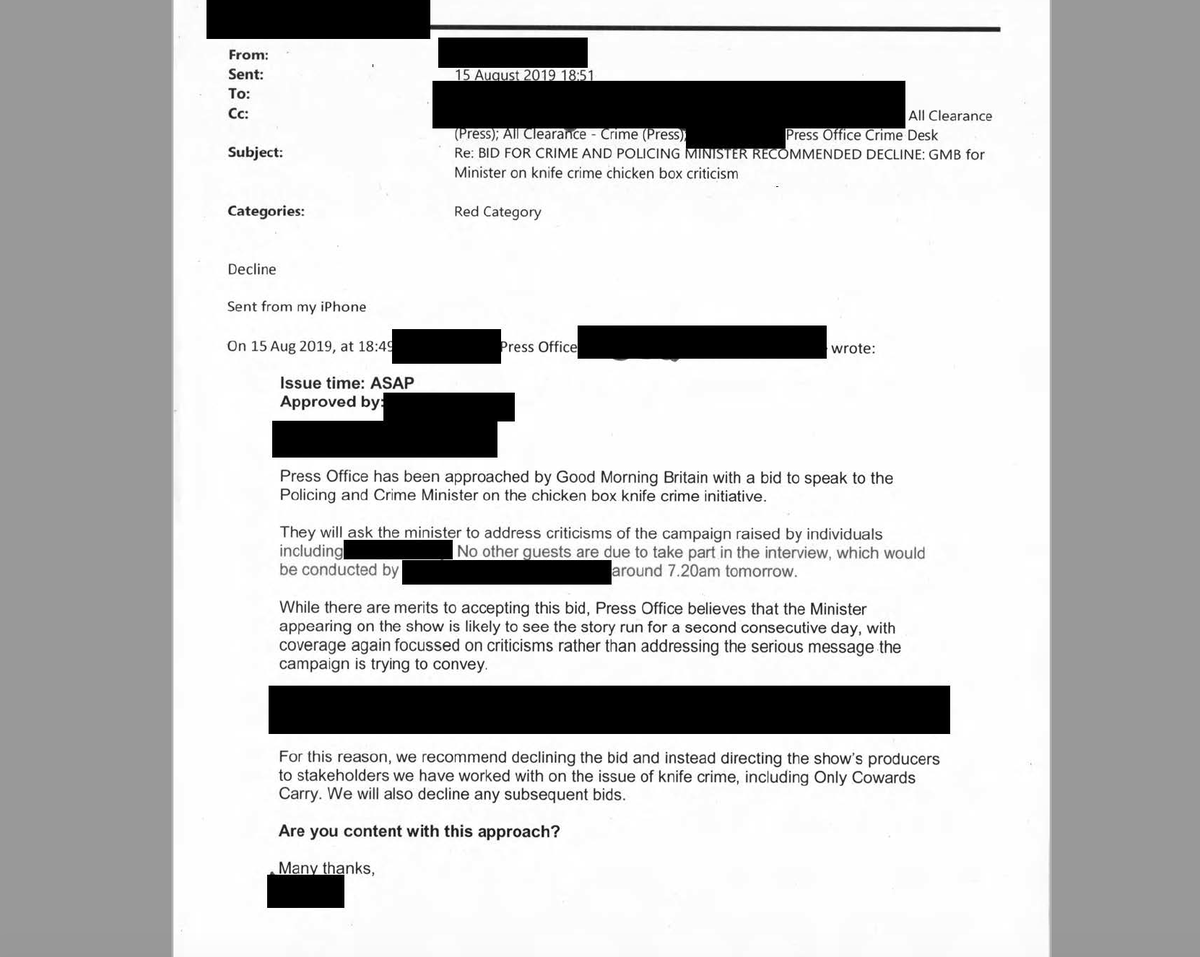
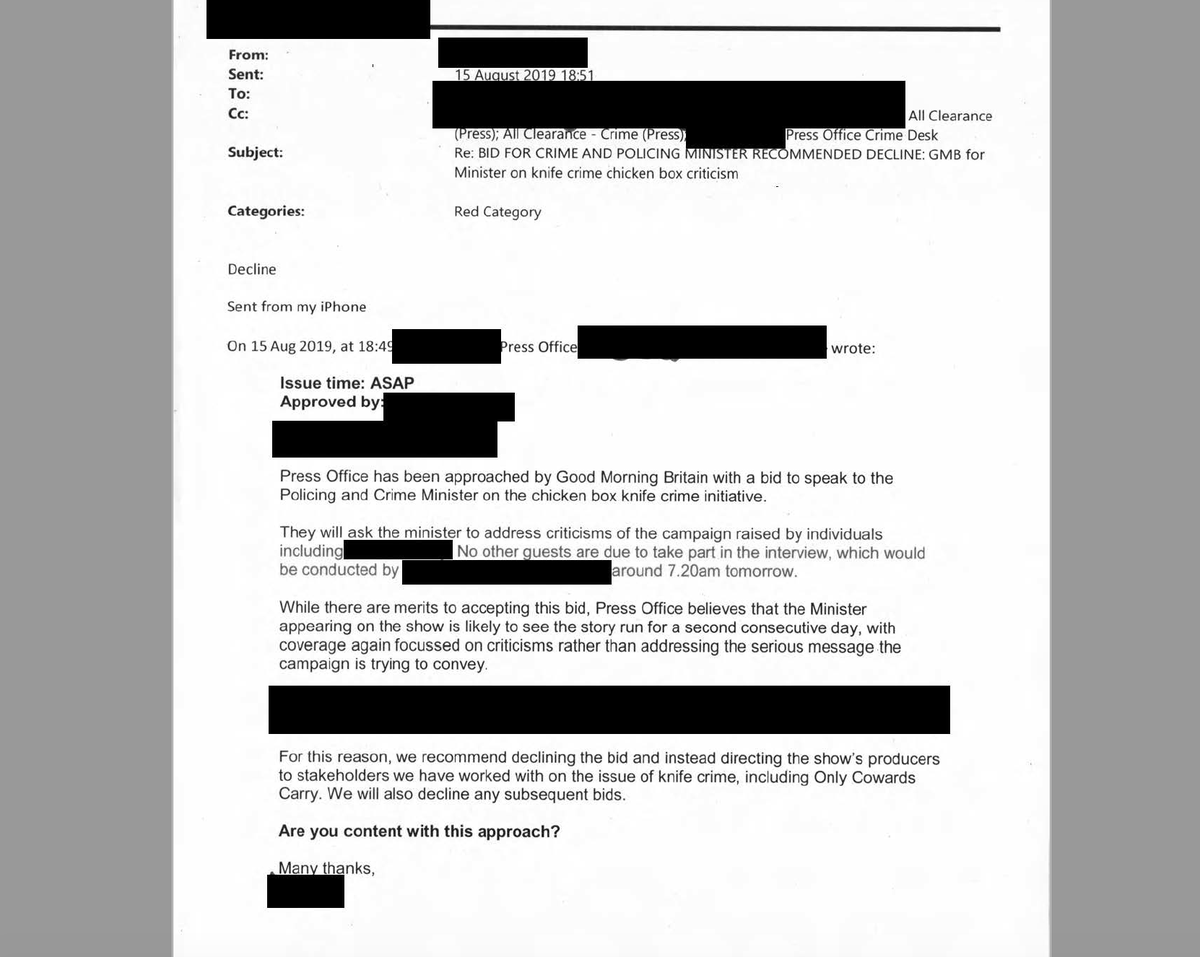
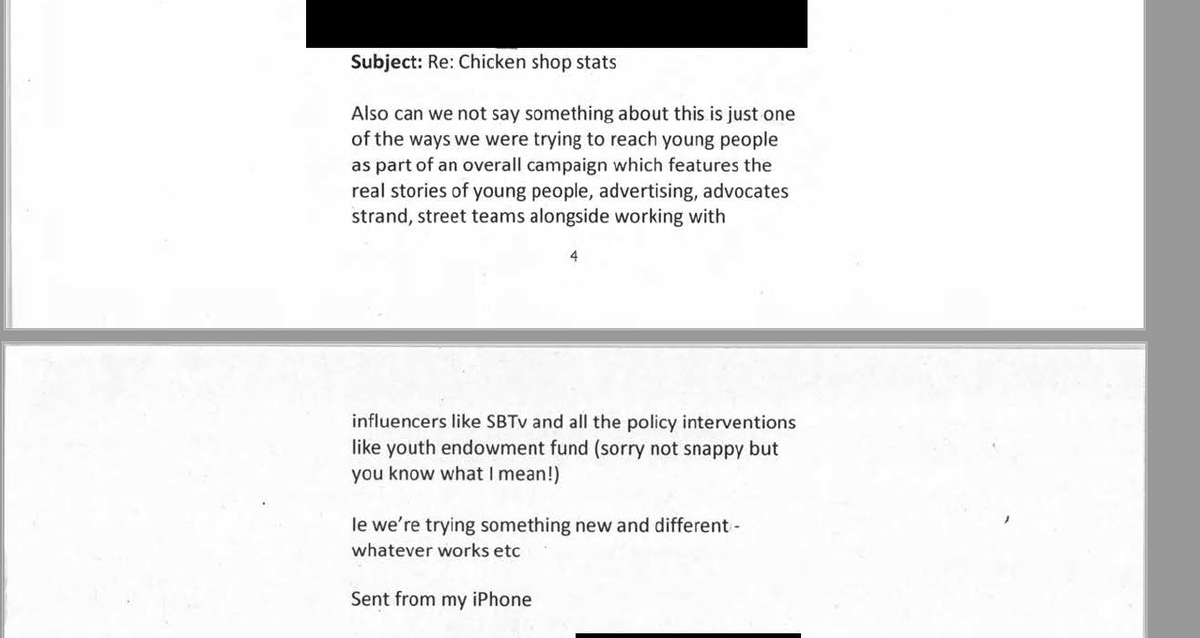
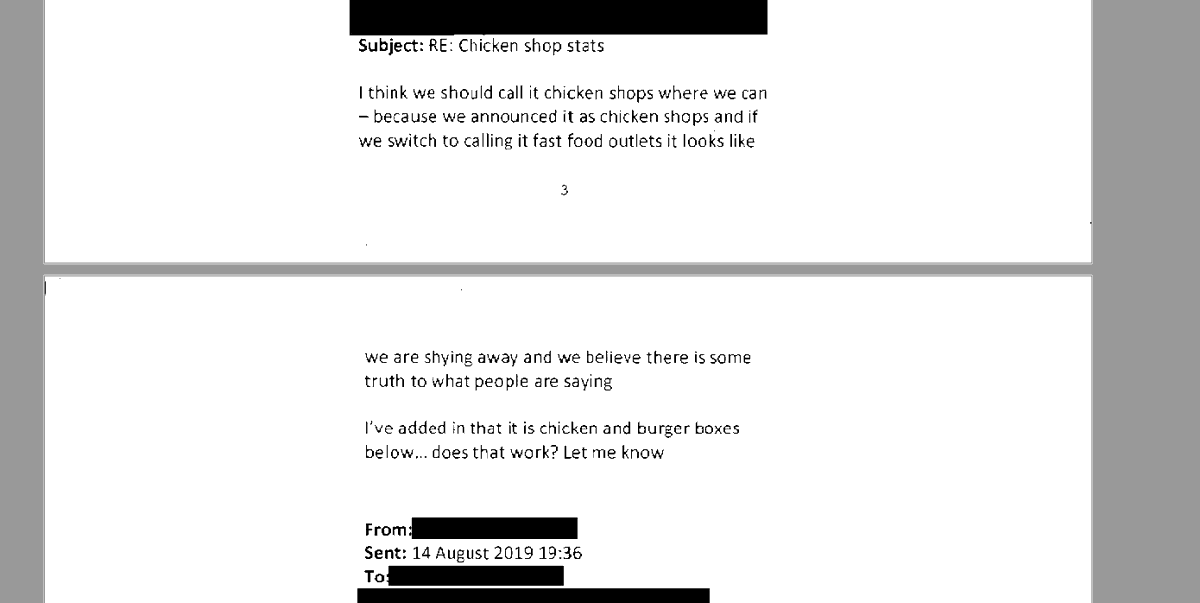
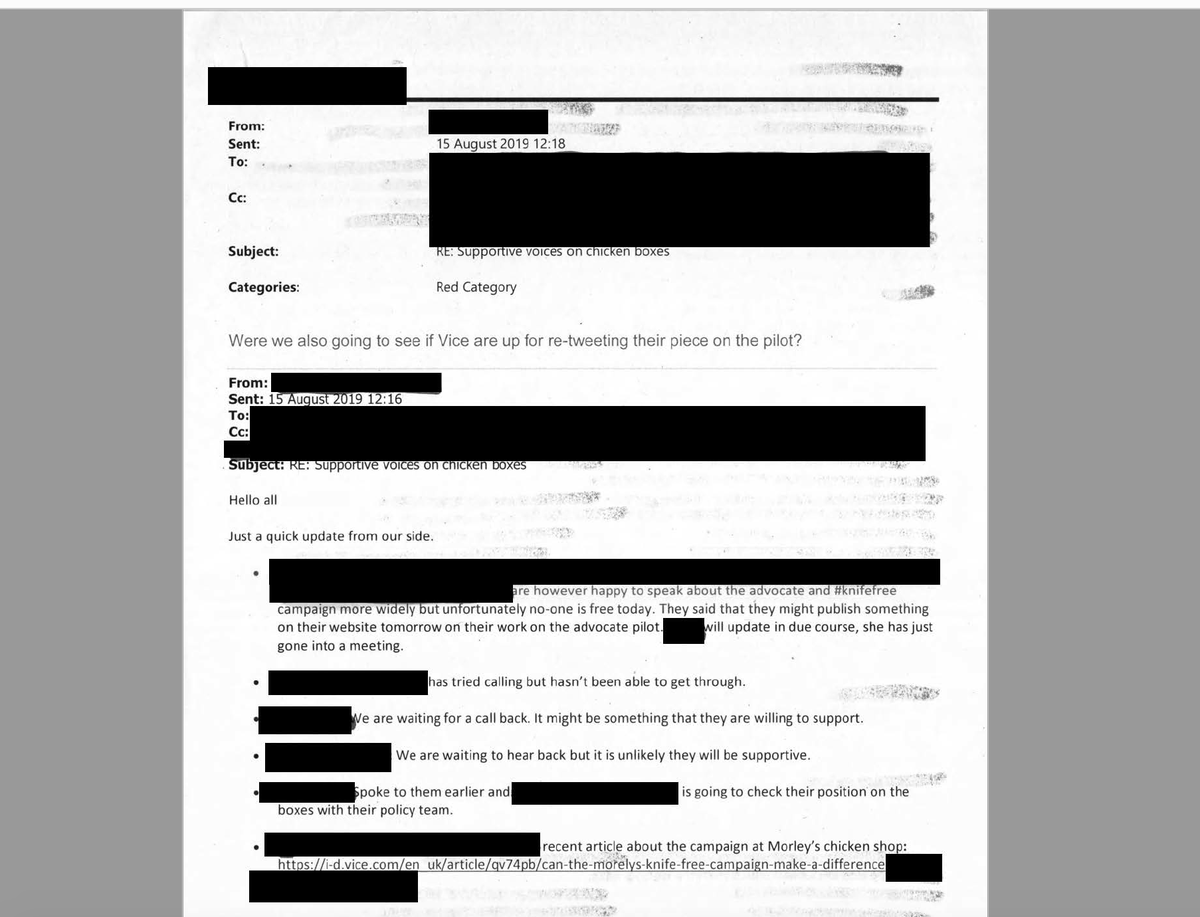
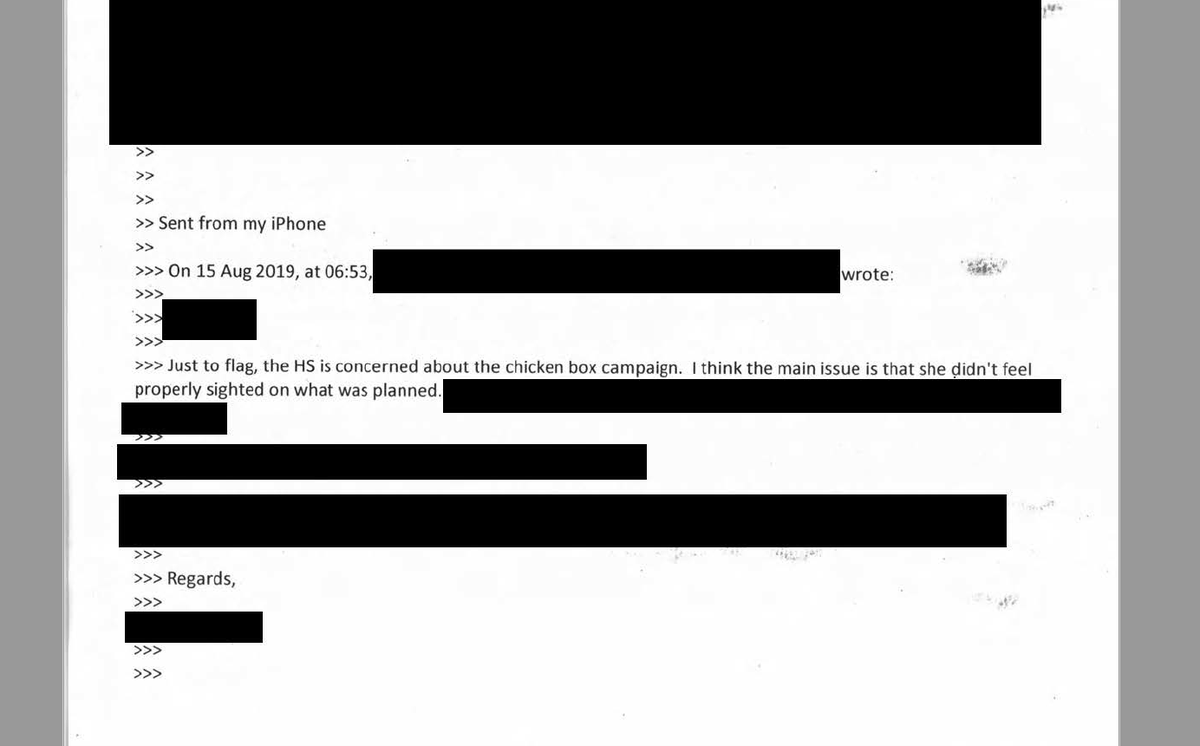
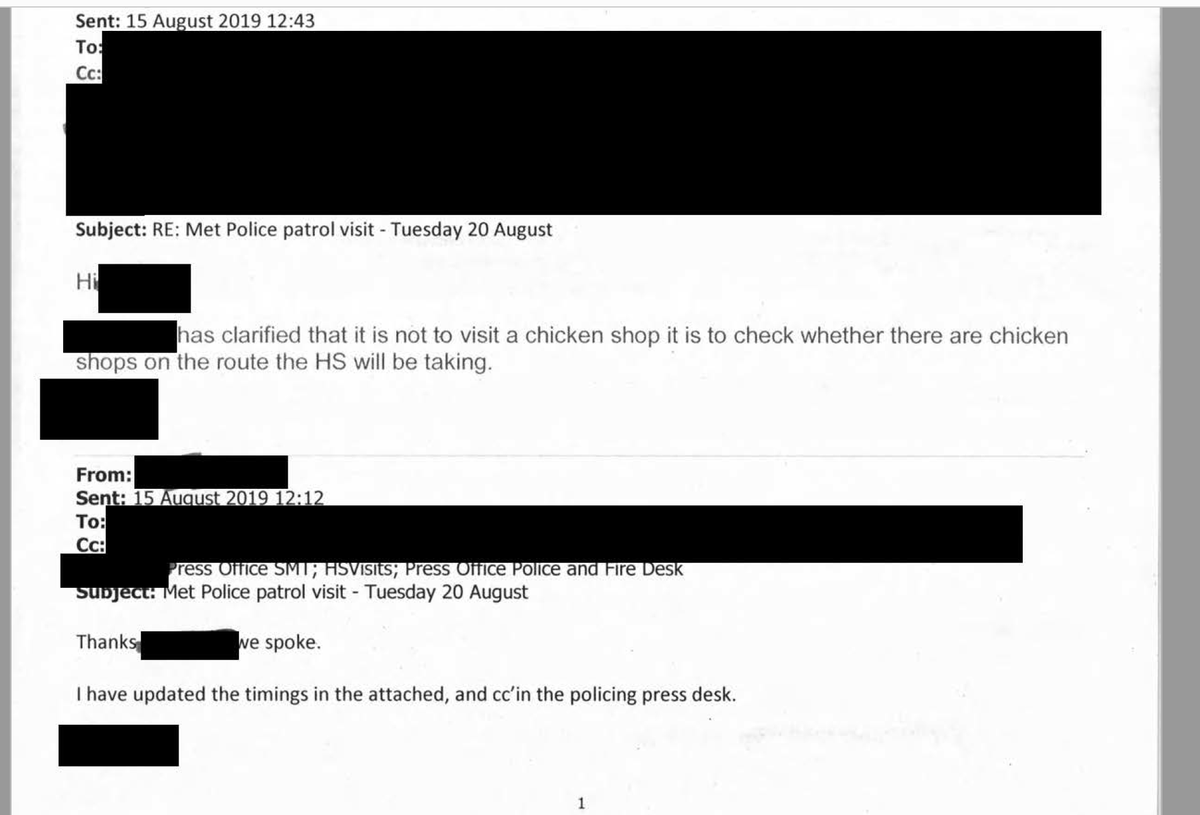
For some non-Covid news, and as a bit of recent political history, I’ve been released more than 100 pages of internal press office communications relating to the Home Office’s fried chicken box saga.

More from News


Setting the record straight for the dishonest media, far left actors and the grifting right, please feel free to share this post on their fake news threads:
1. This is NOT Nick Fuentes. Nick was not inside the Capitol building nor Nancy Pelosi’s office

2. Nick was wearing a suit the entire time.
3. Nick has never called for the killing of any state legislators during his show.
These are all mass lies and disinformation being put out there to slander his good name, get him deplatformed and perhaps try to get LEO’s to visit

We take all misinformation and slander very seriously. It’s one thing for a casual troll but it’s another when you threatened the ability of one to earn a living and to incriminate an innocent man. It’s disgusting and everyone involved should be ashamed.
We are looking to means to hold these actors accountable for their slanderous, and dangerous actions.
https://t.co/ESW2YPf0UG
This article is false and misleading. Nick was not in the capitol in Nancy Pelosi's office.
Remove this falsehood immediately.
1. This is NOT Nick Fuentes. Nick was not inside the Capitol building nor Nancy Pelosi’s office
2. Nick was wearing a suit the entire time.
3. Nick has never called for the killing of any state legislators during his show.
These are all mass lies and disinformation being put out there to slander his good name, get him deplatformed and perhaps try to get LEO’s to visit
We take all misinformation and slander very seriously. It’s one thing for a casual troll but it’s another when you threatened the ability of one to earn a living and to incriminate an innocent man. It’s disgusting and everyone involved should be ashamed.
We are looking to means to hold these actors accountable for their slanderous, and dangerous actions.
https://t.co/ESW2YPf0UG
This article is false and misleading. Nick was not in the capitol in Nancy Pelosi's office.
Remove this falsehood immediately.

@CarmineSabia Here, let us help @mjs_DC with this thread of Democrats and their propaganda wing who endorsed violence what they dishonestly called "peaceful
@mjs_DC 2)
@mjs_DC
@mjs_DC
@mjs_DC 5)
.@SenatorTester said that in order to take on Trump, you have to \u201cpunch him in the face\u201d pic.twitter.com/7NPJ3MOk2i
— Tom Elliott (@tomselliott) January 8, 2021
@mjs_DC 2)
Earlier this year, @SpeakerPelosi said of getting active in politics, \u201cWhen you\u2019re in the arena, you have to be ready to take a punch and you have to be ready to throw a punch\u201d pic.twitter.com/xe4U5ElFCW
— Tom Elliott (@tomselliott) January 8, 2021
@mjs_DC
In an interview w/ Joy Ann Reid, Rep. Waters then doubled down on her call to be \u201cmore confrontational\u201d w/ Republicans pic.twitter.com/SnXfHc6hJg
— Tom Elliott (@tomselliott) January 8, 2021
@mjs_DC
.@RepMaxineWaters told activists that \u201cGod is in our side\u201d and urged her followers be increasingly confrontational members of the Trump Administration pic.twitter.com/W9X4A7jAXN
— Tom Elliott (@tomselliott) January 8, 2021
@mjs_DC 5)
.@EricHolder told liberal activists that Michelle Obama was wrong; \u201cWhen they go low, we go high. No. No. When they go low, we kick them." pic.twitter.com/tWQfyLr2Cu
— Tom Elliott (@tomselliott) January 8, 2021