I'm hesitating to read or listen to this for fear it oversimplifies. I worked for about a year @NYPDnews on this. We learned a LOT. Most of the $320 million I estimate was lost by New Yorkers on Cyber-enabled scams in 2019 began with voice calls to set the hook...


More from News

This week marks 12 months since Josephine Cashman supplied Andrew Bolt with a letter falsely attributed to a Yolngu lawman that Bolt published via NewsCorp on Jan 26 as parcel of his persecution of Bruce Pascoe. Cashman & Bolt still haven’t provided a satisfactory explanation
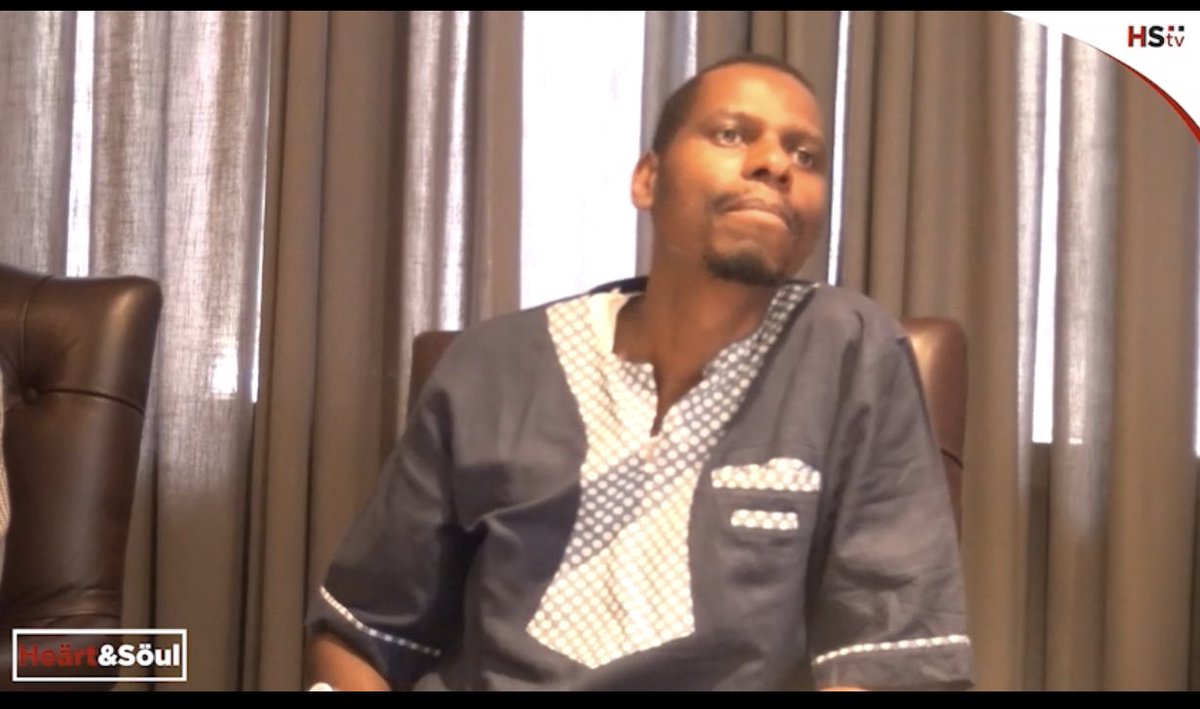
Terry Yumbulul didn’t write the letter and didn’t agree with its content. He said so himself in a video published the next day https://t.co/IJ6ricZeRi and in a written statement published later the same day

The weird thing was, it soon emerged that large sections of the letter had been cribbed from other sources. Weird because as a Yolngu lawman, Terry didn’t need to borrow his knowledge from unrelated, alternate sources ... pretty much verbatim
The fallout was swift. Bolt was compelled to do a correction on his column and Cashman was just as swiftly dumped from her position of the Morrison government’s Senior Advisory Group for an Indigenous Voice to Government
There was no apology from either of them or from NewsCorp tho, and with the assistance of Sky News After Dark they desperately attempted to obfuscate the reality that everybody involved had been caught out and left red faced
Terry Yumbulul didn’t write the letter and didn’t agree with its content. He said so himself in a video published the next day https://t.co/IJ6ricZeRi and in a written statement published later the same day
The weird thing was, it soon emerged that large sections of the letter had been cribbed from other sources. Weird because as a Yolngu lawman, Terry didn’t need to borrow his knowledge from unrelated, alternate sources ... pretty much verbatim
The fallout was swift. Bolt was compelled to do a correction on his column and Cashman was just as swiftly dumped from her position of the Morrison government’s Senior Advisory Group for an Indigenous Voice to Government
There was no apology from either of them or from NewsCorp tho, and with the assistance of Sky News After Dark they desperately attempted to obfuscate the reality that everybody involved had been caught out and left red faced




"Attacking him how? Yelling at him? Yes. Okay, I apologize. Can we move on?"
She's on video running and tackling him. She physically attacked him.
She's on video running and tackling him. She physically attacked him.
The 22-year-old woman caught on camera allegedly physically attacking a 14-year-old Black teen and falsely accusing him of stealing her phone was arrested in California.
— CBS This Morning (@CBSThisMorning) January 8, 2021
In an exclusive interview, Miya Ponsetto and her lawyer spoke with @GayleKing hours before she was arrested. pic.twitter.com/ezaGkcWZ8j


You May Also Like







1/“What would need to be true for you to….X”
Why is this the most powerful question you can ask when attempting to reach an agreement with another human being or organization?
A thread, co-written by @deanmbrody:
2/ First, “X” could be lots of things. Examples: What would need to be true for you to
- “Feel it's in our best interest for me to be CMO"
- “Feel that we’re in a good place as a company”
- “Feel that we’re on the same page”
- “Feel that we both got what we wanted from this deal
3/ Normally, we aren’t that direct. Example from startup/VC land:
Founders leave VC meetings thinking that every VC will invest, but they rarely do.
Worse over, the founders don’t know what they need to do in order to be fundable.
4/ So why should you ask the magic Q?
To get clarity.
You want to know where you stand, and what it takes to get what you want in a way that also gets them what they want.
It also holds them (mentally) accountable once the thing they need becomes true.
5/ Staying in the context of soliciting investors, the question is “what would need to be true for you to want to invest (or partner with us on this journey, etc)?”
Multiple responses to this question are likely to deliver a positive result.
Why is this the most powerful question you can ask when attempting to reach an agreement with another human being or organization?
A thread, co-written by @deanmbrody:
Next level tactic when closing a sale, candidate, or investment:
— Erik Torenberg (@eriktorenberg) February 27, 2018
Ask: \u201cWhat needs to be true for you to be all in?\u201d
You'll usually get an explicit answer that you might not get otherwise. It also holds them accountable once the thing they need becomes true.
2/ First, “X” could be lots of things. Examples: What would need to be true for you to
- “Feel it's in our best interest for me to be CMO"
- “Feel that we’re in a good place as a company”
- “Feel that we’re on the same page”
- “Feel that we both got what we wanted from this deal
3/ Normally, we aren’t that direct. Example from startup/VC land:
Founders leave VC meetings thinking that every VC will invest, but they rarely do.
Worse over, the founders don’t know what they need to do in order to be fundable.
4/ So why should you ask the magic Q?
To get clarity.
You want to know where you stand, and what it takes to get what you want in a way that also gets them what they want.
It also holds them (mentally) accountable once the thing they need becomes true.
5/ Staying in the context of soliciting investors, the question is “what would need to be true for you to want to invest (or partner with us on this journey, etc)?”
Multiple responses to this question are likely to deliver a positive result.