Can you get a job in data science and machine learning without a college degree?

๐Ÿงต๐Ÿ‘‡

Short Answer: Yes.

Long Answer, keep reading ๐Ÿ‘‡

(Advice from industry experts who I talked to.)
Companies are looking for people who add value.
In order to add value, you'll need skills. Simple as that.

Get the skills to provide value and you'll get the job.
In the age of the internet where everything is pretty much free, why do college degrees matter?

A college degree makes it easier to get the skills to get a job in machine learning or data science.
College degrees also help you make many useful connections and provides many opportunities in the form of internships and whatnot.

College degrees have their own place
However that does not mean that you cannot get into these fields without a degree, it'll just take more work.
For machine learning and data science you mainly need 3 skills:

- The theoretical part which mainly includes math
- The practical part which includes programming skills
- An understanding of the industry in which one is applying machine learning and data science
Most people will probably stop here because of the math.

Math is important, but not when you are starting out. You can learn math as and when you need it, programming is actually the more important part.
Start by having strong fundamentals in programming.
This is more important than you think it is.
Python, R and Julia are some of the options out there.
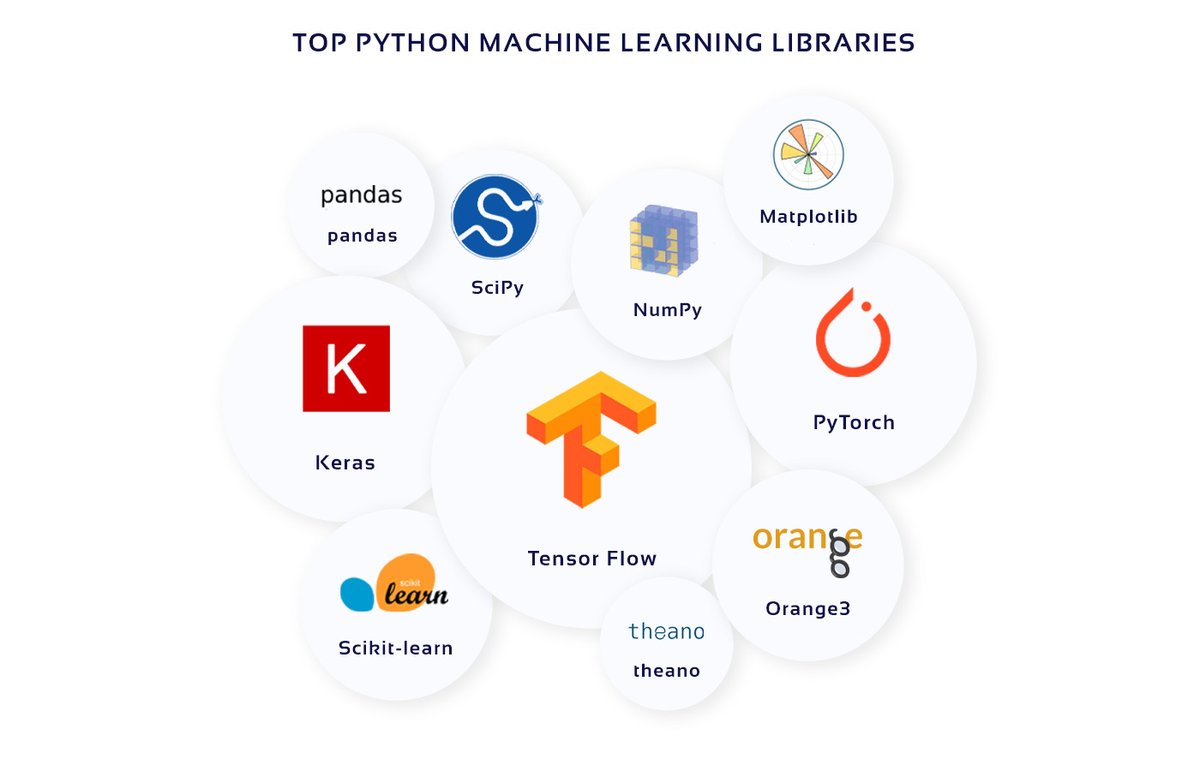
Python is the most recommended for several reasons.
Next, work on a few Kaggle challenges by taking the help of submissions of other users, the docs and the internet.

While you are making these models, try to research a bit more about what's going on under the hood.
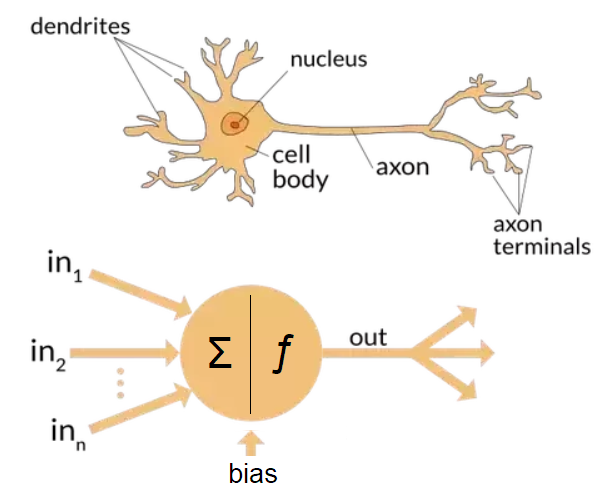
If you're making a neural network, try researching about the some of the activation functions you have used in the model.
This was just one approach to learning the skills needed for machine learning and data science. Do what works for you, just get the job done.
And of course, this isn't going to be a very easy process.

It could take more than a year before you could get ready for applying to jobs.

That doesn't mean it can't be done.

More from Pratham Prasoon

More from Machine learning

Thanks for this incredibly helpful analysis @dgurdasani1

Two questions. 1/ Does this summarise the AZ published data :
The plan is to extend the time interval for all age groups despite it being largely untested on the over 55yrs, although the full data is not yet published


Do we have the actual numbers of over 55yr olds given a 2nd dose at c12 weeks and the accompanying efficacy data?

Not to mention the efficacy data of the full first dose over that same period?

Iโ€™d quite like to know whether I am to be a guinea pig & the ongoing risks to manage

You attached photos of excerpts from a paper. Could you attach the link?

Re Pfizer. As I understand it the most efficacious interval for dosing was investigated at the start of the trial.


Hereโ€™s the link to the

Iโ€™ve got to say that this way of making and announcing decisions is not inspiring confidence in me and I am very pro vaccination as a matter of principle, not least because my brother caught polio before vaccinations available.
This is a Twitter series on #FoundationsOfML.

โ“ Today, I want to start discussing the different types of Machine Learning flavors we can find.

This is a very high-level overview. In later threads, we'll dive deeper into each paradigm... ๐Ÿ‘‡๐Ÿงต

Last time we talked about how Machine Learning works.

Basically, it's about having some source of experience E for solving a given task T, that allows us to find a program P which is (hopefully) optimal w.r.t. some metric


According to the nature of that experience, we can define different formulations, or flavors, of the learning process.

A useful distinction is whether we have an explicit goal or desired output, which gives rise to the definitions of 1๏ธโƒฃ Supervised and 2๏ธโƒฃ Unsupervised Learning ๐Ÿ‘‡

1๏ธโƒฃ Supervised Learning

In this formulation, the experience E is a collection of input/output pairs, and the task T is defined as a function that produces the right output for any given input.

๐Ÿ‘‰ The underlying assumption is that there is some correlation (or, in general, a computable relation) between the structure of an input and its corresponding output and that it is possible to infer that function or mapping from a sufficiently large number of examples.

You May Also Like

๐™Ž๐™๐™–๐™ง๐™ž๐™ฃ๐™œ ๐™ข๐™ฎ ๐™ฌ๐™ž๐™จ๐™™๐™ค๐™ข ๐‘พ๐’๐’'๐’• ๐’ƒ๐’† ๐’”๐’–๐’“๐’‘๐’“๐’Š๐’”๐’†๐’… ๐’Š๐’‡ ๐’•๐’๐’Ž๐’๐’“๐’“๐’๐’˜ ๐’– ๐’“๐’†๐’‚๐’… ๐’•๐’‰๐’† ๐’”๐’‚๐’Ž๐’† ๐’”๐’•๐’–๐’‡๐’‡ ๐’Š๐’ 50๐’Œ ๐’˜๐’๐’“๐’Œ๐’”๐’‰๐’๐’‘ ๐’๐’“ ๐’”๐’๐’Ž๐’†๐’๐’๐’† ๐’Ž๐’‚๐’๐’‚๐’ˆ๐’Š๐’๐’ˆ ๐’š๐’๐’–๐’“ ๐’Ž๐’๐’๐’†๐’š ๐’˜๐’Š๐’•๐’‰ ๐’”๐’‚๐’Ž๐’† ๐’๐’๐’ˆ๐’Š๐’„
Simple and effective way 2 make Money


Idea 1:- Use pivot level like 14800 in case of nifty and sell 14800straddle monthly expiry (365+335) exit if nifty closes on daily basis below S1 or above R1

After closing below S1 if it closes above S1 next day or any day enter the same position again vice versa for R1

Idea2:- Use R1 and S1 corresponding strikes multiple
Incase of R1 15337 take 15300ce
N in case of S1 14221 use 14200pe
Sell both and hold till expiry or exit if nifty closes below S1 or above R1 around closing
If the same bounces above S1 and falls below R1 re-enfer same strikes

Use same criteria for nifty, usdinr and banknifty

(This is must)Use this margin rule for 1lot banknifty pair keep 4Lax margin
For nifty one lot keep 3Lax
For usdinr 100lots keep 4Lax

I bet you if you do this on consistent basis your ROI will be more than 70% on yearly basis.

Couldn't explain easier than this

Criticisms are most welcomed.
THREAD: Meditations on marriage metaphors in Ruth

The book of Ruth is, of course, a story about a beautiful marriage. But even before the courtship and the wedding and the important genealogy at the end, we find interesting language that is strikingly reminiscent of Genesis 2:24


That important verse reads:

'Therefore a man shall leave [ื™ึทึฝืขึฒื–ึธื‘] his father and his mother and hold fast [ื•ึฐื“ึธื‘ึทึฃืง] to his wife, and they shall become one flesh.'

The verb ืขื–ื‘ can be quite strong in force. For example, Joseph leaves behind [ื•ึทื™ึทึผืขึฒื–ึนึคื‘] his garment as he flees from Pharaoh's wife's sexual advances. Countless times, Israel is depicted abandoning the LORD, for example in Judg 2:12 [ื•ึทื™ึทึผืขึทื–ึฐื‘ึžื•ึผ], and going after other gods.

Likewise, the verb ื“ื‘ืง is rather striking. Lot is mortified of disaster overtaking him [ืชึดึผื“ึฐื‘ึธึผืงึทึฅื ึดื™] as he flees from Sodom. Israel is commanded in Deut 10:20 to cling fast [ืชึดื“ึฐื‘ึธึผึ”ืง] to the LORD and serve him and swear by his name.

Together they illustrate how radical God designed marriage to be. Marriage is a real severing of family relations in order to form a new, permanent bond with another human being.

Something very similar to this takes places in Ruth's life.
I'm going to do two history threads on Ethiopia, one on its ancient history, one on its modern story (1800 to today). ๐Ÿ‡ช๐Ÿ‡น

I'll begin with the ancient history ... and it goes way back. Because modern humans - and before that, the ancestors of humans - almost certainly originated in Ethiopia. ๐Ÿ‡ช๐Ÿ‡น (sub-thread):


The first likely historical reference to Ethiopia is ancient Egyptian records of trade expeditions to the "Land of Punt" in search of gold, ebony, ivory, incense, and wild animals, starting in c 2500 BC ๐Ÿ‡ช๐Ÿ‡น


Ethiopians themselves believe that the Queen of Sheba, who visited Israel's King Solomon in the Bible (c 950 BC), came from Ethiopia (not Yemen, as others believe). Here she is meeting Solomon in a stain-glassed window in Addis Ababa's Holy Trinity Church. ๐Ÿ‡ช๐Ÿ‡น


References to the Queen of Sheba are everywhere in Ethiopia. The national airline's frequent flier miles are even called "ShebaMiles". ๐Ÿ‡ช๐Ÿ‡น