Machine learning terms you must know about as a beginner.

🧵👇

These terms won't mean anything unless you know what Machine learning is all about.

> Machine learning is the process of making a program which allows a computer to learn from data.

The data could be anything, images, audio or even text.

(2 / 11)
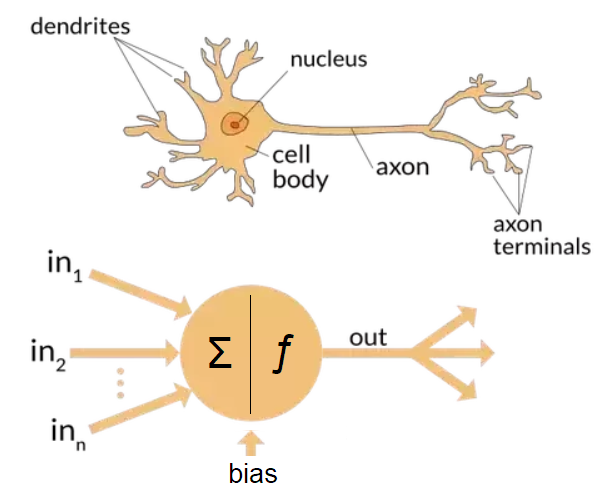
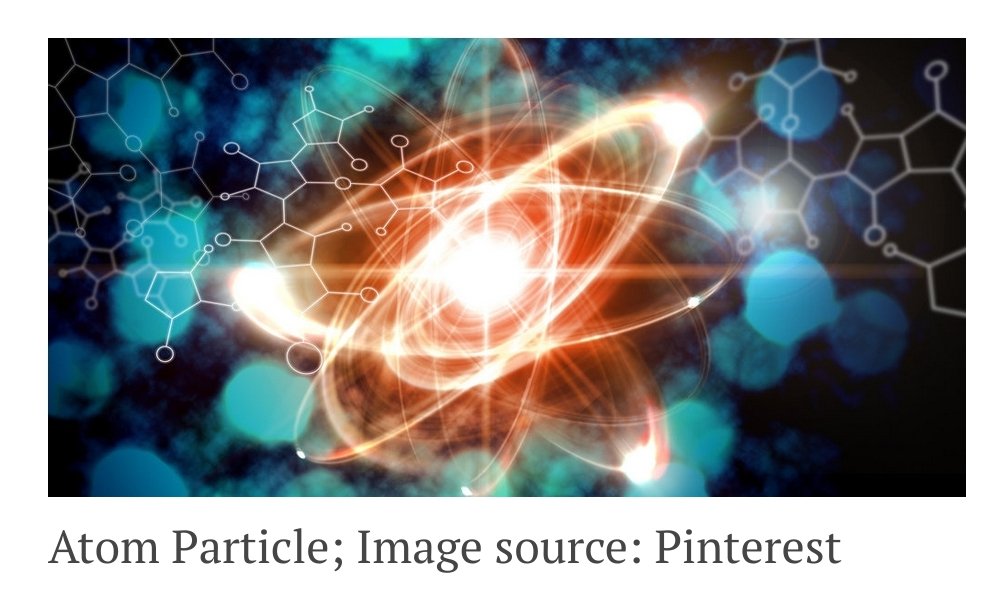
In machine learning we use something called a neural network, this is essentially an imitation of the human brain.

> Neural Networks are a digital imitation of the neurons you see in the human brain.

(3 / 11)
In these neural networks, data flows through them and each neuron (the circle) has a numerical value which will change.

> The value of a neuron gets changes to something which is close to what we want each time the data passes through the neural network.

(4 / 11)
Think of the neurons as dials on a lock, you have to tune every dial to open the lock.

It is almost impossible for a human to tune thousands of dials like these, but a computer certainly can.

(5 / 11)
Once the dials are well tuned, you have a well trained neural network!

Each dial's numeric value is dependent on a "weight" and a "bias". The weight determines how important the neuron is and the bias make it flexible.

(6 / 11)
So here's a recap of what we've looked at so far:

The neural net is the brain of the machine learning model, the dials you have to adjust to make that neural net work are the neurons.

(7 / 11)
Each time data passes through the neural network, we get to know how wrong it is. The measure of how wrong a neural network is called the "loss". The neural network uses this thing called an "optmizer" to reduce "loss" and tries to get less wrong after each iteration.

(8 / 11)
The number of times the data passes through the neural net is called the "epoch".

Let's summarize the entire thing👇

(9 / 11)
Neural Network: The brain of our machine learning model
Neuron : Each dial in a neural network
Weight : How important the neuron is
Bias : Flexibility of neuron

(10 / 11)
Epoch : Number of times the data passes through the neural network
Loss : How wrong the neural net is
Optimizer : Tries to reduce loss and make the neural net less wrong

Congrats! You know a fair bit about commonly used machine learning terms 😉
(11 / 11 🎉)

More from Pratham Prasoon

More from Machine learning

Thanks for this incredibly helpful analysis @dgurdasani1

Two questions. 1/ Does this summarise the AZ published data :
The plan is to extend the time interval for all age groups despite it being largely untested on the over 55yrs, although the full data is not yet published


Do we have the actual numbers of over 55yr olds given a 2nd dose at c12 weeks and the accompanying efficacy data?

Not to mention the efficacy data of the full first dose over that same period?

I’d quite like to know whether I am to be a guinea pig & the ongoing risks to manage

You attached photos of excerpts from a paper. Could you attach the link?

Re Pfizer. As I understand it the most efficacious interval for dosing was investigated at the start of the trial.


Here’s the link to the

I’ve got to say that this way of making and announcing decisions is not inspiring confidence in me and I am very pro vaccination as a matter of principle, not least because my brother caught polio before vaccinations available.

You May Also Like

THE MEANING, SIGNIFICANCE AND HISTORY OF SWASTIK

The Swastik is a geometrical figure and an ancient religious icon. Swastik has been Sanatan Dharma’s symbol of auspiciousness – mangalya since time immemorial.


The name swastika comes from Sanskrit (Devanagari: स्वस्तिक, pronounced: swastik) &denotes “conducive to wellbeing or auspicious”.
The word Swastik has a definite etymological origin in Sanskrit. It is derived from the roots su – meaning “well or auspicious” & as meaning “being”.


"सु अस्ति येन तत स्वस्तिकं"
Swastik is de symbol through which everything auspicios occurs

Scholars believe word’s origin in Vedas,known as Swasti mantra;

"🕉स्वस्ति ना इन्द्रो वृधश्रवाहा
स्वस्ति ना पूषा विश्ववेदाहा
स्वस्तिनास्तरक्ष्यो अरिश्तनेमिही
स्वस्तिनो बृहस्पतिर्दधातु"


It translates to," O famed Indra, redeem us. O Pusha, the beholder of all knowledge, redeem us. Redeem us O Garudji, of limitless speed and O Bruhaspati, redeem us".

SWASTIK’s COSMIC ORIGIN

The Swastika represents the living creation in the whole Cosmos.


Hindu astronomers divide the ecliptic circle of cosmos in 27 divisions called
https://t.co/sLeuV1R2eQ this manner a cross forms in 4 directions in the celestial sky. At centre of this cross is Dhruva(Polestar). In a line from Dhruva, the stars known as Saptarishi can be observed.