Before diving into the math, I suggest first having solid programming skills.
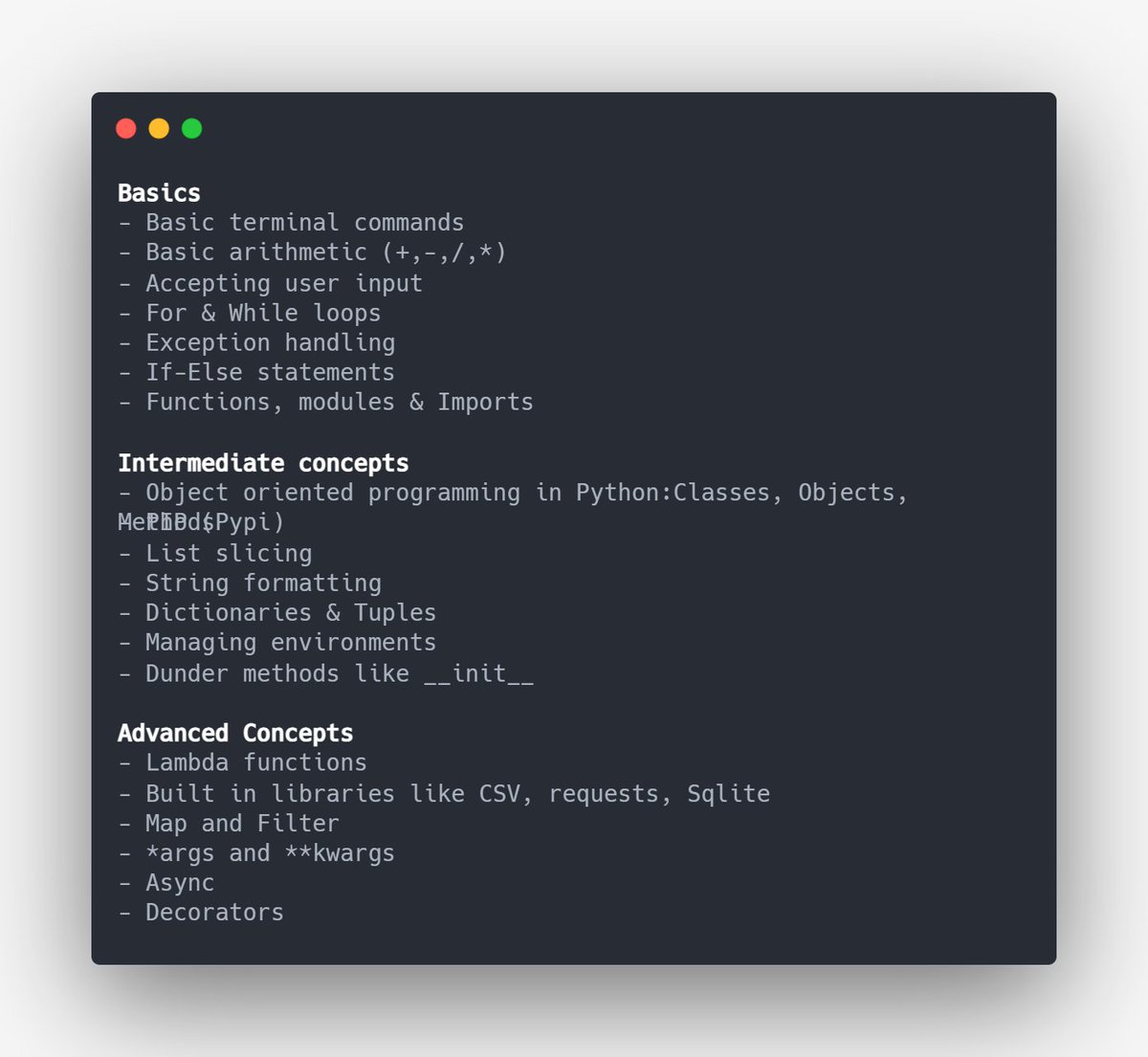
For example👇
(2 / 17)
In Python, these are the concepts which you must know:
- Object oriented programming in Python : Classes, Objects, Methods
- List slicing
- String formatting
- Dictionaries & Tuples
- Basic terminal commands
- Exception handling
(3 / 17)
If you want to learn python, these courses are freecodecamp could be of help to you.
🔗Basics: youtube .com/watch?v=rfscVS0vtbw
🔗Intermediate :youtube .com/watch?v=HGOBQPFzWKo
(4 / 17)
You need to have really strong fundamentals in programming, because machine learning involves a lot of it.
It is 100% compulsory.
(5 / 17)
Another question that I get asked quite often is when should you start learning the math for machine learning?
(6 / 17)
Math for machine learning should come after you have worked on some projects, doesn't have to a complex one at all, but one that gives you a taste of how machine learning works in the real world.
(7 / 17)
Here's how I do it, I look at the math when I have a need for it.
For instance I was recently competing in a kaggle challenge.
(8 / 17)
I was brainstorming about which activation function to use in a part of my neural net, I looked up the math behind each activation function and this helped me to choose the right one.
(9 / 17)
The topics of math you'll have to focus on
- Linear Algebra
- Calculus
- Trigonometry
- Algebra
- Statistics
- Probability
Now here are the math resources and a brief description about them.
(10 / 17)
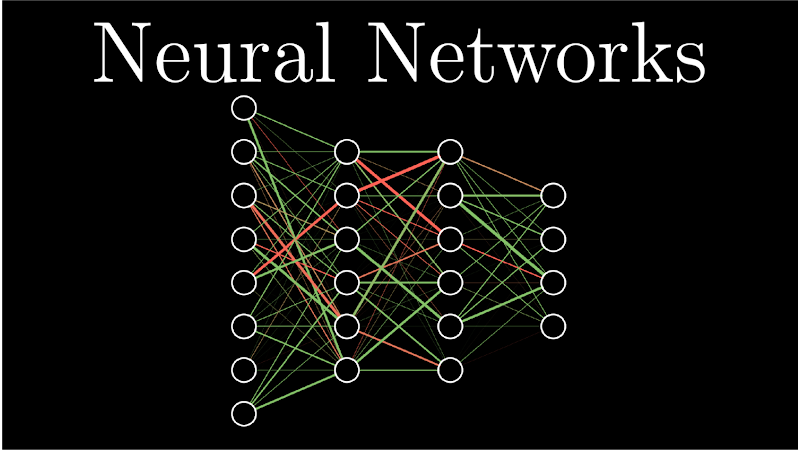
Neural Networks
> A series of videos that go over how neural networks work with approach visual, must watch
🔗youtube. com/watch?v=aircAruvnKk&list=PLZHQObOWTQDNU6R1_67000Dx_ZCJB-3pi
(11 / 17)
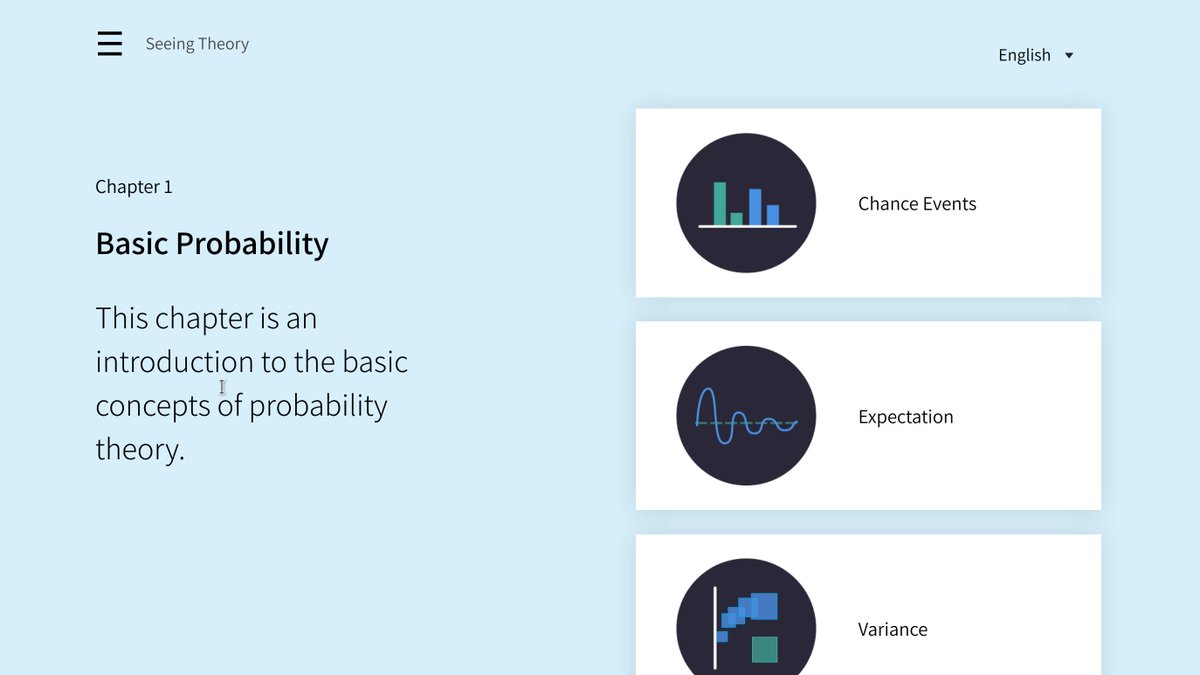
Seeing Theory
> This website gives you an interactive to learn statistics and probability
🔗seeing-theory. brown. edu/basic-probability/index.html
(12 / 17)
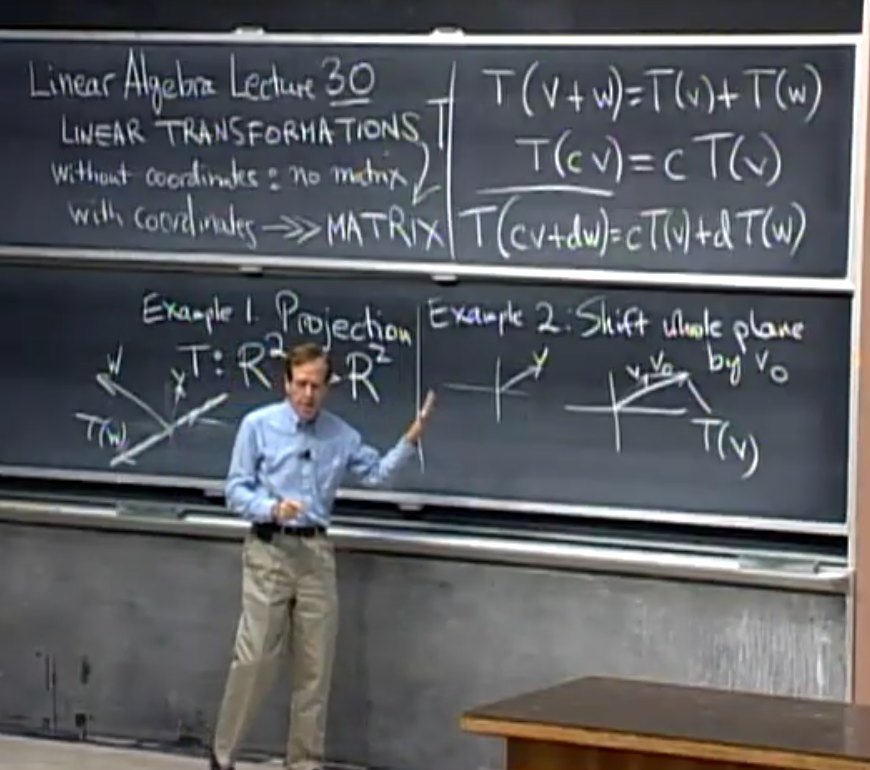
Gilbert Strang lectures on Linear Algebra (MIT)
> They're 15 years old but still 100% relevant today!
Despite the fact these lectures are for freshman college students ,I found it very easy to follow.
🔗youtube. com/playlist?list=PL49CF3715CB9EF31D
(13 / 17)
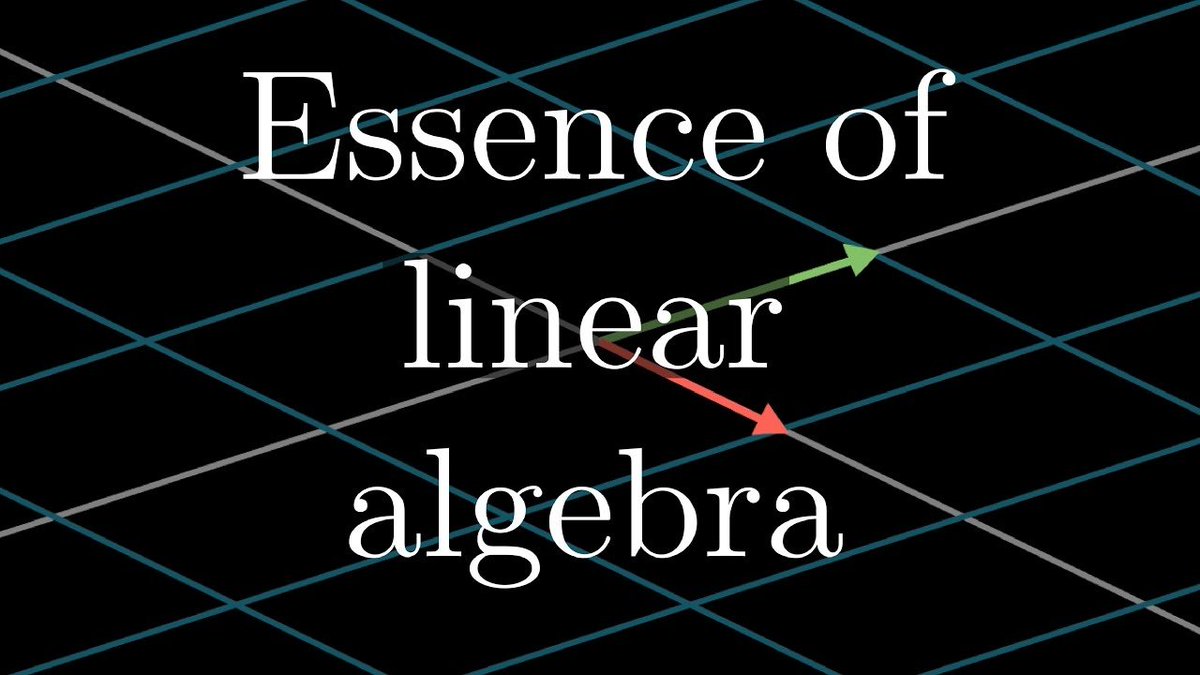
Essence of Linear Algebra
> A beautifully crafted set of videos which teach you linear algebra through visualisations in an easy to digest manner
🔗youtube. com/watch?v=fNk_zzaMoSs&list=PLZHQObOWTQDPD3MizzM2xVFitgF8hE_ab
(14 / 17)
Khan Academy
>The resource you must refer to when you forget something or want to revise a topic.
🔗khanacademy. org/math
(15 / 17)
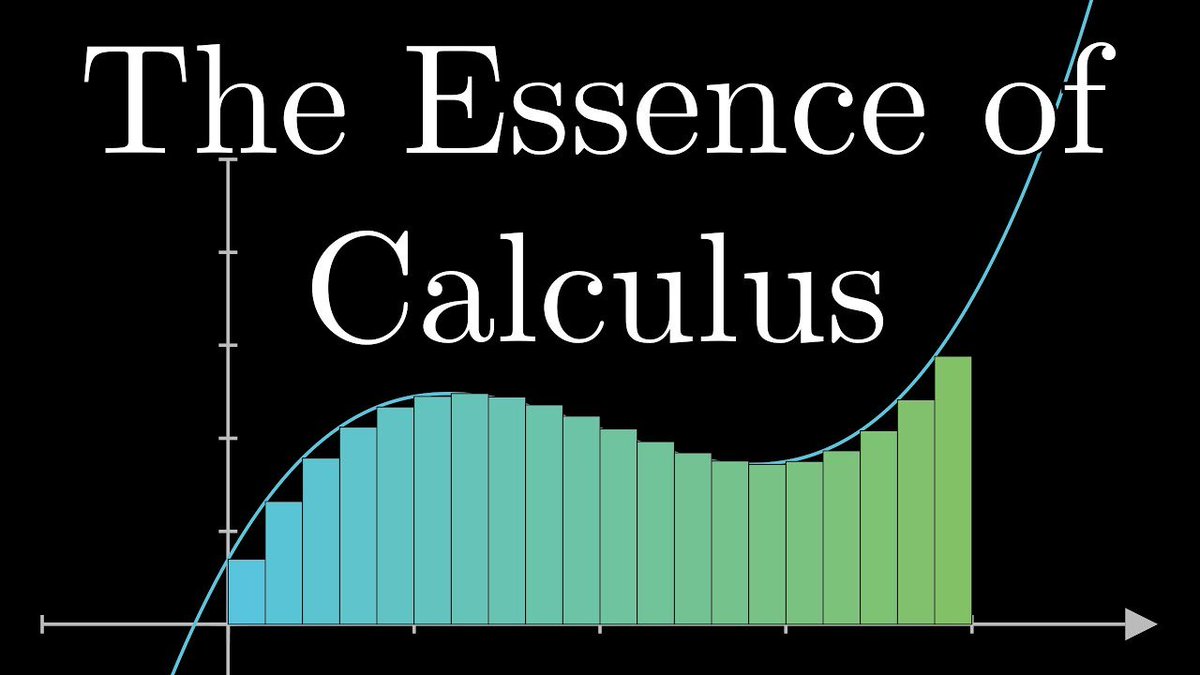
Essence of calculus
> A beautiful series on calculus, makes everything seem super simple
🔗youtube. com/watch?v=WUvTyaaNkzM&list=PL0-GT3co4r2wlh6UHTUeQsrf3mlS2lk6x
(16 / 17)
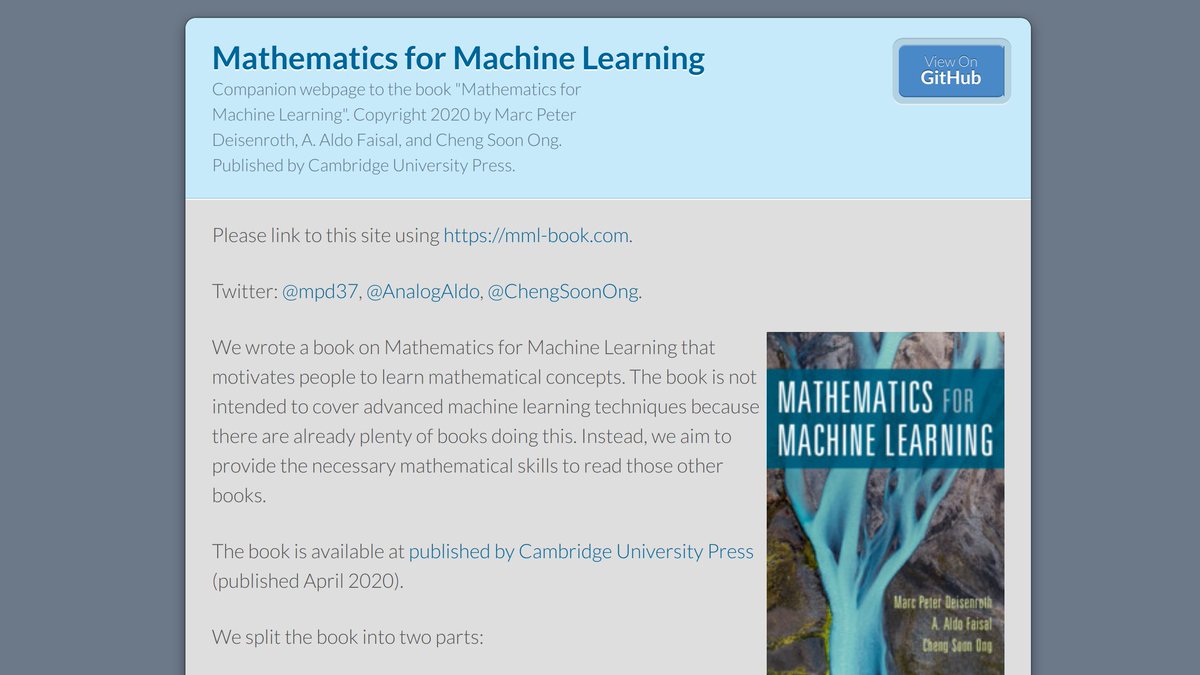
The math for Machine learning e-book
> This is a book aimed for someone who knows a decent amount of high school math like trignometry, calculus etc.
I suggest reading this after having the fundamentals down on khan academy.
🔗mml-book. github .io
(17 / 17)