
The 🔟 Most Important Money Lessons
I Wish I Could Teach My Younger Self 🧵

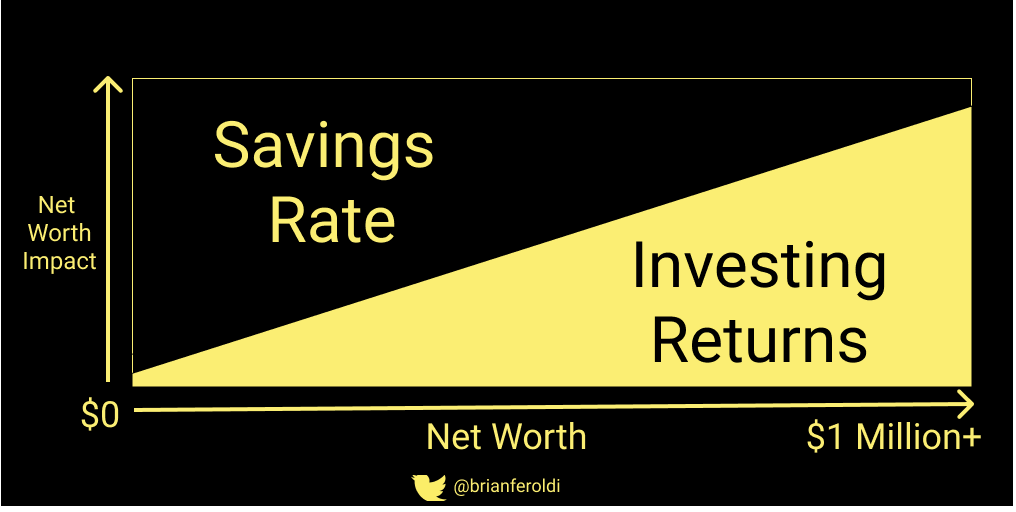
Eventually, your investing returns are all that matters
Focus your time accordingly
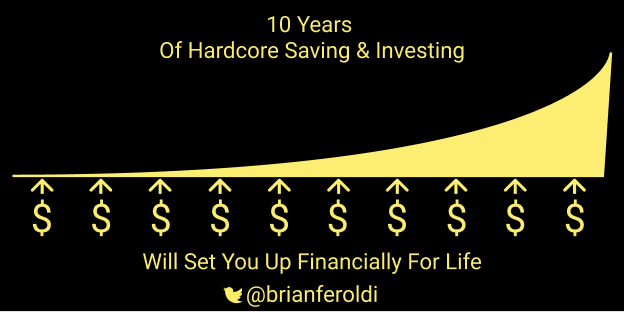
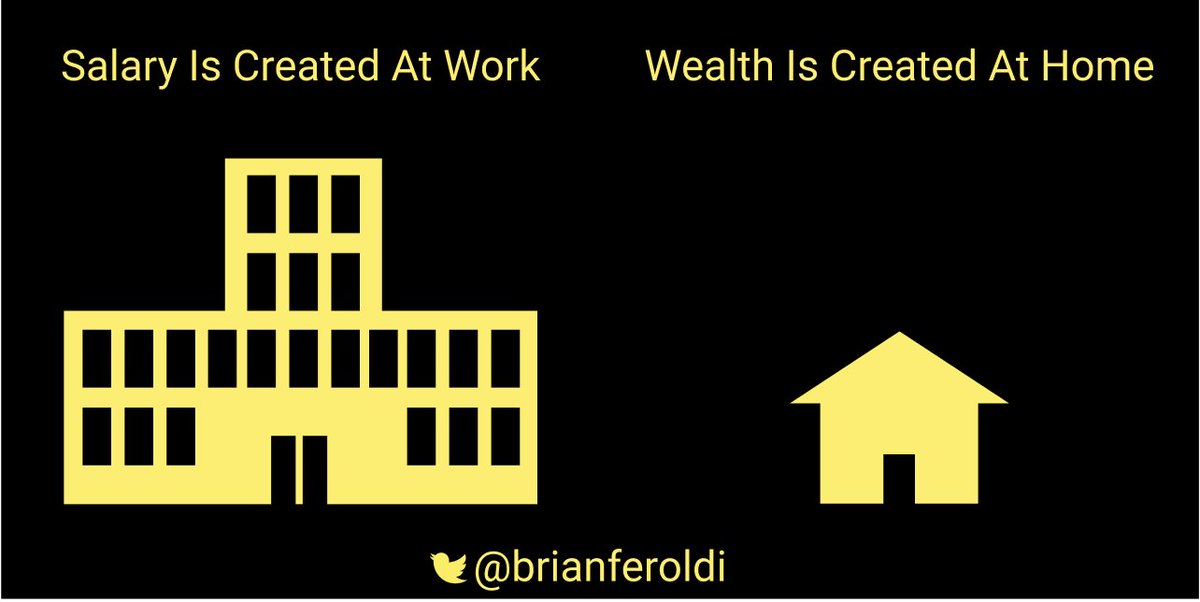

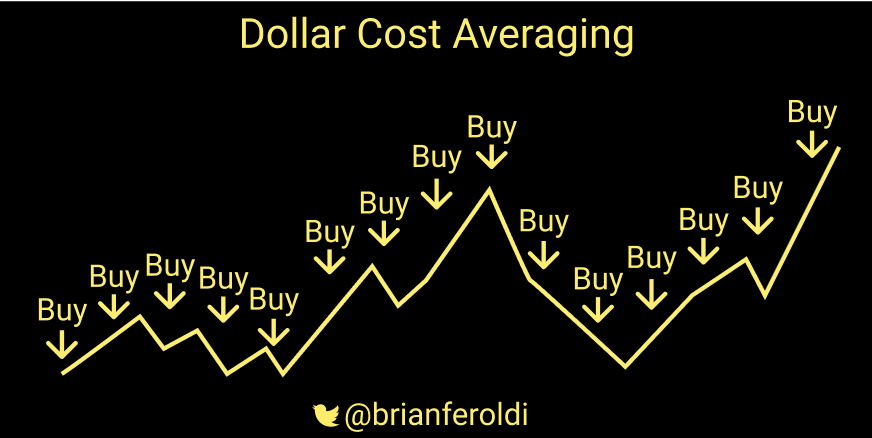
Just buy regularly and ignore all forecasts, declines, and news headlines
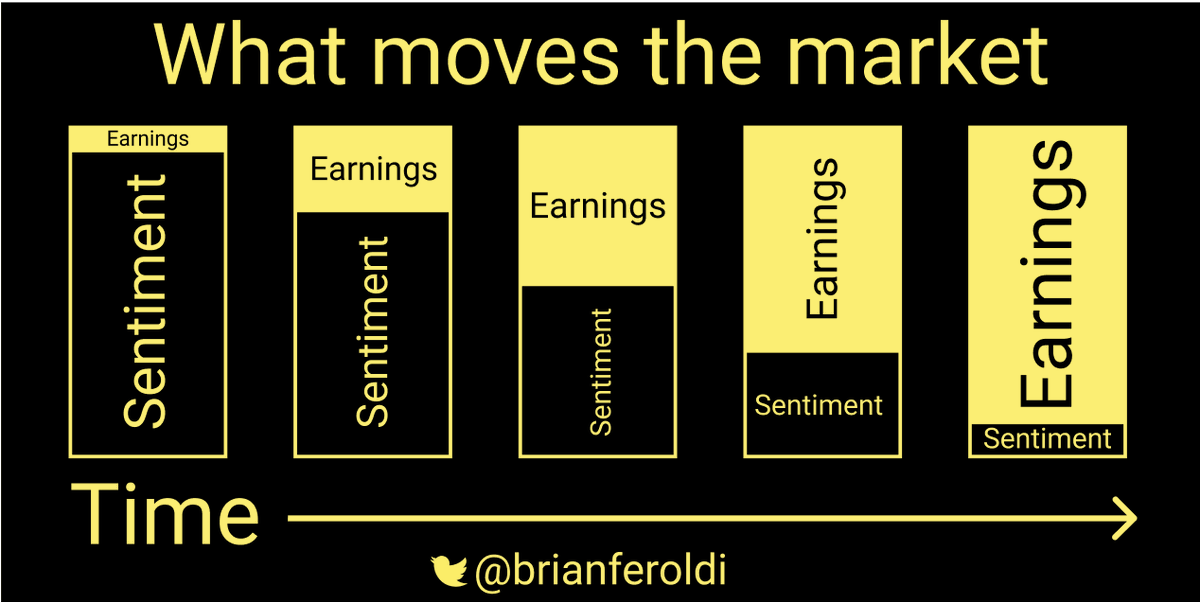
In the long-term, earnings control stock prices


More from Brian Feroldi
1/ The Queen's Gambit is apparently causing demand for chess to surge!
I play daily and coach at my kid's school, so I love seeing the interest
If you're want to learn about chess, here are some great free resources (thread)

2/ How to play & basics
Great YouTube
3/ Opening principles
https://t.co/DGpYH4FzY2
@thechesswebsite
4/ Common beginner
5/ Advanced topics
Chess Holes:
https://t.co/hBwFFjV7RC
6 Power Moves of
I play daily and coach at my kid's school, so I love seeing the interest
If you're want to learn about chess, here are some great free resources (thread)
2/ How to play & basics
Great YouTube
3/ Opening principles
https://t.co/DGpYH4FzY2
@thechesswebsite
4/ Common beginner
5/ Advanced topics
Chess Holes:
https://t.co/hBwFFjV7RC
6 Power Moves of

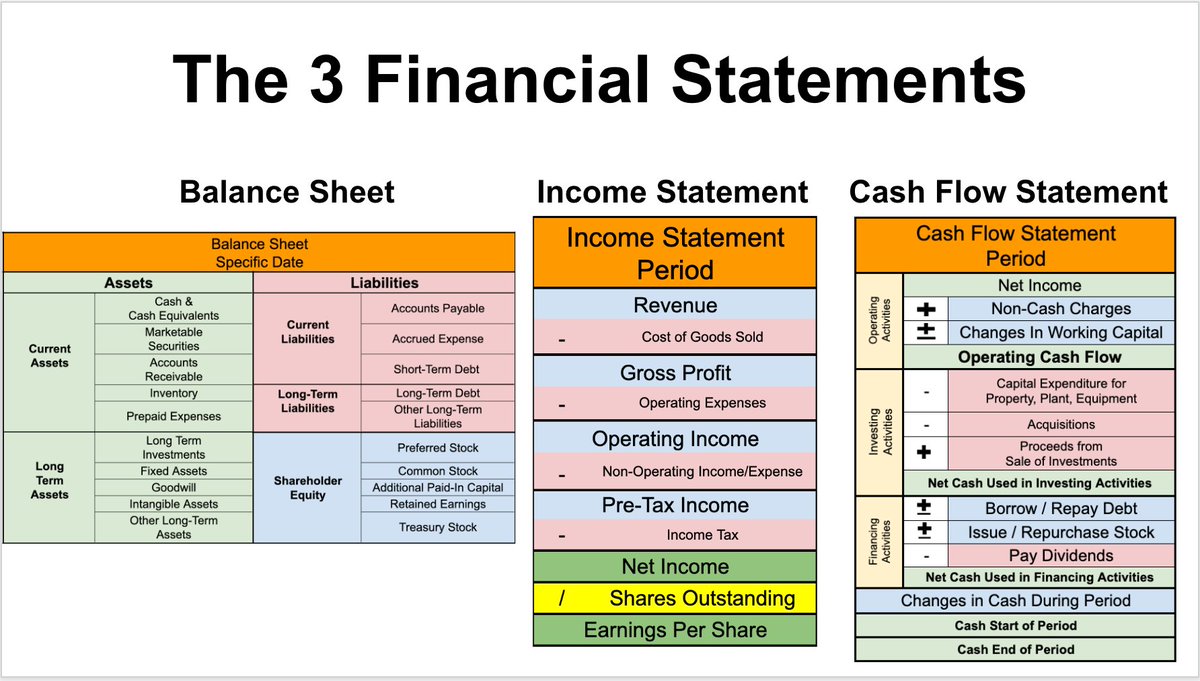


If you pick stocks, you MUST learn how to read an income statement.
Here’s everything you need to know:
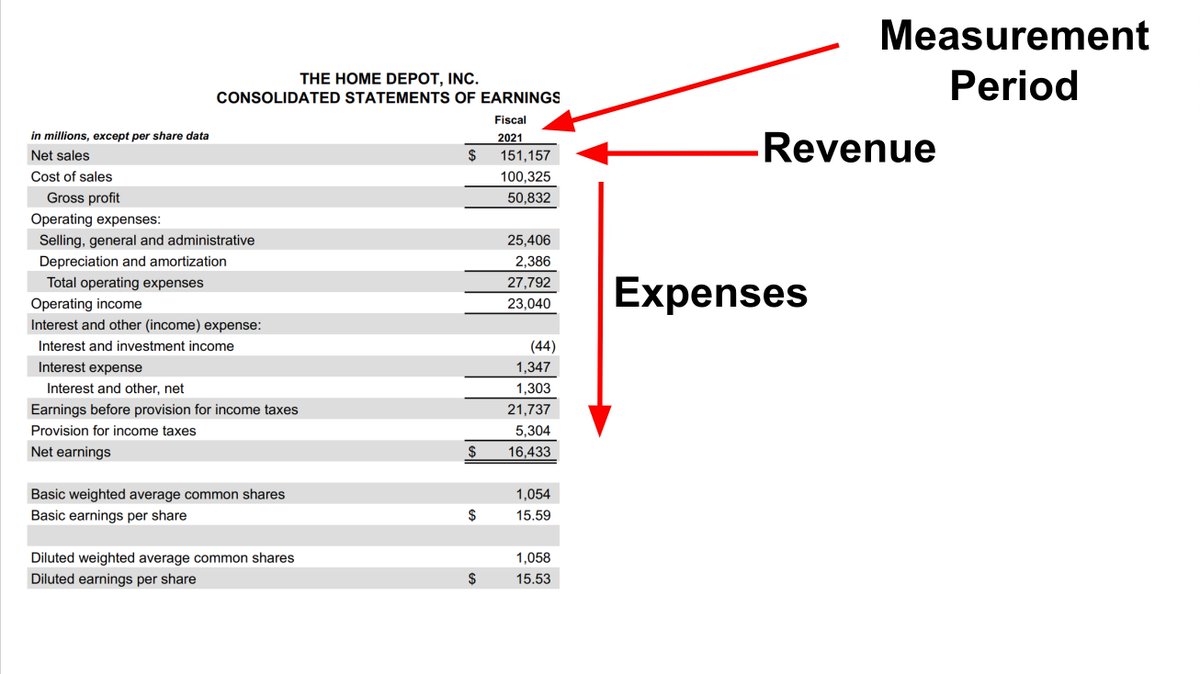
The income statement shows a company’s revenue and expenses over a period of time, usually a quarter or year.
It’s also called:
▪️Profit and Loss statement, or “P & L”
▪️Statement of earnings
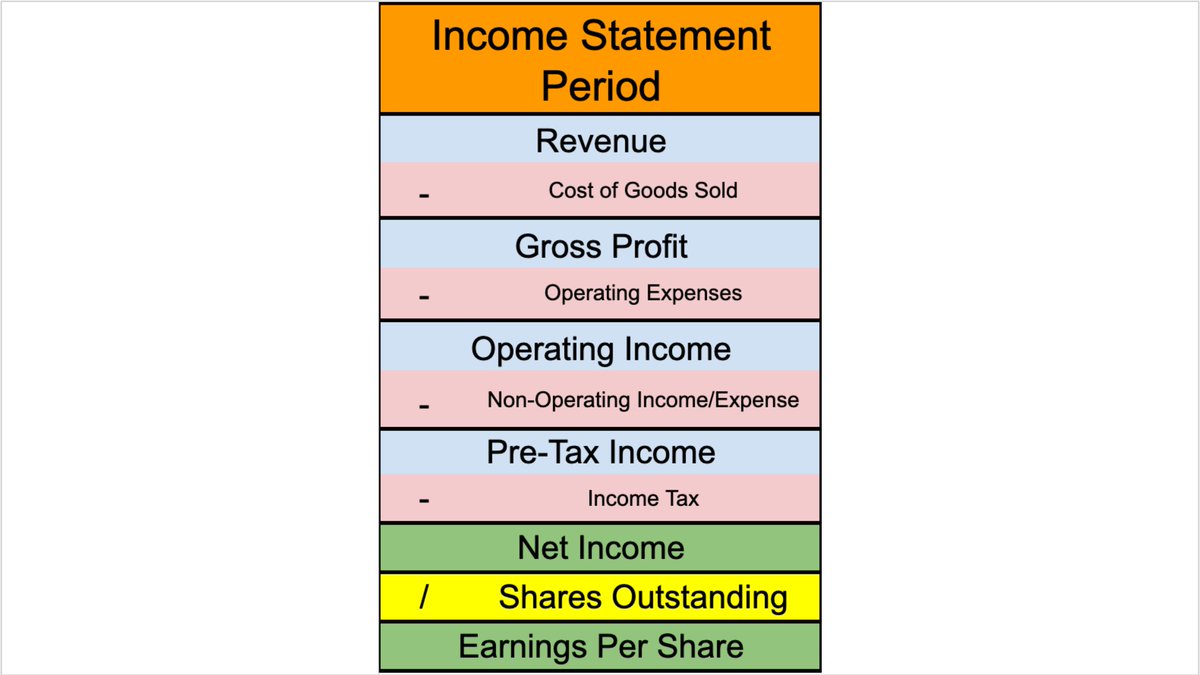
It follows this basic format:
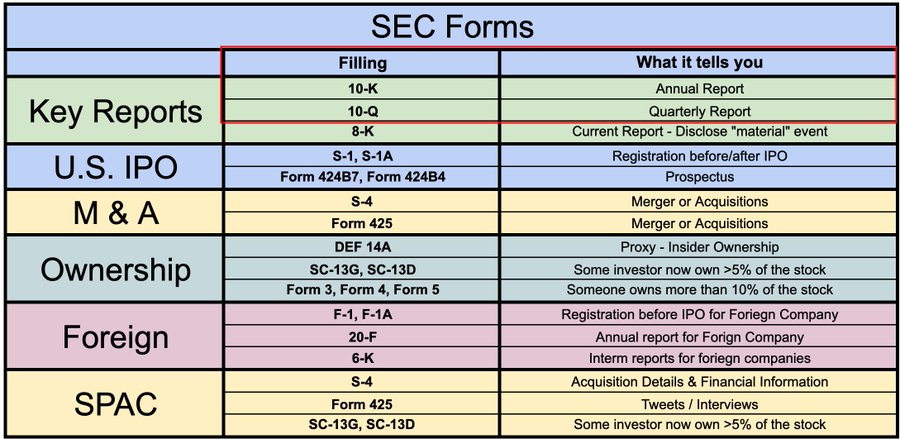
Most public companies show their income statement in their quarterly earnings press release, but not always
Find them by looking at:
▪️10-Q (quarterly report)
▪️10-K (annual report)
▪️Aggregator websites like @theTIKR
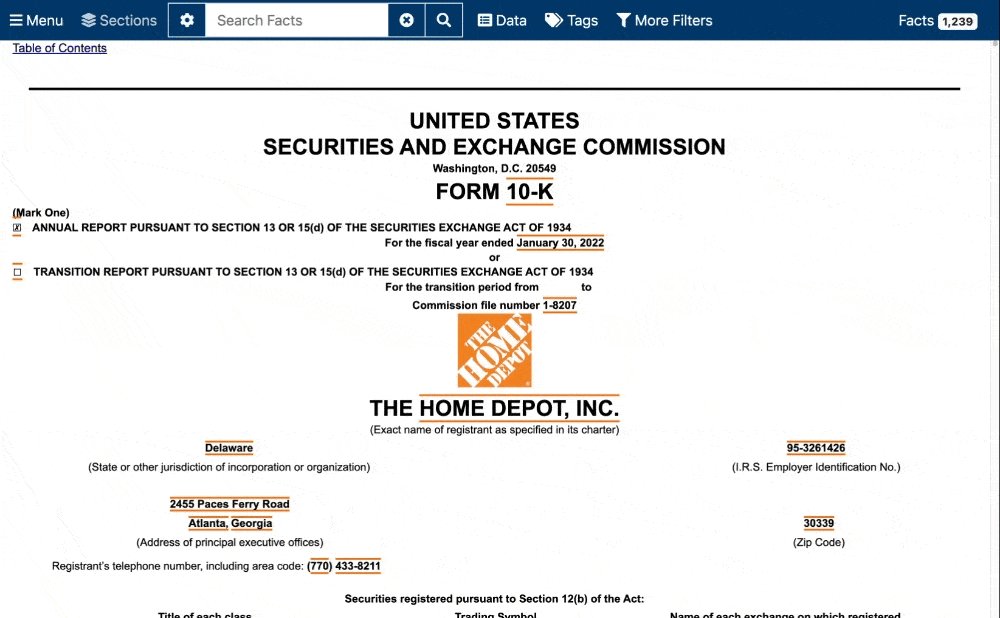
Let's use Home Depot fiscal 2021 as an example
Step 1: Get the data
▪️ Go to https://t.co/OO3BfNGWVl
▪️ Search "HD"
▪️ Click the "10-K" from March 23rd
▪️ Scroll to "Statement of earnings"
The income statement flows in a step-down manner.
The top number is revenue (sales), and costs + expenses are subtracted as you go down
Here’s everything you need to know:
The income statement shows a company’s revenue and expenses over a period of time, usually a quarter or year.
It’s also called:
▪️Profit and Loss statement, or “P & L”
▪️Statement of earnings
It follows this basic format:
Most public companies show their income statement in their quarterly earnings press release, but not always
Find them by looking at:
▪️10-Q (quarterly report)
▪️10-K (annual report)
▪️Aggregator websites like @theTIKR
Let's use Home Depot fiscal 2021 as an example
Step 1: Get the data
▪️ Go to https://t.co/OO3BfNGWVl
▪️ Search "HD"
▪️ Click the "10-K" from March 23rd
▪️ Scroll to "Statement of earnings"
The income statement flows in a step-down manner.
The top number is revenue (sales), and costs + expenses are subtracted as you go down
More from Life


You May Also Like

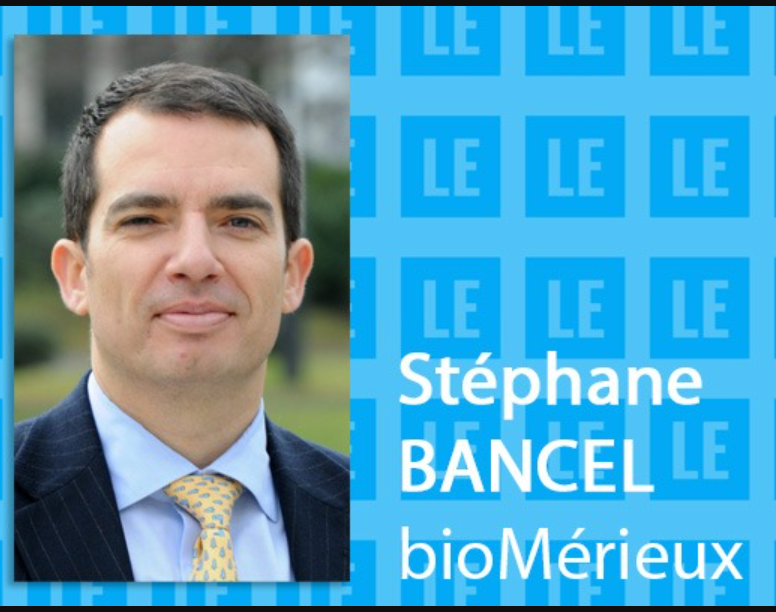
Moderna CEO Stephane Bancel was previously CEO of bioMerieux in France from 07-10.
Alain Merieux, who owns bioMerieux, was instrumental in the creation of the Wuhan Institute of Virology P4 Lab.
The same people who helped create the virus, also helped to create the vaccines...
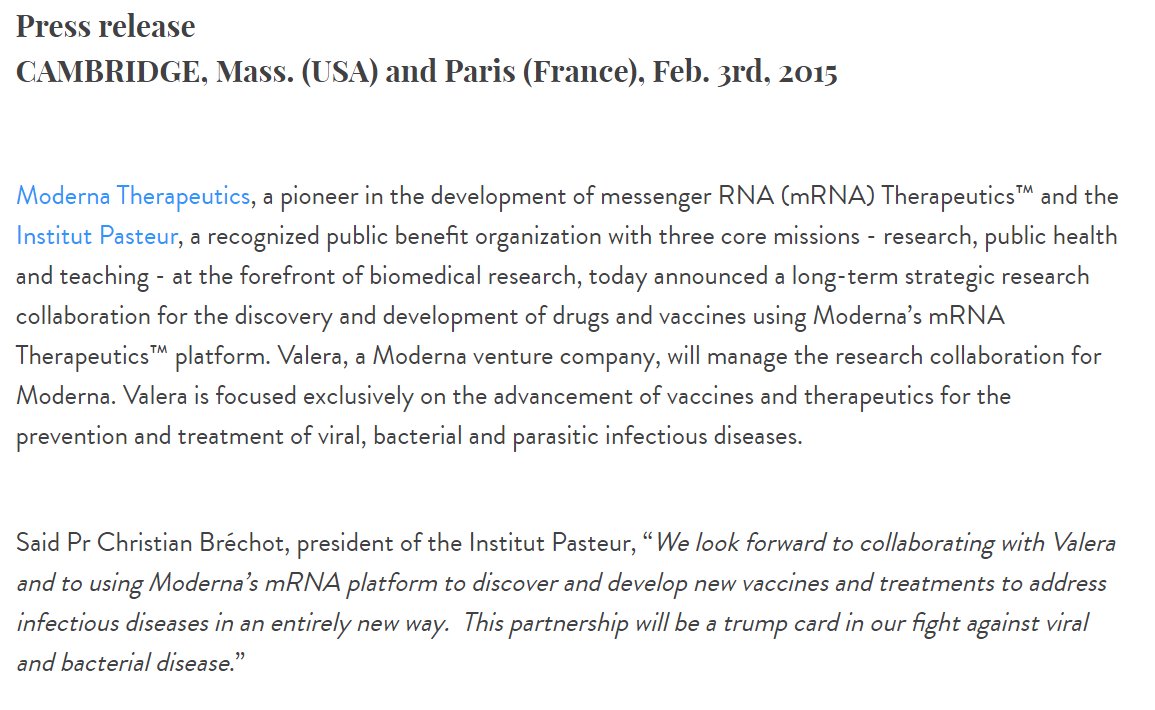
Moderna partnered with French Pasteur Institute in 2015 to develop mRNA vaccine technology.
Pasteur Institute partnered with the Wuhan P4 Laboratory in 2017 along with the Merieux Foundation to study emerging viruses...
https://t.co/yFsHwrNYaK
https://t.co/9M5lydBKhM
Nobel prize winning scientist Luc Montagnier asserts that Sars-Cov-2 is man-made and originated from the Wuhan Institute of Virology.
Montagnier did extensive work with the Pasteur Institute in France which was partnered with the Wuhan P4.
Merieux Foundation & the Chinese government have worked together since 1965, and partnered to study emerging pathogens in Africa in 2015.
Their research included "PATHOGENS CARRIED BY BATS" that provoke respiratory diseases.
🚨🚨🚨
https://t.co/gVwpT0ssqI

Alain Merieux, who owns bioMerieux, was instrumental in the creation of the Wuhan Institute of Virology P4 Lab.
The same people who helped create the virus, also helped to create the vaccines...
Moderna partnered with French Pasteur Institute in 2015 to develop mRNA vaccine technology.
Pasteur Institute partnered with the Wuhan P4 Laboratory in 2017 along with the Merieux Foundation to study emerging viruses...
https://t.co/yFsHwrNYaK
https://t.co/9M5lydBKhM
Nobel prize winning scientist Luc Montagnier asserts that Sars-Cov-2 is man-made and originated from the Wuhan Institute of Virology.
Montagnier did extensive work with the Pasteur Institute in France which was partnered with the Wuhan P4.
Merieux Foundation & the Chinese government have worked together since 1965, and partnered to study emerging pathogens in Africa in 2015.
Their research included "PATHOGENS CARRIED BY BATS" that provoke respiratory diseases.
🚨🚨🚨
https://t.co/gVwpT0ssqI

Department List of UCAS-China PROFESSORs for ANSO, CSC and UCAS (fully or partial) Scholarship Acceptance
1) UCAS School of physical sciences Professor
https://t.co/9X8OheIvRw
2) UCAS School of mathematical sciences Professor
3) UCAS School of nuclear sciences and technology
https://t.co/nQH8JnewcJ
4) UCAS School of astronomy and space sciences
https://t.co/7Ikc6CuKHZ
5) UCAS School of engineering
6) Geotechnical Engineering Teaching and Research Office
https://t.co/jBCJW7UKlQ
7) Multi-scale Mechanics Teaching and Research Section
https://t.co/eqfQnX1LEQ
😎 Microgravity Science Teaching and Research
9) High temperature gas dynamics teaching and research section
https://t.co/tVIdKgTPl3
10) Department of Biomechanics and Medical Engineering
https://t.co/ubW4xhZY2R
11) Ocean Engineering Teaching and Research
12) Department of Dynamics and Advanced Manufacturing
https://t.co/42BKXEugGv
13) Refrigeration and Cryogenic Engineering Teaching and Research Office
https://t.co/pZdUXFTvw3
14) Power Machinery and Engineering Teaching and Research
1) UCAS School of physical sciences Professor
https://t.co/9X8OheIvRw
2) UCAS School of mathematical sciences Professor
3) UCAS School of nuclear sciences and technology
https://t.co/nQH8JnewcJ
4) UCAS School of astronomy and space sciences
https://t.co/7Ikc6CuKHZ
5) UCAS School of engineering
6) Geotechnical Engineering Teaching and Research Office
https://t.co/jBCJW7UKlQ
7) Multi-scale Mechanics Teaching and Research Section
https://t.co/eqfQnX1LEQ
😎 Microgravity Science Teaching and Research
9) High temperature gas dynamics teaching and research section
https://t.co/tVIdKgTPl3
10) Department of Biomechanics and Medical Engineering
https://t.co/ubW4xhZY2R
11) Ocean Engineering Teaching and Research
12) Department of Dynamics and Advanced Manufacturing
https://t.co/42BKXEugGv
13) Refrigeration and Cryogenic Engineering Teaching and Research Office
https://t.co/pZdUXFTvw3
14) Power Machinery and Engineering Teaching and Research